Table of Contents >> Show >> Hide
- What Is Aesthetica of a Rogue Hero, Exactly?
- How Aesthetica of a Rogue Hero Ranks Overall
- Where It Ranks Among Ecchi and Harem Anime
- Story and Worldbuilding: Wasted Potential or Hidden Gem?
- Character Rankings: Who Stands Out?
- Visuals, Action, and Fanservice: How Do They Rank?
- Will There Ever Be a Season 2 – And How Does That Affect Its Ranking?
- So, Should You Watch Aesthetica of a Rogue Hero?
- Experiences Around Aesthetica of a Rogue Hero Rankings and Opinions
If you’ve ever searched for an overpowered hero anime and thought,
“What if High School DxD and a shonen battle show crashed into each other in a very
questionable school locker room?” then Aesthetica of a Rogue Hero is probably
the title that popped up. It’s loud, it’s fanservice-heavy, it’s surprisingly punchy in its
action scenes, and it has one of the most polarizing reputations in the ecchi fantasy space.
In this article, we’ll break down how Aesthetica of a Rogue Hero ranks with fans and
critics, where it lands among similar ecchi and harem anime, which characters tend to top
popularity lists, and whether it’s worth your precious watch time in 2025. Expect honest
opinions, a little humor, and plenty of context so you can decide if this “rogue” hero is
your kind of chaos.
What Is Aesthetica of a Rogue Hero, Exactly?
Aesthetica of a Rogue Hero (Japanese title:
Hagure Yuusha no Estetica) started life as a Japanese light novel series written by
Tetsuto Uesu and illustrated by Tamago no Kimi. It ran from 2010 to 2013 and was later adapted
into a 12-episode anime, plus a batch of short specials, by studio Arms in 2012.
The basic premise flips a common isekai setup on its head. Instead of following the hero as he
goes to another world, the story focuses on what happens after he’s already done the
whole “kill the Demon King, save the kingdom” thing and comes back home. Our protagonist,
Akatsuki Ousawa, returns from the fantasy world of Alayzard to modern Earth
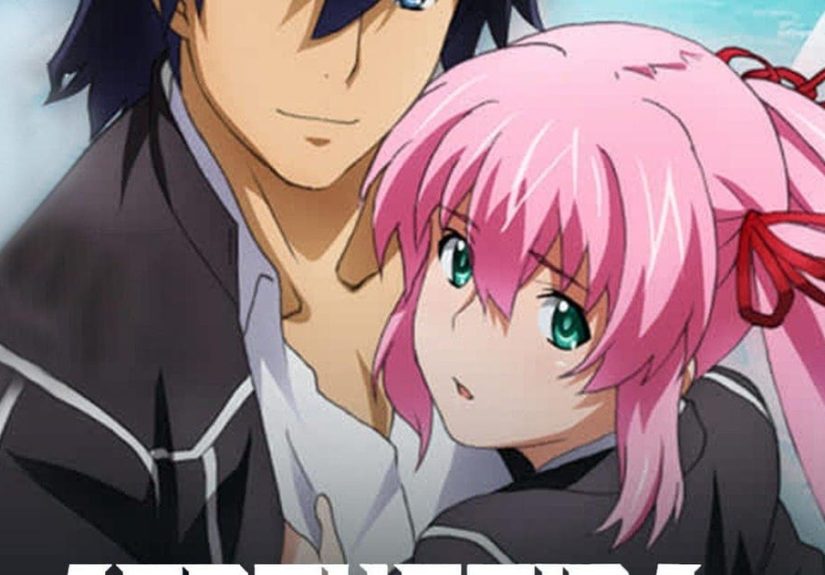
with a very dangerous souvenir: Miu, the pink-haired daughter of the defeated
Demon King, who now has to hide her identity while attending a school for magically gifted
returnees.
The show blends:
- Action-fantasy combat in and out of the academy
- Heavy ecchi fanservice (yes, that kind of heavy)
- Power fantasy elements with an absurdly competent main character
- Political intrigue involving otherworldly nations and the organization behind the school
On paper, it sounds like a recipe for a stylish, edgy twist on the hero-comes-home trope. In
practice, its execution is where the rankings and opinions start to split – hard.
How Aesthetica of a Rogue Hero Ranks Overall
Numbers at a Glance
While scores shift over time, Aesthetica of a Rogue Hero typically sits in the
“guilty pleasure mid-tier” range on major fan platforms:
-
On lists referencing MyAnimeList data, it’s often quoted around the
6.5–6.8 out of 10 mark, which is fairly average for ecchi action shows:
not a disaster, but nowhere near classic status. -
Discussions citing IMDb scores tend to place it in the mid-6 range as well,
reflecting a similar “it’s fine, I guess” consensus rather than universal love or hate.
In short: by raw numbers, it’s not an all-time great, but it’s also not at the very bottom of
the barrel. It’s the kind of series that hovers around “decent if you like this kind of thing”
territory.
Critics vs. Fans: Two Very Different Shows
One reason the rankings are so interesting is that Aesthetica plays like two
different shows depending on what you’re looking for:
-
Professional and blog reviewers often hammer it for extreme fanservice,
uncomfortable sexual humor, and a protagonist who regularly crosses consent boundaries.
Some reviews frame it as exactly the kind of series that gives ecchi anime a bad reputation. -
Portions of the fanbase openly admit it’s trashy but still fun. You’ll see
people giving it 6/10 or 7/10 as a “good time if you turn your brain off,” praising its
confident lead, entertaining fights, and surprisingly decent worldbuilding under all the
chaos.
This split leads to a very polarized rankings pattern: some fans rate it as a 1/10 disaster,
while others defend it as “underrated” or “criminally fun” in ecchi recommendation threads.
Where It Ranks Among Ecchi and Harem Anime
When viewers discuss Aesthetica of a Rogue Hero, they rarely compare it to
highbrow fantasy like Fullmetal Alchemist: Brotherhood. Instead, it’s usually stacked
against other fanservice-heavy shows with overpowered leads, such as:
- High School DxD
- The Testament of Sister New Devil (also by Tetsuto Uesu)
- High School of the Dead
- Various isekai power fantasies with harem elements
In that narrower niche, Aesthetica usually ranks like this:
-
Below the big names like High School DxD, which many fans feel
balances its characters, story arcs, and fanservice more skillfully. -
Comparable to mid-tier guilty pleasures, where viewers enjoy it for the
spectacle but acknowledge messy writing and tonal whiplash. -
Above infamous trainwrecks that are remembered only for shock value. Even
detractors often admit that Aesthetica has a workable premise and some cool battle
sequences.
Think of it as a cult favorite in certain circles rather than a mainstream recommendation. If
you’re ranking ecchi fantasy shows on a “tastefully spicy” to “comically over the top”
spectrum, Aesthetica definitely leans toward the latter.
Story and Worldbuilding: Wasted Potential or Hidden Gem?
One of the most debated aspects of Aesthetica of a Rogue Hero is its
underlying story. Strip away the endless underwear theft gags, and there’s actually a solid
skeleton:
-
An academy, Babel, that trains people who return from other worlds with
dangerous powers. -
Political games between nations in the fantasy world of Alayzard and the global organization
running Babel. -
The moral gray zone of Akatsuki bringing the Demon King’s daughter into the human world,
creating a walking diplomatic incident.
Many reviewers and fans agree the worldbuilding has promise. The “after the hero returns”
perspective is still relatively uncommon, and Babel’s ranking battles and conspiracies could
have fueled a compelling multi-season arc.
Unfortunately, with only 12 episodes and a heavy focus on titillation, the show rarely slows
down to explore those threads deeply. The result: when people rank its story quality, you get
a lot of comments that sound like, “Cool idea, very shallow execution.”
Character Rankings: Who Stands Out?
1. Akatsuki Ousawa – The Rogue Hero Himself
Akatsuki is one of the most divisive protagonists in modern ecchi anime. On the plus side:
- He’s genuinely competent in fights and often outsmarts his enemies.
- He shows flashes of real nobility, especially when protecting Miu and his classmates.
- He’s confident and proactive instead of the usual “shy, nosebleed harem lead.”
On the downside, his “rogue” persona is built on a lot of sexual harassment played
for comedy – stealing underwear, pushing physical boundaries, and using his skills in ways that
many viewers find uncomfortable or outright off-putting.
In informal popularity rankings, Akatsuki often lands somewhere in the middle:
interesting and refreshingly assertive as a combat lead, but controversial as a romantic one.
2. Miu – The Demon King’s Daughter
Miu tends to rank near the top of character popularity lists for the series. She’s more than
just a fanservice magnet:
-
Her backstory gives the plot emotional weight – she’s grieving her father and grappling with
loyalty, guilt, and a new life on Earth. -
She’s magically talented and not just a damsel in distress; she actively contributes in
battles. -
Her relationship with Akatsuki is complicated, mixing resentment, gratitude, and eventually
romantic feelings.
Fans who enjoy character-driven moments often point to Miu’s scenes as the emotional core of
the show, even when the script insists on shoving her into one more embarrassing situation.
3. The Supporting Girls: Haruka, Chikage, and Kuzuha
The rest of the main female cast rarely get enough screentime to be deeply explored, but each
has a niche in fan rankings:
-
Haruka – The serious, rule-following student council vice president. She’s a
favorite for fans who like tsundere-adjacent characters constantly exasperated by the
protagonist’s antics. -
Chikage – A confident, openly lesbian classmate who brings some refreshing
self-awareness to the cast. She often ranks high among viewers who appreciate characters that
cheerfully break standard harem molds. -
Kuzuha – The pint-sized, gifted class rep. She’s more of a “little sister”
type, with fans enjoying her dedication, intelligence, and occasional moments of bravery.
While none of them get the deep arcs you’d find in a more slow-burn character drama, they’re
popular enough to fuel a steady stream of fan art, ranking polls, and “best girl” debates.
Visuals, Action, and Fanservice: How Do They Rank?
Animation and Fight Scenes
For a 2012 series, Aesthetica of a Rogue Hero looks solid if not spectacular.
The character designs are bold and instantly recognizable, with flashy combat sequences that
show off Akatsuki’s speed and power. The Babel ranking battles and dragon fights are usually
cited as highlights when fans justify giving the show more than a 5/10.
Is it top-tier sakuga? No. But for viewers in the mood for magic duels, swordplay, and
high-energy showdowns, it clears the “fun to watch” bar.
Fanservice and Tone
This is where rankings nosedive for many people. The series doesn’t just include fanservice;
it structurally relies on it. A lot of screentime goes to:
- Clothing destruction in battle
- Underwear theft as running gags
- Scenes built entirely around forced embarrassment or sexualized “pranks”
For some viewers, this is exactly what they sign up for when they click on an ecchi action
show, and they rate it accordingly – sometimes very highly. For others, especially those who
care about issues of consent and how female characters are treated, this pushes
Aesthetica into the “hard pass” category, no matter how good the fights look.
Will There Ever Be a Season 2 – And How Does That Affect Its Ranking?
As of now, Aesthetica of a Rogue Hero remains a one-season anime with a
handful of OVAs. The light novel material continues beyond where the anime leaves off, and
fans have spent years speculating about a second season or reboot.
The lack of continuation has two effects on how people rank the show:
-
Lower narrative satisfaction – The anime ends at a point where it feels like
the story is just getting started. That can drag down scores from viewers who care about
payoff. -
Higher cult status – At the same time, the unfulfilled potential and
“what could have been” factor help the series stay alive in recommendation threads, which
keeps people talking about it years later.
Whether you see it as an incomplete mess or a fun, flawed first act largely depends on your
tolerance for cliffhangers and loose ends.
So, Should You Watch Aesthetica of a Rogue Hero?
At the end of the day, any ranking is just a numeric attempt to capture a very personal
reaction. Based on the balance of critical reviews and fan opinions, here’s a reasonable
breakdown:
-
You’ll probably like it if: you enjoy shameless ecchi, overpowered main
characters, and don’t mind morally messy humor as long as the action and spectacle deliver. -
You’ll probably hate it if: you’re sensitive to non-consensual gags, want
nuanced character development with subtle romance, or prefer fanservice to stay more
suggestive than aggressive. -
Your rating will likely land: anywhere between a 3/10 and a 7/10 depending
on how much you weigh story vs. fanservice and how comfortable you are with its tone.
If you treat Aesthetica of a Rogue Hero as a loud, problematic, but sometimes
entertaining product of early-2010s ecchi trends, you’ll go in with realistic expectations.
It’s not a must-watch classic, but it has just enough style and energy to justify its ongoing
cult following – and just enough controversy to keep its rankings spicy.
Experiences Around Aesthetica of a Rogue Hero Rankings and Opinions
Talk to enough anime fans and you’ll notice that Aesthetica of a Rogue Hero tends to
produce very similar experience arcs – even among people who never compare scores directly.
For many viewers, the journey begins the same way: you’re browsing recommendations for “OP MC
action anime,” and someone says, “If you don’t mind heavy fanservice, try
Aesthetica.” You shrug, press play, and within minutes Akatsuki is stealing
someone’s underwear while casually dodging attacks. At that point, you either laugh and roll
with it, or you pause and think, “Oh. So that’s the kind of show this is.”
As people progress through the episodes, their internal rankings tend to bounce around. The
early Babel entrance test and combat exams make a strong impression – Akatsuki’s competence and
the “hero who already beat the final boss” angle feel fresh enough to hook action fans.
Mid-season, the ranking battles and political hints around Babel pull some viewers deeper into
the world. Others, however, start to feel that every character moment is chained to a
fanservice setup, which drags their enjoyment score down a notch or two.
By the time the dragon fight and final episodes roll around, a lot of viewers are torn. On one
hand, the climax proves the show can deliver a legitimately cool showdown, and the team’s
victory in the ranking tournament suggests a bigger story is coming. On the other hand, they
realize the season is about to end with no guarantee of continuation. That unfinished feeling
becomes a huge factor in later rankings and recommendations.
In community discussions, you’ll often see the same pattern:
-
People who lean positive usually talk about how much fun they had watching
Akatsuki bulldoze through enemies, how they enjoyed Miu’s emotional growth, or how the final
battles surprised them with their energy. -
People who lean negative usually emphasize the discomfort they felt with the
sexual humor and how that overshadowed any good ideas the plot had. -
People in the middle openly call it a guilty pleasure: “I can’t in good
conscience give it more than a 6, but I also watched the whole thing in a weekend.”
For ranking-focused fans, Aesthetica of a Rogue Hero becomes less about asking
“Is this objectively good?” and more about “How much did I enjoy this particular
flavor of chaos?” It’s the type of anime that doesn’t just invite a number out of 10; it
invites a conversation. People remember when and how they watched it, who they argued with
about it, and what lines it crossed or didn’t cross for them personally.
That’s probably why this one-season show still pops up in recommendation threads and ranking
lists years later. For better or worse, watching and rating
Aesthetica of a Rogue Hero feels like an experience – a slightly messy,
fanservice-soaked, argument-starting experience, but one that leaves an impression.