Table of Contents >> Show >> Hide
- Get Clear Before You Get Colorful
- Understand the Two Big Paint Truths: Undertones and Light
- 5) Respect undertones (they’re the plot twist)
- 6) Use a quick undertone test: compare against true white and true gray
- 7) Learn the LRV shortcut (a.k.a. “Will this cave my room?”)
- 8) Consider the room’s directionnorth, south, east, west matters
- 9) Pay attention to bulb type and color temperature
- 10) Match paint to the room’s job, not your Pinterest board
- Sampling Like a Pro (Because Paint Chips Are Not Walls)
- 11) Never decide at the storetest in your space
- 12) Go bigger than a postcard
- 13) Use movable sample boards (your future self will thank you)
- 14) Look at samples at three times: morning, afternoon, and night
- 15) Test with “neighbors”: trim, ceiling, and adjacent rooms
- 16) Check the color next to the biggest fabric in the room
- Build a Palette That Flows
- Practical, Real-World Pro Tips
- Quick Mini-Playbook: A Simple Way to Pick Paint Without Spiraling
- of Real-Life Experience: What Homeowners Learn After the First “Oops”
- Conclusion
Choosing paint colors sounds like a “quick weekend decision” until you’re standing in the aisle holding 47 nearly identical
off-whites and questioning every life choice that led you here. The good news: professionals don’t rely on magic. They rely
on a repeatable processone that accounts for light, undertones, fixed finishes, and how colors behave on a big wall (because
paint chips are tiny liars).
Below are 23 expert-level tips that interior designers and paint pros use to pick colors that look right in real homesat
8 a.m., at 8 p.m., and even on that rainy Tuesday when everything feels slightly gray. Steal the process. Keep the confidence.
Return fewer gallons.
Get Clear Before You Get Colorful
1) Start with what you can’t (or won’t) change
Before you choose a wall color, take inventory of “fixed finishes”: flooring, countertops, tile, brick, big cabinetry, and
anything expensive and permanent. These items already have undertones. Your paint needs to cooperate with them, not fight them.
Example: a creamy oak floor usually plays nicer with warm whites and warm greiges than icy blue-grays.
2) Pick a vibe in plain English
Instead of saying, “I want a neutral,” say what you want the room to feel like: calm and spa-like, cozy and candlelit,
bright and energetic, moody and dramatic. This prevents “accidental dentist office” or “surprise cave” outcomes. If you want
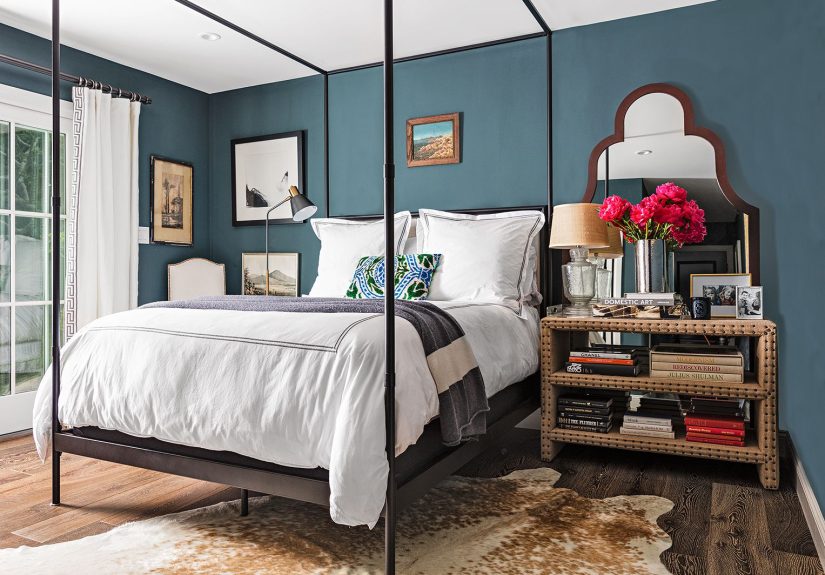
cozy, warm mid-tones and earthy hues often do the heavy lifting; if you want airy, higher-light colors can help.
3) Choose an inspiration anchor (one item is enough)
Pros frequently pull paint from something you already love: a rug, a piece of art, a throw pillow, even a favorite ceramic mug.
Look for a background color you can live with daily and an accent color you can use selectively (pillows, doors, built-ins).
This makes your palette feel intentional instead of “picked in a rush.”
4) Limit the shortlistdecision fatigue is real
Narrow to 3–5 contenders per space. More than that and your brain starts treating paint like a personality test. Create a quick
note for each option: “warmer,” “cooler,” “brighter,” “moodier.” You’re not marrying the coloryou’re just going on a few dates.
Understand the Two Big Paint Truths: Undertones and Light
5) Respect undertones (they’re the plot twist)
Undertones are the subtle color bias underneath the main colorlike a “neutral” that secretly leans pink, green, yellow, or blue.
Two beiges can look similar on a chip but wildly different on the wall if one is pink-based and the other is green-based.
When undertones clash with your finishes, the room can look “off” without you knowing why.
6) Use a quick undertone test: compare against true white and true gray
Hold your paint chip next to a clean white sheet of paper and then next to a neutral gray object (like a gray notebook).
If your “white” suddenly looks yellow, it’s warm. If it looks slightly blue or icy, it’s cool. This isn’t perfect science,
but it’s a fast way to spot a sneaky undertone before it spots you.
7) Learn the LRV shortcut (a.k.a. “Will this cave my room?”)
LRV stands for Light Reflectance Valuehow much light a color reflects. Higher LRV generally means brighter; lower LRV absorbs
more light and can feel moodier. In a dim hallway, a lower-LRV color may read much darker than you expect. In a sun-drenched room,
that same color can look deliciously rich instead of heavy. Use LRV as a sanity check, not a rulebook.
8) Consider the room’s directionnorth, south, east, west matters
Natural light isn’t the same in every room. North-facing rooms often skew cooler; south-facing rooms typically get warmer,
more consistent light. East-facing light changes from warm morning light to cooler later; west-facing tends to glow warmer in
the afternoon/evening. This is why the same “perfect greige” can look balanced in one room and vaguely green in another.
9) Pay attention to bulb type and color temperature
Artificial lighting can change everything. Warm bulbs can pull out yellows and reds; cooler bulbs can make whites feel crisper
and can emphasize blues. If you’ve ever painted a room and thought, “Why does this look different at night?”hello, lighting.
Before you commit, test the color with the lights you actually use.
10) Match paint to the room’s job, not your Pinterest board
Bedrooms often benefit from softer, lower-contrast colors that feel restful. Kitchens and workspaces can handle brighter,
cleaner shades that feel energizing. A dining room can go deeper for a “special occasion” feel. Same homeowner, different needs.
Sampling Like a Pro (Because Paint Chips Are Not Walls)
11) Never decide at the storetest in your space
Stores have controlled lighting and lots of visual noise. Your home has your floors, your furniture, your windows, and your
weirdly reflective stainless-steel fridge that throws light like it’s auditioning for a movie. Always test where the paint will live.
12) Go bigger than a postcard
Tiny swatches make colors seem calmer than they’ll look on a full wall. Paint a sample area large enough to see the color’s
personalityideally at least a couple feet wide/tall. Big samples reveal whether that “soft warm white” is actually “butter popcorn”
once it spreads out.
13) Use movable sample boards (your future self will thank you)
Paint samples on poster board or foam board so you can move them around: next to the sofa, by the window, under a lamp, and on
different walls. This helps you see how the color shifts with lighting and surroundingswithout turning your walls into a patchwork quilt.
14) Look at samples at three times: morning, afternoon, and night
Daylight changes, and so does paint. Set reminders if you need to. Morning light can be soft and warm; afternoon can be bright;
evening can be warmer with lamps. A color you love at noon might feel too gray at duskor too bright under overhead lights.
15) Test with “neighbors”: trim, ceiling, and adjacent rooms
Paint doesn’t exist alone. Hold your sample next to your trim color, ceiling white, and any nearby room color. The contrast can
shift how you perceive the wall color. A warm white can look dingy next to a very bright, cool white trimwhile it looks creamy and elegant next to a softer trim.
16) Check the color next to the biggest fabric in the room
If you have a large sofa, curtains, or a big rug, your paint will be living with it daily. Compare the sample board to those fabrics.
Example: a gray with a green undertone can make some beige fabrics look pinkish by contrast. Paint can bully your textilesdon’t let it.
Build a Palette That Flows
17) Use the 60–30–10 rule to keep things balanced
A simple design guideline: 60% dominant color (often walls), 30% secondary (furniture/upholstery), 10% accent (pillows, art, accessories).
You can bend it, but it’s a helpful structure when you want color without chaos.
18) Create a “whole-home” shortlist to avoid room-to-room whiplash
Especially in open layouts, pick a small family of colors that relate to each otherthink shared undertones. You might use one
main neutral throughout, then vary depth (lighter in halls, deeper in dining) and add accent colors strategically.
The goal: cohesive, not identical.
19) Use color to zone open-concept spaces
Paint can define areas without walls. A slightly deeper tone in the dining area can create a “room” within a larger space,
while a complementary neutral keeps the flow. If you’re nervous, start with subtle shifts in depth rather than totally different color families.
20) Decide your trim strategy early
Crisp white trim can make wall colors feel cleaner and more tailored. Matching trim to the wall color (same color, different sheen)
can feel modern and seamlessgreat for reducing visual breaks in small spaces. Either way, choose intentionally; trim is the frame.
21) Don’t forget the ceiling (the fifth wall is real)
A bright ceiling can lift a room; a slightly tinted ceiling can feel soft and cozy. In rooms with low ceilings, a ceiling that’s
a lighter version of the wall can visually “stretch” the space. In tall rooms, a deeper ceiling can add intimacy and drama.
Practical, Real-World Pro Tips
22) Sheen changes colorpick finish with the room in mind
Shinier finishes reflect more light and can make colors look brighter (and highlight wall imperfections). Flatter finishes
can make color feel richer and hide bumps better, but may scuff more easily. Bedrooms and living rooms often do well with lower sheen;
kitchens, baths, and trim often need more washability. Always test your sample in the sheen you plan to use.
23) Think beyond color: choose a healthier, smarter paint setup
Interior paints can contribute to indoor VOCs, especially during application and drying. If you’re sensitive to odors or painting
a nursery/bedroom, consider low-VOC or zero-VOC options and plan for ventilation (open windows, use fans, follow product dry/cure guidance).
Also: buy a little extra for future touch-ups, label the can with the room name, and store it properly. The “future you” who finds
a mystery scuff mark will be very grateful.
Quick Mini-Playbook: A Simple Way to Pick Paint Without Spiraling
- Identify fixed finishes and their undertones (floors, counters, tile).
- Pick the mood you want the room to have.
- Shortlist 3–5 colors that share compatible undertones.
- Sample big (boards or large wall samples) in the intended sheen.
- View at multiple times and with lights on/off.
- Choose the winner that stays good in your worst lighting, not just your best.
of Real-Life Experience: What Homeowners Learn After the First “Oops”
If you want the honest truth about choosing paint colors, it’s this: most people don’t “fail” because they have bad taste.
They fail because they trust the paint chip like it’s a sworn witness. Real homes are messy little ecosystems of light, texture,
and competing undertones. That’s why the most common experience sounds like, “I loved it in the store… and then I put it on the wall
and it turned into a totally different color.” It’s not your imagination. It’s physics and context doing their thing.
A classic example: you choose a soft gray because it looks calm and modern on the chip. In the room, it suddenly reads blue.
At night, under warm lamps, it turns slightly purple. Meanwhile, your tan sofa starts looking oddly yellow. What happened?
The gray probably had a cool undertone, the room’s natural light skewed cool (north-facing is famous for this), and your warm lighting
pushed it into a different lane after sunset. The “experience” most homeowners remember is not the paint color itselfit’s the moment
they realize color is a shape-shifter.
Another lesson people learn fast: small swatches create false confidence. Many homeowners paint a little square and think,
“Perfect.” Then they roll the whole wall and the color feels stronger, darker, or brighter. Big areas amplify color.
That’s why sample boards become a turning point. Once you can move your samples next to the floor, under a lamp, and in the shadowy corner,
you start making decisions like a pro. You also start noticing how one wall can look different from another wall in the same roombecause
one wall is catching window light and the other is living its best life in the shade.
There’s also a very relatable “whole-home” experience: the first room looks amazing, so you pick a different amazing color for every room…
and suddenly your hallway feels like a paint-store obstacle course. Homeowners often say the house feels “busy” or “disconnected” even though
they like each individual color. The fix is almost always palette discipline: fewer undertones, more repetition, and smarter transitions.
Many people end up happiest with one main neutral that flows, then a couple of accents used intentionally (a powder room, a front door,
built-ins, or a dining room).
Finally, there’s the practical side nobody brags about on social media: living with the paint. Deep colors are gorgeous, but you learn quickly
where fingerprints appear. Bright whites look crisp, but they can reveal every scuff in high-traffic zones. The “experienced” approach is not
avoiding bold choicesit’s placing them where they’ll behave well. A dramatic shade in a dining room? Stunning. The same shade in a narrow,
poorly lit hallway? Maybe not the hill you want to die on. Most homeowners don’t need perfect paint. They need paint that makes daily life
feel easier and the home feel like it belongs to them.
Conclusion
The right paint color isn’t the one that looks best on a tiny chipit’s the one that stays dependable through changing light, plays nicely with
your fixed finishes, and supports the mood you want in the space. If you do three thingslearn undertones, check light (natural and artificial),
and test big samplesyou’ll avoid the most common, most expensive mistakes. And if you still feel stuck, remember: you can repaint. Paint is one of
the most forgiving design decisions… once you stop asking it to behave like a paint chip.