Table of Contents >> Show >> Hide
- Why Appendicitis Is Harder to Spot When You’re Pregnant
- The Symptoms: What’s “Classic,” What’s Different, and What Matters Most
- When to Seek Emergency Care (Don’t “Wait It Out”)
- How Clinicians Actually Detect Appendicitis During Pregnancy
- Ultrasound vs MRI vs CT: What’s Used in Pregnancy and Why
- Common “Look-Alikes” That Can Fool Even Responsible Adults
- Why Speed Matters: The Risks of “Let’s See Tomorrow”
- What Treatment Usually Looks Like (If Appendicitis Is Confirmed)
- Practical Tips: How to Advocate for Yourself Without Becoming Your Own Surgeon
- Real-World Experiences (What People Commonly Report) 500+ Words
- Experience #1: “I thought it was normal pregnancy nausea… until the pain picked a side.”
- Experience #2: “At 22 weeks, the pain wasn’t low-rightit was higher, and that threw everyone off.”
- Experience #3: “Third trimester: I was worried about the baby first, and my own symptoms second.”
- What people say they wish they’d known
- Conclusion
Pregnancy can make you feel like your body is running 47 background apps at onceheartburn, nausea, random cramps,
and a baby practicing parkour at 2 a.m. So when abdominal pain shows up, it’s tempting to chalk it up to “just
pregnancy things.” The problem? One of those “things” can look a lot like appendicitisand appendicitis does not
believe in waiting politely.
Detecting appendicitis during pregnancy is less about “Googling one magic symptom” and more about noticing a
pattern: pain that escalates, doesn’t behave like typical pregnancy discomfort, and comes with warning signs like
fever, worsening tenderness, or feeling truly unwell. This guide breaks down what to watch for, why pregnancy
changes the classic picture, and how clinicians confirm appendicitis safely and quickly.
Why Appendicitis Is Harder to Spot When You’re Pregnant
1) The appendix can “move,” and pain can show up in surprising places
As the uterus grows, organs get nudged and rearranged. That can shift where appendicitis pain is feltespecially
later in pregnancy. In early pregnancy, pain is more likely to be in the lower right abdomen (the “classic”
location). In mid-to-late pregnancy, pain may creep higher, sometimes closer to the belly button or upper right
side, which can confuse the picture.
2) Normal pregnancy symptoms can imitate appendicitis
Nausea, vomiting, appetite changes, mild bloating, constipationpregnancy already comes with a greatest-hits album
of gastrointestinal symptoms. Appendicitis can share many of those, so the key clue is often the pain pattern and
progression rather than nausea alone.
3) Lab tests can be less “clear-cut”
Pregnancy can raise white blood cell counts even when there’s no infection, which means a “high WBC” isn’t always
the smoking gun it might be in someone who isn’t pregnant. Clinicians use labs as one piece of the puzzle, not
the whole answer.
The Symptoms: What’s “Classic,” What’s Different, and What Matters Most
The pain story (this part matters a lot)
Appendicitis pain often starts near the belly button or mid-abdomen and then migratescommonly toward the right
side. It typically becomes sharper and more intense over time and often worsens with movement, coughing, walking,
or sudden bumps (yes, even laughing can feel rude).
During pregnancy, you may still get that “starts central, then shifts” patternbut the “where” can be less
predictable later on. What usually remains consistent is that the pain keeps escalating and does not behave like
round ligament pain (which tends to be brief, positional, and triggered by sudden movement).
Nausea, vomiting, and appetite loss
Many people with appendicitis feel nauseated and lose their appetite. The timing is important: if nausea and
vomiting suddenly ramp up with worsening localized abdominal pain (especially if you’ve been past the worst
of morning sickness), clinicians pay attention.
Fever and “I just feel sick” energy
A low-grade fever can occur and may rise as inflammation worsens. Some people also feel sweaty, chilled, or
unusually fatigued. Feeling “systemically ill” (not just uncomfortable) raises concernespecially if pain is
intensifying.
Tenderness and protective guarding
Appendicitis can cause localized tenderness to touch. Some people instinctively tense their abdominal muscles or
guard the area because it hurts. If releasing pressure hurts more than pressing (a classic exam finding), that can
be another cluethough exams can be trickier in pregnancy.
Bowel changes and bloating
Constipation, diarrhea, gas, or bloating can happen, but they’re not specific. Think of them as supporting
characters, not the main lead.
When to Seek Emergency Care (Don’t “Wait It Out”)
If you’re pregnant and have symptoms that could be appendicitis, it’s safest to be evaluated urgentlybecause a
delayed diagnosis increases the risk of perforation and complications. Go to the ER or call your local emergency
number now if you have:
- Abdominal pain that is severe, worsening, or persistent (especially on the right side or higher right abdomen later in pregnancy)
- Pain plus fever, chills, or feeling faint/weak
- Pain plus repeated vomiting or inability to keep fluids down
- Marked tenderness to touch, or pain that worsens with walking/coughing
- Any abdominal pain with vaginal bleeding, leaking fluid, contractions, or decreased fetal movement (get checked immediately)
How Clinicians Actually Detect Appendicitis During Pregnancy
In real life, diagnosis is a step-by-step processtriaging risk, ruling out dangerous look-alikes, and using
imaging when needed. Here’s what typically happens in urgent care or an emergency department.
Step 1: History (your details matter more than you think)
You’ll be asked about exactly where the pain started, where it is now, how it has changed, and what makes it
worse or better. You may also be asked about appetite, nausea/vomiting, fever, urinary symptoms, prior abdominal
surgery, and how far along you are. If your pain has a clear “ramping up” timeline over hours (not seconds) and is
getting more localized, that pattern is meaningful.
Step 2: Physical exam (done carefully in pregnancy)
A clinician will check your abdomen for tenderness, guarding, and pain with movement. Depending on symptoms and
gestational age, they may also evaluate for pregnancy-related causes of abdominal pain. Fetal assessment may be
included, especially later in pregnancy.
Step 3: Labs (helpful, but not a solo act)
Common tests include a complete blood count (CBC), inflammatory markers (sometimes), and a urine test to look for
UTI or kidney issues. Pregnancy can blur lab “normals,” so clinicians interpret results alongside symptoms,
exam findings, and imaging.
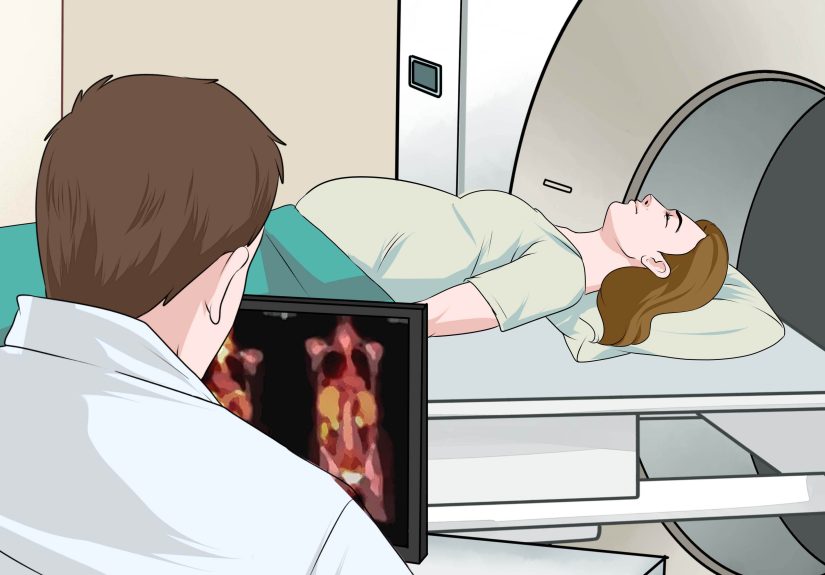
Step 4: Imaging (this is often the turning point)
Because symptoms overlap and the stakes are high, imaging is commonly recommended when appendicitis is suspected
in pregnancy. The goal is to diagnose accurately and avoid both delay and unnecessary surgery.
Ultrasound vs MRI vs CT: What’s Used in Pregnancy and Why
Ultrasound is usually the first stop
Ultrasound doesn’t use ionizing radiation and is widely available. It can evaluate the appendix in some cases and
can also look for obstetric or pelvic causes of pain. The catch is that the appendix may be hard to visualize as
pregnancy progresses, so a normal or inconclusive ultrasound doesn’t always end the story.
MRI is often the “next best” test when ultrasound is unclear
MRI provides detailed images without ionizing radiation. When available, MRI is frequently preferred after an
inconclusive ultrasound because it can confirm appendicitis and also reveal alternative diagnoses that mimic it.
In pregnancy, clinicians generally avoid gadolinium contrast unless there’s a strong reasonmost appendicitis MRI
protocols don’t require it.
CT is sometimes used if MRI isn’t available or answers are still unclear
CT is fast and very accurate, but it uses ionizing radiation. In pregnancy, clinicians typically reserve CT for
situations where ultrasound and MRI can’t provide a diagnosis promptly and delaying care could be riskier than the
scan. When CT is needed, protocols may be adjusted to keep radiation as low as reasonably achievable.
Common “Look-Alikes” That Can Fool Even Responsible Adults
Abdominal pain in pregnancy has a long list of possible causes. Some are benign, some urgent. Appendicitis is one
of the most important to rule out because time matters. Conditions that can mimic appendicitis include:
- Round ligament pain: brief, sharp, positional groin/lower belly pain often triggered by movement
- UTI or kidney infection: urinary burning, frequency, flank pain, fever
- Kidney stones: severe flank-to-groin pain, nausea, blood in urine
- Gastroenteritis/food poisoning: vomiting/diarrhea with crampy pain (often more diffuse)
- Constipation/gas: pressure-like discomfort that changes with bowel movements
- Gallbladder disease: right upper abdominal pain, especially after fatty meals
- Ovarian torsion (less common later): sudden severe one-sided pelvic pain
- Pregnancy-related emergencies: placental abruption, preterm labor, severe preeclampsiathese need immediate evaluation
Why Speed Matters: The Risks of “Let’s See Tomorrow”
Appendicitis is inflammation of a small organ that can worsen quickly. If the appendix perforates (ruptures), it
can spread infection in the abdomen and significantly increase complications. During pregnancy, delays can raise
risks for both the pregnant person and the baby. That’s why clinicians lean toward prompt evaluation and
evidence-based imaging rather than guessing games.
What Treatment Usually Looks Like (If Appendicitis Is Confirmed)
The standard treatment for appendicitis is typically appendectomy (surgical removal of the appendix), often along
with antibiotics. In many cases, laparoscopic surgery (small incisions) is used and can be performed during
pregnancy with appropriate precautions and monitoring. Treatment decisions are individualized based on gestational
age, whether the appendix has perforated, and overall clinical status.
Expect a team approach: emergency clinicians, surgeons, and obstetric providers often coordinate care. You may
also have fetal monitoring depending on how far along you are. The main goal is simple: treat the appendicitis
promptly to reduce complicationsbecause “untreated appendicitis” is far more dangerous than “treated appendicitis
during pregnancy.”
Practical Tips: How to Advocate for Yourself Without Becoming Your Own Surgeon
Bring a clear timeline
If you can, note when pain started, how it changed, and what symptoms came with it. “It began near my belly
button at 2 p.m., moved right by 6 p.m., and now walking hurts” is more useful than “My stomach feels off.”
Don’t downplay fever or worsening pain
Many people try to tough it outespecially during pregnancy, when discomfort is already common. But appendicitis
is not impressed by bravery.
Avoid eating or drinking if you’re heading to urgent evaluation
If surgery becomes likely, an empty stomach is safer for anesthesia. Follow local medical advice, but as a general
rule, don’t stop for a celebratory burrito on the way to the ER.
Ask the right questions
- “What diagnoses are you most concerned about, and what are we ruling out first?”
- “What imaging do you recommend next if ultrasound is inconclusive?”
- “If this is appendicitis, what’s the plan and how will the baby be monitored?”
Real-World Experiences (What People Commonly Report) 500+ Words
Because appendicitis during pregnancy can feel confusing, it may help to know what the experience often looks
like from the patient sideespecially the small details people wish they’d taken seriously sooner. The stories
below are composite examples (not one person’s medical record) that reflect common themes clinicians see.
Experience #1: “I thought it was normal pregnancy nausea… until the pain picked a side.”
In early pregnancy, some people already feel queasy most days, so when nausea spikes, it doesn’t always set off
alarms. What often changes the decision to seek help is the pain: it starts as a vague ache near the center of
the abdomen, then becomes more focused and persistent. People describe it as “not crampy like gas,” and not
“stretchy like round ligament pain.” They may notice they’re walking more slowly, instinctively holding their
abdomen, or wincing when getting in and out of the car.
A common “aha” moment is realizing the pain isn’t coming in waves like contractions and isn’t improving with rest,
hydration, or a bathroom trip. Many report that bumps in the road feel weirdly dramaticlike the body is sending a
strongly worded email labeled URGENT.
Experience #2: “At 22 weeks, the pain wasn’t low-rightit was higher, and that threw everyone off.”
Mid-pregnancy is where appendicitis can start wearing a disguise. Instead of sharp pain low in the right abdomen,
some people feel pain closer to the belly button or right side at about navel level. It’s not unusual for someone
to wonder if it’s a pulled muscle, indigestion, or “the baby pressing on something.” The pain may start mild and
then steadily intensify over several hours. People often describe a growing inability to find a comfortable
positionlying on one side doesn’t help, sitting doesn’t help, standing doesn’t help, and pacing only helps if
your goal is to feel miserable in multiple locations around the house.
At the hospital, many patients say ultrasound is reassuring at firstuntil it comes back “inconclusive,” which
sounds like a shrug in medical form. When MRI is available, the experience people report is mostly logistical:
waiting, staying still, trying not to panic, and feeling relieved that the test doesn’t involve radiation. When
appendicitis is confirmed, the emotional tone often shifts quickly from fear to focusbecause having an answer is
strangely calming compared to the uncertainty.
Experience #3: “Third trimester: I was worried about the baby first, and my own symptoms second.”
Later in pregnancy, many people worry that abdominal pain automatically means preterm labor or a pregnancy
emergency. Sometimes it doeswhich is exactly why urgent evaluation matters. In third-trimester appendicitis,
patients often report pain that feels “up and to the right,” sometimes with nausea and a sense of being feverish
or unwell. People may say the pain feels deeper than typical heartburn and doesn’t respond to antacids. Another
frequent detail: movement hurtsrolling in bed, walking to the bathroom, coughing, even taking a deep breath.
If surgery happens, many describe the pre-op period as the most stressful partworrying about anesthesia, fetal
monitoring, and whether they “did something wrong.” The consistent reassurance patients report hearing (and later
repeating to others) is that prompt treatment protects both parent and baby, and delays are the bigger risk.
Recovery is often described as “tough but doable,” especially with coordinated obstetric follow-up and clear
instructions about pain control, hydration, and watching for fever or worsening symptoms.
What people say they wish they’d known
- Worsening, persistent pain is more concerning than nausea alone.
- Round ligament pain is usually brief and positional; appendicitis tends to escalate and stick around.
- Inconclusive ultrasound is commonneeding MRI doesn’t mean anyone “missed it.”
- Getting checked early is not “overreacting.” It’s risk management with a baby onboard.
Conclusion
To detect appendicitis during pregnancy, focus on the pattern: pain that worsens and persists, tenderness that
doesn’t behave like typical pregnancy discomfort, and red flags like fever or escalating nausea with localized
pain. Because pregnancy can shift anatomy and blur lab results, clinicians often use a stepwise approachhistory,
exam, labs, and safe imaging (usually ultrasound first, then MRI when needed). If you suspect appendicitis, seek
urgent evaluation. In this situation, “getting checked” is the calm, responsible choicenot the dramatic one.