Table of Contents >> Show >> Hide
- What “Perfect” Means (Because Your Cookie Has a Personality)
- The Cookie Science That Actually Matters
- Butter: flavor engine + texture steering wheel
- Sugar: crisp vs. chewy is mostly a sugar decision
- Flour: structure and chew (without turning cookies into bread)
- Eggs: moisture + binding
- Leavening: baking soda vs. baking powder
- Salt + vanilla: the “how is this so good?” switch
- Chocolate: chips, chunks, or chopped bars?
- Techniques That Make a Bigger Difference Than Fancy Ingredients
- A Flexible Base Recipe (Chewy Centers, Crisp Edges)
- Easy Customizations (Choose Your Cookie Adventure)
- Troubleshooting: When Cookies Misbehave
- Make-Ahead, Storage, and “Future You” Strategies
- Food Safety Note (Because Cookie Dough Is Not a Salad)
- Cookie Experiences: of Real-Life Cookie Magic
Chocolate chip cookies are the rare baked good that can start a debate faster than sports. Thick or thin?
Chewy or snappy? Chips or chopped chocolate? Sea salt on top or “please don’t turn my dessert into a salt lick”?
The good news: there’s no single “correct” cookie. The great news: there is a reliable way to engineer the cookie
you wanton purposewithout sacrificing the joy of licking the spatula like you’re trying to solve a mystery.
This guide walks you through the simple, proven levers that control flavor and texture (butter, sugar ratios, flour,
chill time, and bake strategy), then gives you a flexible base recipe plus smart variations. You’ll end up with cookies
that match your exact vibe: crisp edges with a chewy middle, thick bakery-style mounds, or thin-and-lacy “oops I ate six”
classics.
What “Perfect” Means (Because Your Cookie Has a Personality)
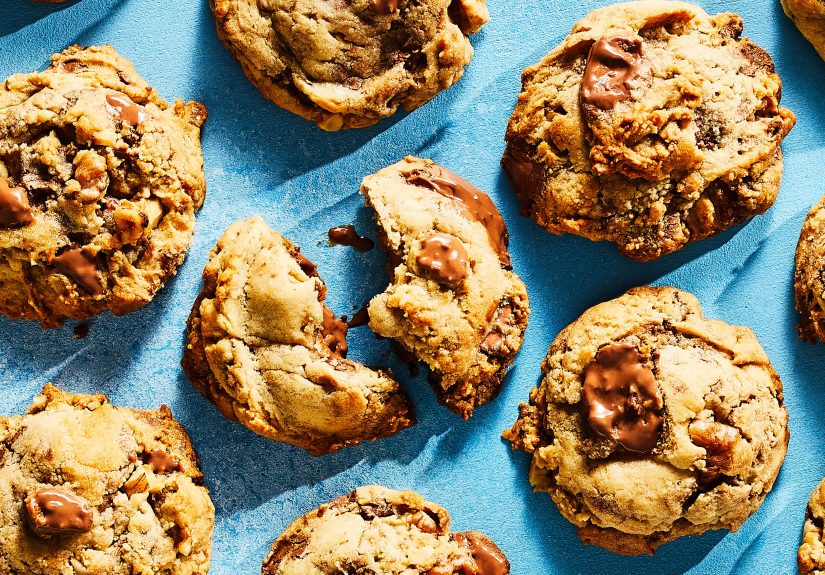
Before you preheat anything, decide which cookie you’re chasing. Here are the main style goals and what they usually
feel like in real life:
1) Chewy-center, crisp-edge classics
The crowd-pleaser: golden edges, a soft bend in the middle, and enough caramel notes to make your kitchen smell like a
hug. This style loves brown sugar, a short dough rest, and slightly underbaked timing.
2) Thick bakery-style cookies
Taller, chunkier, and more dramatic. You get less spread, more height, and a gooey interior. This style often benefits
from colder dough, larger scoops, and flour choices that hold structure.
3) Thin and crispy
Fast-crunch cookies with big caramel flavor and a shattery bite. These lean into more white sugar, more spread, and a
slightly longer bake.
The Cookie Science That Actually Matters
You don’t need a food lab in your kitchenjust a few “if you change this, that happens” rules.
Butter: flavor engine + texture steering wheel
- Softened butter + creaming traps air for lift and a lighter crumb.
- Melted butter tends to increase spread and chew (less trapped air, more fluid fat).
- Brown butter adds nutty, toffee-like depth. It can also change moisture balance, so recipes often
compensate with rest time and/or careful flour measurement.
Sugar: crisp vs. chewy is mostly a sugar decision
- White sugar encourages crispness and spread.
- Brown sugar (with molasses) brings moisture and chew, plus deeper caramel flavor.
- More sugar overall can increase spread and browning, but too much can lead to thin, fragile cookies.
Flour: structure and chew (without turning cookies into bread)
- All-purpose flour is the default for balanced cookies.
- Bread flour can increase chew and structure (helpful for thick cookies).
- Measuring matters: too much flour is the #1 route to dry, puffy, “why is this cookie whispering?”
results. If you can, weigh it.
Eggs: moisture + binding
- Whole eggs balance moisture and structure.
- An extra yolk can boost richness and chew.
- Too much egg white can push cookies toward cakier territory.
Leavening: baking soda vs. baking powder
- Baking soda supports spread and browning, and often helps a chewier texture.
- Baking powder can add lift and a more cake-like puff.
- Don’t swap casually: they behave differently and can throw off flavor and texture.
Salt + vanilla: the “how is this so good?” switch
Salt doesn’t make cookies salty; it makes chocolate taste more like chocolate and caramel taste more like caramel.
Vanilla rounds everything out. Under-salted cookies can taste flat even if they’re sweet.
Chocolate: chips, chunks, or chopped bars?
- Chips hold their shape and distribute evenly.
- Chopped chocolate creates puddles and dramatic streaks.
- Mixing both gives you structure (chips) and wow-factor (puddles).
Techniques That Make a Bigger Difference Than Fancy Ingredients
1) Chill/rest the dough
Even a short rest can improve texture by hydrating flour and firming the fat so cookies spread more predictably. An
overnight rest deepens flavor, toothink “the cookie tastes more like itself.” If you’re impatient (valid), chilling
pre-scooped dough balls is the fastest win.
2) Use parchment (or a silicone mat) and rotate your pan
Parchment prevents sticking and helps cookies bake evenly. Rotating the pan halfway through reduces hot-spot drama,
especially in ovens that run moody.
3) Stop baking earlier than your instincts want
Cookies continue to set on the hot pan. If you wait until the centers look “done” in the oven, you’re basically asking
for crunchy hockey pucks. Pull them when the edges are set and golden, but the centers still look a little soft.
4) Make size consistent
Same scoop = same bake time = fewer “some are perfect and some are auditioning for biscotti” situations.
A Flexible Base Recipe (Chewy Centers, Crisp Edges)
This is a balanced, dependable chocolate chip cookie recipe designed to be customized. It’s intentionally simpleno
weird ingredients, no special equipment, no emotional support stand mixer required.
Ingredients (makes about 18–22 medium cookies)
- 2 1/4 cups (270g) all-purpose flour
- 1 tsp baking soda
- 3/4 tsp fine salt
- 1 cup (227g) unsalted butter, softened (or see brown butter option below)
- 3/4 cup (150g) granulated sugar
- 3/4 cup (165g) packed light brown sugar
- 2 large eggs
- 2 tsp vanilla extract
- 2 cups (about 340g) semisweet chocolate chips or a mix of chips + chopped chocolate
- Optional: 1 cup chopped toasted nuts
- Optional finishing: flaky salt
Method
- Prep: Heat oven to 350°F (175°C). Line 2 baking sheets with parchment.
- Mix dry: In a bowl, whisk flour, baking soda, and salt.
- Cream: In a larger bowl, beat butter with both sugars until fluffy, 2–3 minutes.
- Add eggs + vanilla: Beat in eggs one at a time, then vanilla, until smooth.
- Combine: Add dry ingredients and mix just until no dry streaks remain. Don’t overmix.
- Chocolate: Fold in chips/chocolate (and nuts if using).
-
Rest (recommended): Cover dough and chill 30 minutes to 24 hours. If chilling longer, scoop dough
into balls first for convenience. - Scoop: Portion 2 tablespoons per cookie (about 35–40g), spacing 2–3 inches apart.
- Bake: 10–12 minutes, until edges are golden and centers look slightly underdone.
- Finish + cool: Optional flaky salt on top. Cool 5 minutes on the pan, then move to a rack.
Brown butter option (for deeper, toffee-like flavor)
Brown the butter in a light-colored saucepan over medium heat, stirring until it smells nutty and you see amber bits.
Pour into a bowl and cool until it’s warm but not hot. Because browning removes water, the dough may feel softerchilling
becomes more important. If your dough seems unusually loose, add 1–2 tablespoons (8–16g) extra flour after chilling, not
before, so you don’t accidentally over-flour.
Easy Customizations (Choose Your Cookie Adventure)
Make them thicker
- Chill dough overnight and bake from cold.
- Use slightly larger scoops (3 tablespoons).
- Swap 1/2 cup of all-purpose flour for bread flour for extra structure and chew.
Make them thinner and crispier
- Use more granulated sugar (increase by 2–4 tablespoons).
- Reduce brown sugar slightly.
- Skip chilling, or chill only 15–20 minutes.
- Bake 1–2 minutes longer, watching edges closely.
Big chocolate puddles
- Use chopped chocolate bars or feves for meltier pools.
- Press a few extra pieces on top of each dough ball before baking for a bakery look.
Salted caramel energy (without making caramel)
- Add 1/2 cup chopped toffee bits.
- Finish with flaky salt right after baking.
Cookie bars (party-mode)
Press dough into a parchment-lined 9×13-inch pan and bake until the top is golden and the center is just set. Cool
fully before slicing for clean edges (or don’t, if you enjoy delicious chaos).
Troubleshooting: When Cookies Misbehave
Problem: Cookies spread into one giant cookie continent
- Dough was too warm → chill 30–60 minutes.
- Butter was melted/very soft → chill longer or reduce mixing warmth.
- Pan was hot from a previous batch → cool the sheet between rounds.
- Too little flour (common if scooping flour loosely) → weigh next time; for now, chill and add a small flour
correction only if still extremely loose.
Problem: Dry, puffy, cake-like cookies
- Too much flour → weigh flour; don’t pack it into the measuring cup.
- Overmixing after adding flour → mix just until combined.
- Overbaking → pull earlier; let carryover heat finish the center.
Problem: Not enough flavor
- Increase salt slightly (by 1/8 tsp at a time).
- Try brown butter or add 1/2 tsp espresso powder.
- Rest dough overnight for deeper caramel notes.
Make-Ahead, Storage, and “Future You” Strategies
- Store baked cookies: Airtight container at room temp for several days. Add a slice of bread to the
container if you want to keep them softer (the bread dries out instead of the cookies). - Freeze dough balls: Scoop onto a tray, freeze solid, then bag. Bake from frozenjust add 1–3 minutes.
- Freeze baked cookies: Cool completely, then freeze in layers with parchment.
Food Safety Note (Because Cookie Dough Is Not a Salad)
Raw dough can carry risks from uncooked flour and raw eggs. If you want the cookie-dough experience, consider making an
egg-free edible dough and heat-treating flour first, or choose commercially prepared cookie dough products that are made
specifically to be eaten raw. For regular cookie recipes, the safest move is simple: bake the dough as intended and wash
hands and surfaces after handling raw ingredients.
Cookie Experiences: of Real-Life Cookie Magic
There’s a reason chocolate chip cookies show up in so many life moments: they’re low-effort joy with a high emotional
return. They’re what you bake when you want your home to smell like you have your life together (even if the laundry is
quietly judging you from the corner). The first sensory hit is always the samethe buttery, vanilla-laced perfume that
makes people wander into the kitchen “just to see what’s going on,” as if cookies were a surprise plot twist.
Cookies also have a weird talent for time travel. One bite can snap you back to after-school snacks, holiday baking
marathons, or that one friend’s house where the cookie jar was apparently refilled by elves. And the best part is how
customizable the nostalgia is. Some people remember thin, crispy cookies that practically shatter into caramel dust.
Others swear the only true cookie is thick, gooey, and just barely holding itself togetherlike it needs a pep talk and
a glass of milk to get through the day.
The baking process itself is its own mini-story arc. The dough starts as a chaotic bowl of ingredients that looks
suspiciously like it will never become anything cohesive. Thensuddenlyit turns into that perfect, scoopable texture,
studded with chocolate like a night sky you can eat. Chilling the dough feels like waiting for a sequel, but it’s also
the part where anticipation does half the work. You’re not just killing time; you’re letting flavors mature and textures
set up for success. It’s the cookie equivalent of letting a good joke land.
Then comes the oven moment: the quiet, suspenseful minutes where you stare through the glass like it’s a live sporting
event. The cookies puff, spread, and develop those golden edges, and you learn (again) that “one more minute” is the
most dangerous phrase in home baking. Pulling them while the centers still look slightly underdone feels rebellious,
like you’re breaking a rule, but that’s exactly how you get that soft, chewy middle once they cool.
And finallythe communal part. Cookies have a built-in generosity. A batch is rarely just for one person, even if you
confidently told yourself it was. They get packed into lunch bags, handed to neighbors, brought to meetings, and
magically reduce stress levels in any room they enter. People may disagree on politics, sports, or whether pineapple has
a place on pizza, but a warm chocolate chip cookie is an unusually effective peace treaty.
The funniest cookie truth is this: even the “imperfect” batches create memories. The too-flat cookies become ice-cream
sandwiches. The too-thick ones get dunked in coffee. The slightly overbaked batch becomes “extra crunchy,” which is a
completely valid aesthetic. Cookies don’t demand perfection; they reward curiosity. Make a batch, tweak one variable,
and you’re not just bakingyou’re collecting your own cookie stories, one chewy bite at a time.