Table of Contents >> Show >> Hide
- Why Brown Sugar + Whiskey Works (AKA: The Science of “Wow”)
- Pick Your Ham Like You Mean It
- Ingredients That Make a Glaze Taste Expensive (Even If It Isn’t)
- A Flexible Brown Sugar & Whiskey Glaze Blueprint
- How to Bake Brown Sugar and Whiskey Glazed Ham Without Drying It Out
- Flavor Variations: Make It Yours (Without Losing the Plot)
- Common Mistakes (and How to Avoid Ham Regret)
- Serving Ideas That Make the Ham Feel Like a Whole Event
- Storage, Leftovers, and Reheating (Because Leftover Ham Is a Gift)
- FAQ: Brown Sugar and Whiskey Glazed Ham
- Conclusion: Your Glossy, Grown-Up Holiday Centerpiece
- Kitchen Experiences: The Real-Life Moments You’ll Recognize (and Laugh About)
- 1) The “this glaze looks too thin” panic (it’s fine)
- 2) The smell will start negotiations with your neighbors
- 3) Sticky is part of the deal (plan accordingly)
- 4) The “spiral ham is drying out” anxiety (foil fixes a lot)
- 5) Timing the glaze feels like a mini game (and it’s kind of fun)
- 6) The carving moment is where confidence appears
- 7) Leftovers are where the ham becomes a lifestyle
There are two kinds of holiday people: the ones who “just warm the ham” and the ones who show up with a glossy, amber-lacquered masterpiece that makes the whole kitchen smell like a cozy cabin where a baker and a bartender decided to collaborate. If you want to be Person #2 (without turning dinner into an Olympic event), a brown sugar and whiskey glazed ham is your move.
This article walks you through the why and the howchoosing the right ham, building a glaze that tastes big and balanced, and getting that shiny, sticky finish without burning your hard-earned sugar. Expect practical steps, flavor variations (bourbon! rye! Tennessee whiskey!), and a few polite warnings about what happens when glaze meets your oven floor. Spoiler: smoke alarms are not a seasoning.
Why Brown Sugar + Whiskey Works (AKA: The Science of “Wow”)
Ham is naturally salty and rich, which is delicious… until it’s a little too salty and rich. A sweet glaze fixes that by creating contrast. Brown sugar brings sweetness plus a subtle molasses depth that tastes warmer and toastier than plain white sugar. Whiskey adds vanilla, caramel, oak, and spice notes (especially bourbon and rye), giving the glaze that “I definitely meant to do that” complexity.
When the glaze hits heat at the right time, the sugars thicken, bubble, and caramelize into a glossy shell that clings to the ham’s surface. The key phrase is at the right time. Sugar can go from “burnished and beautiful” to “campfire tragedy” fastso timing and temperature matter more than fancy equipment.
Pick Your Ham Like You Mean It
City ham vs. country ham
Most grocery-store “holiday hams” are city hams: cured, often smoked, and typically fully cooked. They’re designed to be reheated, sliced, and admired. Country ham is saltier, drier, and often needs soaking or special handling. If you’re here for an easy crowd-pleaser, buy a city ham unless you’re already fluent in “country ham logistics.”
Bone-in vs. boneless
Bone-in tends to taste richer and stay juicier, and it looks more impressive on the table. Boneless is easier to carve and stack into sandwiches. Both work with a whiskey glazebone-in just has a little more main-character energy.
Spiral-sliced: convenience with a tiny catch
Spiral ham is wildly convenient, but it can dry out faster because all those slices create more exposed surface area. Translation: keep it covered while warming, add a splash of liquid to the pan, and save glazing for the end so the sugar doesn’t scorch while the meat finishes heating.
Ingredients That Make a Glaze Taste Expensive (Even If It Isn’t)
A great whiskey ham glaze is a balancing act: sweet + acid + savory + spice. Here’s what you’re building with, and what each part does.
The core trio
- Brown sugar (light or dark): sweetness + molasses depth.
- Whiskey (bourbon, rye, Tennessee): aroma + warmth + complexity.
- Mustard (Dijon or whole-grain): tang + bite that keeps sweetness in check.
The supporting cast
- Acid: apple cider vinegar, orange juice, pineapple juice, or even colacuts richness and brightens flavor.
- Extra sweetness: honey, maple syrup, or a spoon of fruit preserves for shine and body.
- Spice: cloves, cinnamon, allspice, nutmeg, black pepperuse a light hand so it tastes “holiday,” not “potpourri.”
- Aromatics (optional): a little garlic or ginger can make the glaze taste deeper and less one-note.
A Flexible Brown Sugar & Whiskey Glaze Blueprint
Instead of one rigid recipe, use this “dial-a-glaze” formula. It’s how you get a consistent, sticky glaze that doesn’t taste like straight sugar.
Base ratio (makes enough for a 7–10 lb ham)
- 1 cup packed brown sugar
- 1/4 cup whiskey (bourbon is the classic)
- 2–3 tablespoons Dijon or whole-grain mustard
- 2–4 tablespoons acid (vinegar or citrus/fruit juice)
- Optional: 1–2 tablespoons honey or maple for shine
- Pinch spices: clove + black pepper (and maybe a whisper of cinnamon)
How to cook the glaze (two methods)
No-cook (fast, punchy): Whisk until smooth. This tastes brighter and more “whiskey-forward.” Best when you plan to glaze late and broil briefly.
Simmered (thicker, silkier): Warm in a small saucepan 3–5 minutes, stirring until the sugar melts and the glaze slightly thickens. This smooths sharp edges and helps it cling better. You’re not trying to reduce it into candyjust make it cohesive.
How to Bake Brown Sugar and Whiskey Glazed Ham Without Drying It Out
Step 1: Warm the ham gently
Preheat the oven to 325°F (a very common sweet spot for reheating most fully cooked hams). Place the ham cut-side down in a roasting pan. Add a splash of liquid to the bottom of the panwater, apple juice, or pineapple juice all workto create a little steamy insurance policy.
Cover tightly with foil and warm until the ham is hot throughout. A rough guideline is about 10–15 minutes per pound, but your thermometer is the boss here. You’re aiming to warm the meat, not “cook it again into submission.”
Step 2: Score (optional) and prep the surface
If your ham has a fat cap, score it in a shallow diamond pattern. This helps the glaze cling and gives those classic caramelized edges. For extra throwback holiday energy, you can stud a few diamond centers with clovesjust don’t turn the ham into a medieval weapon.
Step 3: Glaze late for maximum shine, minimum burning
Here’s the move that separates glossy from scorched: apply glaze near the end. Once the ham is almost fully warmed, uncover it, brush on glaze, and return it to the oven.
- Brush glaze on every 7–10 minutes for the last 20–30 minutes.
- For a deeper lacquer, raise oven heat briefly (or broil carefully) to caramelizewatch it like it owes you money.
- If it starts browning too fast, tent loosely with foil and keep going.
Step 4: Hit the right internal temperature
Use a thermometer in the thickest part (not touching bone). Temperature guidance depends on the type of ham: fully cooked hams are generally reheated to a safe serving temperature, while “cook before eating” hams must be cooked higher. Always follow your package label, and use the government food-safety guidance for reheating and leftovers.
Step 5: Rest, slice, and serve with extra glaze
Let the ham rest 10–15 minutes so juices settle. Warm any extra glaze and serve it on the side. People love control. Also, it’s a great way to make leftovers taste “new” the next day.
Flavor Variations: Make It Yours (Without Losing the Plot)
Classic bourbon-brown sugar
Bourbon pairs naturally with brown sugar because it often carries vanilla and caramel notes. Keep mustard in the mix, add a little orange juice, and you’ve got the crowd-pleaser.
Rye whiskey + black pepper (a little spicy, a lot grown-up)
Rye brings a peppery edge. Add extra cracked black pepper and a splash of apple cider vinegar for a glaze that’s sweet but not shy.
Cola + bourbon (retro in the best way)
Cola brings caramel flavor plus acidity. It’s nostalgic, glossy, and surprisingly balanced when you keep mustard in the background as the “grown-up chaperone.”
Molasses + pecans (deep, sticky, holiday-dessert vibes)
If you love a darker, richer glaze, add a spoon of molasses and finish with toasted pecans for crunch. This leans “Southern holiday table” in the best possible way.
Mustard-whiskey, BBQ-leaning
Want something less sweet? Increase mustard, add a touch more vinegar, and keep spices warm (clove, allspice, maybe a hint of smoked paprika). It’s ham, but with a handshake from barbecue.
Common Mistakes (and How to Avoid Ham Regret)
1) Glazing too early
Sugar burns. If you glaze at the beginning of a long warm-up, you risk bitterness and black patches. Warm first, glaze last.
2) Skipping liquid in the pan
A dry pan plus a spiral ham can lead to dry edges. Add a small amount of liquid and cover tightly with foil while warming.
3) Overbaking “because it’s a big piece of meat”
Most holiday hams are already cooked. Your job is to heat, glaze, and servenot to audition for a jerky brand. Use a thermometer and pull it when it’s hot.
4) Making the glaze one-note sweet
If your glaze tastes like melted candy, add acid (vinegar or citrus) and mustard. Sweetness needs contrast to feel intentional.
Serving Ideas That Make the Ham Feel Like a Whole Event
- Classic sides: scalloped potatoes, mac and cheese, roasted Brussels sprouts, green beans, or sweet potatoes.
- Bright counterpoints: citrus salad, pickles, mustardy slaw, cranberry relish, or a vinegar-based greens dish.
- Sandwich board: slider rolls, sharp cheddar, pickles, mustard, and a little extra warm glaze for “dip energy.”
Storage, Leftovers, and Reheating (Because Leftover Ham Is a Gift)
Ham leftovers are elite: breakfast scrambles, soups, fried rice, sandwiches, quiche, split pea soup, ham-and-bean stew, you name it. Store it safely and you’ll eat like a champion for days.
Smart leftover rules
- Refrigerate promptly (don’t let it lounge on the counter like it’s at a spa).
- Slice what you’ll use soon; keep the rest as a larger piece to retain moisture.
- Freeze portions for laterespecially diced ham for quick weeknight meals.
Reheating tips
To keep slices juicy, reheat gently with a splash of broth or water and cover. If you saved extra glaze, warm it and brush it on after reheating for instant “freshly made” vibes.
FAQ: Brown Sugar and Whiskey Glazed Ham
Does the alcohol cook off?
If you simmer the glaze briefly and then bake it, the alcohol content reduces significantly, but some alcohol can remain depending on time and method. Flavor-wise, what you’re really after is whiskey’s aromatic character.
What whiskey should I use?
Use something you’d be willing to sipno need for top-shelf, but avoid anything that tastes harsh. Bourbon is the most classic match; rye adds spice; Tennessee whiskey tends to be mellow and sweet.
Can I make it without whiskey?
Absolutely. Swap whiskey for apple juice, orange juice, pineapple juice, or even a splash of cola. Add a little vanilla extract (a few drops) if you want a whisper of “bourbon-style” aroma without booze.
Can I prep the glaze ahead?
Yesmake it a day or two in advance, refrigerate, and warm gently before brushing. If it thickens too much, loosen with a tablespoon of water or juice.
Conclusion: Your Glossy, Grown-Up Holiday Centerpiece
A brown sugar and whiskey glazed ham is the rare centerpiece that feels dramatic but behaves nicely. Warm it gently, glaze it late, and balance sweetness with mustard and acid. You’ll get the sticky, shining crust people loveplus a ham that stays juicy and sliceable, with leftovers that practically plan your lunches for you.
If you take one thing from this guide, let it be this: the glaze is the grand finale, not the opening act. Treat it like a finishing move and your ham will taste like you hired help. (You didn’t. But your secret is safe here.)
Kitchen Experiences: The Real-Life Moments You’ll Recognize (and Laugh About)
If you’ve never made a whiskey-glazed ham before, here’s what the experience usually feels like in real kitchens the good, the slightly chaotic, and the “why is everything sticky” parts. Consider this the emotional prep, which is just as important as preheating the oven.
1) The “this glaze looks too thin” panic (it’s fine)
Early on, your glaze may look like sweet, boozy syrup that couldn’t possibly cling to a ham. Then it warms, the brown sugar melts fully, and suddenly it turns glossy and cohesive. If you simmer it for a few minutes, it usually thickens just enough to brush well. If you don’t simmer it, it still thickens as it bakesespecially during those final glaze layers. The lesson: don’t over-reduce it into caramel before it ever meets the ham. You’re aiming for brushable, not “hard candy on contact.”
2) The smell will start negotiations with your neighbors
There’s a specific momentoften right after the second or third glaze applicationwhen your kitchen stops smelling like “dinner” and starts smelling like “holiday memory.” Brown sugar caramelizes, whiskey aromatics bloom, and the ham’s smoky notes rise up like they’re trying to join a parade. This is also the moment when people wander in “just to check something,” which is adult language for “I smelled that and I’m investigating.”
3) Sticky is part of the deal (plan accordingly)
Glaze is enthusiastic. It drips. It strings off the brush. It finds the exact place on your counter you didn’t wipe down yet. The practical experience tip: put your glaze pot on a plate, keep a damp towel nearby, and accept that you’re making something lacqueredmess is the price of shine. Also, if any glaze hits the oven floor, it may smoke dramatically, as if auditioning for a soap opera. A foil-lined sheet pan on the rack below the ham can prevent this particular plot twist.
4) The “spiral ham is drying out” anxiety (foil fixes a lot)
Spiral hams make serving easy, but they can dry out around the edges if left uncovered too long. In practice, people find the best rhythm is: foil on while warming, foil off only when it’s glaze time. Even then, you can tent loosely between brushing rounds if the top is browning too fast. A splash of liquid in the pan (juice, water, or even broth) feels almost too simple, but it noticeably helps the overall juicinessespecially when you’re reheating a ham that’s already fully cooked.
5) Timing the glaze feels like a mini game (and it’s kind of fun)
The last 20–30 minutes become a pleasant little routine: open oven, brush glaze, admire shine, close oven, repeat. Each layer looks better than the last. You’ll notice the glaze shifting from wet to tacky to glossy to lightly blistered in spots. That’s the sweet spotliterally. If you push it too far, it can go bitter, so most home cooks end up becoming surprisingly vigilant during the finish. It’s not stressful; it’s more like you’re keeping an eye on a candlesmall, focused attention for a big payoff.
6) The carving moment is where confidence appears
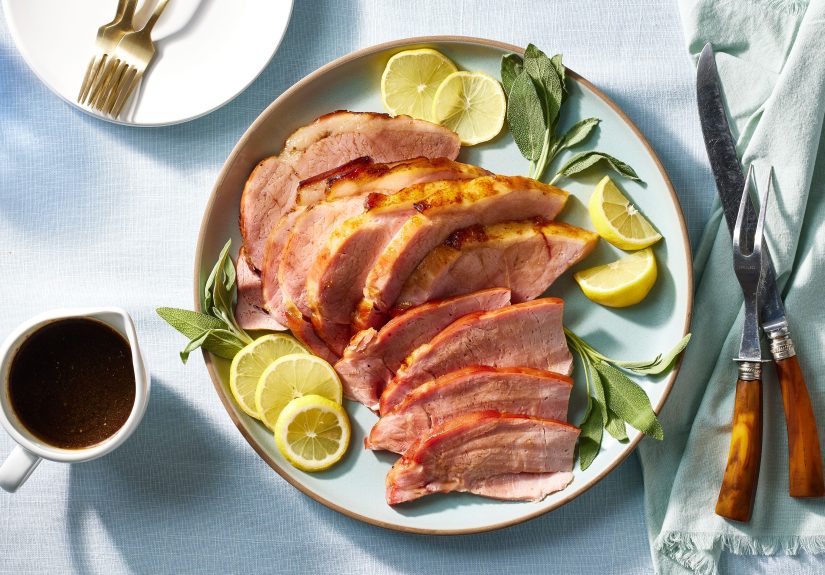
Even if you felt uncertain earlier, ham is forgiving. Once it rests and you start slicing, the rosy interior and shiny crust do most of the bragging for you. Bone-in ham tends to carve into prettier slices; spiral ham practically serves itself. Either way, the glaze is what people rememberbecause it hits sweet, smoky, tangy, and warm all at once. This is often the point where someone asks for “the recipe,” and you realize the method matters more than the exact measurements. Brown sugar + whiskey + mustard + a little acid, glaze late, don’t burn itdone.
7) Leftovers are where the ham becomes a lifestyle
The next-day experience is arguably the best part. A thin slice in a breakfast sandwich with egg and sharp cheddar? A diced handful in fried rice or split pea soup? Ham folded into mac and cheese like it owns the place? The glaze gives leftovers a head start because that caramelized exterior keeps flavor concentrated. If you saved extra glaze, warming a spoonful and brushing it onto reheated slices is a small trick that makes leftovers feel intentional, not accidental.
In short: expect a little stickiness, a lot of great smells, and a finish that looks fancy even if your process was “thermometer + foil + vibes.” That’s the magic of brown sugar and whiskey glazed hamit delivers maximum holiday energy with very manageable effort. And if someone compliments it, you are allowed to nod like you trained for this. Your oven knows the truth, but it won’t tell.