Table of Contents >> Show >> Hide
- What Is the Azmaya Tissue Box, Exactly?
- Why People Obsess Over Hinoki
- Design Details That Actually Matter
- How to Style an Azmaya Tissue Box Without Making It Weird
- Care and Cleaning: Keep the Wood Happy
- Buying Tips: What to Look For (and What to Expect)
- Alternatives if You Love the Idea, Not the Price Tag
- FAQs People Ask Before They Commit
- Real-Life Experiences With an Azmaya Tissue Box (500-ish Words, No Fluff)
There are two kinds of tissue boxes in this world: the kind that quietly does its job, and the kind that sits on your counter yelling “SEASONAL ALLERGIES!” in neon floral cardboard. The Azmaya tissue box is for people who would like their home to feel calm, even when their sinuses are staging a full-blown protest.
At first glance, it’s “just” a wooden tissue box holder. But spend a week with one and you’ll notice something oddly satisfying: the box disappears, the ritual remains. You still grab a tissue. You just don’t have to look at a crinkly carton advertising lavender dreams and a sweepstakes you didn’t enter.
What Is the Azmaya Tissue Box, Exactly?
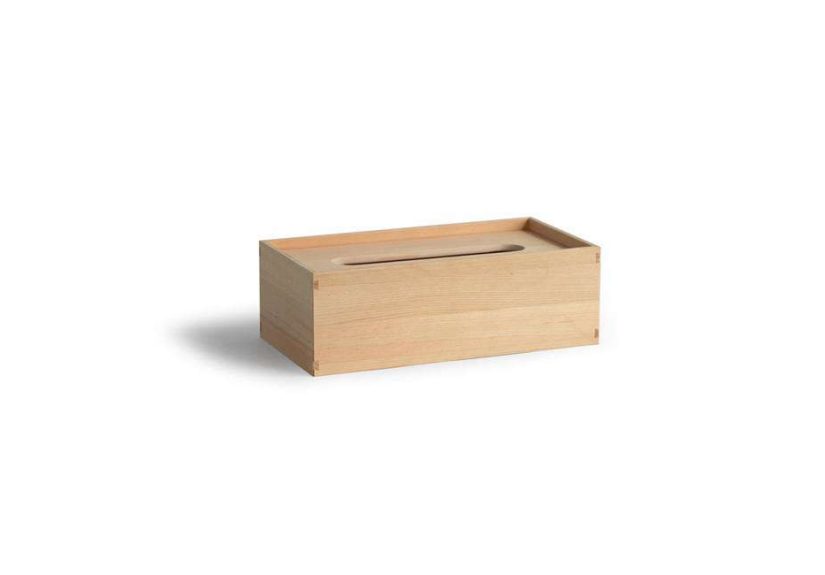
The Azmaya Tissue Box is a minimalist tissue box cover made by Azmaya, a Japanese maker known for everyday “tools” that lean heavily into natural materials and craftsmanship. The most talked-about versions are crafted from hinoki (Japanese cypress) and oak, turning a disposable household staple into a durable, display-worthy object.
The Hinoki (Japanese Cypress) Version
If you’ve ever walked into a Japanese spa or bath space and thought, “Wow, it smells like serenity,” you’ve met hinoki in spirit. Hinoki’s clean, evergreen aroma is part of the appeal, but so is its reputation for handling humid spaces better than many woods. That makes a hinoki tissue box cover a surprisingly practical choice for bathrooms, laundry rooms, or kitchensaka the Splash Zone.
The Oak Version
Prefer a slightly heavier, more grounded feel? The oak tissue box cover option is a natural fit for living rooms, offices, or bedrooms especially if you already have oak furniture or warmer-toned floors. Oak tends to read “classic” and “solid,” which is a nice vibe when you’re tearing through tissues like you’re auditioning for a melodrama.
Why People Obsess Over Hinoki
Hinoki isn’t just “a pretty wood.” It’s often chosen for bath and home goods because it’s known for a pleasant scent and for tolerating moisture better than many other woods when cared for properly. The grain is typically straight and refined, and the color deepens over time, which means your Azmaya tissue box doesn’t just sit thereit ages (gracefully, unlike some of us after daylight savings).
Another reason hinoki gets love: it’s frequently described as naturally resistant to mold and mildew in household-use contexts, which is exactly what you want if your tissue box lives near a sink. Is it a magic force field? No. But it’s one more reason it feels like a smart upgrade, not just a pretty one.
Design Details That Actually Matter
1) Hardware-Free Joinery: The “How Is This Held Together?” Effect
Azmaya’s tissue boxes are commonly described as being constructed without visible hardwareno nails, no obvious screwsleaning on traditional joinery methods. Functionally, this keeps the silhouette clean. Emotionally, it makes you want to pick it up and inspect it like a museum visitor.
2) A Lid That’s Simple (In a Good Way)
Most versions use a top cover that rests neatly on the box and allows easy refills. Practical bonus: designs like this can be forgiving about slight differences between tissue brands and box sizes. Translation: you don’t have to commit to the one tissue brand your grandparents bought in 1997.
3) Dimensions and Fit: Will It Work With Typical U.S. Tissue Boxes?
The commonly listed dimensions for the standard Azmaya Tissue Box are roughly 10 inches long, about 5 inches wide, and around 3 to 3.5 inches tall, depending on the retailer listing and rounding. In real life, that tends to work well with many standard rectangular tissue box refills sold in the U.S.
A simple hack before you buy: measure the tissue box you use most. If you’re loyal to a thicker “lotion tissue” box or a bulk-size brand, check length and width first. Minimalism is fun until your tissues don’t fit and you’re doing origami in the bathroom.
4) Weight and Stability: The Underrated Luxury
A tissue cover that slides around the counter is basically a tiny daily annoyance tax. The Azmaya designs are often listed with enough weight to stay put during one-handed pulls (important if the other hand is holding a coffee, a toddler, or your dignity).
How to Style an Azmaya Tissue Box Without Making It Weird
The goal isn’t to turn your tissues into a shrine. The goal is to make a necessary object look intentional. Here are easy, realistic ways to style a minimalist tissue box cover so it blends in while quietly upgrading the room.
Bathroom: Spa Energy on a Normal-People Budget
- Pair it with one natural material: a linen hand towel, a stone soap dish, or a small wood tray.
- Keep the palette calm: whites, creams, soft grays, muted greenslet the wood grain be the “pattern.”
- Placement tip: near the sink, but not where it’ll get direct splashes every time you wash your hands like you’re in a shampoo commercial.
Bedroom: Nightstand, But Make It Adult
- Set it next to a lamp and a small dish for jewelry or earbuds.
- If you love symmetry, mirror it with a small stack of books on the other side.
- Bonus: it makes late-night sniffles feel less like a tragedy and more like “a brief intermission.”
Living Room: The Sneaky Upgrade
- Place it on a coffee table tray with a candle and a coaster. Suddenly: curated.
- Match wood tones loosely, not perfectly. Similar warmth is enough.
- Let it be the “quiet object” among louder decor (art, textiles, plants).
Office: A Professional Look That Doesn’t Scream “I Have Feelings”
- Perfect beside a monitor stand or near a pen cup.
- Works especially well if your workspace leans Scandinavian, Japanese, or generally “I own one good chair.”
Care and Cleaning: Keep the Wood Happy
Wood is not high-maintenance, but it does appreciate a little respectlike a cat, but less judgmental. Basic care helps your Japanese cypress tissue box look better longer:
Everyday Cleaning
- Dust or wipe with a soft, dry cloth for daily upkeep.
- If needed, use a slightly damp cloth and dry it promptly.
- Avoid soaking or leaving it in standing water (it’s a tissue box, not a canoe).
Dealing With Bathroom Humidity
- Give it airflow: don’t trap it between wet bottles and a perpetually damp hand towel.
- If it gets wet, wipe and let it dry in a well-ventilated spot.
Over time, natural wood may deepen in color and develop a softer patina. Many people consider that part of the charmproof that an object is being used, not just photographed.
Buying Tips: What to Look For (and What to Expect)
Where People in the U.S. Commonly Find It
The Azmaya Tissue Box shows up most often through curated design and Japanese lifestyle retailers. Availability can come and go, and pricing can vary by wood type, exchange rates, and retailer positioning (translation: “design store math”).
Price Range Reality Check
Depending on the exact model (hinoki vs. oak) and the seller, you may see it listed roughly from the low hundreds into the $200 range. If you spot a dramatically cheaper listing from an unknown seller, double-check that it’s truly Azmaya and not a lookalike.
How to Avoid Buyer’s Remorse
- Measure your tissue boxes before ordering.
- Choose wood based on the room: hinoki for spa-like spaces, oak for warmer, classic rooms.
- Decide what “minimal” means to you: If you want invisible, go lighter hinoki; if you want presence, go oak.
Alternatives if You Love the Idea, Not the Price Tag
Not everyone wants to spend “nice dinner out” money on tissues, and that’s fair. If you’re after the vibe, here are a few alternatives:
DIY Tissue Box Glow-Up
DIY tutorials can get you surprisingly closepainted finishes, faux wood wraps, or even a glam gold-leaf moment if your home says “I like sparkle” more than “I meditate at dawn.” A DIY option can also be great if you need a custom size.
Textile Covers (Soft, Washable, Chill)
Linen or fabric covers work well for bedrooms and living rooms, especially if you want the tissue box to blend into bedding or upholstery. They’re also easier on kids and pets who interpret sharp corners as a personal challenge.
Ceramic or Stone Covers (Heavier, More Sculptural)
If you like the “object” aspect, ceramic and stone tissue box covers can feel like functional sculptureespecially in modern or eclectic spaces.
FAQs People Ask Before They Commit
Does the Azmaya tissue box fit most standard tissue refills?
The standard rectangular versions are commonly listed at around 10 inches long and about 5 inches wide, which typically aligns with many standard U.S. rectangular tissue box refills. Always measure your preferred brand to be safe.
Will the hinoki smell last forever?
The scent is usually strongest at first and may soften over time. Many owners still notice a gentle wood aroma, especially in smaller spaces like bathrooms or bedside areas.
Is hinoki really “antibacterial”?
Hinoki is widely described as having antimicrobial or antibacterial properties in the context of traditional and modern household use. Still, it’s best to think of it as a helpful material traitnot a substitute for cleaning.
Is it worth it?
If you love functional design, natural materials, and objects that quietly improve your day, yesit can feel worth it. If you view tissues as purely transactional and your decor style is “whatever was on sale,” you might be happier with a simpler cover or a DIY upgrade.
Real-Life Experiences With an Azmaya Tissue Box (500-ish Words, No Fluff)
The first “experience” is surprisingly emotional: you take the Azmaya tissue box out of the packaging, and your brain instantly assigns it the personality of a calm friend who drinks water and never starts drama. It doesn’t shout. It doesn’t sparkle. It just sits there like, “Hello. I am wood. I am here for your face problems.”
In the bathroom, the biggest change isn’t visualit’s behavioral. You stop hiding the tissue box. A normal cardboard box usually gets shoved behind a plant, under a shelf, or next to the “emergency floss” you never use. With the Azmaya cover, it can live on the counter without making the room feel cluttered. If your bathroom is small, that matters. The space feels more intentional, and you don’t get that subtle “I should tidy” guilt every time you walk in.
Another unexpected experience: it becomes a conversation starter. Not in a “party trick” way, but in a “Wait… why does your tissue box look expensive?” way. People notice natural materials. They notice craftsmanship. They also notice when a mundane thing looks quietly premium. (This is how you end up explaining hinoki to someone who just wanted to wash their hands.)
In the bedroom, the upgrade hits differently. Nightstands collect clutter like it’s their job, and tissues often look like medical supplies. Sliding a tissue refill into a wooden cover turns it into a normal bedside objectlike a lamp base or a small tray. It’s especially nice during allergy season, when tissues are basically part of your personality. Instead of the room looking like you’re auditioning for a cold medicine commercial, it looks like you’re… living. With style. While sneezing.
Over time, you also learn a practical truth: good weight is underrated. The cover doesn’t skid around when you pull a tissue with one hand. That sounds tiny, but tiny annoyances add up. This is the same category of joy as a pen that always works or a drawer that doesn’t stick. A well-made tissue box cover is a “micro-luxury”a small improvement you touch every day.
The final experience is the long-game satisfaction. Natural wood develops character. The grain becomes more familiar. The surface takes on a slight patina. And somehow, that makes the object feel more personalless like decor and more like a tool you trust. It’s not life-changing. But it is one of those upgrades that quietly whispers, “Your home can be calm, even when your nose is not.”