Table of Contents >> Show >> Hide
- Quick Overview: What You’re Actually Getting
- Why a Mortar & Pestle Still Beats “Just Throw It in the Blender”
- What Makes the Mason Cash Small Pestle & Mortar Different
- How to Use It Like You’ve Been Doing This Your Whole Life
- 7 High-Impact Things to Make with a Small Mason Cash Mortar & Pestle
- Cleaning & Care: Keep the Flavor, Lose the Funk
- Small Mortar vs. Big Mortar: Which One Fits Your Cooking Life?
- Is the Mason Cash Small Pestle & Mortar Worth It?
- Final Thoughts: Small Tool, Big Flavor Payoff
- Real-World Experiences: of “This Is How It Actually Feels to Use One”
Some kitchen tools shout for attention (looking at you, air fryer). A small mortar and pestle just quietly makes everything taste betterthen slips back into the cabinet like it didn’t just upgrade your dinner. The Mason Cash Small Pestle & Mortar is that kind of tool: compact, classic, and built for the kind of “I cook from scratch… sometimes” reality most of us live in.
In this guide, we’ll break down what makes the Mason Cash set special, what it’s best at, how to use it without launching peppercorns into low Earth orbit, and the kinds of recipes where it earns its counter space. (Spoiler: it’s not just for pesto. It’s also for “why does my store-bought spice blend taste like cardboard?” emergencies.)
Quick Overview: What You’re Actually Getting
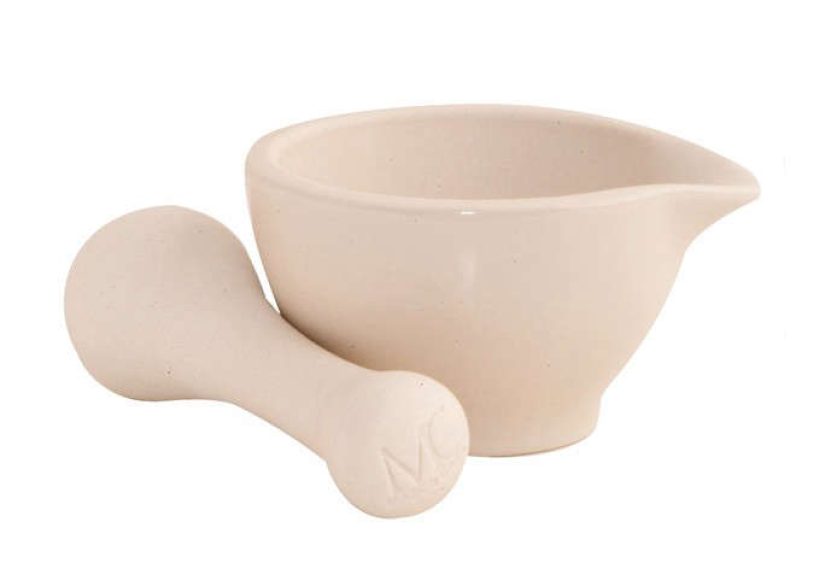
Mason Cash’s “small” pestle and mortar is designed for everyday grinding and crushingespecially when you want better flavor and more control than an electric grinder gives you. “Small” here means counter-friendly, not “toy.”
Key specs and design details
- Capacity: about 11 fl oz (roughly 0.34 qt), ideal for small batches.
- Dimensions (approx.): mortar around 5" wide and 4.5" deep, about 3.3" tall; pestle about 5.9" long with a comfortable grip.
- Material: ceramic/stoneware with a glazed exterior and an unglazed interior grinding surface.
- Texture strategy: the inside is intentionally unglazed to create friction for better grinding; the outside is glazed for easier wipe-down.
- Style: classic “Heritage” look with brand markings that nod to Mason Cash’s long history.
Why a Mortar & Pestle Still Beats “Just Throw It in the Blender”
The mortar and pestle is one of the oldest cooking tools on Earth, and it’s still around because it solves a very modern problem: you want maximum flavor without over-processing.
Blenders and grinders cut fast, but they can heat ingredients slightly, pulverize them too uniformly, or smear delicate herbs into green sadness. Mortar-and-pestle work is slower, surebut it’s also gentler. Crushing breaks cell walls and releases aromatic oils in a way that often tastes more vivid, especially with herbs, garlic, citrus zest, and whole spices.
Another underrated advantage: texture control. Want peppercorns cracked, not dusted into powder? Want pesto rustic, not baby food? With a mortar and pestle, you decide when to stop. No “Oops, I blinked and now it’s paste.”
What Makes the Mason Cash Small Pestle & Mortar Different
Plenty of mortar-and-pestle sets exist. Mason Cash’s twist is simple and smart: combine a durable ceramic/stoneware body with a purposefully unglazed interior. That rougher interior gives you the “grip” you need for grinding, while the glazed outside is easier to clean and handle.
Unglazed inside = better friction
If you’ve ever tried to grind cumin seeds in a super-smooth bowl, you know the pain: they skate around like they’re auditioning for a figure-skating team. The Mason Cash interior is meant to keep ingredients in place and help the pestle bite into them.
Glazed outside = less mess, fewer “mystery stains”
The exterior glaze helps with cleanup and day-to-day handling. If your kitchen tools tend to live out in the open, this is a nice bonus: it looks intentional rather than “I left my rock bowl on the counter again.”
Small size, practical capacity
This is a great size for:
- Grinding a tablespoon or two of whole spices
- Smashing garlic into a paste
- Making small-batch pesto, chimichurri, or herb rubs
- Building flavor bases (garlic + salt + zest + herbs) for marinades
If you routinely make curry paste for a crowd or mash a mountain of avocado, you may want a larger stone mortar (or a molcajete). But for everyday cooking, “small” is often exactly rightespecially if you don’t want to store another bowling ball in your cabinet.
How to Use It Like You’ve Been Doing This Your Whole Life
Here’s the secret: a mortar and pestle works best when you stop thinking “pound” and start thinking “press and grind.” Yes, you can do some controlled poundingbut most of the magic is a firm, circular motion that crushes ingredients against the base and sides.
Technique 1: Dry spices (peppercorns, cumin, coriander, fennel)
- Start small: 1–2 tablespoons is plenty for a small mortar.
- Optional flavor boost: toast whole spices briefly in a dry pan, then cool completely.
- Crack first, then grind: a few short presses to break them up, then a steady circular grind for finer texture.
- Stop early on purpose: slightly coarse spices can taste more aromatic than powder.
Technique 2: Garlic paste (the gateway drug)
Add peeled garlic cloves plus a pinch of kosher salt. The salt acts like tiny abrasive crystals, helping the garlic break down faster. Grind until smooth and paste-like. This is the base for sauces, dressings, marinades, and “how did this taste so good with so few ingredients?” moments.
Technique 3: Fresh herb pastes (pesto, chimichurri, green rubs)
Herbs crush more easily when they have a little help. Try:
- Salt (again: helpful abrasive)
- A splash of oil to lubricate the grind once herbs start breaking down
- Small additions, so you don’t overflow the bowl
For pesto-style sauces, you can grind garlic and salt first, then add herbs gradually, then nuts, then cheese, then oil. The result is textured and aromaticless “smooth green dip,” more “I can taste basil and garlic separately, in a good way.”
7 High-Impact Things to Make with a Small Mason Cash Mortar & Pestle
1) Toasted cumin & coriander “upgrade dust”
Toast equal parts cumin and coriander seeds, cool, grind coarsely, and sprinkle on roasted vegetables, eggs, or yogurt. It tastes like you tried harder than you did. (We love that for you.)
2) Garlic-lemon-herb paste for chicken or shrimp
Smash garlic with salt, add lemon zest, then grind parsley/oregano (or whatever herbs you have), then loosen with olive oil. You get a fragrant paste that clings to protein better than chopped herbs ever will.
3) Small-batch pesto (classic or “whatever’s in the fridge”)
Basil is classic, but you can use arugula, parsley, spinach, or even carrot tops. The mortar method keeps it pleasantly rustic. Great for pasta, sandwiches, roasted potatoes, or pretending you’re in a sunlit Italian kitchen instead of answering emails.
4) Chili-lime salt
Grind flaky salt with lime zest and dried chili. It’s fantastic on popcorn, fruit, grilled corn, or the rim of a cocktail glass. This alone can justify owning a mortar and pestle.
5) Quick curry-ish paste (small batch)
For a simple version: smash garlic + ginger + salt, add ground spices (or crush whole spices first), and finish with a little oil. If you want ultra-smooth curry paste for a big pot, a food processor may be fasterbut for a weeknight sauté, the mortar is plenty.
6) Peppercorn steak rub without turning it into dust
Crush peppercorns just until cracked. Mix with salt and a little brown sugar or smoked paprika. Your goal is texturetiny bursts of peppernot powder.
7) Rustic salad dressing base
Smash garlic (or anchovy, if you’re feeling bold), add salt, pepper, mustard, then whisk in vinegar and oil right in the mortar. Fewer dishes. Better flavor. This is what we call “kitchen math.”
Cleaning & Care: Keep the Flavor, Lose the Funk
Cleaning rules depend on material. Porous stone mortars (like molcajetes) often need gentler care. For the Mason Cash stoneware/ceramic style, the glazed exterior is straightforward, and the unglazed interior is designed to handle grinding. The key is to avoid letting strong odors live there rent-free.
Everyday cleaning routine
- Scrape it out immediately after use (especially oily herbs).
- Rinse with warm water and use a brush or non-metal scrubber to lift residue from the unglazed interior.
- Dry completely before storing to avoid stale odors.
Dishwasher or hand wash?
You may see different guidance depending on the seller listing. Some sources recommend hand washing, while others say it can go on the top rack of the dishwasher. If you want the safest, simplest plan: hand wash, especially if you’re trying to keep the finish and markings looking sharp for years.
De-odorizing trick for garlic enthusiasts
If the interior holds onto garlic or spice aromas, grind a spoonful of uncooked rice (or coarse salt), discard, then rinse and dry. It’s a simple way to “reset” the interior without harsh chemicals.
Small Mortar vs. Big Mortar: Which One Fits Your Cooking Life?
A small mortar and pestle is a daily-driver tool. A giant one is more like a specialty vehicleamazing when you need it, but maybe not what you want to park in your kitchen every day.
| Task | Mason Cash Small Pestle & Mortar | Better with a Larger Stone Mortar/Molcajete |
|---|---|---|
| Crushing small batches of spices | Excellent | Also great, but not necessary |
| Garlic paste, herb pastes, quick marinades | Excellent | Only needed for big batches |
| Pesto for 1–2 meals | Very good (rustic texture) | Better for large-batch pesto parties |
| Guacamole for a group | Possible, but you’ll do batches | Ideal |
| Curry paste for a big pot | Works for small amounts | Ideal (or use a food processor) |
Is the Mason Cash Small Pestle & Mortar Worth It?
If you like cooking with whole spices, fresh herbs, garlic, and citrusand you want better flavor without buying another electric gadgetthis is a strong pick. The combination of an unglazed grinding surface and a glazed exterior is practical, and the size makes it easy to actually use often.
You’ll probably love it if you…
- Want fresher-tasting spice blends
- Make garlic paste, herb rubs, pesto, or quick sauces regularly
- Prefer tools that don’t require a user manual and a charging cable
- Have limited storage and want a mortar you’ll actually keep accessible
You may want a different option if you…
- Frequently make large batches of curry paste, guacamole, or pesto
- Want the heaviest possible mortar for maximum stability (granite can win here)
- Prefer an ultra-smooth interior (note: smooth interiors can be less effective for grinding)
Final Thoughts: Small Tool, Big Flavor Payoff
The Mason Cash Small Pestle & Mortar is for cooks who want a simple, classic way to make food taste more alive. It’s not a novelty. It’s a “why didn’t I buy this sooner?” toolespecially once you taste freshly crushed spices or a garlic paste that doesn’t come from a jar.
If your goal is to cook more from scratch without turning your kitchen into an appliance showroom, this is the kind of purchase that quietly changes how you cookone crushed clove of garlic at a time.
Real-World Experiences: of “This Is How It Actually Feels to Use One”
Let’s talk about the part no product page can quite capture: the experience of a small mortar and pestle in a real kitchen. Not a fantasy kitchen with unlimited counter space and natural lightan actual kitchen where someone is asking what’s for dinner while you’re trying to remember if you already salted the pan.
First experience: you put whole spices in the bowl and realize you’re doing something wonderfully old-school. It feels a little ceremonial. You’re not pressing a button and walking away. You’re participating. After about 20 seconds of grinding, the spices start smelling louder. Peppercorns go from “generic spicy” to “woah, that’s floral.” Cumin becomes warm and nutty instead of dusty. It’s a tiny thrilllike finding five bucks in your winter coat pocket, except the five bucks is flavor.
Second experience: garlic paste. This is the moment a lot of people become mortar-and-pestle people. A pinch of salt, a couple cloves, and suddenly the garlic transforms from slippery chunks into a smooth paste that blends into sauces and dressings like it was born for the job. Also, you didn’t need to drag out a cutting board, and your knife didn’t turn into a garlic-scented time capsule for the next 48 hours. Love that.
Third experience: you learn the “small mortar rule.” If you overfill it, ingredients pop out like they’re trying to escape a tiny ceramic volcano. So you work in smaller additions, which feels slower for exactly one dayuntil you realize it’s actually faster than cleaning a food processor and hunting down the lid that vanished into another dimension.
Fourth experience: texture control becomes a superpower. Want a coarse spice rub for steak? Stop early. Want a finer powder for baking? Keep going. Want pesto that tastes like basil and not like “green”? Grind until it’s a paste, not a purée. You start making little decisions that add up to better food, and it feels weirdly satisfyinglike you’re the director of a tiny, delicious movie.
Fifth experience: cleanup is… surprisingly reasonable. For a small stoneware/ceramic mortar, a quick rinse and a brush usually handles it. When you make something oily and fragrant (hello, garlic + herbs), you might notice the interior holds onto aromas a bit longer. That’s when the rice trick earns its keep: grind, dump, rinse, dry, done. It’s not glamorous, but neither is waking up to a mortar that smells like yesterday’s curry.
And finally: you start leaving it on the counter. Not because it’s “decor,” but because you actually use it. It becomes part of your rhythm: crush, grind, taste, adjust. A small mortar and pestle doesn’t just make food betterit makes cooking feel more hands-on, more confident, and honestly more fun. Which is impressive for a tool that, at its core, is just “bowl + stick.” (But wow, what a stick.)