Table of Contents >> Show >> Hide
- Why Separating Sand and Salt Works
- What You’ll Need
- Safety First (Quick, Not Scary)
- How to Separate Sand and Salt: 11 Steps
- Step 1: Set up your workspace
- Step 2: (Optional) Weigh the sand-and-salt mixture
- Step 3: Add water to dissolve the salt
- Step 4: Stir thoroughly (and be patient)
- Step 5: Let the sand settle
- Step 6: Pour the mixture through a filter
- Step 7: Rinse the sand to recover “hidden” salt
- Step 8: Dry the sand
- Step 9: Transfer the salt solution to an evaporation dish
- Step 10: Evaporate the water to recover the salt
- Step 11: Dry, collect, and (Optional) calculate recovery
- How to Get Cleaner Results (Without Becoming a Full-Time Chemist)
- Common Mistakes (And How to Avoid Them)
- Quick FAQ
- Conclusion
- Experiences: What It’s Like to Do This in Real Life (And Why It Sticks With You)
- SEO Tags
You’ve got a gritty, crunchy mystery mix: sand and salt hanging out together like they paid for one ticket.
The good news? This is one of the cleanest, most satisfying “science magic” tricks out therebecause it’s not magic.
It’s solubility, plus a couple of classic separation techniques (filtration and evaporation).
Whether you’re doing a school lab, a DIY science demo, or you just want to prove to someone that you remember
chemistry better than your group chat thinks you do, this guide walks you through 11 clear steps to separate
sand and salt safely and effectivelyplus practical tips to get cleaner results and avoid the classic “oops, I lost half my salt” moment.
Why Separating Sand and Salt Works
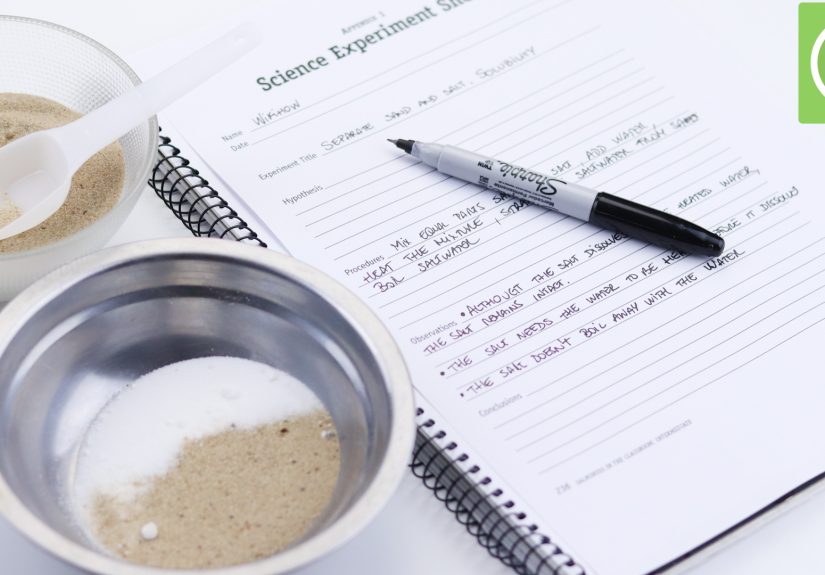
Sand and salt are a solid-solid mixture, but they behave very differently in water:
- Salt (sodium chloride) dissolves in water, forming a salt solution.
- Sand does not dissolve in water, so it stays solid.
That difference lets you dissolve the salt, physically trap the sand with a filter, then remove the water to get the salt back.
Simple idea, strong resultslike the friend who says “I’ll be there in 5” and actually means it.
What You’ll Need
Lab-style supplies (best for accuracy)
- Beakers or heat-safe containers (2–3)
- Water (distilled if you want cleaner salt crystals)
- Glass stirring rod or spoon
- Funnel + filter paper (or a coffee filter in a pinch)
- Evaporating dish (or a wide, heat-safe bowl)
- Hot plate (preferred) or a carefully controlled heat source
- Balance/scale (optional, but great for “percent composition” calculations)
- Safety goggles, heat protection (oven mitts or heat-resistant gloves)
At-home substitutes
- Two bowls or jars
- Coffee filters + a strainer/funnel
- Saucepan (for gentle evaporation) and a stove burner set low
Safety First (Quick, Not Scary)
- Wear eye protection if you’re heating liquids (splashes happen fast).
- Use heat-safe glassware and check for chips/cracks before heating.
- Never heat a sealed container (pressure builds; drama follows).
- Keep flammables and clutter away from the heat source.
- Let hot equipment cool before moving it“looks cool” and “is cool” are not the same.
How to Separate Sand and Salt: 11 Steps
-
Step 1: Set up your workspace
Clear a stable surface. Lay down paper towels if you like easy cleanup. Place your containers, filter setup,
and evaporation dish within reach. This is the “mise en place” of chemistry. -
Step 2: (Optional) Weigh the sand-and-salt mixture
If you want measurable results, record the total mass of your mixture (for example, 20.0 g). This lets you
calculate how much sand and salt you recovered and estimate your percent error. -
Step 3: Add water to dissolve the salt
Put the mixture in a beaker or bowl. Add a modest amount of waterenough to cover the solids with extra room to stir.
Salt dissolves in water; sand won’t. You don’t need to flood it like a backyard pool. -
Step 4: Stir thoroughly (and be patient)
Stir for 1–2 minutes, scraping the bottom gently. The goal is to dissolve as much salt as possible.
If you stop too soon, you’ll “trap” salt crystals in the sand and lose yield.Tip: Warm water (not boiling) can help salt dissolve faster, but it’s not required.
-
Step 5: Let the sand settle
Pause for 30–60 seconds. Sand settles toward the bottom, while the salty water stays above.
This makes pouring easier and reduces how much sand clogs your filter. -
Step 6: Pour the mixture through a filter
Place a funnel lined with filter paper over a clean container. Pour slowly.
The salty water (filtrate) passes through; the sand stays behind in the filter (residue).If you’re using a coffee filter, it may drain slowly. That’s normalcoffee filters are built for patience and caffeine,
not speed. -
Step 7: Rinse the sand to recover “hidden” salt
This step is the difference between “it worked” and “chef’s kiss.” Add a small amount of clean water to the sand in the filter.
Let it drain through. This wash pulls any leftover salt solution out of the sand.Do 1–2 rinses with small volumes rather than one huge rinse. You want to recover salt, not create an ocean.
-
Step 8: Dry the sand
Carefully transfer the sand to a clean dish or paper towel and let it air-dry. If you’re in a lab, you can use gentle warmth,
but don’t rush: wet sand can fool your scale and make it look like you recovered more “sand” than you really did. -
Step 9: Transfer the salt solution to an evaporation dish
Pour your filtrate (the saltwater) into a wide evaporation dish or shallow pan. A wider surface area helps water evaporate faster.
Covering with a watch glass or lid slightly ajar can reduce splatter while still letting water escape. -
Step 10: Evaporate the water to recover the salt
Heat gently. You’re aiming for steady evaporation, not a rolling boil that can spit droplets and send salt on an unscheduled field trip.
As the water evaporates, salt crystals will begin to form.Stop heating when most of the water is gone and crystals are visible, then let the dish cool. Residual warmth will finish drying.
Overheating can cause popping and loss of product. -
Step 11: Dry, collect, and (Optional) calculate recovery
Once fully dry and cool, scrape the salt crystals into a container. If you weighed the original mixture, weigh the dried sand and dried salt.
Ideally:- Recovered sand mass + recovered salt mass ≈ starting mixture mass
- Small differences happen because of transfer losses, moisture, and tiny particles stuck in filters.
Example: If you started with 20.0 g mixture, recovered 12.1 g sand and 7.6 g salt, your total recovery is 19.7 g.
That’s pretty solid for a basic separation.
How to Get Cleaner Results (Without Becoming a Full-Time Chemist)
Use smaller rinses, not bigger ones
A little rinse water recovers salt efficiently. A huge rinse recovers salt too… but gives you a much larger volume to evaporate,
which takes longer and increases the chance of bumping, splashing, or impatient choices.
Don’t skip the settling pause
Letting sand settle before filtering reduces clogging and keeps sand from sneaking into your filtratebecause nobody wants “crunchy salt.”
Control the heat
Gentle heat is your best friend. Aggressive boiling can spit, bump, and scatter crystals. Think “warm breeze,” not “mini geyser.”
Want even purer salt? Try slow crystallization
Instead of boiling off all the water, you can evaporate part of it and let the rest crystallize slowly as it cools.
Larger crystals can form, and you may leave some impurities behind in the remaining liquid.
Common Mistakes (And How to Avoid Them)
-
Mistake: Not stirring long enough.
Fix: Stir until you no longer see obvious salt grains and the liquid tastes… just kidding, do not taste lab mixtures.
Stir until dissolution is consistent and the mixture looks uniform. -
Mistake: Pouring too fast into the filter.
Fix: Pour slowly, especially at the end, so sand stays in the filter instead of slipping around the edges. -
Mistake: Using too much rinse water.
Fix: Use small, repeated rinses to keep evaporation time reasonable. -
Mistake: Heating too hard during evaporation.
Fix: Lower the heat, use a wider dish, and be patient. Salt will still be there; it’s famously clingy. -
Mistake: Weighing before fully dry.
Fix: Let sand and salt cool and dry completely. Warm items can also cause scale drift from rising air currents.
Quick FAQ
Can I separate sand and salt without filtering?
Sort of. You can decant (carefully pour off the salty water after sand settles), but fine sand often follows.
Filtration is more reliable if you want clean separation.
Does it matter what type of salt or sand I use?
Table salt dissolves well. Coarse salt may take longer. Very fine sand can clog filters and pass through cheap paper;
a tighter filter or double-layer coffee filter helps.
What’s the main scientific concept here?
Solubility (salt dissolves, sand doesn’t), plus filtration (separating an insoluble solid) and
evaporation/crystallization (recovering a dissolved solid).
Conclusion
Separating sand and salt is one of those experiments that feels oddly satisfying because it’s so logical:
dissolve what can dissolve, filter what can’t, then evaporate to bring the dissolved part back.
Follow the 11 steps, take your time with rinsing and gentle heat, and you’ll end up with two separate materials
no fancy chemistry degree required, just a little care and a lot less splashing than your instincts might suggest.
Experiences: What It’s Like to Do This in Real Life (And Why It Sticks With You)
If you’ve ever done this experiment in a classroom, you probably remember the moment it “clicked.” At first, the sand-and-salt mix
looks like one stubborn substance: gritty, granular, and determined to stay together. Then you add water, and suddenly the mixture changes
personality. The salt doesn’t disappear exactlybut it stops being “visible salt” and becomes part of the water. It’s a weirdly satisfying
lesson in how something can still exist even when you can’t see it.
The stirring part is where most people learn their first lab-life truth: the process doesn’t care that you’re in a hurry. You can stir for
ten seconds and convince yourself it’s “fine,” but later you’ll notice tiny salty clumps still buried in the sand like hidden treasure.
The smart move is to stir a bit longer than you think you need. It feels like overkilluntil you compare results with someone who rushed
and ends up with “sand” that tastes suspiciously… well, still not tasting it, but you get the idea.
Filtering is usually the dramatic moment. Someone pours too quickly, the filter paper shifts, and suddenly you’ve got sand in your filtrate.
That’s when people discover that “slow and steady” isn’t just a motivational poster sloganit’s a real technique. When you pour carefully,
you can actually watch the separation happen: clear-ish saltwater dripping into the container while the sand stays put, like it finally accepted
its role in the experiment.
The rinse step often feels optional to beginners (it isn’t). In real lab settings, rinsing is where you rescue the salt you would otherwise lose.
This is also where you learn another practical truth: a little bit of water can do a lot. A small rinse can free trapped salt solution without
creating a huge volume you’ll regret evaporating later. People who do one massive rinse often spend the rest of the class waiting for evaporation,
staring at a dish like it’s going to evaporate faster if they make intense eye contact.
Evaporation is the “watching paint dry” phaseexcept paint doesn’t sometimes sputter at you. Gentle heat is the best experience because it feels controlled.
You see tiny crystals start to appear at the edges first, then spread inward. It’s like the salt is returning in slow motion, forming a thin crust and then
a sparkly patchwork. If you crank the heat too high, the experience turns into a pop-and-splatter situation, and you learn quickly why labs keep talking
about goggles and why “boiling hard” is not the same as “working efficiently.”
The final momentscraping dry salt crystals and comparing them to the original mixturegives you that satisfying “I made order out of chaos” feeling.
Even at home, it’s surprisingly educational. You start noticing how much product can cling to containers, how much is lost when you transfer between bowls,
and how important it is to let things dry completely before judging your results. It’s also one of those experiments that quietly improves your patience.
You can’t rush settling. You can’t bully the filter into draining faster without making a mess. You can’t evaporate water instantly unless you want to
lose material. And that’s the point: it’s hands-on proof that careful steps beat fast steps in most real processes.
People also tend to remember this experiment because it’s relatable. It uses everyday materialssalt, sand, waterand shows that “separation science” isn’t
some distant industrial concept. It’s the same idea behind brewing coffee (filtering), getting clean water (filtration and evaporation methods), and even
cooking reductions (evaporation). Once you’ve watched salt reappear as crystals, you start spotting the same principles everywhere, which makes you feel
like you’ve unlocked a small superpower: the ability to look at a messy mixture and confidently say, “Yeah, we can separate that.”