Table of Contents >> Show >> Hide
- What is cholecystitis and why does it happen?
- Why cholecystectomy is often the best treatment for cholecystitis
- Types of cholecystectomy: laparoscopic vs. open
- What happens before and during surgery?
- Risks and possible complications
- Recovery after cholecystectomy
- Eating and living without a gallbladder
- Is cholecystectomy right for you?
- Real-life experiences and practical tips after cholecystectomy
- Bottom line
If your gallbladder has turned into a tiny, inflamed drama queen thanks to gallstones, your doctor may recommend a
cholecystectomy surgery to remove the gallbladder. For many people with cholecystitis
(gallbladder inflammation), this procedure is the safest and most effective way to stop the pain, prevent serious complications,
and get life back on track.
In this guide, we’ll walk through why cholecystectomy is used for cholecystitis, what actually happens in the operating room,
the difference between laparoscopic and open surgery, possible risks, and what recovery and life after gallbladder removal
really look like.
What is cholecystitis and why does it happen?
Your gallbladder is a small, pear-shaped organ tucked under your liver. Its main job is to store bile, a digestive fluid that
helps break down fats. When things go smoothly, you barely know it exists. When things go wrong, you definitely know.
Cholecystitis is inflammation of the gallbladder, most often caused by gallstones that block the cystic duct,
trapping bile inside the gallbladder. That trapped bile builds pressure, irritates the gallbladder lining, and triggers pain
and inflammation.
Common symptoms of cholecystitis
- Sharp or steady pain in the upper right or middle upper abdomen, often after eating fatty foods
- Pain that may radiate to the right shoulder or back
- Nausea and vomiting
- Fever and chills (a red flag for infection)
- Sometimes jaundice (yellowing of skin or eyes) if bile flow is blocked
Cholecystitis can be acute (sudden and severe) or chronic (repeated attacks that gradually damage
the gallbladder). In both cases, if gallstones and inflammation keep causing trouble, cholecystectomy is often recommended
as definitive treatment.
Why cholecystectomy is often the best treatment for cholecystitis
When cholecystitis is mild, doctors may first calm things down with:
- Intravenous fluids and pain control
- Antibiotics if infection is suspected
- Fasting (no food) to rest the gallbladder
But here’s the important part: if gallstones are the cause and they usually are the attacks tend to come back. Medications
to dissolve gallstones or break them up are rarely a long-term solution, and they’re not appropriate for most people. Surgical
removal of the gallbladder is considered the definitive treatment for recurrent or complicated cholecystitis.
Benefits of cholecystectomy for cholecystitis
- Stops repeated gallbladder attacks and emergency room visits
- Reduces risk of serious complications like gallbladder rupture, abscess, or severe infection
- Prevents future gallstone-related problems such as pancreatitis or bile duct obstruction
- For most people, offers lasting relief with no need for another gallbladder surgery later
For these reasons, guidelines increasingly favor early cholecystectomy during the same hospital stay for acute
calculous cholecystitis, often within 72 hours to about 10 days from symptom onset when possible.
Types of cholecystectomy: laparoscopic vs. open
There are two main approaches to gallbladder removal:
1. Laparoscopic cholecystectomy (keyhole surgery)
This is the modern standard for gallbladder removal and the approach most people have. Surgeons make several small incisions in
your abdomen and insert a tiny camera (laparoscope) and slim instruments to remove the gallbladder.
Key features of laparoscopic cholecystectomy:
- General anesthesia (you’re fully asleep)
- Usually 3–4 small incisions
- Carbon dioxide gas is used to gently inflate the abdomen for better visibility
- The gallbladder is detached from the liver and cystic duct and removed through one incision
- Most people go home the same day or after one night in the hospital
Laparoscopic gallbladder removal generally means less pain, smaller scars, a shorter hospital stay, and faster return to normal
activities compared with open surgery.
2. Open cholecystectomy
Open surgery uses a larger incision (usually 4–6 inches) in the upper right abdomen. It’s less common now but may be necessary if:
- You have severe inflammation, scarring, or anatomic variations that make laparoscopic surgery unsafe
- There’s significant bleeding or poor visibility during laparoscopy
- There’s concern about complications such as bile duct injury
Open cholecystectomy usually requires a longer hospital stay and a longer recovery often 4–6 weeks before heavy lifting and
full activities are allowed.
What happens before and during surgery?
Preoperative evaluation
Before surgery, your health care team will:
- Review your medical history, medications, and allergies
- Order blood tests and imaging (like ultrasound) to confirm gallbladder disease and rule out other conditions
- Discuss the anesthesia plan and any special risks based on your health
- Review fasting instructions and which medications to stop or adjust
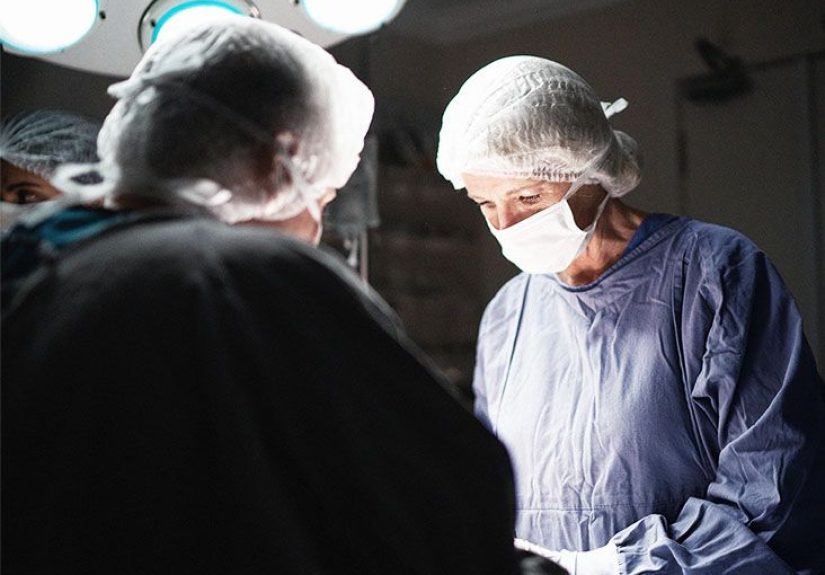
In the operating room
On surgery day, you’ll receive general anesthesia so you’re asleep and pain-free. For laparoscopic cholecystectomy:
- Small incisions are made in the abdomen.
- A camera is inserted to give the surgeon a full view of your gallbladder and bile ducts.
- The cystic duct and cystic artery are clipped and divided.
- The gallbladder is separated from the liver bed and removed.
- The surgeon may perform an imaging test (such as intraoperative cholangiography) to check for bile duct stones or injury.
- The instruments are removed, gas is released, and the incisions are closed with sutures, staples, or surgical glue.
Most laparoscopic cholecystectomies take about an hour, but time can vary depending on how inflamed or scarred the area is.
Risks and possible complications
Cholecystectomy is considered a safe and common surgery, but like any operation, it carries risks. The overall
risk of serious complications is low, especially in experienced hands, but it’s important to understand the possibilities.
General surgical and anesthesia risks
- Bleeding
- Infection at the incision sites
- Blood clots
- Reactions to anesthesia
Gallbladder-specific risks
-
Bile duct injury: Injury to the main bile ducts is one of the most serious complications. Studies suggest
bile duct injury occurs in about 0.4–0.7% of laparoscopic cholecystectomies, which is higher than with traditional open surgery but
still uncommon. -
Bile leakage: Bile can leak from the cystic duct stump or small accessory ducts. Many leaks can be treated with
minimally invasive procedures such as ERCP (endoscopic retrograde cholangiopancreatography). -
Retained stones: Gallstones that remain in the common bile duct can cause pain, jaundice, or pancreatitis and may
require removal by ERCP or additional surgery. - Injury to nearby organs: Rarely, the intestine, liver, or blood vessels can be damaged and may need repair.
Postcholecystectomy syndrome
Some people continue to have abdominal pain, bloating, or digestive symptoms even after surgery a group of issues often referred
to as postcholecystectomy syndrome. Causes can include leftover stones, bile duct problems, or non-gallbladder
digestive disorders that were present all along. A careful evaluation is needed to identify and treat the underlying cause.
Very long-term, some studies suggest that gallbladder removal may slightly increase the risk of certain conditions such as
non-alcoholic fatty liver disease or colorectal cancer, but these findings are still being studied and don’t outweigh the benefits
of surgery when it’s clearly needed.
Recovery after cholecystectomy
Recovery time depends on your overall health, how inflamed the gallbladder was, and whether your surgery was laparoscopic or open.
Right after surgery
- You’ll wake up in the recovery room with monitors checking your blood pressure, heart rate, breathing, and pain.
- Your throat may feel sore from the breathing tube, and your abdomen may feel bloated from the gas used in laparoscopic surgery.
- Most people can drink clear fluids fairly soon and advance their diet as tolerated.
Going home and short-term recovery
For laparoscopic cholecystectomy:
- Many people go home the same day or after one night in the hospital.
- Light activities are often possible within a few days.
- Most people return to normal daily activities in about 1–2 weeks, though heavy lifting may need to wait longer.
For open cholecystectomy:
- Hospital stay is typically longer, often several days.
- Full recovery (including lifting and strenuous activity) can take 4–6 weeks or more.
Pain and wound care
- Incision pain is usually manageable with prescribed or over-the-counter pain medications.
- You may have shoulder pain from residual gas in the abdomen after laparoscopy; walking and gentle movement can help.
- Keep incision sites clean and dry and follow your surgeon’s instructions for showering and dressing changes.
- Watch for signs of infection: increasing redness, swelling, discharge, or fever.
Eating and living without a gallbladder
Here’s some good news: you don’t need a gallbladder to digest food. Your liver still makes bile; it just drips
directly into your small intestine instead of being stored and released in bursts.
Many people go back to eating a fairly normal diet after a cholecystectomy, though some notice changes in how they handle fatty or
greasy foods, especially in the first weeks to months after surgery.
Common short-term digestive changes
- Looser stools or mild diarrhea
- Urgency after eating
- Bloating or gas, particularly after high-fat meals
These symptoms often improve over time as your body adapts. If they’re severe or persistent, talk with your health care provider;
they may recommend medications or diet adjustments.
Practical diet tips after gallbladder removal
- Start with small, frequent meals instead of large, heavy ones.
- Choose lean proteins (fish, poultry, beans) and high-fiber foods (vegetables, fruits, whole grains).
- Limit fried foods, very fatty cuts of meat, full-fat dairy, and heavy sauces at first.
- Add new foods gradually and pay attention to how your body responds.
Some research suggests that long-term diet quality still matters after cholecystectomy maintaining a balanced, plant-forward diet
and healthy weight helps support your liver, digestion, and overall health.
Is cholecystectomy right for you?
The decision to proceed with gallbladder removal for cholecystitis depends on:
- How severe your symptoms are
- Whether you’ve had repeated attacks
- Your age and overall health
- Whether you have complications like gallbladder perforation, abscess, or pancreatitis
- Your personal preferences after understanding the risks and benefits
For most people with symptomatic gallstones and cholecystitis, especially if symptoms are recurrent or severe,
cholecystectomy is strongly recommended because the benefits of preventing future attacks and complications usually outweigh the risks.
However, this article can’t replace individualized medical advice. Your surgeon is the best person to help you weigh what’s right
for you based on your health history, imaging results, and overall risk profile.
Real-life experiences and practical tips after cholecystectomy
Although every person’s story is different, many experiences after gallbladder removal share common themes. The details below are
based on typical patterns reported in clinical follow-up and patient education materials, not on any one specific patient.
The first week: “Did someone park a truck on my abs?”
In the first few days after surgery, it’s normal to feel sore and tired. People often describe a pulling or tight feeling around
the incisions, especially when getting in and out of bed, standing up, or laughing so yes, even watching a comedy special can
become an abdominal workout.
Walking, even short trips to the bathroom or around the living room, is surprisingly important. It helps reduce the risk of blood
clots, encourages your bowels to wake up from anesthesia, and eases gas-related discomfort. Many patients report that doing a
“short hallway lap” every couple of hours during the day makes the first week go more smoothly.
Weeks 2–4: Getting back to “normal-ish”
By the second week after a laparoscopic cholecystectomy, many people feel ready to drive again (once pain is controlled without
strong narcotics and their surgeon gives the OK) and return to desk work or light activities. Stairs become less of a chore,
and it’s usually easier to sit upright for longer stretches.
This is also when people start experimenting more with food. A common pattern is: small, low-fat meals feel fine, but a heavy,
fried meal may still trigger cramps, urgent bathroom trips, or bloating. Over time, many people are able to tolerate more variety,
but it helps to treat your digestive system like a co-worker who hates surprises introduce changes gradually.
Months 2–6: Fine-tuning life without a gallbladder
By a few months out, most people:
- Have fully healed incisions and can lift, exercise, and travel more freely
- Find a personal “sweet spot” with diet what they can eat daily vs. what’s best kept as an occasional treat
- Notice far fewer (or no) gallbladder-type attacks compared with before surgery
Some individuals still experience mild digestive issues like intermittent loose stools or gas. For them, simple strategies can help:
- Spacing out higher-fat meals rather than eating them back-to-back
- Adding more soluble fiber (like oats or apples) to help bulk up stool
- Staying hydrated and maintaining regular physical activity
A small minority of people continue to have significant pain or symptoms even after surgery. In those cases, doctors look for
causes such as retained bile duct stones, ulcers, irritable bowel syndrome, or other conditions that may have been “hiding”
behind the gallbladder problem. It’s important not to ignore ongoing severe pain or weight loss those are your cues to check in
with your care team again.
Emotional side: relief, anxiety, and everything in between
Beyond the physical recovery, there’s an emotional layer to cholecystectomy too. Many people feel huge relief that the acute
pain and late-night ER visits are finally behind them. Others feel anxious about losing an organ, worried about what they can
safely eat, or frustrated by temporary limits on work and exercise.
It can help to:
- Ask your surgeon clear, specific questions about what to expect and when to call for help
- Use a simple symptom or food diary for the first month to track patterns
- Lean on friends and family for help with meals, errands, or child care in the early recovery period
- Remind yourself that most people make a strong, durable recovery and live full lives without a gallbladder
If anxiety or low mood linger, bringing it up with your primary care clinician or mental health professional is completely valid.
Surgery isn’t just a physical event it’s a life event.
Bottom line
Cholecystectomy (gallbladder removal) for cholecystitis is one of the most common abdominal surgeries and, for most
people with symptomatic gallstones and gallbladder inflammation, the most reliable way to stop attacks and prevent serious
complications. Laparoscopic techniques have made the operation safer, less painful, and faster to recover from than ever before.
While there are real risks and some people do have ongoing symptoms, the overall success rate is high, and most patients return
to normal or better than normal daily life. Your job is to understand the basics, ask good questions, follow recovery
instructions, and work with your surgeons and doctors to tailor decisions to your unique situation.