Table of Contents >> Show >> Hide
- Why Whole-Wheat Pasta Primavera Works So Well
- Whole-Wheat Pasta Primavera Recipe
- Ingredient Notes That Actually Matter
- How to Get the Texture Right
- Why This Is a Smart Healthy Pasta Recipe
- Easy Variations for Different Kitchens
- What to Serve With Whole-Wheat Pasta Primavera
- Common Mistakes to Avoid
- Storage and Reheating
- Final Thoughts
- Kitchen Experiences: Why Whole-Wheat Pasta Primavera Keeps Earning a Spot on the Table
If dinner has been feeling a little too beige lately, whole-wheat pasta primavera is here to rescue your plate with color, texture, and the kind of bright flavor that makes a Tuesday night feel vaguely optimistic. This is the pasta you make when you want something comforting but not nap-inducing, wholesome but not joyless, and practical enough for real life. In other words: a healthy pasta recipe that still knows how to have fun.
At its best, whole-wheat pasta primavera is a celebration of vegetables without turning into a sad bowl of “wellness.” You get tender noodles with a pleasantly nutty bite, crisp-tender spring and summer vegetables, garlic, olive oil, lemon, herbs, and just enough Parmesan to make the whole thing feel finished instead of preachy. It is flexible, forgiving, and excellent at helping that zucchini in the crisper drawer finally fulfill its destiny.
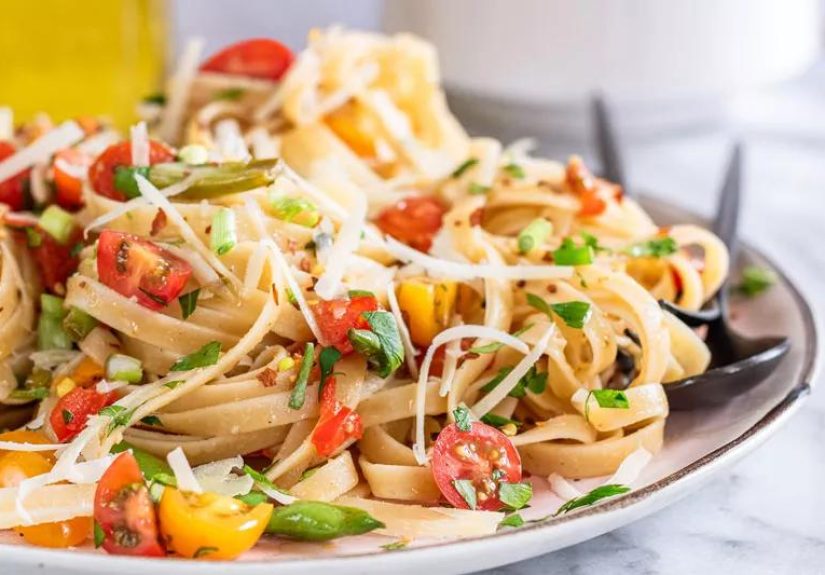
This version leans into the strengths of a classic pasta primavera recipe while making it more satisfying for everyday cooking. Whole-wheat pasta adds depth and a bit more staying power. The vegetables stay vibrant instead of collapsing into mush. The sauce is light, silky, and glossy rather than heavy. The result is an easy vegetarian dinner that feels fresh enough for spring, hearty enough for a weeknight, and delicious enough that nobody at the table has to be convinced they are “eating healthy.”
Why Whole-Wheat Pasta Primavera Works So Well
Pasta primavera has been around for decades because it solves a very specific problem: how to make a pasta dish feel abundant without relying on a rich, long-cooked sauce. Instead of building flavor through hours of simmering, this spring vegetable pasta builds flavor through contrast. Sweet tomatoes meet sharp Parmesan. Lemon lifts the whole bowl. Garlic adds warmth. Herbs wake everything up. The vegetables bring crunch, tenderness, and color all at once.
Using whole-wheat pasta makes even more sense here than it does in a heavier tomato or meat sauce. Its nuttier flavor stands up beautifully to green vegetables, olive oil, and herbs. It also gives the dish a little extra substance, which matters when your dinner is mostly pasta and produce. This is not the kind of dish that hides its ingredients. It lets them introduce themselves properly.
Whole-Wheat Pasta Primavera Recipe
Yield and Time
Serves 4 to 6
Prep time: 20 minutes
Cook time: 25 minutes
Ingredients
- 12 ounces whole-wheat spaghetti, linguine, penne, or fusilli
- 2 tablespoons extra-virgin olive oil
- 3 cloves garlic, finely chopped
- 3 scallions, sliced, or 1 small shallot, minced
- 1 small zucchini, sliced into half-moons
- 1 small yellow squash, sliced into half-moons
- 1 cup asparagus, cut into 1 1/2-inch pieces
- 1 cup green beans, trimmed and cut into bite-size pieces
- 1 cup sugar snap peas or frozen peas
- 1 red bell pepper, thinly sliced
- 1 pint cherry or grape tomatoes, halved
- 1/2 teaspoon kosher salt, plus more for pasta water
- 1/4 teaspoon black pepper
- 1/4 teaspoon crushed red pepper flakes
- Zest of 1 lemon
- 2 to 3 tablespoons fresh lemon juice
- 1/2 cup finely grated Parmesan cheese, plus more for serving
- 1/4 cup chopped flat-leaf parsley
- 2 tablespoons chopped basil, tarragon, or a mix of soft herbs
- 1/2 to 3/4 cup reserved pasta water
- Optional: toasted pine nuts or chopped pistachios for crunch
Instructions
- Bring a large pot of well-salted water to a boil. Cook the whole-wheat pasta until just al dente according to package directions. Before draining, reserve at least 3/4 cup of the pasta water.
- While the pasta cooks, heat the olive oil in a large skillet or Dutch oven over medium heat. Add the garlic and scallions and cook for about 1 minute, just until fragrant. Do not let the garlic brown unless you enjoy tiny bitter life lessons.
- Add the asparagus, green beans, and bell pepper first. Cook for 2 to 3 minutes. Stir in the zucchini, yellow squash, and sugar snap peas, then cook for another 2 minutes. Add the tomatoes, salt, black pepper, and red pepper flakes.
- Toss everything gently and cook until the tomatoes begin to soften and the vegetables are crisp-tender, about 2 to 3 more minutes. You want them lively, not limp.
- Add the drained pasta directly to the skillet. Pour in 1/2 cup of reserved pasta water, the lemon zest, and 2 tablespoons lemon juice. Toss well.
- Sprinkle in the Parmesan and continue tossing until the cheese melts and the liquid turns silky. Add more pasta water a splash at a time if needed. The sauce should lightly coat the pasta instead of puddling at the bottom.
- Remove from the heat and fold in the parsley and basil or tarragon. Taste and adjust with more salt, pepper, or lemon juice.
- Serve immediately with extra Parmesan and, if you like, toasted pine nuts or pistachios on top.
Ingredient Notes That Actually Matter
The Best Pasta Shape
Whole-wheat spaghetti gives the dish that classic primavera feel, but short shapes like penne, fusilli, and farfalle are excellent too. If you want the vegetables to cling to every bite, choose a shape with ridges or curves. If you want dramatic noodle twirls that make dinner feel more cinematic, choose spaghetti or linguine.
Which Vegetables Belong in Pasta Primavera?
The short answer is: the ones that taste good and cook quickly. Asparagus, peas, green beans, zucchini, yellow squash, cherry tomatoes, and bell peppers are especially good because they offer a mix of sweetness, snap, and tenderness. Broccoli, mushrooms, spinach, and even thinly sliced Brussels sprouts can work too. Pasta primavera is not a rigid historical document. It is a very tasty system.
Why Lemon and Parmesan Matter
These two ingredients do most of the finishing work. Lemon brightens the earthy flavor of whole-wheat pasta and keeps the vegetables tasting fresh. Parmesan adds saltiness, richness, and body. Together, they make a light sauce taste complete without needing heavy cream.
How to Get the Texture Right
Texture is the difference between restaurant-style pasta primavera and a bowl of steamed regret. Whole-wheat pasta can go from pleasantly firm to a little too soft if you overcook it, so al dente really matters here. Pull it when it still has some bite, because it will finish cooking slightly in the skillet.
The vegetables deserve just as much attention. Start with the firm ones first, like asparagus and green beans, then add the faster-cooking vegetables, like zucchini and tomatoes, later. This staggered cooking keeps everything from landing at the same disappointing texture. Primavera should feel layered and alive, not uniformly exhausted.
The reserved pasta water is the quiet hero of the dish. It helps the Parmesan melt smoothly, loosens the pasta, and creates a glossy sauce that clings to the noodles. Skip it, and the sauce may turn dry or clumpy. Use too much, and you have soup. This is a splash-at-a-time situation, not a cannonball.
Why This Is a Smart Healthy Pasta Recipe
A lot of “healthy pasta” conversations get weirdly dramatic, as if one noodle choice will determine the fate of civilization. In reality, whole-wheat pasta primavera is smart because it balances several good things at once. You get whole grains, a generous amount of vegetables, moderate fat, and enough flavor to make the meal genuinely enjoyable.
Whole-wheat pasta also tends to bring more fiber and a more robust flavor than refined pasta, which can help the meal feel more filling. Pair that with vegetables, olive oil, and cheese, and you end up with a bowl that feels satisfying instead of skimpy. That is an underrated quality in a healthy dinner idea. Nobody wants to eat a virtuous meal at 6:30 and start negotiating with cookies by 8:00.
Easy Variations for Different Kitchens
Make It Vegan
Skip the Parmesan and use a dairy-free hard cheese alternative, or finish the pasta with nutritional yeast and a few chopped olives or toasted nuts for savory depth. A spoonful of white miso whisked into the pasta water also adds umami.
Add Protein
Grilled chicken, sautéed shrimp, white beans, or chickpeas all work beautifully. If you are feeding hungry people who hear the word “vegetables” and suddenly fear for their future, this is a good move.
Use What You Have
Primavera is excellent for cleaning out the produce drawer. A little broccoli, half a red onion, a handful of spinach, the last sad third of a zucchini, and some frozen peas can absolutely become dinner. The key is cutting everything into similar sizes and adding ingredients in the right order.
What to Serve With Whole-Wheat Pasta Primavera
This dish can stand alone, but it also plays nicely with simple sides. A crisp green salad with vinaigrette works well because it keeps the meal feeling light. Garlic bread is delicious, though admittedly funny next to a pasta dish that is already trying to be responsible. A glass of sparkling water with lemon or a chilled white wine also fits the vibe.
For a bigger spread, serve it alongside roasted salmon, grilled chicken, or a platter of burrata and tomatoes. Whole-wheat pasta primavera is sociable. It gets along with almost everyone.
Common Mistakes to Avoid
- Overcooking the pasta until it loses all bite
- Cooking all vegetables for the same amount of time
- Using too little salt in the pasta water
- Adding cheese over high heat and ending up with clumps
- Forgetting acid, herbs, or a finishing touch, which makes the dish taste flat
Storage and Reheating
Leftovers keep well in an airtight container in the refrigerator for about 3 days. Reheat gently in a skillet with a splash of water to loosen the sauce. The vegetables will soften a bit, but the flavors remain lovely. This also makes a respectable next-day lunch, especially when eaten smugly while other people are microwaving mystery leftovers.
Final Thoughts
Whole-wheat pasta primavera succeeds because it understands balance. It gives you comfort without heaviness, vegetables without boredom, and a healthy angle without sacrificing flavor. It is bright, flexible, and easy to adapt to what is in season or what is already in your kitchen. That is probably why pasta primavera has stuck around for so long: it feels a little elegant, a little practical, and very dinner.
Keep the vegetables crisp-tender, save your pasta water, finish boldly with lemon and herbs, and let the whole-wheat pasta do its nutty, sturdy thing. When it all comes together, you get a bowl that tastes like spring but works any time of year. And honestly, that is the kind of reliability we should all be looking for in a recipe.
Kitchen Experiences: Why Whole-Wheat Pasta Primavera Keeps Earning a Spot on the Table
One of the most relatable experiences with whole-wheat pasta primavera is watching it win over people who claim they are “not really into whole-wheat pasta.” They usually say this with the confidence of a food critic and the memory of one unfortunate overcooked bowl from years ago. Then they try a version where the pasta is cooked properly, the vegetables still have some life in them, and the lemon-Parmesan finish pulls everything together. Suddenly, the resistance fades. It turns out the problem was never whole-wheat pasta. The problem was bad whole-wheat pasta.
This dish also has a way of showing up at exactly the right time. It is excellent when the weather starts warming up and heavier comfort foods begin to feel like wearing a wool coat indoors. It is just as useful after a grocery run when the refrigerator is full of hopeful produce that needs a plan. A bunch of asparagus, some peas, a zucchini, a handful of herbs, and a box of pasta can become dinner without much fuss. There is something deeply satisfying about cooking a meal that feels colorful and generous without requiring a three-page strategy document.
Another common experience is discovering how flexible the recipe really is. Some nights it leans springy with asparagus, peas, and tarragon. Other nights it becomes more summery with tomatoes, zucchini, basil, and sweet bell pepper. In a busy household, that flexibility matters. You do not need to treat the ingredient list like a sacred text. You just need a good balance of textures, a few bright flavors, and enough pasta water to make the sauce glossy. Once you learn that rhythm, the recipe becomes less of a script and more of a dependable method.
Whole-wheat pasta primavera is also the sort of meal that quietly improves cooking confidence. It teaches timing. It teaches restraint. It teaches that vegetables do not need to be cooked into submission to taste good. It teaches that a splash of lemon at the end can do more for a dish than another spoonful of butter. These are useful kitchen lessons disguised as dinner, which is honestly quite efficient.
And then there is the next-day experience, which deserves some respect. Leftover primavera is softer, yes, but the flavors settle in beautifully. The herbs mellow, the tomatoes become jammy, and the whole thing tastes like you planned lunch better than you actually did. Packed into a container for work or reheated at home, it still feels like real food rather than a compromise.
Maybe that is why this recipe keeps lasting beyond trend cycles. It is not flashy in a viral, cheese-pull, internet-theatrics kind of way. It is better than that. It is practical, adaptable, and genuinely pleasant to eat. It looks cheerful on the plate, uses ingredients people can actually find, and manages to feel both wholesome and satisfying. In a cooking world full of extremes, whole-wheat pasta primavera remains refreshingly sensible. It is the dinner equivalent of a person who is organized, charming, and somehow never makes a big deal about it.