Table of Contents >> Show >> Hide
- How appetite works (the quick, useful version)
- 13 science-backed ways to curb appetite
- 1) Build meals around protein (especially breakfast)
- 2) Add fiber that actually does something
- 3) Go “volume-first” with low energy-dense foods
- 4) Drink water like it’s part of the plan, not a punishment
- 5) Start meals with soup or salad (a “preload” that helps)
- 6) Slow downyour fullness signals are on a slight delay
- 7) Create “balanced bites” to prevent blood sugar whiplash
- 8) Keep ultra-processed foods from driving the bus
- 9) Stop drinking your calories (most liquid calories don’t “count” to your stomach)
- 10) Sleep like it’s your appetite’s thermostat
- 11) Manage stress before it turns into “snack stress”
- 12) Use exercise strategically (yes, movement can affect appetite)
- 13) Make portion control automatic with environment tricks
- Putting it together: a simple “satiety blueprint”
- Real-life experience: what appetite control looks like off-paper (about )
Hunger is basically your body’s push notification system. Sometimes it’s a helpful “Fuel needed” alert.
Other times it’s more like spam: “LIMITED-TIME OFFER: Eat an entire bag of chips in the pantry, now.”
The trick isn’t to “kill” appetite (your body would like to survive, thank you). It’s to turn down the volume
so your choices feel easier and less like a daily wrestling match with the snack drawer.
This article focuses on science-backed, real-world strategies that can help you feel satisfied with fewer calories,
reduce cravings, and make “normal eating” feel… well, normal. If you’re dealing with intense, persistent hunger,
binge eating, medication side effects, blood sugar issues, or a history of eating disorders, it’s smart to loop in
a clinician or registered dietitianbecause your “hunger” might be your body asking for a different kind of help.
How appetite works (the quick, useful version)
Appetite is shaped by biology (hunger and fullness hormones), behavior (sleep, stress, eating speed), and your environment
(portion sizes, ultra-tempting foods, constant snack access). Your stomach can signal fullness through stretch;
your gut releases hormones that influence satiety; your brain tracks reward and routine; and your blood sugar swings can
make “I could eat” feel like “I must eat.”
The goal: create meals and habits that keep you satisfied longer, reduce “false alarms” (like thirst or sleep-deprivation cravings),
and make it harder to accidentally eat past comfortable fullness.
13 science-backed ways to curb appetite
1) Build meals around protein (especially breakfast)
Protein is the MVP of “stay full longer.” It’s slower to digest than many carbs and can support satiety signals from your gut.
Try anchoring meals with eggs, Greek yogurt, cottage cheese, tofu, fish, chicken, lentils, or beans. If your breakfast is mostly
pastries or sugary cereal, your appetite may come roaring back mid-morning like it has a meeting on your calendar.
2) Add fiber that actually does something
Fiber helps with fullness partly by slowing digestion and adding bulkespecially soluble fiber, which forms a gel-like texture in your gut.
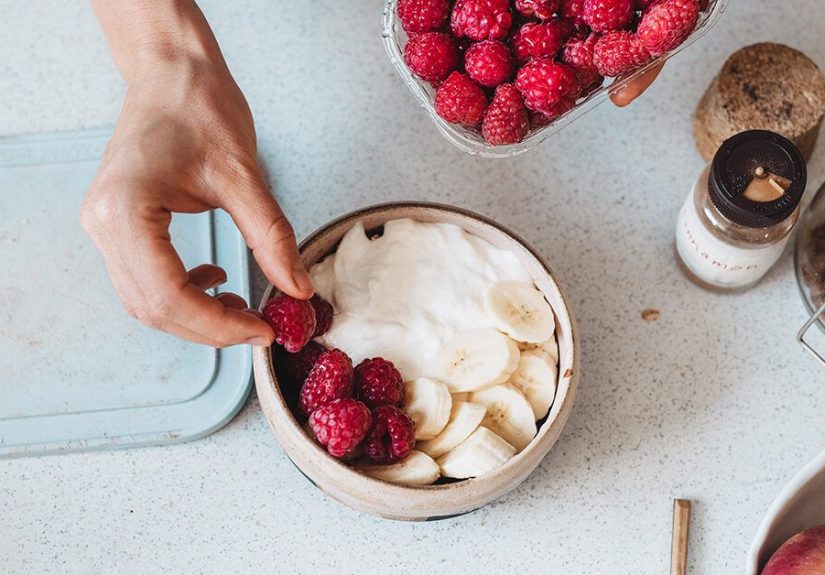
Think oats, beans, berries, apples, chia, flax, and veggies. A practical move: add one high-fiber “booster” to what you already eat
(berries in yogurt, beans in salad, chia in oatmeal) instead of trying to become a completely new person overnight.
3) Go “volume-first” with low energy-dense foods
You can eat a satisfying-looking plate without a calorie explosion by leaning on foods that are high in water and fiber:
broth-based soups, big salads, non-starchy vegetables, fruit, and legumes. This works because stomach stretch and slower digestion
help fullness arrive earlier. Translation: you get to eat a lot of food… just not a lot of calories.
4) Drink water like it’s part of the plan, not a punishment
Thirst can masquerade as hunger, and some research suggests water before meals may reduce how much people eat (especially in certain groups).
You don’t need to chug a gallon. Start simple: a glass of water when you wake up, and another 15–30 minutes before a meal.
Bonus: it also helps you spot “am I hungry or just bored-tired-dry?”
5) Start meals with soup or salad (a “preload” that helps)
Beginning with a broth-based soup or a salad adds volume and slows your speed. People often end up eating less overall because fullness cues
show up sooner. Keep it light: think veggie soup, miso soup, or salad with a reasonable dressingnot “nachos disguised as salad.”
6) Slow downyour fullness signals are on a slight delay
Your brain doesn’t instantly receive the memo that your stomach is filling. Eating slowly can improve perceived fullness and help you notice
satisfaction before you’re uncomfortably stuffed. Try a tiny experiment: put the fork down between bites, chew a bit more, and aim for a
20-minute meal when you can. Not perfectionjust slower than “competitive eating highlight reel.”
7) Create “balanced bites” to prevent blood sugar whiplash
Meals that are mostly refined carbs can digest fast and leave you hungry again quickly. Pair carbs with protein, fiber, and healthy fats to
slow digestion and steady energy. Examples: apple + peanut butter; rice + salmon + veggies; oatmeal + Greek yogurt; crackers + tuna + cucumbers.
It’s not about banning carbsit’s about giving them responsible adult supervision.
8) Keep ultra-processed foods from driving the bus
Ultra-processed foods are often engineered to be easy to overeatsoft textures, high palatability, and “just keep going” vibes.
Research in tightly controlled settings has found people tend to eat more calories on ultra-processed diets even when meals are matched in many ways.
You don’t have to be perfect; start by swapping one ultra-processed snack a day for a whole-food option you genuinely like.
9) Stop drinking your calories (most liquid calories don’t “count” to your stomach)
Sugary drinks, fancy coffee concoctions, sweet teas, and even some “healthy” smoothies can add a lot of energy without much fullness.
Liquids often produce weaker satiety than solid foods, and it’s easier to consume them quickly. If you want a high-impact change,
replace one calorie drink per day with water, sparkling water, unsweetened tea, or black coffee.
10) Sleep like it’s your appetite’s thermostat
Short sleep can crank up cravings and hungerpartly through shifts in appetite-related hormones and partly because tired brains are more
reward-seeking. Aim for a consistent sleep window (yes, even on weekends when possible). If seven to nine hours feels impossible,
improving sleep quality (light, temperature, screens, caffeine timing) can still help.
11) Manage stress before it turns into “snack stress”
Stress doesn’t just live in your inboxit can change eating behavior and nudge you toward high-sugar, high-fat comfort foods.
The most underrated appetite tool is a non-food stress release: a 10-minute walk, a quick call with a friend, journaling,
breathing exercises, or strength training. Your body may still want comfortjust not necessarily from cookies.
12) Use exercise strategically (yes, movement can affect appetite)
Exercise doesn’t only “burn calories.” It can influence appetite signals, and some people notice a short-term appetite dip after moderate-to-hard
aerobic activity. You don’t need heroic workouts: a brisk walk, cycling, swimming, or a short interval session can help regulate appetite for some.
The win is consistencymovement most days beats “all-or-nothing” every time.
13) Make portion control automatic with environment tricks
Appetite gets louder when food is effortless to overeat: eating from the bag, family-style serving dishes on the table, endless grazing while scrolling.
Try “pre-portioning” snacks into bowls, plating your meal in the kitchen, and putting the rest away before you sit down. Keep highly tempting foods
out of sight (or at least not at arm’s length). You’re not weakyour environment is just very persuasive.
Putting it together: a simple “satiety blueprint”
If you want one repeatable formula, use this: Protein + Fiber + Color (plus water).
Build a plate with a protein anchor, add fiber-rich carbs and vegetables, and keep liquid calories and ultra-processed snacks from becoming your default.
Add sleep and stress management, and you’ve basically given your appetite fewer opportunities to surprise-attack you at 3 p.m.
Real-life experience: what appetite control looks like off-paper (about )
Let’s be honest: most of us don’t eat in a lab. We eat in meetings, cars, airports, and kitchens where a family-sized bag of something crunchy is
staring at us like it pays rent. So here are a few realistic “experience-style” scenarios (based on common patterns people report) and how the
science-backed tools actually play out.
Scenario A: The 3 p.m. snack tornado. You ate lunch, you were fine, and thenboomyour brain starts pitching snack ideas like a
startup founder on espresso. In real life, this is often a combo of: (1) a lunch low in protein/fiber, (2) dehydration, and (3) mental fatigue.
A practical fix isn’t “white-knuckle it.” It’s: drink a glass of water, then choose a snack that includes protein and fiber (Greek yogurt + berries,
apple + peanut butter, hummus + carrots, or a handful of nuts plus fruit). Many people find that once the snack has structure, the urge calms down
because it stops being a “dopamine scavenger hunt.”
Scenario B: Dinner turns into second dinner. You eat a normal dinner… and then keep “checking the kitchen” like you’re on patrol.
This is where sleep and stress show up wearing a fake mustache. When you’re tired or wired, your body can push for quick comfort foods, and
ultra-processed snacks are basically engineered to win that argument. The real-life move: build dinner with volume (veggies or salad + protein),
then create a post-dinner ritual that doesn’t involve the pantrytea, a shower, a walk, stretching, or a show. If you want something sweet, choose
a planned portion (like a bowl of berries or yogurt) instead of “whatever happens while standing.”
Scenario C: You try to “be good” all day, then raid the kitchen at night. This often happens when meals are too small, too restrictive,
or too refined-carb heavy. Appetite eventually collects its unpaid invoices. A better approach (that people actually stick to) is eating enough earlier:
breakfast with protein, a balanced lunch, and an afternoon snack if dinner is late. Many people are shocked that eating more strategically
earlier makes nighttime cravings shrink.
Scenario D: Social events where everything is snack-shaped. Here, environment is the boss fight. Before you go, eat a protein-forward
mini-meal (like yogurt, eggs, or a turkey wrap). At the event, use a plate and sit down to eatthis slows the pace and makes portion size visible.
People often find that once they stop “grazing while talking,” they enjoy the food more and crave it less.
The big takeaway from real life: appetite control isn’t one magical trick. It’s stacking small advantagesprotein, fiber, water, sleep, stress relief,
and a food environment that doesn’t constantly set traps. Do that, and hunger stops feeling like a villain and starts acting like what it is:
a manageable signal.