Table of Contents >> Show >> Hide
- The Salad Formula: How Great Salads Are Built
- Food Safety & Freshness: The Stuff That Makes Salad Actually Enjoyable
- 12 Salad Recipes (and Templates) You’ll Actually Want to Make
- 1) The House Green Salad (a.k.a. The “I Have My Life Together” Salad)
- 2) Greek-Inspired Chopped Salad with Feta Herb Dressing
- 3) Steak Salad with Shallot Vinaigrette (Restaurant Energy, Home Effort)
- 4) Kale Caesar-ish Salad (No, Not the Sad One)
- 5) Winter Citrus + Fennel Salad (Bright Enough to End Seasonal Grumpiness)
- 6) Summer Tomato-Peach Salad (The Farmers’ Market Flex)
- 7) Farro (or Quinoa) Mediterranean Grain Salad
- 8) Southwest Black Bean & Corn Salad
- 9) Crunchy Broccoli Slaw Salad (The “Still Crisp Tomorrow” Salad)
- 10) Tuna Niçoise-Inspired Salad (Fancy, but You Can Wear Sweatpants)
- 11) Crispy Chickpea Chopped Salad (High Protein, High Crunch)
- 12) Upgraded Pasta Salad (Not the Beige Potluck Brick)
- Meal Prep Salads Without the Soggy-Sadness
- Quick Dressing Cheat Sheet (5 Dressings, Infinite Possibilities)
- Conclusion: Your New Salad Superpower
- of Real-Life Salad Experiences (Because Salads Are a Lifestyle, Apparently)
Salads have an image problem. Somewhere along the way, “salad” became code for
“a sad bowl of leaves I eat while thinking about fries.” Let’s fix that.
The best salad recipes aren’t about sufferingthey’re about contrast:
cold and warm, crunchy and creamy, salty and bright, hearty and fresh.
Once you learn the (shockingly simple) salad formula, you can make salads that feel
like dinnernot a side quest.
The Salad Formula: How Great Salads Are Built
1) Start with a base that matches your mood
Your “greens” don’t have to be just leafy greens. Think of the base as the thing that
carries dressing and gives the salad its main identity:
- Leafy: romaine, spring mix, arugula, spinach, kale (massage kale if it’s tough).
- Crunchy veg: shredded cabbage, fennel, cucumbers, snap peas, carrots.
- Hearty: grains (farro, quinoa, barley), pasta, potatoes, beans.
Leafy salads shine when you want something light and fast. Grain and bean salads are
your “packable lunch” heroes. And crunchy-veg salads are the “I want texture and I want it now” option.
2) Use the “Rule of Three” for texture
Most homemade salads fail for one reason: everything is the same texture. Fix it by adding
at least three different textures:
- Crunch: nuts, seeds, croutons, tortilla strips, crispy chickpeas, apples.
- Creamy: avocado, cheese, hummus, a creamy dressing, soft-cooked egg.
- Chewy/hearty: grains, beans, roasted veggies, dried fruit, pasta, shredded chicken.
When your fork hits crunch + creamy + hearty in one bite, your brain stops asking, “Where’s the real food?”
3) Balance flavor like a grown-up (but keep it fun)
A great salad tastes “complete” because it hits multiple flavor notes:
- Acid: vinegar, citrus, pickles, capers (the wake-up call).
- Fat: olive oil, nuts, cheese, avocado (the cozy blanket).
- Salt: flaky salt, olives, feta, parmesan (the volume knob).
- Sweet: honey, maple, fruit (the peace treaty for bitter greens).
- Umami: anchovy, parmesan, miso, soy, roasted mushrooms (the “why is this so good?”).
4) Dress like you mean it (and stop drowning the leaves)
The easiest upgrade to your salad recipes is homemade dressing. Start with a classic vinaigrette:
3 parts oil to 1 part acid (vinegar or citrus). Add a dab of Dijon mustard to help emulsify,
then season with salt and pepper. Whisk like you’re mad at the oil, or shake it in a jar.
Pro move for weeknights: keep a basic vinaigrette in the fridge and vary it with one extra ingredient:
swap the vinegar (red wine, balsamic, champagne), add a spoon of jam, toss in herbs, or grate in garlic.
If you add perishable aromatics, treat it like a “use soon” dressing and keep it refrigerated.
Food Safety & Freshness: The Stuff That Makes Salad Actually Enjoyable
Crisp salads are mostly about moisture management and clean handling:
- Wash produce under running water and skip soap or “produce wash.”
-
Don’t rewash bagged greens labeled “washed,” “triple-washed,” or “ready-to-eat”
rewashing can increase cross-contamination risk in home kitchens. - Dry greens well (a salad spinner is basically a crispness machine).
- Store greens with paper towels in a container/bag to absorb excess moisture; replace towels if they get soggy.
- Keep greens away from raw meat/seafood and use clean boards/knives.
The goal is simple: greens should be clean, cold, and dry until the exact moment they meet dressing.
That moment is called “right before you eat,” not “two hours ago because you got excited.”
12 Salad Recipes (and Templates) You’ll Actually Want to Make
These aren’t fussy “measure every leaf” salads. They’re flexible salad recipes you can tweak based on
what’s in your fridge, what’s in season, and what kind of day you’re having.
1) The House Green Salad (a.k.a. The “I Have My Life Together” Salad)
Base: romaine + baby greens. Add: shaved parmesan, toasted almonds, thin cucumber.
Dressing: lemon-Dijon vinaigrette. Upgrade: add croutons and a few olives for salty punch.
2) Greek-Inspired Chopped Salad with Feta Herb Dressing
Base: chopped romaine. Add: cucumber, radishes, chickpeas, celery, peas, toasted almonds.
Dressing: blitz feta + olive oil + lemon + dill + a little water (creamy, tangy, not too heavy).
This one eats like lunch, not like garnish.
3) Steak Salad with Shallot Vinaigrette (Restaurant Energy, Home Effort)
Base: arugula or mixed greens. Add: sliced steak, tomatoes, thin red onion, something crunchy (radish or pepitas).
Dressing: shallot vinaigrette (shallots + vinegar + mustard + oil). Tip: slice steak against the grain so it stays tender.
4) Kale Caesar-ish Salad (No, Not the Sad One)
Base: chopped kale, lightly massaged with a pinch of salt and a drizzle of oil.
Add: parmesan, croutons, and either grilled chicken or roasted chickpeas.
Dressing options: classic Caesar vibes (anchovy + garlic + lemon + parmesan) or a lighter Greek yogurt version.
5) Winter Citrus + Fennel Salad (Bright Enough to End Seasonal Grumpiness)
Base: shaved fennel + arugula. Add: orange segments, pistachios, a little goat cheese or feta.
Dressing: citrus vinaigrette (orange/lemon + olive oil + mustard).
Bonus: a tiny drizzle of honey balances bitterness.
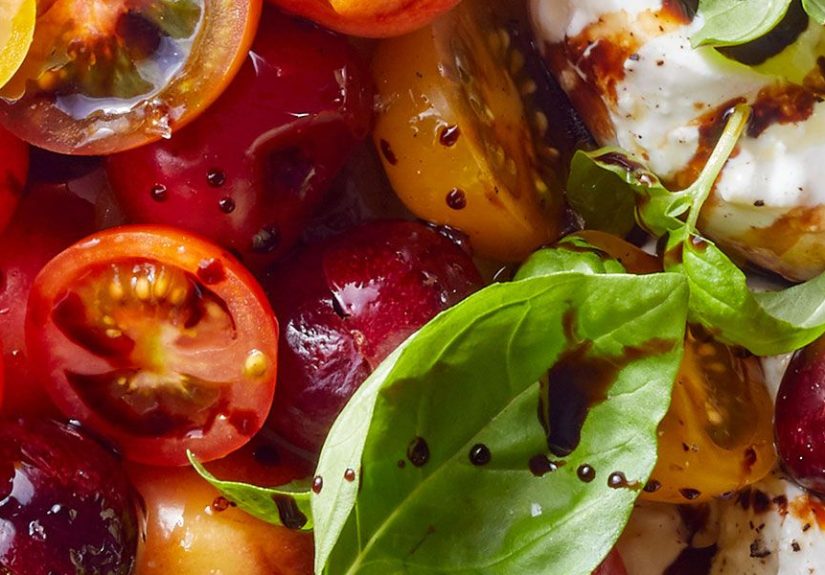
6) Summer Tomato-Peach Salad (The Farmers’ Market Flex)
Base: ripe tomatoes + peaches. Add: basil, flaky salt, burrata or mozzarella.
Dressing: olive oil + a splash of balsamic or red wine vinegar.
Rule: don’t refrigerate tomatoes if you can help itflavor matters.
7) Farro (or Quinoa) Mediterranean Grain Salad
Base: cooked farro/quinoa (cooled). Add: cucumber, cherry tomatoes, chopped herbs, olives, feta.
Dressing: red wine vinaigrette with Dijon.
Meal-prep win: it holds up for days because grains don’t panic when they see dressing.
8) Southwest Black Bean & Corn Salad
Base: black beans + corn. Add: bell pepper, red onion, jalapeño, cilantro, avocado.
Dressing: lime + olive oil + cumin + pinch of honey.
Make it dinner: add rotisserie chicken or grilled shrimp.
9) Crunchy Broccoli Slaw Salad (The “Still Crisp Tomorrow” Salad)
Base: shredded broccoli stems + cabbage + carrots.
Add: sunflower seeds, dried cranberries, scallions.
Dressing: creamy tahini-lemon (tahini + lemon + garlic + water + salt) or a light mayo-yogurt blend.
10) Tuna Niçoise-Inspired Salad (Fancy, but You Can Wear Sweatpants)
Base: greens or steamed green beans + baby potatoes.
Add: tuna, hard-boiled eggs, olives, tomatoes.
Dressing: Dijon vinaigrette. Tip: add potatoes warm so they drink up dressing like they’ve been waiting for this moment.
11) Crispy Chickpea Chopped Salad (High Protein, High Crunch)
Base: romaine + cabbage.
Add: roasted chickpeas (paprika + cumin), cucumber, tomatoes, red onion.
Dressing: lemon-garlic vinaigrette or a yogurt-tahini drizzle.
Crunch insurance: keep chickpeas separate until serving.
12) Upgraded Pasta Salad (Not the Beige Potluck Brick)
Base: short pasta (orzo, rotini). Add: roasted vegetables, arugula, salami or chickpeas, parmesan.
Dressing: Italian-style vinaigrette (oil + red wine vinegar + Dijon + oregano).
Secret: season the pasta while it’s still warm; it absorbs flavor better.
Meal Prep Salads Without the Soggy-Sadness
If your lunch salad turns into a wet napkin by noon, it’s not youit’s physics. Here’s how to win anyway:
- Store components separately: greens, crunchy toppings, proteins, and dressing each get their own space.
- Dress right before eating (or bring dressing on the side).
-
Mason jar method: dressing on the bottom → hardy veg (cucumbers, carrots) → proteins/grains → greens on top.
Flip into a bowl when ready. - Prep a “default dressing” once a week and use it across different salad recipes so lunch stays interesting without extra work.
Think of salads like a build-your-own bar: you’re not making five separate salads for the week,
you’re prepping ingredients that can become five different personalities.
Quick Dressing Cheat Sheet (5 Dressings, Infinite Possibilities)
1) Classic Vinaigrette
3 parts olive oil + 1 part vinegar/citrus + Dijon + salt/pepper. Add minced shallot for sweetness and depth.
2) Creamy Tahini Lemon
Tahini + lemon + garlic + salt + water to thin. Great for kale, cabbage, grain bowls.
3) Miso-Ginger
White miso + rice vinegar + grated ginger + sesame oil + neutral oil. Umami-rich and perfect with crunchy veg and tofu.
4) Buttermilk Ranch-ish
Buttermilk + Greek yogurt/mayo + garlic + herbs + lemon. Ideal for chopped salads and veggie-heavy bowls.
5) Pesto Vinaigrette
Basil pesto thinned with lemon and olive oil. Toss with tomatoes, mozzarella, pasta salads, or grilled chicken.
Conclusion: Your New Salad Superpower
Great salad recipes aren’t mysteriousthey’re assembled. Start with a base, add three textures, balance flavor,
and dress with intention. Once you have a couple of reliable dressings and a few “salad templates,” you can make
healthy salad recipes, easy salad recipes, and meal prep salads that actually feel satisfying. And if anyone calls
your salad “just a salad,” smile politelythen let them try a bite.
of Real-Life Salad Experiences (Because Salads Are a Lifestyle, Apparently)
If you’ve ever packed a salad for lunch and opened it later to discover a swampy tragedy, congratulations:
you’ve had the classic Salad Learning Moment. It usually goes like thisyour morning self is optimistic,
maybe even smug, because you used a “healthy salad recipe.” Then your lunchtime self meets limp greens
that taste like the inside of a damp paper bag. The good news is that this is not a moral failure. It’s
simply what happens when dressing and delicate greens hang out together unsupervised.
Most people who become “salad people” don’t do it by finding one perfect salad recipe and repeating it forever.
They do it by collecting tiny wins. The first win is discovering that dry greens matter. Like, a lot.
A salad spinner can feel like an unnecessary gadget until the day you realize your dressing actually clings
instead of sliding off wet leaves and pooling at the bottom like regret. The second win is learning that salads
aren’t only leaves. The moment you add warm roasted sweet potatoes, a scoop of quinoa, or a handful of chickpeas,
the salad stops being “something on the side” and starts being “the main character.”
Then there’s the social experience: bringing a salad to a potluck. This is where salads either shine or become
decorative greenery. The trick is choosing salads that are structurally stablethink grain salads, slaws,
chopped salads with sturdy veggiesbecause they can sit out longer without collapsing. It’s also where you learn
the sneaky power of seasoning. A salad with great ingredients but no salt tastes like someone describing food to
you over the phone. A pinch of salt and a hit of acid, however, can make tomatoes taste like tomatoes again.
The most underrated salad experience is the “choose-your-own-adventure dinner.” You put a bowl of greens on the
table, a protein, a crunchy topping, maybe some fruit, maybe a cheese, and one strong dressing. Suddenly
everyone can build the salad they actually want. The picky eater avoids onions. The hungry person doubles the
chicken. The person who thinks salads are boring discovers that a creamy tahini lemon dressing is basically a
cheat code. And you, the salad architect, get credit for cooking a meal that looks impressive but was mostly
assembling and tossing. It’s not laziness. It’s strategy. Delicious, crunchy, dress-it-at-the-last-second strategy.