Table of Contents >> Show >> Hide
- Quick Take: The Best Cookie Scoops at a Glance
- How We Chose These Cookie Scoops
- Cookie Scoop Buying Guide: What Actually Matters
- The 8 Best Cookie Scoops (Full Reviews)
- 1) Best Overall: OXO Good Grips Medium Cookie Scoop (Size #40)
- 2) Best for Big, Bakery-Style Cookies: OXO Good Grips Large Cookie Scoop (Size #20)
- 3) Best Heavy-Duty Pro Pick: Vollrath Jacob’s Pride #40 Disher
- 4) Best No-Nonsense Workhorse: Zeroll Universal EZ Disher (Size #40)
- 5) Best for Sticky Dough Release: Spring Chef Medium Cookie Scoop
- 6) Best for Measurement-Lovers: King Arthur Baking Tablespoon Scoop
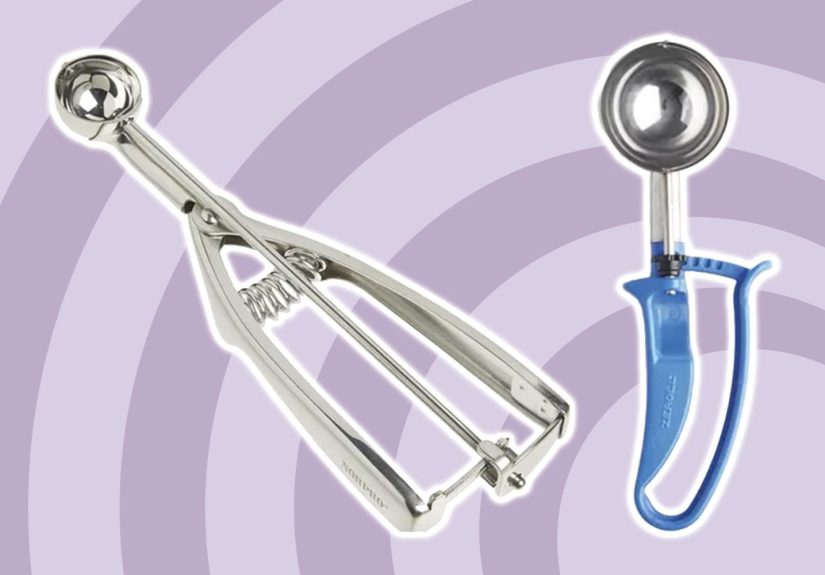
- 7) Best Small Scoop: Norpro Small Scoop
- 8) Best Budget-Friendly Pick: Gorilla Grip Cookie Scoop
- How to Use a Cookie Scoop Like You’ve Been Doing This for Years
- Which Cookie Scoop Size Should You Buy First?
- Conclusion: The “Best” Scoop Is the One You’ll Actually Use
- Experiences: What I Learned After Way Too Many Cookie Batches (500+ Words)
There are two kinds of people in the world: people who “just eyeball it,” and people who have looked at a baking sheet
of uneven cookie blobs and whispered, “Never again.”
If you want cookies that bake evenly (no raw centers next to scorched edges), look uniform (hello, bakery vibes), and
get onto the pan faster (because life is short), a cookie scoop is the simplest upgrade you can make. It’s basically
portion control… but make it delicious.
Quick Take: The Best Cookie Scoops at a Glance
| Scoop | Best For | Typical Portion | Why It’s Great |
|---|---|---|---|
| OXO Good Grips Medium Cookie Scoop (Size #40) | Most home bakers | About 1.5 Tbsp | Comfortable grip + clean release for classic drop cookies |
| Vollrath Jacob’s Pride #40 Disher | Heavy-duty/pro use | About 0.75 oz (roughly 1.5 Tbsp) | Commercial durability + precise portioning |
| Zeroll Universal EZ Disher (Size #40) | Long baking sessions | About 0.71 oz | No-fuss mechanism and easy identification |
| OXO Good Grips Large Cookie Scoop (Size #20) | Bakery-style, chunky cookies | About 3 Tbsp | Big, consistent portions without hand fatigue |
| Spring Chef Medium Cookie Scoop (Size #40-ish) | Sticky dough + mix-ins | About 1.5–1.7 Tbsp | Wiper release helps with clingy doughs |
| King Arthur Baking Tablespoon Scoop | “Exact-measurement” bakers | 1 Tbsp (labeled) | Clearly labeled size + sturdy build |
| Norpro Small Scoop | Mini cookies & cookie sandwiches | Small portions (varies by model) | Great for bite-size, uniform bakes |
| Gorilla Grip Cookie Scoop | Budget-friendly consistency | Often 1 Tbsp (model-dependent) | Good value + consistent portions |
How We Chose These Cookie Scoops
Cookie scoops may look similar, but the differences matter once you’ve scooped dough 48 times in a row. To build this
list, we compared what working bakers and major U.S. cooking publications tend to value most: comfort during repeated
squeezing, clean release (especially for sticky dough), durable construction, and practical sizing for real recipes.
Cookie Scoop Buying Guide: What Actually Matters
1) Scoop sizes (#20, #40, etc.) aren’t random
Many scoops use a “disher” size number. In general, smaller numbers mean bigger portions. A #40 is the sweet spot for
everyday cookies. A #20 gets you those big, bakery-style rounds. Smaller scoops are great for mini cookies, truffles,
and cookie sandwich “tops and bottoms.”
- #40: Often used for standard chocolate chip cookies and similar drop cookies.
- #20: Great for big, thick cookies with chunks (nuts, candy, big chocolate pieces).
- Smaller scoops: Ideal for bite-size cookies, holiday trays, and uniform cookie sandwiches.
2) Release mechanism: thumb press vs. squeeze handle vs. one-piece
If you’ve ever finished a baking marathon and felt like your hand filed for PTO, the handle design matters.
- Squeeze handles (spring-loaded): Common and easy to use. Great leverage. Often comfortable for most hands.
- Thumb press: Fast and efficient, but can bug your thumb or wrist if you’re doing big batches.
- One-piece commercial dishers: Built to last and often designed for repetitive use.
3) Materials: stainless steel is your best friend
Stainless steel bowls cut through cold dough better than flimsy metals and clean more easily. Handles can be metal,
coated, or grippy rubber. If your dough is thick (hello, peanut butter cookie dough), you’ll appreciate a sturdy bowl
and a smooth wiper that clears the scoop cleanly.
4) Dishwasher-safe (or not) affects real-life happiness
Some scoops can go right in the dishwasher. Others are “hand wash only,” which is fine if you’re the kind of person
who enjoys washing tools after baking. (No judgment. I also fold fitted sheets sometimes just to feel something.)
The 8 Best Cookie Scoops (Full Reviews)
1) Best Overall: OXO Good Grips Medium Cookie Scoop (Size #40)
If you buy one cookie scoop and call it a day, make it this one. The medium #40 size is the most versatile for classic
drop cookies: chocolate chip, oatmeal raisin, snickerdoodles, double chocolate, you name it. The grip is comfortable,
the mechanism releases cleanly, and the bowl cuts into chilled dough without acting like it’s personally offended.
Ideal for: standard 2–3 inch cookies, batch baking, consistent bake times.
Watch-outs: Very thick dough (especially super cold) can challenge any spring mechanismlet dough soften slightly if needed.
2) Best for Big, Bakery-Style Cookies: OXO Good Grips Large Cookie Scoop (Size #20)
Want cookies that look like they came from a fancy bakery where someone wears an apron with a leather strap? A large
scoop is how you get that thick, dramatic cookie shape consistently. The #20 size is also excellent for dough packed
with mix-ins (big chocolate chunks, toasted nuts, pretzel pieces). It portions evenly so your “one pan of cookies”
doesn’t turn into a bake-time guessing game.
Ideal for: oversized chocolate chip cookies, “Levain-style” thick cookies, loaded doughs.
Pro tip: If the recipe doesn’t specify size, a large scoop usually needs a few extra minutes in the ovenstart checking early.
3) Best Heavy-Duty Pro Pick: Vollrath Jacob’s Pride #40 Disher
This is the kind of scoop that feels like it was designed to survive a commercial kitchen… because it was. Vollrath’s
Jacob’s Pride dishers are known for durability and consistent portioning. If you bake often (or you’re the designated
“cookie person” at every holiday), a commercial-style disher can feel smoother and sturdier over time.
Ideal for: frequent bakers, thick dough, high-volume cookie production, multi-use portioning (meatballs, muffins, etc.).
Why it shines: The build quality and precise portion control feel “pro” in your hand.
4) Best No-Nonsense Workhorse: Zeroll Universal EZ Disher (Size #40)
Zeroll is famous in scoop-land, and the Universal EZ Disher line is geared toward portioning with a sturdy design.
The #40 size is a practical cookie portion, and the color-coded approach makes it easy to grab the right size quickly,
especially if you own more than one scoop.
Ideal for: bakers who like commercial-style tools and want a consistent #40 portion.
Bonus use: great for portioning rice, mashed potatoes, or forming uniform meatballs without messy hands.
5) Best for Sticky Dough Release: Spring Chef Medium Cookie Scoop
Sticky dough happens. High-butter dough, warm dough, dough with gooey mix-inssometimes it clings like it’s trying to
avoid its destiny. The Spring Chef style focuses on a strong wiper action that helps sweep the bowl clean, so you
don’t have to bang the scoop on the bowl like you’re summoning a cookie spirit.
Ideal for: soft dough, sticky dough, dough with chocolate chips or chopped add-ins.
Tip: If dough still sticks, dip the scoop in warm water between portions (and shake off the excess).
6) Best for Measurement-Lovers: King Arthur Baking Tablespoon Scoop
Some bakers measure with their hearts. Others measure with a spreadsheet. If you like knowing exactly what you’re
getting, a clearly labeled tablespoon scoop is incredibly satisfying. King Arthur’s scoops are designed for baking
tasks beyond cookies toomini scones, drop biscuits, pancakes, and muffinsso it earns its keep in the drawer.
Ideal for: bakers who want an explicitly labeled size, smaller cookies, and multi-purpose batter portioning.
Nice detail: the clear sizing helps when recipes call for “tablespoons of dough” rather than disher numbers.
7) Best Small Scoop: Norpro Small Scoop
Mini cookies are underrated. They bake faster, they look adorable, and you can “accidentally” eat six while insisting
you only had two (because they’re mini, and that’s basically science). A small scoop is also excellent for cookie
sandwiches because it helps you create matching tops and bottoms.
Ideal for: bite-size cookies, cookie sandwiches, truffles, and uniform small portions.
Pro tip: For tiny cookies, chill the dough wellsmall portions warm up fast and can spread quickly.
8) Best Budget-Friendly Pick: Gorilla Grip Cookie Scoop
If you want consistent cookies without paying “premium tool” prices, Gorilla Grip models are popular for a reason:
they’re straightforward, comfortable, and get the job done. Many versions portion about a tablespoon, which is great
for everyday cookies and for keeping bake times consistent across the tray.
Ideal for: everyday drop cookies, beginner bakers, gifting to a friend who “doesn’t need more tools” (they do).
Best use case: holiday cookie marathons when you need speed, consistency, and minimal drama.
How to Use a Cookie Scoop Like You’ve Been Doing This for Years
Step-by-step method (that actually works)
- Chill dough if it’s very soft. Even 15–30 minutes can reduce sticking and spreading.
- Scoop by dragging through the dough. Don’t just “poke” the surfacedragging fills the bowl evenly.
- Level if needed. For super-precise portions, level the scoop against the side of the bowl.
- Release onto the sheet. Let the wiper do the workavoid shaking or banging the scoop.
- Repeat with a rhythm. Once you find a comfortable grip, your speed will surprise you.
Fixes for common cookie scoop annoyances
- Dough sticking: dip scoop in warm water, then shake off; or lightly spray the bowl of the scoop.
- Thick dough hurting your hand: let dough sit 5 minutes; use a sturdier scoop; avoid forcing frozen-stiff dough.
- Uneven spreading: make sure portions match and trays are cool between batches.
- Cookies baking unevenly: uniform scoops help, but also rotate pans halfway through baking.
Which Cookie Scoop Size Should You Buy First?
If you’re only buying one, go with a #40-ish “medium” scoop. It covers the broadest range of recipes, from classic
chocolate chip to oatmeal cookies to peanut butter cookies. If you bake mini cookies or sandwich cookies often, add a
small scoop next. If you love thick bakery-style cookies, add a large scoop.
- One scoop: Medium (#40).
- Two scoops: Medium (#40) + small (mini cookies).
- Three scoops: Small + medium + large (#20) for all cookie moods.
Conclusion: The “Best” Scoop Is the One You’ll Actually Use
The best cookie scoop isn’t the fanciestit’s the one that feels good in your hand, releases dough cleanly, and helps
you bake consistent cookies without overthinking it. For most people, a medium scoop will instantly improve cookie
uniformity. From there, you can customize your setup: add a small scoop for bite-size treats, or a large scoop for
big, thick, bakery-style cookies.
And if anyone asks why you own multiple cookie scoops, simply say: “Portion control.” Then wink mysteriously and eat
another cookie.
Experiences: What I Learned After Way Too Many Cookie Batches (500+ Words)
The first time I used a cookie scoop, I didn’t think it would matter. I mean, I had two spoons and confidencewhat
else does a person need? So I spooned dough onto a sheet in what I believed were “roughly equal” portions, slid the
tray into the oven, and waited for greatness.
What I got was a tray of cookie chaos: a few were thin and crispy (fine), a few were thick and underbaked (also fine
if you like cookie lava), and at least one looked like it had been personally bullied by the laws of physics. The real
tragedy wasn’t that they tasted badthey still tasted like cookies, which is basically magicit was that I had no idea
how to repeat the good ones. My “system” was vibes-based. Delicious, but not reliable.
A cookie scoop changed that instantly. The first benefit I noticed wasn’t even appearanceit was timing. When every
cookie portion is about the same size, the whole tray bakes on the same schedule. That means fewer “pull out the tray
early and rescue the smaller ones” moments, and fewer “why is the center still dough?” surprises. During the holidays,
this is the difference between feeling like a calm, competent baker and feeling like you’re running an emergency
response unit for chocolate chips.
The second benefit was consistency across batches. If you bake multiple trays, the scoop turns your dough into a
repeatable process: scoop, release, repeat. That rhythm matters more than you’d think. I’ve done big baking days where
the goal was “cookies for neighbors, cookies for family, cookies for coworkers, cookies for the friend who says they
don’t like sweets but somehow takes three.” Without a scoop, your hand gets messy, your patience gets thin, and your
dough portions slowly drift from “normal cookie” to “accidentally gigantic cookie boulder.”
I also learned that different doughs have different attitudes. A classic chocolate chip dough usually cooperates. A
dough heavy in oats and add-ins can be stubbornthose chunks catch on the wiper and make you work harder. This is where
a sturdy scoop and a smooth release mechanism really shine. If a scoop feels flimsy, you’ll notice the moment you hit a
cold, thick dough and the handle fights back.
Another surprise: cookie scoops are not just for cookies. I’ve used them for meatballs (same idea: even portions cook
evenly), for pancake batter (uniform pancakes without freehand guesswork), and for muffin tins when I wanted each cup
equally filled. Once you have a scoop you like, you start seeing “portion problems” everywhere and fixing them with
the confidence of someone who owns a very practical gadget.
My biggest real-life tip is the least glamorous: keep a mug of warm water nearby. When dough starts sticking, a quick
dip-and-shake makes the next several scoops release more cleanly. It’s the tiny habit that makes you feel like you’ve
unlocked a secret baking level. The second tip is: don’t fight frozen-stiff dough. If you refrigerated it overnight,
let it sit a few minutes. Your hands (and your scoop’s mechanism) will thank you.
These days, when I see a perfectly even tray of cookies, I don’t think “I’m a baking genius.” I think: “I used the right
tool and avoided chaos.” And honestly? That’s the kind of achievement worth celebrating with a cookie.