Table of Contents >> Show >> Hide
- The Quick Primer: What Makes Eversense Different?
- So… What Does “Back in Business” Actually Mean?
- Why a One-Year Implantable CGM Is a Big Deal
- Accuracy, Safety, and What the Studies Say (No Lab Coat Required)
- What It’s Like in Real Life: The Eversense Process
- Important “Don’t Skip This” Warnings and Gotchas
- Who Eversense May Be Great For (and Who Might Pass)
- Insurance Coverage and Cost: The Real-World Gatekeeper
- Where Eversense Fits in the Bigger CGM World
- Questions to Ask Your Clinician Before You Choose an Implantable CGM
- The Bottom Line
- Real-World Experiences: What “Back in Business” Feels Like Day to Day (500+ Words)
For years, “wearing a CGM” has meant living with a tiny stickersometimes a stubborn stickeron your body. You know the vibe:
it’s there for workouts, showers, vacations, awkward hugs, and that one doorframe that seems personally offended by your upper arm.
Then along comes Eversense, the CGM that basically says, “What if we made the sensor not a sticker?”
Instead, it’s implanted under the skin and designed to last a long timenow up to a year with Eversense 365.
If you’ve heard people say Eversense is “back in business,” it’s not just hype. It’s a mix of big tech milestones (like a one-year sensor),
a renewed commercial push, and a clearer place in a crowded CGM world dominated by short-wear sensors.
This article breaks down what changed, what’s genuinely different about implantable CGM, who it’s for, and what to ask your clinician
before you let anyone put a glucose gadget in your arm.
The Quick Primer: What Makes Eversense Different?
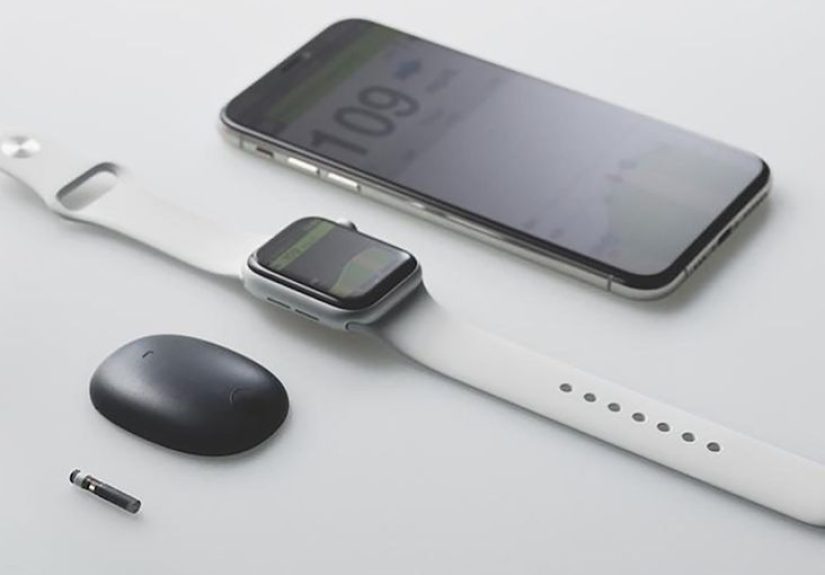
It’s an implantable sensor + a removable transmitter
Eversense is built around a small sensor placed under the skin of the upper arm by a healthcare professional during an in-office procedure.
Over the sensor sits an external “smart transmitter” worn on the skin. Here’s the clever part: the transmitter is removable. So if you’re
doing something where you don’t want anything stuck to you for a bit, you can take it off and put it back on later (following the system’s instructions).
It sends glucose readings frequently and can alert you in more than one way
Like other CGMs, Eversense provides real-time glucose information and trends through a mobile app. The system is designed to help you spot
patterns, respond to lows/highs, and make day-to-day decisions with more confidence than fingersticks alone.
A standout feature: on-body vibration alerts via the transmitter. That means the system can nudge you even if your phone is silenced,
buried in a backpack, or pretending not to hear you (classic phone behavior).
It uses a different sensing approach than many short-wear CGMs
Eversense uses a fluorescence-based sensing method. In plain English: the implanted sensor has a coating that responds to glucose levels,
producing a light signal that gets converted into a glucose reading and sent to your smart device through the transmitter.
Different tech, same goal: actionable glucose data you can actually use.
So… What Does “Back in Business” Actually Mean?
“Back in business” can sound like a movie sequel nobody asked for. In this case, it’s more like a reboot with better hardware and a more direct plan.
Eversense has had an unusual path compared with other CGMspart medical device, part “service model” (because a clinician is involved),
and part long-haul commitment (because you’re not swapping sensors every 10–14 days).
Here are the big beats that explain the comeback narrative:
-
Eversense E3 expanded long-term wear in the U.S. The Eversense E3 system is designed for up to 180 days of wear (about 6 months),
bringing long-duration implantable CGM into the U.S. mainstream conversation. -
Eversense 365 arrived as a one-year CGM. The “365” name is not subtleand that’s the point.
One sensor intended to last up to a year changes the “CGM maintenance” math in a big way. -
Commercialization shiftedagainbut with a clearer “owner.” Senseonics and Ascensia worked together on commercialization for years.
Starting in 2026, commercial operations for Eversense in the U.S. moved under Senseonics to unify R&D, manufacturing, and commercial efforts.
Translation: Eversense isn’t trying to win by being “the same, but slightly cheaper.” It’s trying to win by being different:
fewer sensor changes, a removable transmitter, and a long-term sensor experience designed for people who are over replacing sensors
like it’s a subscription box they never signed up for.
Why a One-Year Implantable CGM Is a Big Deal
The biggest pain point in CGM isn’t always the datait’s the maintenance. Short-wear sensors can be fantastic, but they come with a steady drumbeat:
insert, start-up, adhesive life, sensor life, replace, repeat. For some people, that routine is no big deal. For others, it’s exhausting.
A long-term implantable sensor changes several things at once:
-
Less disruption. When your sensor lasts months (or a year), you spend less time thinking about supply timing, shipping delays,
and whether you packed enough sensors for travel. -
Potential relief for skin and adhesive issues. Many CGM users do great with adhesives. Others get irritation, itching, or
“my skin is filing a formal complaint.” Eversense still uses an on-skin transmitter, but the system’s design and routine can be a better fit
for some people who struggle with traditional patch-based wear. - Fewer insertion events. If you’re insertion-averseor just tired of being a part-time medical device technicianlong wear can matter.
-
A different relationship with alarms. The vibration alerts can be meaningful for people who sleep through phone alarms or
can’t keep a phone close at all times.
None of this means Eversense is automatically “better.” It means it’s a different tooland for the right person, the difference is the point.
Accuracy, Safety, and What the Studies Say (No Lab Coat Required)
Eversense E3 and the PROMISE study
A major clinical study (PROMISE) evaluated accuracy and safety for the next-generation implantable Eversense system over 180 days.
In that study, overall accuracy was strong and the system demonstrated reliable alert detection for low and high glucose thresholds.
Importantly, the study reported no device- or insertion/removal procedure-related serious adverse events.
Studies use a lot of technical metrics (like MARDmean absolute relative difference). You don’t need to memorize the acronym to get the point:
the device was designed to provide accurate readings over extended wear, with safety outcomes that supported broader use.
Eversense 365 and one-year performance
Eversense 365 was cleared for use up to one year in adults. Clinical research and regulatory review emphasized the ability to maintain accuracy over time
and meet “interoperable CGM” (iCGM) performance expectationsmeaning it’s cleared with the intention of meeting special controls designed for CGMs
that can integrate into broader diabetes technology ecosystems.
Practical takeaway: the one-year story isn’t just “it lasts longer.” It’s “it’s intended to last longer while keeping performance stable.”
That’s a higher bar than simply surviving in your arm for 365 days.
What It’s Like in Real Life: The Eversense Process
Step 1: The clinic visit and insertion
Eversense requires a trained healthcare professional for insertion (and later removal/replacement).
The procedure is typically described as an in-office process using local anesthetic. You’ll want to ask how long it takes,
what aftercare looks like, and what activity limits (if any) are recommended right after placement.
Step 2: Linking the system and getting calibrated
Like many CGMs, Eversense relies on calibration using fingerstick blood glucose valuesespecially early on.
For Eversense E3, calibrations are required more frequently right after insertion and then typically decrease after the initial period.
For Eversense 365, the calibration schedule is designed to be lighter over time (often described as primarily weekly after an initial adjustment period),
though the exact routine should come from the official labeling and your care team’s guidance.
Step 3: Wearing the transmitter and living your life
The transmitter sits over the implanted sensor and sends glucose readings to the app. Because it’s removable, some people like the flexibility:
put it on for the day, take it off for a break, then reattach. Others prefer a “set it and forget it” rhythm.
Either way, the day-to-day experience is different from patch-based CGMs, and that difference is exactly why some users seek it out.
Important “Don’t Skip This” Warnings and Gotchas
Implantable CGM isn’t a casual accessory. It’s a prescription medical device, and it comes with specific warnings that are easy to overlook
when you’re focused on the fun part (one sensor for a year!).
-
MRI and imaging considerations. Certain components (like the smart transmitter) may not be MRI compatible and may need to be removed
before an MRI. Ask your care team exactly what that means for you. -
Medication/material sensitivities. Eversense sensors involve dexamethasone (a corticosteroid) in the system design,
and the FDA labeling includes cautions for people who cannot tolerate it. That’s a conversation to have before you commit. -
Interference from specific substances. Some substances used in medical settings (for example, certain sugar alcohols given intravenously)
can cause falsely high readings in some CGM systems, including Eversense. This is not an everyday food issue for most people,
but it matters in clinical settings.
None of this is meant to scare youjust to keep you from being surprised. The best diabetes tech is the tech you understand well enough to trust.
Who Eversense May Be Great For (and Who Might Pass)
People who often love the long-term implantable approach
- Those who hate frequent sensor changes. If changing sensors feels like doing laundryendless, inconvenient, and never emotionally rewardinglong wear is appealing.
- People with skin or adhesive struggles. Some users who deal with irritation from traditional CGM patches look for alternatives.
- Busy schedules and frequent travel. Fewer sensor replacements can mean fewer “oh no” moments on the road.
- People who value vibration alerts. If you miss phone alarms or want discreet alerts, on-body vibrations can be a meaningful feature.
People who may prefer a different CGM style
- Anyone who wants fully DIY insertion. Eversense requires clinician insertion/removal. If you want complete independence, that may be a mismatch.
- People who dislike medical procedures. Even quick procedures can feel like a big dealespecially if you have anxiety around them.
- Those who want zero calibrations. Eversense uses calibration routines. If you strongly prefer factory-calibrated systems, discuss expectations with your clinician.
Insurance Coverage and Cost: The Real-World Gatekeeper
With CGM, “Can I get it?” is often less about desire and more about coverage. The good news: implantable CGM has a documented pathway in Medicare coverage frameworks,
and Eversense is marketed with broad insurance ambitions (including Medicare and commercial plans). The complicated news: coverage still varies by plan,
criteria, and local policiesand implantable CGM includes procedure-related billing, which adds another layer.
If you’re exploring Eversense, these steps help:
- Ask your clinician’s office if they’ve billed it before. Experience matters when prior authorizations and coding are involved.
- Confirm what’s covered: the device, the insertion, and the follow-up. It’s a bundle of care, not just a box shipped to your house.
- Get clarity on replacement timing. If you’re switching from a 6-month system to a 1-year system, timing can affect out-of-pocket costs and approvals.
Where Eversense Fits in the Bigger CGM World
CGM adoption has grown because it works: it helps people see trends, reduce time spent low or high, and make daily management more responsive.
Clinical guidelines increasingly emphasize CGM as a key tool for many people with diabetes, especially those using insulin.
Eversense’s role is not to replace every other CGM. It’s to serve the slice of the market that wants:
long wear, fewer sensor changes, and a removable transmitter. That’s a real slicebig enough that Eversense 365 exists at all.
And the “back in business” part matters because it signals staying power: a one-year CGM is not a hobby project.
It requires manufacturing consistency, provider training, payer negotiation, and a commercial engine that can support users for the long haul.
Questions to Ask Your Clinician Before You Choose an Implantable CGM
- Am I a good candidate for an implantable CGM based on my diabetes type, therapy, and goals?
- What’s the insertion and removal process like at this clinic (timing, aftercare, follow-up)?
- What is the expected calibration schedule for me, and what happens if I miss one?
- How should I handle MRIs or other imaging procedures with this system?
- What does my insurance cover: sensor, transmitter, insertion, and removal?
- If I use an insulin pump or AID system, what integrations are available nowand what’s “future” vs. “today”?
The Bottom Line
Eversense is “back in business” because it’s pushing implantable CGM into a new category: not just long-term, but truly long-term.
With Eversense 365, the pitch is simple and bold: one sensor, one year, less disruption.
The reality is also simple (and important): it’s a powerful option for the right personand the wrong option for someone who wants a no-procedure, no-calibration experience.
If you’re the kind of CGM user who’s tired of constant sensor swaps, wants more flexibility, and doesn’t mind a clinic-based approach,
Eversense 365 is a serious contender. And if you’re not? That’s fine too. Diabetes tech is personal.
The goal isn’t to pick the “coolest” deviceit’s to pick the one you’ll actually use confidently on a random Tuesday in February.
Real-World Experiences: What “Back in Business” Feels Like Day to Day (500+ Words)
When people talk about Eversense being “back,” they’re often talking about something more human than regulatory approvals:
momentum. The feeling that the product is actively supported, easier to access, and worth considering again.
And the lived experience of an implantable CGM ispredictablydifferent from the “peel, stick, press” routine of short-wear sensors.
Scenario 1: The adhesive-sensitive athlete.
Imagine someone who loves training but hates the battle between sweat and adhesive. With a traditional CGM, it can feel like you’re running a side quest:
“Find tape that doesn’t itch, doesn’t peel, doesn’t look like you’re wrapping a Christmas present, and doesn’t rip your skin off.”
People who struggle here often describe Eversense as a different rhythm. The implanted sensor isn’t going anywhere during a workout,
and the transmitter can be managed according to the day’s needs. Instead of worrying about a sensor getting knocked loose mid-run,
the focus shifts back to the actual goal: staying in range and finishing the workout without glucose chaos.
Scenario 2: The night-shift worker who sleeps through alarms.
A phone alarm is only useful if it wakes you up. Some users describe vibration alerts as a “finally” featurelike the device is tapping you on the shoulder
rather than shouting from across the room. For people who sleep deeply or keep their phone across the room (because scrolling at 2 a.m. is a trap),
the transmitter’s on-body vibration can feel more direct and less missable. It’s not magicyou still have to respondbut it’s a different kind of nudge.
Scenario 3: The traveler who is tired of packing diabetes supplies like they’re moving out.
Travel with diabetes often means redundancy: extra sensors, extra adhesives, extra chargers, extra everythingplus the low-key anxiety of “What if my sensor fails on day 2?”
People who like long-term implantable CGM often describe the mental relief of fewer replacement events. There’s still the transmitter and supplies,
but the “sensor replacement clock” becomes much quieter. For some, that’s not just convenientit’s psychologically freeing.
Scenario 4: The person who wants fewer “device moments.”
Short-wear CGMs are incredible, but they can create regular device-focused moments: insertion day, warm-up day, “is it accurate yet?” day,
“why is the adhesive curling?” day, “I caught it on my shirt” day. Implantable CGM doesn’t eliminate device moments, but it compresses them.
You trade frequent home insertions for scheduled clinic moments. Some people strongly prefer that trade: fewer DIY steps, fewer surprises,
and a longer stretch where the system simply runs in the background.
Scenario 5: The “I want options” mindset.
A big part of Eversense being “back in business” is that it’s increasingly part of the mainstream CGM conversation again.
That matters because diabetes management is not one-size-fits-all. Some people thrive on the simplicity of short-wear sensors.
Others want a longer-wear alternative that better fits their lifestyle, skin, work demands, or personal preferences.
In real life, the best feeling isn’t “I picked the fanciest device.” It’s “I picked a device that fits meand I can stop thinking about it so much.”
That’s the real headline: Eversense 365 isn’t just a longer sensor. For the right user, it’s a different experienceless swapping, more continuity,
and a relationship with diabetes tech that feels a little more like support and a little less like chores.