Table of Contents >> Show >> Hide
- What Is the Paleo Diet, Exactly?
- Does Paleo Work for Weight Loss?
- How Much Weight Can You Lose on Paleo?
- Paleo Pros for Weight Loss (and Overall Health)
- Paleo Cons (and Why Some Experts Raise Eyebrows)
- Who Might Benefit Most from Paleo for Weight Loss?
- How to Do Paleo for Weight Loss (Without Accidentally Eating 2,000 Calories of Almond Butter)
- Sample 1-Day Paleo Meal Plan for Weight Loss
- Paleo vs. Other Weight Loss Diets
- Common Mistakes That Make Paleo Weight Loss Harder
- How to Make Paleo More Sustainable
- So… Is Paleo “Healthy”?
- Real-World Experiences (Extra )
- Conclusion: The Honest Paleo Verdict
The Paleo diet has a reputation for making people drop pounds fastsometimes because it “fixes your metabolism,” sometimes because it
“eliminates inflammation,” and sometimes because it quietly removes half the snack aisle from your life. So which is it? Spoiler: it’s usually the
snack aisle.
In this deep-dive review, we’ll unpack what the Paleo diet really is, what the research suggests about weight loss, what can go sideways
(hello, calcium and fiber), and how to do Paleo in a way that feels less like a caveman cosplay and more like a sustainable, real-life eating plan.
What Is the Paleo Diet, Exactly?
“Paleo” is short for “Paleolithic,” and the basic idea is simple: eat more like humans did before modern agriculture and heavy food processing.
In practice, Paleo usually means building your meals from whole foods and avoiding several major food groups.
Foods Paleo typically includes
- Meat and poultry (ideally leaner cuts more often)
- Fish and seafood
- Eggs
- Vegetables (especially non-starchy veggies)
- Fruit
- Nuts and seeds
- Oils and fats like olive oil, avocado oil, and coconut (depending on the “version”)
Foods Paleo typically excludes
- Grains (wheat, rice, oats, corn, etc.)
- Legumes (beans, lentils, peanuts, soy)
- Dairy (milk, yogurt, cheesethough some people do “Paleo-ish” with it)
- Refined sugar and most ultra-processed foods
There’s no single official Paleo rulebook. Some people go strict (no exceptions), while others use Paleo as a “default setting” and bend it
for lifestyle, budget, or sanity. That flexibility matters, because adherence is often the hidden boss level in any weight loss plan.
Does Paleo Work for Weight Loss?
For many people, Paleo can lead to weight lossespecially in the first few months. But it’s not because your body suddenly remembers it used
to chase mammoths. It’s usually because Paleo changes what and how you eat in ways that make it easier to consume fewer calories without feeling
constantly hungry.
Why Paleo often leads to weight loss
-
It cuts out a lot of ultra-processed food. When meals are built around whole foods, many people naturally reduce calories. Research
in controlled settings has also shown that ultra-processed diets can drive higher calorie intake and weight gain compared with unprocessed diets. -
Higher protein can mean higher satiety. Many Paleo eaters end up consuming more protein than before, which can help with fullness
and make it easier to maintain a calorie deficit. -
More fiber-rich produce (sometimes). Paleo often increases vegetables and fruit, which add volume and fibergreat for appetite control.
(But this benefit depends on whether your plate is actually veggie-forward or just “steak-forward.”) - It reduces “easy calories.” No sugary drinks, fewer desserts, fewer refined carbs. That alone can create a meaningful calorie gap.
What research suggests (without overselling it)
Studies and meta-analyses generally suggest Paleo-style diets can reduce body weight and waist circumference in the short term, and may improve
some cardiometabolic markers in certain groups. The big asterisk: long-term evidence is limited, and strict Paleo can be hard to sustain for many
peopleso results vary based on consistency and food choices.
In plain English: Paleo can work for weight loss, but it’s not magic. It’s a structured way to eat more whole foods. If it helps you eat fewer
calories and stick with it, weight loss is likely. If it turns into “unlimited nuts + bacon” or “Paleo cookies are health food,” weight loss often
slows downor reverses with impressive enthusiasm.
How Much Weight Can You Lose on Paleo?
Weight loss outcomes depend on your starting point, calorie intake, activity level, sleep, andmost importantlyhow consistently you follow the plan.
Many people see faster loss early on due to reduced processed carbs and lower overall calorie intake. Some also lose water weight initially if their
carb intake drops substantially.
A more realistic lens is this: if Paleo helps you maintain a steady calorie deficit (even a modest one), you can lose weight at the same pace you
would on other effective diets. The “best” diet is often the one you can follow long enough to make the results stick.
When Paleo weight loss tends to stall
- Portion creep: nuts, nut butters, coconut products, and oils are Paleo-friendlyand calorie-dense.
- Too many “Paleo treats”: sugar swapped for honey or maple syrup is still sugar.
- Too little produce: if vegetables are a garnish, you miss out on volume and fiber.
- Restaurant reality: “no grains, no dairy, no legumes” can make eating out harder, which can reduce consistency.
Paleo Pros for Weight Loss (and Overall Health)
1) A built-in “whole foods” upgrade
Paleo naturally pushes you toward cooking and away from heavily processed foods. For weight loss, that’s a powerful shift. It’s also why many people
report fewer cravings and better appetite control after the first adjustment phase.
2) Higher protein, often without counting macros
Without bread, pasta, and cereal as defaults, people often replace those calories with protein and vegetables. Higher protein can help preserve lean
mass during weight loss and may improve satiety.
3) Blood sugar-friendly for some people
Paleo tends to reduce refined carbs and added sugars, which may help some individuals improve blood sugar controlespecially when meals emphasize
vegetables, lean proteins, and minimally processed fats.
4) Simpler rules (for certain personalities)
Some people do better with clear boundaries. Paleo can be mentally easier than “eat everything in moderation,” because the decision tree is shorter:
“Is it a whole food? Cool. Is it a heavily processed grain-based snack? Not today, cereal bar.”
Paleo Cons (and Why Some Experts Raise Eyebrows)
1) Cutting out whole grains, legumes, and dairy can create nutrient gaps
These food groups provide fiber, calcium, vitamin D (often fortified), and B vitamins. Removing them isn’t automatically harmfulbut it does mean you
need to plan. If you don’t replace those nutrients thoughtfully, you may fall short over time.
2) Fiber can drop if vegetables aren’t doing the heavy lifting
If you remove beans and whole grains but don’t increase vegetables, fruits, nuts, and seeds strategically, fiber intake can decrease. Low fiber may
affect digestion, cholesterol levels, and fullness.
3) “Paleo” can become high saturated fat if meat choices skew fatty
Paleo doesn’t require high saturated fat, but it can drift thereespecially with frequent bacon, sausage, ribeye-as-a-food-group, and lots of coconut
products. A more weight-loss-friendly Paleo pattern prioritizes lean proteins, seafood, and plant fats like olive oil and avocado.
4) Cost and convenience are real barriers
Fresh meat, seafood, produce, and nuts can be more expensive than staple grains and beans. Meal prep helps, but it’s still a factorespecially for
families or anyone shopping on a budget.
5) Long-term sustainability can be tricky
The stricter the rules, the more “food friction” you may face: social events, travel, restaurants, and even your own boredom. If you can’t sustain it,
the best nutritional theory in the world won’t matterbecause you’ll stop doing it.
Who Might Benefit Most from Paleo for Weight Loss?
Paleo may be a good fit if you:
- Want a structured plan that reduces ultra-processed foods
- Feel better eating higher protein meals
- Do well with “rules” rather than flexible moderation
- Prefer cooking and can prep meals most days
Paleo may be a poor fit if you:
- Rely on quick, budget-friendly staples (beans, rice, oats)
- Have a history of disordered eating and find rigid rules triggering
- Need higher-carb fueling for certain sports and struggle without grains
- Have medical needs that require individualized nutrition guidance
If you have diabetes, kidney disease, heart disease risk, or are pregnant, it’s smart to discuss major diet changes with a qualified clinicianespecially
if your Paleo approach significantly changes carbohydrate, protein, or saturated fat intake.
How to Do Paleo for Weight Loss (Without Accidentally Eating 2,000 Calories of Almond Butter)
Make the plate veggie-forward
A practical weight-loss Paleo plate often looks like: half non-starchy vegetables, a palm-sized protein, and
a measured portion of fat. Fruit can be included daily, especially berries and whole fruit rather than dried fruit.
Choose protein like a strategist, not a barbecue mascot
- More often: fish, chicken, turkey, lean beef, eggs, shellfish
- Sometimes: fattier cuts, bacon, sausages (especially if processed)
Be intentional with calorie-dense “healthy” foods
Nuts, seeds, oils, and coconut products are nutritiousbut easy to overdo. If weight loss is your goal, treat these like “power tools,” not like confetti.
Measure them at first. Your eyeballs are not a certified measuring instrument.
Don’t let “Paleo” become “dessert with better marketing”
Swapping flour for almond flour and sugar for maple syrup doesn’t automatically make something weight-loss-friendly. It just makes your dessert
more expensiveand sometimes more calorie-dense. Fun? Yes. Daily? Probably not.
Sample 1-Day Paleo Meal Plan for Weight Loss
Breakfast
- Veggie omelet (eggs + spinach + mushrooms + peppers)
- Side of berries
- Coffee or tea (watch the sugary add-ins)
Lunch
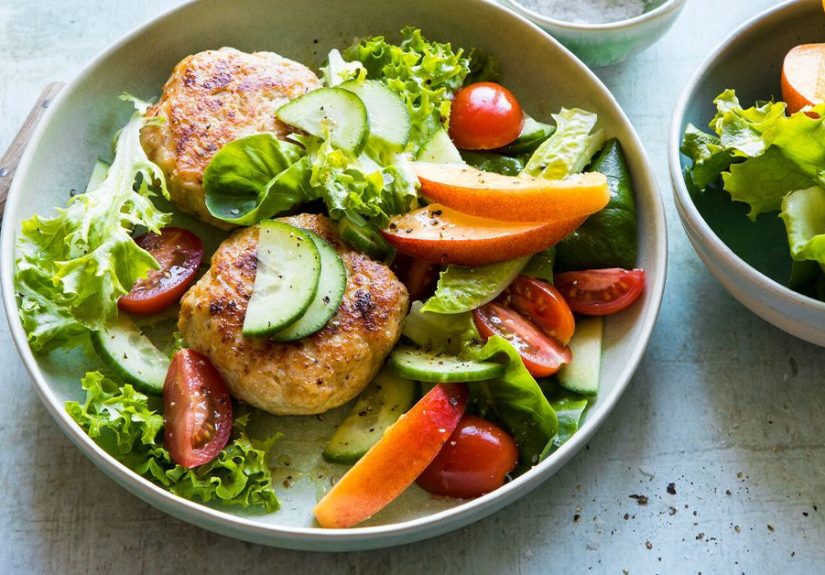
- Big salad: mixed greens + grilled chicken or salmon + cucumber + tomatoes + olives
- Olive oil + lemon dressing (measured)
- Optional: roasted sweet potato if you need more carbs for activity
Snack (if needed)
- Apple + a small portion of nuts
- Or carrots + guacamole
Dinner
- Stir-fry: shrimp or turkey + broccoli + zucchini + onions
- Serve over cauliflower rice (or just a bigger vegetable portion)
This is not the only “right” day. It’s an example of a Paleo pattern that prioritizes protein and vegetables while keeping calorie-dense fats in check.
Paleo vs. Other Weight Loss Diets
Paleo vs. Mediterranean
Both diets emphasize whole foods, vegetables, and healthier fats. Mediterranean-style eating includes whole grains, legumes, and often dairy, which can
make it easier to meet fiber and calcium needs. Paleo may feel simpler for people who want stricter rules, but Mediterranean is often easier to sustain
long-term for many.
Paleo vs. Low-Carb/Keto
Paleo is often lower in carbs than a standard diet, but it’s not necessarily keto-level low. Many Paleo eaters still include fruit and starchy vegetables.
Keto is more restrictive on carbs; Paleo is more restrictive on food groups. In real life, Paleo tends to feel more flexible than keto for many people.
Paleo vs. “Just Eat Fewer Calories”
Calories matter for weight loss, but behavior matters for sticking with it. Paleo is basically a structure that can make “fewer calories” easierby
increasing satiety and reducing processed foods. If Paleo helps you consistently eat less without suffering, it’s doing its job.
Common Mistakes That Make Paleo Weight Loss Harder
- Skipping vegetables and relying on meat + fat as the main event
- Over-snacking on nuts, dried fruit, and “Paleo bars”
- Under-eating protein and feeling hungry all day (then face-planting into dinner)
- Not planningwhich often leads to “accidental takeout”
- Going too strict too fast, then quitting dramatically on day 10
If you recognize yourself here, congratulations: you’re normal. Adjust the plan, don’t abandon it.
How to Make Paleo More Sustainable
Consider a “Paleo-ish” approach
Some people get the main benefits (more whole foods, fewer processed foods) without cutting out every non-Paleo food forever. If adding back
occasional legumes or yogurt improves fiber, calcium, convenience, and adherence, it may help you stick with the planand stick with results.
Build a repeatable grocery list
- Proteins: chicken, eggs, canned tuna/salmon, lean ground turkey, frozen shrimp
- Vegetables: leafy greens, broccoli, carrots, zucchini, onions, frozen mixed veg
- Fruits: berries, apples, oranges, bananas (portion-aware)
- Fats: olive oil, avocado, a measured stash of nuts/seeds
- Flavor: salsa, mustard, herbs/spices, vinegar, lemon/lime
Use meal templates
Templates reduce decision fatigue. Example: “protein + two vegetables + sauce.” Rotate proteins and sauces; keep the structure. This is how adults
avoid living on random handfuls of almonds and vibes.
So… Is Paleo “Healthy”?
Paleo can be healthy when it’s built around vegetables, fruits, lean proteins, seafood, and mostly unsaturated fatswhile limiting processed meats and
keeping saturated fat reasonable. The health debate tends to focus on what Paleo excludes (whole grains, legumes, dairy) and whether those exclusions
help you or just make life harder.
The most defensible takeaway is this: the Paleo diet’s biggest strength is reducing ultra-processed foods and increasing whole-food meals. If you can get
those benefits while still meeting nutrient needs and maintaining consistency, you’re in a strong position for weight loss.
Real-World Experiences (Extra )
Let’s talk about what Paleo often feels like in actual human lifenot in a perfectly lit kitchen where someone “just throws together” wild-caught salmon,
a rainbow salad, and a mortgage payment.
Week 1: The Great Pantry Breakup. Many people start Paleo by dramatically removing bread, cereal, pasta, snacks, and sugary drinks.
This can feel empowering… until day three, when you realize you used to eat “a little something” every time you walked past the kitchen. Some folks
notice headaches, irritability, or low energy early onoften because their usual refined carbs disappeared overnight. It’s not always “detox.”
It’s sometimes just “your routine changed and your body is negotiating.”
Week 2: Hunger gets calmer (if you’re doing it right). When meals include enough protein and vegetables, many people report feeling
more satisfied between meals. Breakfast with eggs and vegetables can keep you full longer than a bagel that vanishes from your bloodstream like it owes
money. Cravings can still show upespecially at nightbut they often get quieter when you’re consistently eating filling meals.
The surprise challenge: snacks that look innocent. Paleo-friendly snacks can be sneaky: trail mix, nut butter, “clean” bars, dried fruit,
coconut chips. They’re not “bad,” but they’re calorie-dense. People often share the same story: “I was doing great… and then I discovered cashew butter.”
Weight loss tends to improve when snacks become optional rather than automatic, or when portions are pre-planned.
Social life: the real boss battle. Eating out is doable (protein + veggies is everywhere), but strict rules can make it stressful. Some
people thrive with clear boundaries; others feel isolated. A common “success move” is choosing a flexible version: follow Paleo most of the time, but
don’t panic if a sauce has a little dairy or if you have beans at a family dinner. Consistency beats perfectionespecially if perfection makes you quit.
What long-term Paleo looks like for many people: it often becomes “whole-food-first” rather than “never touch a lentil.” People keep the
core wins (more cooking, fewer ultra-processed foods, better protein at meals) and loosen the strictest rules to make it sustainable. That’s not failure.
That’s called having a life.
Conclusion: The Honest Paleo Verdict
The Paleo diet can work for weight lossespecially if it helps you eat more whole foods, increase protein, and reduce ultra-processed calories. The best
results usually come from a Paleo pattern that’s vegetable-forward, portion-aware with calorie-dense fats, and built for real-life consistency.
The main downsides are sustainability and nutrient gaps if you cut out whole grains, legumes, and dairy without smart replacements. If strict Paleo feels
too rigid, a “Paleo-ish” approach that keeps the whole-food focus while improving flexibility may be the most effective version for long-term weight loss.