Table of Contents >> Show >> Hide
- Why Aquatic Snail Care Matters More Than People Think
- How to Take Care of an Aquatic Snail: 12 Steps
- Step 1: Choose the right species for your tank
- Step 2: Set up a fully cycled aquarium first
- Step 3: Keep the water stable, not dramatic
- Step 4: Give them hard, mineral-rich water
- Step 5: Leave space at the top and use a tight lid
- Step 6: Feed more than “whatever algae happens to be there”
- Step 7: Use safe substrate and smooth decor
- Step 8: Choose peaceful tank mates
- Step 9: Test the water and do regular maintenance
- Step 10: Watch out for copper and unsafe treatments
- Step 11: Control breeding by controlling food and species choice
- Step 12: Learn the signs of stress, illness, or death
- Common Mistakes New Snail Owners Make
- Conclusion
- Real-World Experiences With Aquatic Snail Care
If you bought an aquatic snail because you wanted a tiny, low-maintenance aquarium janitor, welcome to the club. If you bought one because it looked like a living cinnamon roll with opinions, also welcome. Aquatic snails are charming, useful, and surprisingly easy to care foronce you stop assuming they can survive on vibes and one sad patch of algae.
The truth is simple: aquatic snails do best in clean, stable, mineral-rich water with enough food, safe tank mates, and a tank that won’t turn into either a chemistry experiment or a snail jailbreak scene. While species differ, the basics are refreshingly manageable. Whether you keep a nerite, mystery snail, rabbit snail, or another common freshwater favorite, these 12 steps will help you build a setup that supports healthy shells, steady activity, and a much lower chance of “Why is my snail on the floor?”
Why Aquatic Snail Care Matters More Than People Think
Aquarium snails are often sold as cleanup crew, which is truebut only partly. They eat algae, leftover food, decaying plant matter, and other organic debris. That makes them useful, but not magical. They do not replace water changes. They do not erase overfeeding. They do not run your filter while wearing a tiny hard hat.
Good aquatic snail care matters because snails react quickly to poor conditions. Soft, acidic water can damage shells. Aggressive fish can nip antennae or harass them constantly. Copper-based treatments can be dangerous or deadly. And a tank with too little food can leave a “helpful algae eater” slowly starving in a beautifully clean aquarium. In other words, aquatic snails are easy petsbut they are still pets, not decorative punctuation.
How to Take Care of an Aquatic Snail: 12 Steps
Step 1: Choose the right species for your tank
Before you bring home a snail, choose a species that matches your aquarium size, water conditions, and goals. Nerite snails are famous algae grazers and usually do not overrun freshwater tanks because their young need brackish conditions to hatch. Mystery snails are larger, more interactive, and fun to watch, but they need plenty of minerals and produce more waste. Rabbit snails are quirky, larger-bodied explorers that appreciate more room and gentle surroundings.
If your goal is light algae control in a peaceful community tank, nerites are often the easiest fit. If you want a larger “pet-like” snail with more personality, mystery snails are a popular option. If you buy first and research later, you may accidentally end up with a species that grows bigger, breeds faster, or bulldozes your aquascape like a tiny construction vehicle.
Step 2: Set up a fully cycled aquarium first
Never drop an aquatic snail into an uncycled tank and hope for the best. Snails are sensitive to unstable water chemistry, especially ammonia and nitrite. A proper nitrogen cycle is the boring adulting part of fishkeeping, but it is also the part that keeps your snail alive.
A small freshwater snail tank should include filtration, dechlorinated water, and stable parameters before your snail arrives. Even though some species are hardy, “hardy” does not mean “happy in toxic water.” A mature tank with biofilm, gentle surfaces to graze, and stable chemistry gives snails a much better start.
Step 3: Keep the water stable, not dramatic
Aquatic snails usually do best in steady water rather than water that swings between extremes. For many popular freshwater species, that means moderate tropical temperatures and a pH at or above neutral. Rapid temperature changes stress snails, and direct sunlight can heat the tank during the day and cool it too much at nightnot to mention fuel algae chaos.
Consistency matters more than chasing perfection. Pick a species-appropriate range, then keep it stable. A heater may be useful in cooler rooms, and a thermometer is not optional unless you enjoy guessing games with living animals.
Step 4: Give them hard, mineral-rich water
If there is one aquatic snail care tip people learn late, it is this: shells are built, not wished into existence. Snails need calcium and other minerals for healthy shell growth. In very soft water, shells can become thin, pitted, chalky, cracked, or eroded. That shell damage is not “character.” It is a cry for better minerals.
Many aquarists support shell health with calcium-rich foods, cuttlebone, crushed coral, or snail-safe mineral supplements. Harder water and a slightly alkaline environment are often better for common freshwater snails than soft, acidic water. If your snail’s shell starts looking like an old sidewalk, test the water and address the mineral issue quickly.
Step 5: Leave space at the top and use a tight lid
Many aquatic snails are talented climbers and occasional escape artists. A tank with a loose lid or open gaps is basically an invitation letter. Some snails also move toward the waterline naturally, and species that breathe atmospheric air need access to the surface.
Keep the water level slightly below the top of the tank, make sure the lid fits securely, and cover obvious escape gaps. This is one of those care steps that sounds overly cautious until you find your snail halfway across the stand on a mission no one authorized.
Step 6: Feed more than “whatever algae happens to be there”
Yes, aquarium snails eat algae. No, that is not always enough. In fact, one of the most common snail care mistakes is assuming the snail can live forever on leftovers and mystery crumbs. In a very clean tank, or in a tank where fish outcompete the snail, the animal may slowly starve.
Supplement their diet with algae wafers, sinking invertebrate foods, blanched zucchini, cucumber, green beans, spinach, or other snail-safe vegetables. Some species also appreciate protein in moderation through quality sinking foods. Remove uneaten food before it fouls the water. Think of feeding as support, not a buffet that runs 24/7.
Step 7: Use safe substrate and smooth decor
Aquatic snails spend their lives gliding, climbing, burrowing, and grazing. Sharp gravel and rough decorations can injure their foot or shell, especially for burrowing or heavy-bodied species. Smooth gravel, sand, driftwood, rocks, and sturdy plants usually create a safer environment.
Live plants are often a plus, especially for biofilm and natural grazing surfaces. Many snails leave healthy plants alone, though some species may nibble delicate leaves if underfed. In general, a planted tank with stable surfaces gives snails more places to explore and fewer ways to hurt themselves.
Step 8: Choose peaceful tank mates
Aquatic snails pair best with calm community fish that are not interested in turning antennae into appetizers. Good companions often include small tetras, rasboras, corydoras, and other peaceful species. Bad companions include snail-eating loaches, puffers, many large aggressive fish, crayfish, and crabs.
A snail that hides constantly, loses antennae, or keeps getting knocked over may not be “shy.” It may be living with jerks. Compatibility is not just about whether the snail survives. It is about whether it can move, feed, and behave normally without harassment.
Step 9: Test the water and do regular maintenance
Healthy snail care still includes the basics: test water regularly, watch ammonia and nitrite closely, keep nitrate under control, and do partial water changes as needed. In many home aquariums, that means a routine of around 10% to 25% water changes depending on tank load, filtration, and water quality.
Keep the filter running properly, vacuum excess debris, and avoid letting piles of food rot in the substrate. Snails enjoy detritus, but an overfed, dirty tank can lead to poor water quality and explosive pest-snail reproduction. A clean tank is healthier for desired snails too.
Step 10: Watch out for copper and unsafe treatments
This is a big one. Many invertebrates, including snails, are sensitive to copper and some medications marketed for aquarium problems. Always read labels before adding medicine, algae treatments, or mystery liquids with suspiciously confident promises.
If a product is not safe for invertebrates, do not gamble. The gamble is bad. The house almost always wins. If you need to treat fish in a tank with snails, research alternatives or move the fish to a separate treatment setup when appropriate.
Step 11: Control breeding by controlling food and species choice
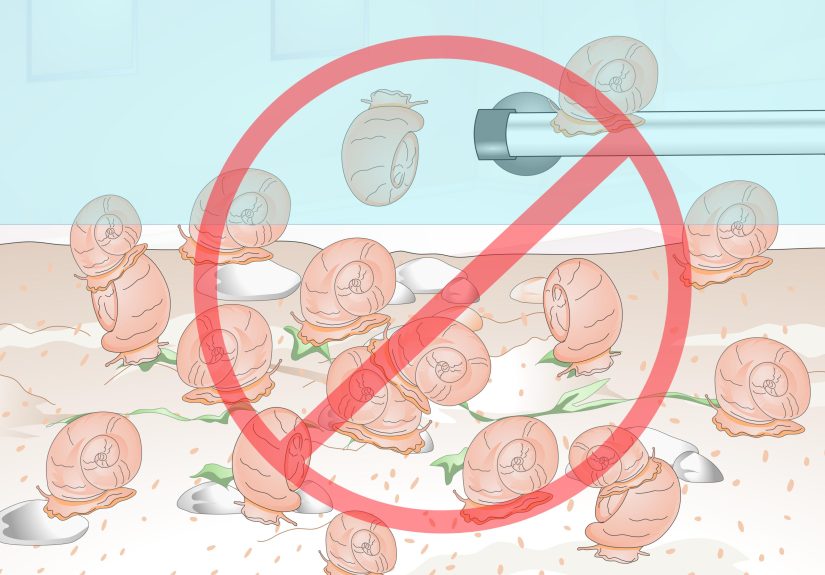
Some freshwater snails reproduce like they have a signed contract with chaos. Others, like nerites, may lay eggs in freshwater but usually will not hatch there. If you want to avoid population explosions, choose species carefully and do not overfeed.
Extra food drives snail booms because it gives hatchlings and adults a constant buffet. Quarantine or inspect live plants before adding them, because hitchhiking eggs and baby snails are common. If you suddenly have more snails than you ordered, the tank is telling you somethingusually that there is too much available food.
Step 12: Learn the signs of stress, illness, or death
A healthy aquatic snail is usually active at some point during the day or night, responds when touched, and shows a solid, intact shell. New snails may stay still for a day or two after being introduced, so a short adjustment period is not always alarming.
Red flags include a foul smell, the body hanging limply from the shell, severe shell erosion, prolonged inactivity without response, or repeated floating combined with other signs of decline. When in doubt, do the smell test carefully. It is not glamorous, but it is effective. A dead snail smells unforgettable in the worst possible way.
Common Mistakes New Snail Owners Make
- Buying a snail for algae control but never supplementing food
- Keeping snails in soft, mineral-poor water
- Adding them to an uncycled tank
- Ignoring aggressive tank mates because “the shell protects them”
- Using copper-based medications without checking labels
- Overfeeding and then blaming the snail population explosion on fate
Conclusion
Taking care of an aquatic snail is not difficult, but it does require intention. Start with the right species, cycle the tank, keep water stable, supply calcium, feed more than just accidental algae, and avoid aggressive tank mates and unsafe chemicals. Do that, and your snail can become one of the most entertaining, useful, and oddly relaxing creatures in your aquarium.
In the end, aquatic snail care is less about “doing a lot” and more about “doing the basics well.” Stable water, enough minerals, enough food, and enough peace. Give your snail those four things, and it will happily spend its days cruising the glass like a tiny underwater Roomba with a shell.
Real-World Experiences With Aquatic Snail Care
One of the funniest things about keeping aquatic snails is how quickly they go from “background livestock” to “the pet everyone in the house asks about.” People often start with a nerite or mystery snail because they want help with algae, then a week later they are checking on the snail before they even look at the fish. That is the snail effect. It sneaks up on you slowly, much like the snail itself.
A common beginner experience is surprise. Surprise at how active snails can be. Surprise at how far they climb. Surprise at how much personality a creature with no eyebrows can somehow communicate. Many first-time owners assume a snail that stays still for a few hours is in terrible danger, when in reality it may simply be resting, grazing in place, or adjusting to a new environment. Then the same owner panics again when the snail suddenly cruises across the glass at top snail speed, which is still not fast, but emotionally it feels dramatic.
Another frequent lesson comes from shell condition. New keepers often notice tiny pits, rough growth lines, or worn shell edges and realize that aquatic snail care is really water chemistry care in disguise. This is usually the moment they begin paying attention to hardness, calcium, and pH instead of just temperature. It is also when they learn that a snail can be alive, active, and still quietly telling you the water needs work. Snails are subtle like that. They do not throw tantrums. They hand you shell damage and expect you to connect the dots.
Feeding is another area where real-life experience changes people fast. At first, many owners assume algae is plenty. Then the tank gets cleaner, the snail gets slower, and somebody finally drops in a blanched zucchini slice or algae wafer. Suddenly the snail appears like it got a dinner reservation and a text alert. Watching a snail park itself on food for hours is one of the most peaceful scenes in fishkeeping. It is also oddly satisfying because it confirms that your “cleanup crew” had been waiting for actual groceries.
Then there is the classic escape lesson. Nearly every long-term snail keeper either has a tight-fitting lid now or has a story explaining why they finally bought one. Snails are curious, persistent, and much better climbers than newcomers expect. The experience teaches a useful truth: good snail care is often preventative. You protect them best by planning for the silly thing before the silly thing happens.
Perhaps the most valuable real-world insight is that snail populations usually reflect tank habits. When “pest” snails multiply, experienced aquarists often look at feeding, debris, and maintenance before blaming the snails themselves. That mindset shift is huge. Snails become less like invaders and more like tiny, slow-moving feedback devices. In a strange way, they train aquarists to be better aquarists. And for an animal that spends half the day on the glass and the other half judging your feeding schedule, that is pretty impressive.