Table of Contents >> Show >> Hide
- Why “Normal” Can Still Feel Gross
- The 33 Replies: A Guided Museum Tour of Everyday Ick
- What These “Gross Habits People Think Are Normal” Have in Common
- So… Are These Actually Dangerous, or Just Vibe-Off?
- A Few Practical Fixes (Without Turning Into the Fun Police)
- Conclusion: The Internet’s Gross Habit Mirror
- Extra: of Field Notes from the Land of “Normal”
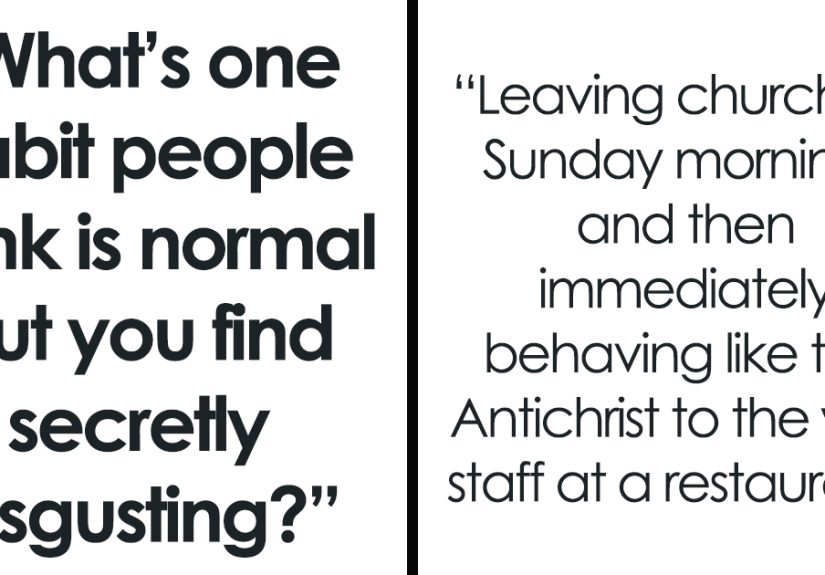
Every so often, the internet does what it does best: takes a simple question and turns it into a full-body shiver. This time, a netizen lobbed a deceptively innocent prompt into the void: “What’s one habit people think is normal but you find secretly disgusting?” Within minutes, the replies rolled in like a haunted Roombabumping into every corner of modern life and dragging up dust bunnies made of social norms, hygiene habits, and pure, uncut “why would you do that?”
The result? Thirty-three tiny confessions and accusations that feel like they should come with a hand-sanitizer sponsorship. Some were about germs. Some were about manners. And some were about the kind of behavior that’s technically legal but spiritually unsettling. If you’ve ever smiled politely while your brain screamed “secretly disgusting habits!”welcome. You’re among friends.
Why “Normal” Can Still Feel Gross
“Disgust” isn’t just drama. It’s your brain’s bounceran ancient, overworked security guard trying to keep questionable things out of your body. Psychologists often describe disgust as part of a disease-avoidance system: cues that might signal contamination can trigger a visceral “nope,” even when the real risk is low. That’s why two people can watch the same actsay, someone licking their fingers while cookingand one shrugs while the other astral-projects out of the kitchen.
Add culture, upbringing, and personal boundaries, and suddenly “normal” becomes “normal to you,” which is how we end up living in a society where some folks wear outside shoes on their beds like it’s a fashion show sponsored by sidewalk bacteria.
The 33 Replies: A Guided Museum Tour of Everyday Ick
Below are the 33 themes that popped upeach one a little snapshot of how humans can be both marvelous and mildly horrifying. Consider this list a public service announcement with jokes and feelings.
Bathroom & Personal Hygiene (Where Hope Goes to Rinse and Not Lather)
- The “quick rinse” hand wash. Water-only handwashing after the restroom: the hygiene equivalent of whispering “sorry” to bacteria and hoping they leave.
- Not washing hands at all. The boldest form of confidence: striding out like germs are a myth invented by Big Soap.
- Using a phone on the toilet… then setting it on the kitchen counter. A two-act tragedy starring your touchscreen as the villain.
- Flushing with the lid up. Some people treat the toilet like it’s a tiny indoor fountain. Others prefer not to aerosolize the moment.
- Toothbrushes stored near the toilet. Nothing says “fresh breath” like a brush living in the splash zone of your bathroom ecosystem.
- Sharing towels like they’re community property. “We’re a close family” is sweet until you realize you’re also sharing everyone’s skin oils and mystery moisture.
- Reusing the same bath towel for weeks. At a certain point, it’s not “air-drying,” it’s “fermenting.”
- Clipping nails in a shared bathroom. It’s the soundtracksnip, snipthat really sells the horror.
Kitchen Habits (Where Germs Become a Side Dish)
- The eternal kitchen sponge. Some sponges have seen things. Some sponges have grown things. Either way, they deserve retirement, not a sequel.
- Wiping counters with a “multipurpose” rag that’s… seen it all. If the same cloth cleans the sink, the counter, and “a quick spill,” we’re entering cross-contamination fan fiction.
- Using one cutting board for everything. Raw chicken and fresh strawberries should not be roommates.
- Double-dipping in shared salsa. It’s not just rudeit’s the culinary version of returning a library book with bite marks.
- Tasting with a spoon, then putting the spoon back in the pot. Congratulations, you’ve invented “family-style saliva broth.”
- Not washing reusable water bottles regularly. People treat them like magical hydration artifacts that never need soapuntil the bottle develops a personality.
- Leaving dirty dishes “to soak” overnight. Soaking is fine. Creating a swamp exhibit is not.
Home Cleanliness & Laundry (The Quiet Crimes)
- Never washing bed sheets. Some folks treat sheets like furniture“Why would I wash my couch?”and forget that humans leak oils and sweat like tiny fountains.
- Wearing “outside clothes” in bed. Public transit pants on clean sheets? That’s not relaxing. That’s a moral dilemma.
- Walking around the house in outside shoes. It’s the confidence that gets people: stepping onto carpet like sidewalks didn’t just happen.
- Sitting on the bed after being out all day. The bed is supposed to be a sanctuary, not a layover between errands and sleep.
- Using the same pillow for years without washing it. That’s not a pillow. That’s an heirloom of skin cells.
- Kitchen sink neglect. People will sanitize a cutting board but treat the sink like it self-cleans via “vibes.”
- Toothbrush holders that never get cleaned. The holder becomes a tiny microbial apartment complex with premium humidity and no rent control.
Public Etiquette (AKA “Please Don’t Do That Near Me”)
- Talking with a mouth full of food. It’s not conversation; it’s an edible slideshow.
- Picking teeth at the table. The meal is over. The excavation does not need an audience.
- Spitting gum into a bare hand. If your hand becomes a temporary gum landfill, I’m leaving the room spiritually.
- Open-mouth coughing without covering. A cough is not a group project.
- Blowing your nose at the table like it’s a trumpet solo. We respect your sinuses, but not during dinner.
- Sharing drinks with casual acquaintances. Some people treat straws like friendship bracelets. Others prefer to keep their microbiomes in separate zip codes.
- Using fingers instead of utensils in shared snacks. Communal chips are not a hand buffet.
Pets & “Affection” (Cute, Until It Isn’t)
- Letting pets lick your faceespecially near your mouth. It’s adorable until you remember pets explore the world with their tongues and questionable decision-making.
- Pets on kitchen counters. Cat paws have been everywhere. “Everywhere” includes litter-adjacent adventures.
- Letting pets eat from your fork. Some call it bonding. Others call it “why is my utensil warm now?”
- Not washing hands after cleaning pet bowls or litter boxes. This is the kind of habit that turns “pet parent” into “germ roommate.”
What These “Gross Habits People Think Are Normal” Have in Common
If you squint, the replies cluster into two buckets: (1) actual hygiene riskshabits that can increase the spread of germs or cross-contaminate foodand (2) social disgustthings that feel nasty mainly because they violate shared expectations about cleanliness and manners. Sometimes it’s both. Double-dipping, for example, isn’t just rude; studies have shown it can transfer bacteria into communal dips, with the amount depending on the dip’s properties and how long it sits out.
The kitchen category was especially loud for a reason: multiple household germ studies and food safety guidance consistently point to kitchens as major “hot spots,” with items like sponges, sinks, and certain containers collecting far more microbes than most people assume. Add a damp sponge and a little food residue, and you’ve basically built a luxury resort for bacteria.
Bathrooms had their own recurring villains: skipping proper handwashing, storing oral-care tools in splashy environments, and letting phones tag along for toilet time. Phones are high-touch surfaces and can act like “fomites” (objects that move microbes around), which is why cleaning them occasionallyand washing hands like you mean itcomes up so often in hygiene recommendations.
So… Are These Actually Dangerous, or Just Vibe-Off?
Let’s be honest: not every “disgusting” habit is a five-alarm health emergency. Some are mostly about comfort and boundarieslike nail clipping in public, chewing with your mouth open, or flossing in the break room like it’s a performance art piece. These habits trigger the “I don’t want to see/hear that” part of the human brain, and that’s valid.
But other habits have clearer stakes: food cross-contamination, inadequate hand hygiene, and neglecting frequently touched or damp household items can meaningfully increase exposure to germs. The point isn’t to live in a sterile bubble; it’s to notice where “normal” is just “common,” not “clean.”
A Few Practical Fixes (Without Turning Into the Fun Police)
- Handwashing: Use soap, scrub thoroughly, and don’t treat it like a two-second cameo.
- Kitchen sanity: Replace or sanitize sponges often, disinfect sinks, and keep raw meat prep separate from ready-to-eat foods.
- Bedroom reality check: Wash sheets regularlymore often if you sweat a lot, have allergies, or your pet thinks your bed is a public park.
- Phone hygiene: Follow manufacturer instructions for cleaning/disinfecting and keep it out of the bathroom if you can.
- Toothbrush care: Replace brushes on schedule and avoid storing them where they can be contaminated or stay wet.
- Shoes-off policy: If you hate the idea of outside grime on your floors, a “shoes by the door” habit is a small change with big peace-of-mind returns.
Conclusion: The Internet’s Gross Habit Mirror
The best part of threads like this is the realization that “normal” isn’t a universal standardit’s just a local tradition. Your “that’s fine” might be someone else’s “I need to lie down.” And if nothing else, these 33 replies prove one thing: human beings are lovable, complicated creatures who would absolutely put a toilet phone on a cutting board and then act surprised when you recoil.
So if you found yourself nodding, gag-laughing, or reevaluating your sponge’s life storycongrats. You’ve just upgraded your awareness of secretly disgusting habits without becoming a full-time germ detective. Now go forth, wash your hands, and pleasepleasestop double-dipping.
Extra: of Field Notes from the Land of “Normal”
I used to think I had a pretty high tolerance for “everyday gross.” Then I watched a coworker stroll out of a bathroom, skip the sink entirely, and immediately grab a communal donut. Not a donutthe donut. The one everybody was politely circling like sharks with email jobs. I didn’t say anything (because HR is real), but I did develop a sudden spiritual commitment to individually wrapped snacks.
Another time, I visited a friend who proudly announced, “Make yourself at home!” and I didright up until I saw the kitchen sponge. It was… historic. Frayed edges, grayish tint, the tired aura of something that has cleaned both plates and regrets. My friend squeezed it and a little water dribbled out like the sponge sighed. I offered to replace it. They looked offended, like I’d criticized a family member. “It still works,” they said, as if bacteria care about work ethic.
The biggest “normal but secretly disgusting” surprise, though, was how often people treat phones like emotional support animals. Phones in the bathroom, phones while cooking, phones on the bed, phones on the table. I once watched someone set their phone directly on a restaurant table, scroll for a while, then pick up fries with the same hand like the phone was a garnish. That moment taught me a valuable lesson: when you can’t control the world, you can at least control your hands. (And maybe wipe your screen sometimes.)
I’ve also learned that “gross” is often a boundary problem disguised as a cleanliness problem. Nail clipping in public? You’re not going to catch a plague from it, but it breaks the social contract of “we don’t shed body parts in shared spaces.” Talking with your mouth full? Again, probably not deadly, but deeply unnecessary. These are the habits that turn your brain into a tiny courtroom: “Is this allowed?” “Should I pretend I didn’t see that?” “Am I being dramatic?”
Over time, I developed what I call the “polite pivot.” Instead of confronting people (which rarely ends well), I redirect the situation. If someone wants to double-dip, I put out small plates or individual ramekinssuddenly we’re fancy, and nobody’s saliva has to be communal. If shoes-on in the house bothers me, I keep a small shoe rack by the door and offer clean indoor slippers like it’s a spa. If someone reaches for food right after questionable hygiene, I lean into the “I’m a germaphobe” joke and quietly choose safer options.
The truth is, everyone has a blind spot. Your habit might be someone else’s villain origin story. The goal isn’t perfection; it’s awarenessand maybe a sponge replacement schedule. Because if there’s one thing the internet has taught us, it’s this: “normal” is negotiable, but your stomach’s reaction is not.