Table of Contents >> Show >> Hide
- Before You DIY: A Quick Safety + Prep Guide
- How to Choose the “Right” Window for the Job
- 100 Ways to Use Old Windows (Organized by Category)
- A) Wall Décor, Displays, and Instant Character (1–20)
- B) Message Centers and Home Organization (21–35)
- C) Furniture and Storage Upcycles (36–55)
- D) Lighting, Art, and “WaitYou Made That?!” Projects (56–65)
- E) Holidays, Parties, and Seasonal Displays (66–75)
- F) Garden, Yard, and Outdoor Builds (76–95)
- G) Practical Fix-It, Preservation, and “Don’t Toss That Yet” Ideas (96–100)
- Make Your Project Look “Intentional,” Not “Accidental Basement Find”
- Experiences and Real-World Lessons From Repurposing Old Windows (Extra ~)
- Conclusion
If you searched for “old windows” and expected tips for Windows 7… surprise. We’re talking about the real kind:
glass, wood, paint, and a suspicious amount of charm. Whether you salvaged a few vintage panes from a renovation
or inherited a “window collection” from someone who definitely meant to DIY one day, old windows are
ridiculously reusable. They’re basically picture frames with built-in characterplus the occasional squeak.
Repurposing old windows is also a smart sustainability win: you keep bulky materials out of landfills, save money on décor,
and get a one-of-a-kind piece that doesn’t look like it came from “Aisle 7, Beige Section.” But before you start
sanding like a pirate on a treasure hunt, you’ll want a quick planmostly for safety and so your project doesn’t
end with “I swear it was straight when I measured it.”
Before You DIY: A Quick Safety + Prep Guide
1) Check for lead paint and handle it like it’s spicy
Many older windows (especially in U.S. homes built before 1978) may have lead-based paint. Lead dust is a big risk when
paint is disturbedscraped, sanded, or chippedespecially around friction surfaces like windows. If you suspect lead paint,
avoid dry sanding/scraping, keep kids and pets away, and use lead-safe practices (wet methods, containment, proper cleanup).
When in doubt, consider professional help for paint removal.
2) Treat glass like glass
Old panes can be fragile, cracked, or loosely seated. Wear cut-resistant gloves and eye protection, and don’t rely on
wobbly glazing to “hold for just one more project.” If you’re hanging a window overhead or using it where people might bump into it,
think about replacing panes with safer glazing (like acrylic or safety glass) or adding a protective film.
3) Clean, stabilize, then get creative
- Clean: mild soap + water, then dry fully (old wood hates being rushed).
- Stabilize: tighten loose joints, re-glue corners, or add discreet mending plates.
- Finish: keep the chippy patina, seal it with a clear topcoat, or repaint for a cleaner look.
- Mount safely: use wall anchors, French cleats, or sturdy hookswindows can be deceptively heavy.
How to Choose the “Right” Window for the Job
Not every old window belongs in every project. Big multi-pane frames are great for statement décor, room dividers, and
greenhouse builds. Smaller sashes shine as trays, shadow boxes, or signs. Glass-free frames are easier (and safer) for
kids’ crafts and outdoor trellises. If the wood is soft/rotted or the frame is badly warped, it may be better as a purely
decorative pieceor recycled rather than rebuilt.
100 Ways to Use Old Windows (Organized by Category)
A) Wall Décor, Displays, and Instant Character (1–20)
- Hang it as rustic wall artleave the glass for light play.
- Turn panes into a photo collage using clips or clear corner tabs.
- Create a “floating” pressed-flower display between two panes.
- Use one as a picture-frame TV cover for a softer look when it’s off.
- Lean it on a mantel as a layered backdrop for seasonal décor.
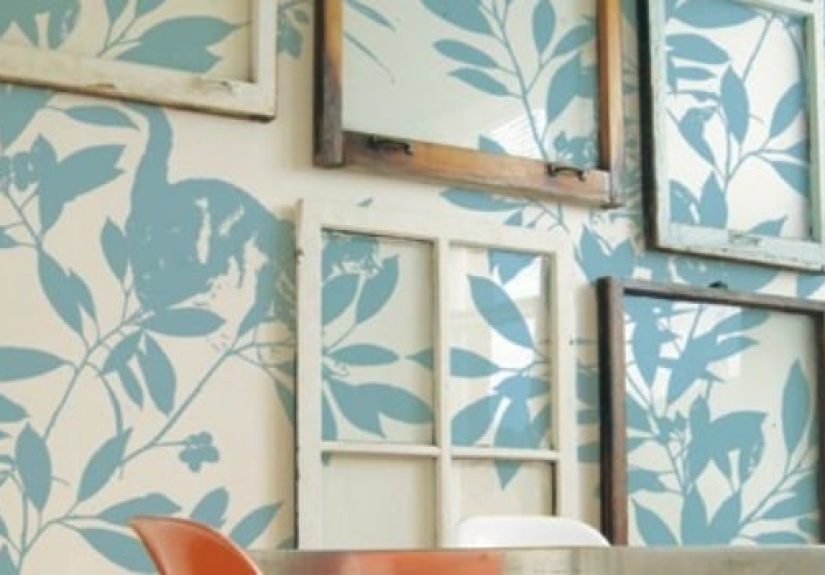
- Make a gallery wall using multiple mismatched sash sizes.
- Paint a quote on the glass for oversized sign décor.
- Stencil house numbers on a pane for a porch vignette.
- Mount it behind a bed as an architectural headboard accent.
- Turn it sideways and create a long, horizontal statement piece.
- Add hooks to the bottom rail for a charming entry organizer.
- Create a “window-within-a-window” effect on a blank wall.
- Use it as a frame for a fabric panel (linen, ticking, burlap).
- Back it with wallpaper scraps for a pattern pop.
- Make a chalkboard “pane” by replacing glass with chalkboard panel.
- Use frosted contact film for a soft, vintage privacy look on a display.
- Build a shadow box by adding a shallow wood frame behind it.
- Add small shelves in each pane area for mini curios.
- Create a family calendar by writing on glass with chalk markers.
- Mount it above a console as a “faux transom” architectural detail.
B) Message Centers and Home Organization (21–35)
- Make a dry-erase command center (glass + marker = easy reset).
- Create a weekly meal planner on the panes with vinyl lines.
- Turn it into a magnetic board by backing it with sheet metal.
- Add a cork layer behind panes for a pinboard with character.
- Use it as a mail sorter by adding narrow bins to the bottom.
- Install cup hooks to hang keys, dog leashes, and sunglasses.
- Create a jewelry organizer with chicken wire behind the frame.
- Use panes to label baskets on a mudroom shelf (write directly on glass).
- Make a ribbon-and-bow station by adding dowels and hooks.
- Build a “charging station” backdrop to hide cords stylishly.
- Add clipboards behind panes for rotating kids’ artwork.
- Create a sewing thread display board (spools + pegs behind glass-free frame).
- Turn it into a “to-do + done” board with two labeled sections.
- Use it as a pantry inventory boarderase and update as you shop.
- Make a vision board that looks like grown-up décor, not homework.
C) Furniture and Storage Upcycles (36–55)
- Build a coffee table top using the window as an inset display.
- Create a trunk or blanket chest lid with a window panel.
- Turn a pair into cabinet doors for a buffet or console.
- Use one as the top of a side tableshow off objects underneath.
- Convert it into a serving tray with handles (glass optional).
- Make a bar cart “glam top” by mounting the sash into a frame.
- Create a wall-mounted cabinet by hinging the window as a door.
- Turn it into a headboard with built-in shelf ledge at the bottom.
- Use panes as drawer fronts on a DIY dresser makeover.
- Build a small greenhouse-style cabinet for plants indoors.
- Use it as a tabletop protectorglass as a protective overlay (secure it).
- Create a folding screen room divider with three or four matching sashes.
- Make a “window bench” backrest for a breakfast nook.
- Build a toy chest front panel with vintage window trim.
- Create a display-top desk insert for a home office conversation piece.
- Use it as a cabinet door for a recessed wall niche.
- Make a sideboard “hutch back” using windows as decorative panels.
- Create a plant stand with a window as the back panel for climbing vines.
- Build a wall shelf unit using the window as the frame “face.”
- Turn it into a pet-gate accent (decorative paneling, not structural containment).
D) Lighting, Art, and “WaitYou Made That?!” Projects (56–65)
- Make a stained-glass-style suncatcher using glass paints.
- Create a faux stained glass look with colored film and lead tape strips.
- Turn panes into a lighted display by adding fairy lights behind it.
- Build a backlit “window sign” for a cozy café vibe at home.
- Create a layered silhouette display between panes for Halloween décor.
- Use etched-glass cream to add patterns (test first; ventilation matters).
- Make a framed mirror by replacing glass with mirror cut to size.
- Turn a window frame into a pendant light shade (glass-free, with safe clearance).
- Create a photo “lightbox” by adding LED strips behind frosted film.
- Use it as a painting canvasacrylic on glass gives a cool reverse-art effect.
E) Holidays, Parties, and Seasonal Displays (66–75)
- Make a Christmas card display using string and mini clothespins.
- Create a wreath “window frame” for your front porch.
- Paint a big seasonal greeting directly on the glass (Hello, fall).
- Use it as a wedding seating chartwrite names on panes.
- Turn it into a party menu board (bar, dessert table, tacos… priorities).
- Create a photo booth “frame” guests can hold for pictures.
- Make a countdown board (vacation, birthday, or “spring arrives eventually”).
- Use it as a backdrop for product photography or craft listings.
- Create a “memory window” with notes, ticket stubs, and tiny keepsakes.
- Make a baby shower welcome sign that becomes nursery décor later.
F) Garden, Yard, and Outdoor Builds (76–95)
- Build a cold frame by using a window as the hinged lid.
- Create a mini greenhouse using several windows as walls and roof panels.
- Make a cloche-style plant protector with a small sash over tender seedlings.
- Use a glass-free frame as a trellis for sweet peas or clematis.
- Turn it into a garden “peekaboo” focal point in a fence line.
- Use it as a potting-bench backsplash to protect a wall from splashes.
- Create a vertical herb drying rack using hooks mounted to the frame.
- Build a compost cover lid (glass-free) to keep critters honest.
- Make a patio windbreak panel with secure posts and brackets.
- Create a rustic greenhouse door for a shed or garden enclosure.
- Use panes as a tabletop for an outdoor potting station (secured, supported).
- Build a “propagation window” shelf unit to start cuttings near sunlight.
- Create a raised-bed cover using windows as hinged tops (vent on sunny days).
- Use a frame as a hanging garden signlabel beds, pathways, or zones.
- Make a “garden mirror” illusion by swapping glass for mirror acrylic.
- Build a simple hoop-house end wall with a window for ventilation.
- Create a decorative gate insert (window as a panel inside a wooden gate frame).
- Use a window as a bee/bug hotel backing board (add tubes and blocks around it).
- Make a greenhouse shelf by mounting brackets inside a window-built structure.
- Create a seasonal porch vignettewindow + bench + pots = instant charm.
G) Practical Fix-It, Preservation, and “Don’t Toss That Yet” Ideas (96–100)
- Use intact old windows as storm window inserts or interior panels (where appropriate) to improve comfort while preserving historic character.
- Donate usable windows to a building materials reuse store or Habitat ReStore.
- Offer them on local resale groupsDIYers love old windows like bakers love butter.
- Salvage hardware (latches, pulleys, hinges) for future repairs and projects.
- Recycle damaged glass and wood through local recycling or reuse programs when possible.
Make Your Project Look “Intentional,” Not “Accidental Basement Find”
Design tips that work in real homes
- Repeat a finish: matching paint color or stain makes mixed windows feel cohesive.
- Balance the patina: pair chippy wood with cleaner, modern accessories so it reads curated.
- Mind the scale: large windows need visual breathing roomdon’t cram them into tight walls.
- Anchor with function: hooks, shelves, or a message board upgrade makes it more than décor.
Experiences and Real-World Lessons From Repurposing Old Windows (Extra ~)
People who repurpose old windows tend to learn the same few lessonsusually right after they’ve carried a heavy sash
upstairs and realized it won’t fit above the sofa. The first big “aha” is that windows lie. Not maliciously, like a cat
insisting it has never been fed, but in that subtle way where the frame is 31 inches wide at the top and 30¾ inches at the bottom.
Vintage materials can warp with age, so measuring in more than one spot saves a lot of dramatic sighing later.
The second lesson is that patina is amazing until it’s dusty. That romantic, timeworn paint looks fantastic in photos,
but it can shed. Many DIYers end up sealing old paint with a clear coat (or gently cleaning and stabilizing it) so the charm stays
on the frame instead of migrating to every nearby surface. And if the window came from a pre-1978 home, cautious folks avoid creating
dust altogetherno aggressive dry sandingbecause lead exposure is a real concern around older painted windows.
A third common experience: glass is optional, and deciding whether to keep it changes everything. Keeping the glass
gives you sparkle, reflection, and that “actual window” vibe. Removing glass makes the project lighter, safer, and easier to mountgreat for
outdoor trellises, kid-friendly craft zones, or any spot where a bump could turn into a cleanup situation. Some makers swap in acrylic
sheets for peace of mind, especially for high-traffic areas like entryways and playrooms.
Then there’s the “where do I even find old windows?” journey. A lot of people score them through salvage and reuse shops, renovation leftovers,
or donation/resale channels. The funny part is that once someone knows you like old windows, they start appearing. Neighbors renovating
will suddenly remember you exist. Friends will send you blurry photos like, “Is this the kind you like?” (Yes. Always yes.)
The best advice from seasoned upcyclers is to decide your project before you acquire a dozen random sizesunless you enjoy
playing “DIY Tetris” with your garage.
Finally, most window-reuse fans discover that the best projects aren’t the fanciestthey’re the ones that make daily life nicer.
A window turned into a family calendar gets used constantly. A cold frame made from an old sash can extend the growing season and
protect seedlings on surprise chilly nights. A simple card display becomes a yearly tradition. These projects feel personal because the material
already has a story, even if that story is just: “It used to be in the kitchen, and now it holds our chaosartistically.”
Conclusion
Old windows don’t have to sit in a garage like forgotten time portals. With a little safety-minded prep and a clear purpose, they can become
décor, storage, garden structures, and functional household helperswith the bonus of looking like you have excellent taste and/or a charming
relationship with architectural salvage. Pick one idea, match it to the window you have, and let your “trash” become the kind of treasure people
ask about the moment they walk in.