Table of Contents >> Show >> Hide
- Why Snakes Climb Trees in the First Place
- Start With the Real Fix: Make the Tree Less Rewarding
- Use Physical Barriers That Actually Work
- Prune Access Routes and Eliminate Shortcuts
- Protect Fruit Trees Without Turning the Yard Into a Battle Zone
- What to Do if the Tree Holds a Birdhouse
- Common Mistakes That Keep the Problem Going
- What to Do if You Already See a Snake in the Tree
- The Most Effective Strategy, in One Sentence
- Backyard Experience: What People Learn the Hard Way
- Conclusion
- SEO Tags
Snakes in trees have a special talent for ruining an otherwise peaceful morning. One minute you are admiring your backyard like the responsible adult you almost are, and the next minute a long, silent noodle is halfway up the oak tree like it pays rent there. If your goal is to keep snakes off trees, birdhouses, fruit trees, or trunks near your home, the good news is this: you do not need magic powder, weird internet hacks, or a backyard flamethrower fantasy. You need a smarter setup.
The most effective way to prevent snakes from climbing trees is to make the tree less attractive, less accessible, and less climbable. That means removing food sources, cutting down on hiding places, pruning easy access routes, and using smooth physical barriers that snakes cannot grip. In other words, you are not trying to win a wrestling match with wildlife. You are redesigning the obstacle course.
Why Snakes Climb Trees in the First Place
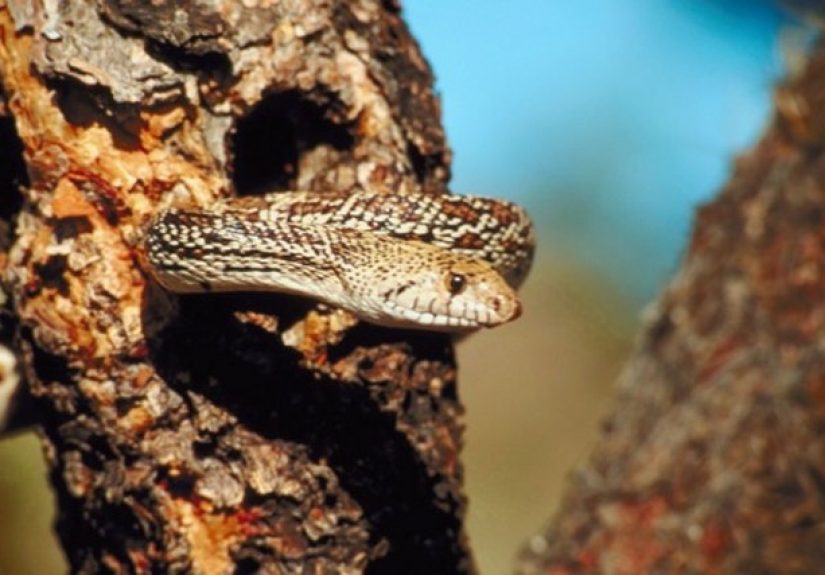
Before you try to stop the behavior, it helps to know why it is happening. Snakes usually climb trees for one of four reasons: food, shelter, warmth, or a safer route through the yard. Tree-climbing species and strong climbers, including rat snakes and some racers, can use rough bark like built-in traction. If the tree offers bird nests, eggs, rodents, insects, dense cover, or a pathway to a roofline, a snake may see that trunk as a ladder with benefits.
That is why random “repellents” rarely solve the problem. A snake is not climbing your tree because it ignored your feelings. It is climbing because the tree is rewarding. Remove the reward, and the behavior usually fades.
Start With the Real Fix: Make the Tree Less Rewarding
Reduce Food Sources Around the Tree
If you want fewer snakes in trees, start by thinking like a snake and then immediately stop, because that is unsettling. What a snake wants is prey. Bird feeders that spill seed attract mice and rats. Fallen fruit attracts insects and small mammals. Dense ornamental beds can shelter frogs, lizards, and rodents. All of that creates a backyard buffet.
Clean up spilled birdseed regularly. Store birdseed and pet food in sealed metal containers. Pick up fallen fruit before it turns into a rodent café. Avoid leaving pet food outside overnight. If you have a compost pile, keep it neat and rodent-resistant. If prey numbers go down, snake traffic usually follows.
Remove Hiding Spots at the Base of Trees
Many homeowners focus on the trunk and forget the launch zone. Snakes like cover. Brush piles, stacked firewood, thick groundcover, tall grass, large rocks, heavy mulch, and clutter around the base of trees all make excellent hiding places for snakes and the animals they hunt.
Trim weedy growth. Move firewood and stored materials away from trunks. Thin out overgrown shrubs. Keep grass mowed and edges tidy. If you have decorative rock beds or deep mulch packed around the base of trees, consider simplifying the area. The cleaner the base, the fewer places a snake has to wait, cool off, or disappear between climbing attempts.
Rethink Bird Feeders and Nest Boxes
This one matters more than people think. If your tree also hosts bird feeders or nest boxes, you may be unintentionally advertising an all-you-can-eat special. Seed draws rodents. Nest boxes draw eggs and nestlings. For a climbing snake, that is not a tree. That is room service.
Whenever possible, move nest boxes off trees and onto freestanding posts. Place them away from overhanging limbs and add a predator guard or baffle below the box. Bird feeders should also be positioned away from trunks, low branches, fences, and nearby structures that create an easy route upward. If a particular tree keeps attracting snakes because of bird activity, the most effective solution may be moving the bird setup rather than fighting the snake forever.
Use Physical Barriers That Actually Work
Install a Smooth Metal Tree Guard
Snakes climb by gripping irregular surfaces. Rough bark helps. Smooth metal does not. That is why one of the most practical solutions is a smooth metal collar or flashing barrier wrapped around the trunk. The surface should be slick enough that the snake cannot get traction with its scales.
For a problem tree, use a wide guard rather than a narrow decorative strip. A skinny band may look impressive to humans and completely unconvincing to a determined rat snake. A broader smooth section is much more effective. The barrier should fit securely but not constrict the tree as it grows. Think adjustable, removable, and trunk-friendly. The goal is to interrupt climbing, not strangle your maple into an early retirement.
Choose a Conical or Stovepipe-Style Baffle for Isolated Trees or Posts
If the issue involves a birdhouse pole, a feeder post, or a small isolated trunk, a cone-shaped or stovepipe-style baffle can work well. These guards make it difficult for snakes to continue upward once they hit the barrier. They are especially effective when combined with good placement. If the pole is close to a branch, fence, stacked lumber, or another tree, the snake may simply take the scenic route.
The best setup is boringly simple: a smooth vertical support, a well-placed baffle, and plenty of clearance around it. Wildlife guides consistently favor this kind of design because it works without chemicals, drama, or neighborhood arguments.
Do Not Put Grease, Glue, or Sticky Substances on the Trunk
It is tempting to get creative. Please do not. Grease, adhesive products, sticky barriers, and similar “gotcha” coatings are messy, often inhumane, and may trap or injure non-target wildlife. Birds, beneficial insects, and small mammals can become unintended victims. Sticky traps outdoors are especially bad news. They do not solve the root problem and can cause a slow, ugly mess for animals that were not even on your suspect list.
Also skip mothballs, sulfur, and mystery repellents with packaging that looks more confident than the science behind it. Snake control works best when it relies on habitat modification and exclusion, not wishful chemistry.
Prune Access Routes and Eliminate Shortcuts
A tree guard only works if the tree is not connected to the rest of the neighborhood. If vines, low branches, stacked furniture, trellises, nearby shrubs, leaning posts, or adjacent trunks create a side entrance, the snake may bypass the barrier entirely.
Prune low limbs and remove vines that touch the trunk. Thin back nearby branches that create easy crossing points. If the tree is close to your roof, porch, or garage, trim limbs so they are not functioning as a wildlife bridge. This is especially important when your concern is not just the tree itself, but a climbing snake using the tree as a route to a structure.
Think of the protected tree as an island. The more isolated it is, the better your odds.
Protect Fruit Trees Without Turning the Yard Into a Battle Zone
Fruit trees can attract all kinds of wildlife, and that can include snakes following rodents, birds, or insects. If you are trying to protect a fruit tree, sanitation matters. Pick up dropped fruit quickly. Keep weeds and cover low around the base. Do not let brush piles or stacked pots accumulate nearby. If you need a physical barrier, use a smooth trunk guard during the period when activity is highest.
And be realistic. In a natural setting, you may not prevent every snake from ever touching every tree. The goal is to reduce access enough that the tree is no longer the easiest or most rewarding option in the yard.
What to Do if the Tree Holds a Birdhouse
If your main concern is protecting nesting birds, the best answer is usually relocation and redesign. A birdhouse attached directly to a tree trunk gives climbing predators a huge advantage. Move the box to a freestanding post placed away from overhanging limbs. Add a proper baffle below it. Do not add a perch. Do not leave nearby branches that act like a ladder. And do not assume that one small guard will solve a bad location.
In many cases, the difference between “snake problem” and “no snake problem” is just a better post and smarter placement.
Common Mistakes That Keep the Problem Going
- Using mothballs, sulfur, or folklore repellents instead of fixing habitat issues
- Leaving spilled birdseed, pet food, or fallen fruit in place
- Keeping brush piles, rocks, mulch, or firewood at the base of trees
- Installing a narrow or flimsy guard that a snake can bypass
- Ignoring vines, adjacent trunks, and low branches that create alternate routes
- Mounting birdhouses directly on trees and wondering why predators keep showing up
- Trying to kill every snake instead of solving the attractant problem
What to Do if You Already See a Snake in the Tree
First, do not try to become a backyard action hero. Keep children and pets away. Watch from a safe distance. If the snake is venomous, you cannot identify it confidently, or it is in a high-risk location near a doorway, play area, or occupied structure, contact local animal control, a licensed wildlife professional, or your state wildlife agency for guidance.
Do not throw things at the snake, knock it out of the tree, or trap it with sticky products. Many snakes are beneficial predators, and in some areas native species are protected. Besides, panicking usually makes the situation worse. Calm, distance, and a practical follow-up plan beat chaos every time.
The Most Effective Strategy, in One Sentence
If you remember only one thing, remember this: the best way to prevent snakes from climbing trees is to combine habitat cleanup with a smooth physical barrier and better placement of anything that attracts prey. Remove the buffet. Remove the hiding place. Remove the ladder. Suddenly the tree loses its charm.
Backyard Experience: What People Learn the Hard Way
A lot of the best lessons about keeping snakes out of trees come from ordinary backyard mistakes. One of the most common stories starts with a homeowner who loves birds, installs a nest box on a tree trunk, hangs a feeder nearby, and then acts shocked when a rat snake shows up like it received a formal invitation. The tree looked lovely. The setup felt natural. Unfortunately, it also created easy bark traction, a food source, and a quiet place to hunt. Once the nest box gets moved to a freestanding post with a baffle and the feeder is relocated farther away, the problem often improves fast. Not because the snake has been “repelled,” but because the yard stopped making things easy.
Another familiar experience involves clutter. People do not always notice how much cover they have built around a favorite tree. There may be decorative stones, stacked flowerpots, deep mulch, a pile of limbs waiting for “weekend cleanup,” and maybe a little patch of tall grass everyone swears they are going to mow tomorrow. To a human, that looks like a mildly chaotic yard. To a snake, it looks like a lounge, a pantry, and a protected base camp. Once the clutter is cleared, shrubs are thinned, and the trunk area is opened up, sightings often drop. The tree has not changed, but the comfort zone around it has.
Fruit trees create their own version of the same story. A homeowner notices a snake in a peach or fig tree and assumes the snake is obsessed with fruit. Usually, it is not there for the produce itself. It is there because fallen fruit attracts insects, birds, and rodents. In other words, the fruit tree becomes part grocery store, part food court. People who stay on top of fallen fruit cleanup, keep the ground neat, and reduce nearby hiding cover usually see better results than those who chase every snake with a broom while leaving half-rotten peaches under the canopy.
Then there is the repellent phase. Nearly every long-running snake problem eventually passes through the “What if I sprinkle something weird around it?” chapter. Mothballs, sulfur, strongly scented oils, and homemade mixtures tend to enter the scene with great confidence and leave with zero meaningful accomplishments. Homeowners often discover that the only thing these products reliably repel is patience. The turning point usually comes when they stop hunting for miracle dust and start making physical changes that actually affect snake behavior.
Perhaps the most useful real-world lesson is this: successful yards are not always snake-free, but they are snake-unfriendly in practical ways. The trees are less connected. The trunks are harder to grip. The prey is less concentrated. The cover is reduced. The birdhouse is smarter. The ground is cleaner. It is not glamorous work, but it works. And in backyard management, “boring and effective” beats “dramatic and useless” every single time.
Conclusion
Preventing snakes from climbing trees is less about declaring war on wildlife and more about removing opportunity. Snakes climb when a tree offers traction, prey, shelter, or a convenient route. Once you reduce food sources, clear cover, trim access points, and add a smooth barrier where needed, most problem trees become a lot less interesting. That is the sweet spot: humane, effective, and much less chaotic than a backyard standoff with a startled reptile.
If you want lasting results, focus on systems instead of shortcuts. A clean trunk base, fewer rodents, smarter birdhouse placement, and a proper metal guard will do more than any gimmick product ever will. The tree stays useful, the yard stays safer, and the snakes get a clear message: try another address.