Table of Contents >> Show >> Hide
- What Is a Wingback Micro Chair (and Why Is Everyone Suddenly Into It)?
- The Wingback’s Origin Story: From Draft Shield to Design Icon
- Why “Micro” Works: The Sweet Spot Between Cozy and Clunky
- The Modern Twist: Sculptural Forms, Better Support, and a Little Acoustic Magic
- Where a Wingback Micro Chair Shines
- How to Choose the Right Wingback Micro Chair
- Styling Tips: Make It Look Intentional, Not Random
- Practical Checklist Before You Buy
- Care and Maintenance: Keep the “Wow” Without the Stress
- FAQ: Quick Answers for Real People
- Conclusion: Small Chair, Big Energy
- of Real-World Experiences With a Wingback Micro Chair
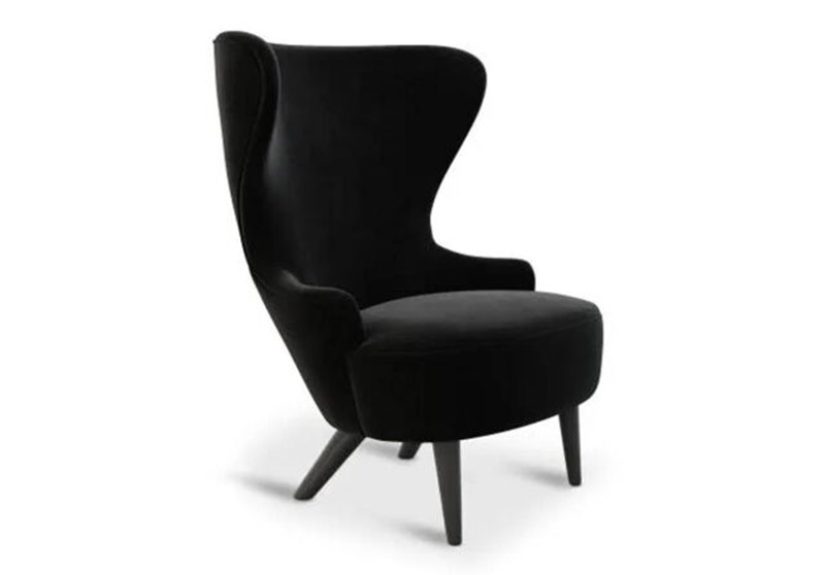
Some chairs simply sit there. A wingback micro chair, on the other hand, sits there with opinions. It’s the kind of seat that looks like it’s wearing a perfectly tailored jackethigh collar, confident shoulders, and just enough curve to say, “Yes, I am the moment.”
If you love the classic wingback silhouette but live in a world where “spacious living room” is mostly a myth, the micro version is your new best friend: smaller footprint, big presence, and surprisingly practical benefits for modern life (hello, reading nooks and phone calls that don’t need a full soundstage). Let’s break down what a wingback micro chair is, why it works, and how to pick one that looks amazing and feels like you actually want to sit in it.
What Is a Wingback Micro Chair (and Why Is Everyone Suddenly Into It)?
A traditional wingback chair is a tall-backed upholstered chair with “wings” (side panels) that extend from the back toward the arms. Historically, those wings weren’t just decorativethey helped block drafts and trap warmth near fireplaces in homes that had, let’s say, “a casual relationship with insulation.” The wingback also creates a sense of privacy around the sitter, like a tiny room made out of upholstery.
A wingback micro chair keeps the same recognizable profile but scales it down for tighter layouts and contemporary rooms. In practice, “micro” usually means a more compact width and depth, a lighter visual footprint, and proportions that work in apartments, home offices, bedrooms, and hospitality-style spaces where you want a statement chair without sacrificing walkways.
The Wingback’s Origin Story: From Draft Shield to Design Icon
The wing chair (also called a wingback chair) first appeared in the late 17th century. The wings were designed to protect the sitter from draftsespecially when placed near a hearthwhile also focusing heat toward the person rather than letting it drift away into the room. Over time, the silhouette became a classic: formal enough for a library, cozy enough for a fireside, and distinctive enough to survive every design era from powder-wig glamour to modern minimalism.
Today, we’re not usually using chairs as a personal windbreak against a rebellious Victorian window. But we still love what the wingback does: it frames the body, supports the upper back, and gives a room that instant “designed on purpose” feeling.
Why “Micro” Works: The Sweet Spot Between Cozy and Clunky
Big wingback chairs can be stunningbut they can also dominate a room. The micro version aims for a smarter ratio: enough height to deliver that wingback drama, but a footprint that behaves in real-world floor plans. It’s the difference between “anchoring the room” and “blocking the doorway.”
Typical Dimensions and What They Mean for Comfort
You don’t need to memorize a blueprint, but you do need to understand a few sizing basics before you buy:
- Seat height: Many upholstered accent chairs land around the 17–19 inch range. That tends to feel natural for most adultsfeet on the floor, knees not up by your ears.
- Seat depth: Deeper seats are lounge-y (great for curling up), while shallower seats feel more upright (great for conversation, tasks, and posture).
- Overall width: Micro chairs often hover in the “easy to place” zonewide enough to feel substantial, narrow enough to slide into corners, beside beds, or near a window without crowding.
- Back height: The “wingback feeling” comes from height. A taller back can support shoulders and upper back, and visually gives the chair presence even when its footprint is compact.
A useful way to think about micro sizing: it’s not necessarily “small” like a kid’s chair. It’s “right-sized” for the modern homewhere we want flexibility, clean pathways, and furniture that doesn’t demand an entire zip code.
The Modern Twist: Sculptural Forms, Better Support, and a Little Acoustic Magic
Many modern wingback micro chairs take the silhouette and upgrade the engineering. In some contemporary designs, the chair is built around a strong internal frame and a sculpted shell, then layered with foams and cushions for a balanced feelsupportive but not stiff, cozy but not sinkhole-soft.
Here’s the unexpectedly useful part: the wings can help create a sense of acoustic separation. You’ll see modern wingback designs described as providing a bit of sound shieldinghelpful for phone calls, focused work, or simply making a corner feel like your “zone,” even when the rest of the home is doing its best impression of a busy coffee shop.
Where a Wingback Micro Chair Shines
1) The Reading Nook That Actually Gets Used
A wingback chair is famously good for solo comfort. The high back and wings create a private, cozy feeling that’s perfect for reading. Add a small side table, a lamp, and a throw, and you’ve got a “just one more chapter” setup that can quietly become your favorite spot in the house.
2) Small Living Rooms That Need Seating Without Bulk
In compact living rooms, properly scaled furniture matters. A micro wingback can provide a strong visual anchor without swallowing the room. It’s especially handy when you want extra seating but don’t want the sofa-to-chair spacing to feel like an obstacle course.
3) Home Office Corners and Video Call Survival
If you’re building a home office setup, a wingback micro chair can act like a soft, supportive perch for reading, quick calls, or brainstorming breaks. Some wingback-inspired modern chairs even emphasize lumbar support and cradling linesgreat for sitting upright without feeling punished.
4) Bedrooms, Dressing Areas, and “Chair-as-a-Place”
A chair in the bedroom is more than decor. It’s a functional landing zone for putting on shoes, reading at night, or pretending you’re not using it as the world’s fanciest clothing shelf. Micro sizing helps it fit at the foot of the bed or in a corner without feeling like you accidentally moved a hotel lobby into your house.
How to Choose the Right Wingback Micro Chair
Start With the Room: Measure Like You Mean It
Before you fall in love with a chair online, measure the space it will live inthen measure the paths around it. In small spaces, the difference between “perfect” and “why did I do this” is often a few inches. A helpful rule used by designers: leave enough clearance for comfortable movement, and maintain sensible spacing between seating and key surfaces like coffee tables.
Pick Your “Sitting Personality”
Ask yourself how you’ll use it most:
- Reading chair: prioritize high back support and a seat depth that lets you settle in comfortably.
- Conversation chair: look for a slightly more upright seat and supportive arms.
- Task chair alternative: prioritize posture, lumbar support, and a seat height that keeps feet grounded.
- Occasional/guest chair: prioritize easy entry/exit and durable upholstery.
Materials That Matter (Especially If You Have Real Life at Home)
Upholstery isn’t just styleit’s maintenance, durability, and how the chair feels on your skin. Consider these common options:
- Performance fabrics: great for homes with kids, pets, snacks, or people who are “carefree” in ways that stains find inspirational.
- Velvet: dramatic and cozy, but check durability and cleaning recommendationssome velvets are tougher than they look, others bruise if you glare at them.
- Wool blends: warm, textured, and often resilientnice for a refined look without feeling precious.
- Leather: classic, easy to wipe, and ages well, but can feel cool to the touch and may show scratches.
Don’t forget legs and base details. Wood legs can read warm and timeless; metal can read modern and architectural. The right choice depends on what else is in the roomfloors, tables, lighting, and hardware finishes.
Styling Tips: Make It Look Intentional, Not Random
A wingback micro chair is naturally a focal point. To make it feel “placed” rather than “parked,” use one or two of these design moves:
- Echo a color: pull one accent color from art, a rug, or pillows to connect the chair to the room.
- Pair with a compact side table: a small round or nesting table keeps it functional without clutter.
- Add a light source: a floor lamp or wall sconce turns the chair into a destination.
- Use texture strategically: if the room is full of smooth surfaces, choose a nubby fabric; if it’s already texture-rich, choose something cleaner and tailored.
- Don’t match everything: rooms look more collected (and less showroom) when pieces relate but don’t clone each other.
Practical Checklist Before You Buy
- Confirm dimensions (overall width, depth, height, seat height, seat depth).
- Check cushion construction: springs, foam density, and whether cushions are reversible or replaceable.
- Verify frame quality: hardwood frames tend to hold up better long-term than weaker composites.
- Look at cleaning codes and real care instructions (especially for light fabrics).
- Plan delivery: measure doorways, stair turns, and elevatorsmicro helps, but physics still wins.
Care and Maintenance: Keep the “Wow” Without the Stress
Most wingback micro chairs are easy to maintain if you treat them like a valued roommate: don’t spill on them daily, and they won’t hold a grudge. Vacuum upholstery regularly using a soft brush attachment, rotate cushions if possible, and blot spills quickly. For deeper cleaning, follow the manufacturer’s care guidance. If you’re choosing a statement fabric, consider a fabric protector if it’s compatible with the material.
FAQ: Quick Answers for Real People
Is a wingback micro chair comfortable enough for long reading sessions?
It can beespecially if the chair has good upper-back support, a seat depth that matches how you sit, and a cushion construction that balances softness with support.
Will a wingback chair make my small room feel cramped?
A full-size wingback can, but the micro version is designed to avoid that problem. The key is measuring and leaving comfortable walkways around the chair.
What’s the best place to put it?
Popular placements include a reading corner by a window, a bedroom sitting area, a home office corner, or angled slightly toward a sofa to create a conversational grouping.
Do the “wings” actually do anything today?
They still help create a sense of privacy, and in some modern designs they can reduce side noise slightlyuseful for reading, relaxing, and calls.
Conclusion: Small Chair, Big Energy
A wingback micro chair is a rare furniture win-win: it brings classic architecture to your room while behaving like a modern, space-savvy adult. You get the iconic wingback presence, a cozy sense of enclosure, and a footprint that works in real homesapartments, bedrooms, offices, and any spot that needs a design “exclamation point.”
Buy it like you’re hiring it for a job: measure your space, pick the right comfort profile, choose an upholstery that fits your lifestyle, and style it with a table and light so it becomes a destinationnot just a chair that quietly judges you from the corner.
of Real-World Experiences With a Wingback Micro Chair
People tend to describe their first week with a wingback micro chair the same way they describe getting a new puppy: “I didn’t realize how much I’d use it.” The surprise isn’t that it’s comfortableit’s that the chair creates a behavior change. A regular accent chair is just another seat. A wingback micro chair feels like a little retreat, which makes you more likely to actually sit down, slow down, and stay a while.
In small apartments, one common experience is how it solves the “I want a reading nook but I don’t have a nook” problem. The wings visually carve out a zone even when the chair is only a few feet from the kitchen. Add a lamp and suddenly your studio has “areas,” like it went to design school over the weekend. Some people place it near a window with a small round table, and it becomes the go-to spot for morning coffee and doomscroll-free quiet time (or at least doomscrolling with better posture).
In home offices, the micro wingback often becomes a “second seat” that’s still work-friendly. Instead of defaulting to the desk chair for every task, people move to the wingback micro chair for calls, planning, or reviewing notes because it feels more relaxed without being sloppy. The wings can also make phone calls feel less exposedespecially in busy householdsbecause you’re slightly cocooned. The chair doesn’t soundproof your life, but it can reduce that “everyone can hear me negotiating my own calendar” feeling.
Another frequent experience: it’s a surprisingly good guest chair. Visitors gravitate toward it because it looks intentional and comfortable. In living rooms, it helps create balanceespecially when the sofa is long and low. A wingback micro chair can bring vertical height and structure to the seating arrangement without eating the entire floor. People often angle it toward the sofa with a small ottoman nearby, creating a flexible spot that works for conversation, reading, or putting your feet up during a movie.
Bedrooms are where the chair’s “micro” advantage gets real. A full-size wingback can feel like you’re staging a hotel suite. The micro version fits more naturally: a corner chair for putting on shoes, a place to toss a robe that you swear you’ll hang up later, and a calmer alternative to scrolling in bed. Some folks even pair it with a small basket and a throw so it looks styled even when it’s doing its day job as the bedroom’s unofficial landing pad.
The best takeaway from these everyday experiences is simple: the wingback micro chair isn’t just a smaller chair. It’s a small-space strategy. It gives you the psychological comfort of a “separate place” in your homewithout requiring a separate room. And honestly, in 2026, that might be the most luxurious feature of all.