Table of Contents >> Show >> Hide
- What a Dining Room Actually Does (Besides Hold a Table)
- Start With the Room, Not the Pinterest Board
- Choosing a Dining Table: Size, Shape, and Superpowers
- Seating: Chairs, Benches, and Banquettes
- Lighting: Make People Look Good, Not Like Campfire Ghosts
- Rugs: The “Yes, You Can” Section
- Storage and Surfaces: Sideboards, Buffets, and the Secret Life of Serving Ware
- Walls, Windows, and Architectural Details
- Tablescaping Without Turning It Into a Craft Fair
- Dining Rooms for Real Homes: Small Spaces, Open Plans, and Multipurpose Rooms
- Common Dining Room Mistakes (And Easy Fixes)
- Conclusion
- Extra: Dining Room Experiences You’ll Recognize (and What They Teach You)
- SEO Tags
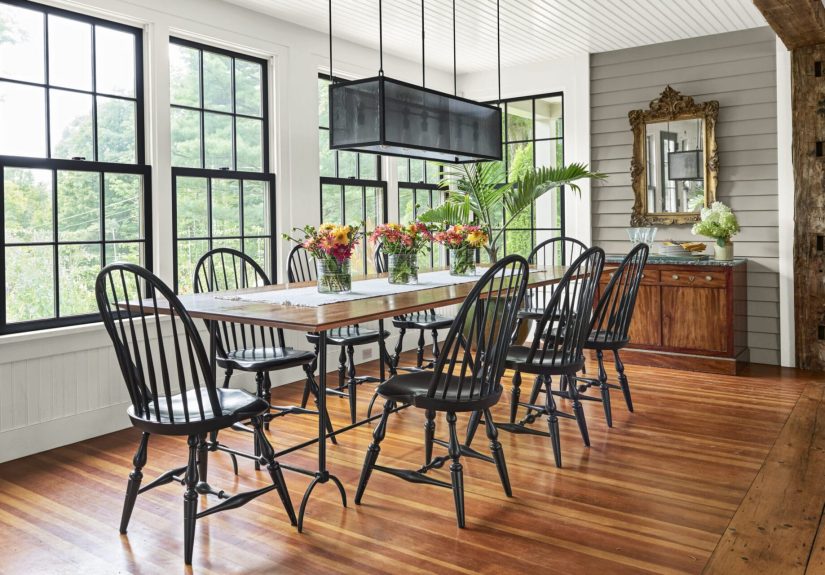
The dining room is the only place in your home where people willingly put down their phones (sometimes) and agree to sit in the same spot for more than seven minutes. It’s part stage, part workshop, part confessional, andon holidayspart Olympic event. Whether yours is a formal dining room with a chandelier that means business, or a “dining-ish” corner that shares space with a plant collection and a dog bed, the goal is the same: make it comfortable to gather, easy to move around, and pleasant to look at when the table isn’t covered in mail.
This guide breaks down dining room design from the “how big should things be?” questions to the “why does my rug hate my chairs?” mysteriesplus practical examples and a few design truths that might save your shins.
What a Dining Room Actually Does (Besides Hold a Table)
A good dining room supports three things: eating, connecting, and function. Eating is obvious. Connecting is the reason you bothered to buy matching chairs. Function is the sneaky one: dining rooms routinely moonlight as homework stations, puzzle headquarters, remote-work backups, craft zones, and the temporary holding pen for “I’ll deal with that later.”
Formal vs. everyday dining
A formal dining room tends to emphasize symmetry, presentation, and special-occasion storage (fine china, serving platters, the fancy napkins that only come out when someone’s mother visits). An everyday dining spaceespecially in an open-plan homeneeds durability, easy cleanup, and flexible seating. Neither is “better.” The best dining room is the one that fits how you actually live, not how you imagine you live while scrolling interior photos at 1:00 a.m.
Start With the Room, Not the Pinterest Board
The fastest way to make a dining room feel “off” is to pick a table first and then discover you’ve built a beautiful obstacle course. Layout comes before style. Measure the space and plan circulation so people can sit down, stand up, and walk behind chairs without performing interpretive dance.
Clearance: the comfort math that matters
As a general planning rule, aim for about 36 inches of clearance between the edge of the dining table and walls or other furniture for comfortable movement. If your space is tight, you can sometimes cheat a littleespecially on the side that rarely gets usedbut your guests shouldn’t have to shimmy like they’re squeezing past a concert crowd.
Define the “dining zone”
In open concept homes, the dining room often needs visual boundaries. A rug, a pendant light, a different wall color, or a sideboard can all signal, “This is where meals happen.” If your dining area shares space with the living room, try centering the table under a light fixture and anchoring it with a rug to create a clear, intentional zone.
Choosing a Dining Table: Size, Shape, and Superpowers
The dining table is the star of the show. It affects seating capacity, conversation flow, and whether someone ends up with a table leg right where their knees want to live.
How much space does each person need?
A useful guideline is to allow roughly 24 inches of table width per person so elbows aren’t constantly negotiating borders. If you love long dinners (or have enthusiastic talkers), a little extra breathing room goes a long way. Also consider chair width: some modern upholstered chairs are basically small armchairs pretending to be polite.
Common table measurements (the quick cheat sheet)
- Rectangular tables are versatile and great for larger groups.
- Round tables encourage conversation and can be excellent for smaller rooms.
- Oval tables soften corners while keeping the “seats-a-crowd” benefits.
- Square tables work best when the room is also fairly square (or when you enjoy symmetry enough to make it everyone else’s problem).
If you’re choosing a rectangular table, a practical width range is often around the mid-30s to low-40s inches. Too narrow and place settings feel cramped; too wide and passing dishes becomes a full upper-body workout. Length determines seating: smaller rectangular tables might seat four, while longer versions can handle six to ten (depending on chair size and leg placement).
Extendable tables: the underrated heroes
If your dining room hosts both everyday meals and occasional “we invited everyone we’ve ever met” gatherings, an extendable table is a smart investment. Look for leaves that are easy to store and simple to operatebecause if expanding the table requires a toolbox and three emotionally available friends, it won’t happen as often as you think.
Seating: Chairs, Benches, and Banquettes
Chairs are where comfort meets style. The goal is a seat that looks great and doesn’t make guests stand up after 12 minutes like they’ve just completed a medieval endurance trial.
Chair spacing and comfort
Make sure chairs can slide in and out without bumping into each other. If you’re mixing chair styles (a popular, good-looking move), keep seat heights and visual weight relatively consistent so the table doesn’t look like it’s hosting two different events at once.
Benches and banquettes for real-life flexibility
Benches can tuck neatly under the table, freeing up circulation space in smaller dining rooms. Banquettesbuilt-in or freestandingare especially useful in tight footprints because they can maximize seating along a wall or in a corner. They also create that cozy “dining nook” vibe that makes even a Tuesday night pasta feel a bit like a café moment.
Lighting: Make People Look Good, Not Like Campfire Ghosts
Dining room lighting has two jobs: illuminate food and flatter humans. Good lighting makes dinner look appetizing and keeps everyone’s face visiblebecause “romantic” should not mean “I cannot identify who is speaking.”
How high to hang a chandelier or pendant
A common guideline is to hang the bottom of a dining light fixture about 30 to 36 inches above the tabletop. That range usually keeps sightlines open while providing focused light. If your ceilings are higher than standard, you may need to adjust upward so the fixture doesn’t feel like it’s hovering aggressively over the centerpiece.
How big should the fixture be?
Scale matters. One widely used rule of thumb is to add the room’s length and width (in feet) and use that number as an approximate chandelier diameter (in inches). It’s not a law of physics, but it’s a reliable starting pointespecially when you’re trying to avoid buying a fixture that looks like a tiny earring in a ballroom or a spaceship in a breakfast nook.
Dimmers: the secret weapon
If you add only one “designer” feature, make it a dimmer. Bright for homework and cleaning, softer for dinner parties, and low for late-night snacking when you’re trying not to fully commit to being awake. Layer lighting when possible: overhead plus a lamp on a sideboard, or wall sconces for softer ambience.
Rugs: The “Yes, You Can” Section
Rugs in dining rooms get a bad reputation because spills happen. But a rug adds warmth, absorbs sound, and visually anchors the tableespecially in open-plan spaces. The trick is choosing the right size and material.
Rug size: the chair test
Your dining room rug should be large enough that chairs stay on the rug even when pulled out. A practical sizing guideline is to have the rug extend about 24 inches beyond the table on all sides (or more, if space allows). If chairs catch on the rug edge, you’ll feel it every single dayand not in a charming way.
Best rug materials for dining rooms
Flatweaves and low-pile rugs are easier for chairs to slide on and easier to clean. If you love the plush look, consider performance rugs designed to handle stains. Pattern is your ally here: it camouflages crumbs like a tiny textile magician. Lighter rugs can brighten the room, but they also broadcast spills with the enthusiasm of a breaking news alert.
Storage and Surfaces: Sideboards, Buffets, and the Secret Life of Serving Ware
Dining rooms shine when they have somewhere to put the “stuff of dining”: extra plates, serving bowls, candles, placemats, and the one gravy boat that only emerges once a year like a seasonal creature.
Sideboard basics
A sideboard or buffet adds storage and gives you a landing zone for serving. It can also act as a visual anchor, especially if your dining table is centered and the walls feel bare. If space is limited, consider a slimmer console or a wall-mounted cabinet to keep the footprint light.
Display without clutter
Open shelving can work beautifully in dining rooms, but it’s easy to cross the line from “styled” to “thrift store shelf after a mild tornado.” Group items in odd numbers, vary heights, and leave breathing room. If it looks busy, it will feel busy.
Walls, Windows, and Architectural Details
Walls are the dining room’s opportunity to feel intentionalbecause the table is often centered, and the room naturally draws the eye around the perimeter.
Wainscoting and chair rails
Wainscoting isn’t just decorativeit protects walls in eating areas when chairs scoot back (which they will, repeatedly, forever). Taller wainscoting can make a dining room feel classic and finished, while chair-height paneling works well in casual spaces. The best height depends on your ceiling, furniture scale, and the style you want, but the functional purpose remains: durability with a side of charm.
Window treatments that don’t steal the show
Dining room window treatments should support the space without hijacking it. If your room is formal, consider structured drapes. If it’s casual, woven shades or simple panels keep things light. In either case, make sure fabric can handle sunlight and the occasional scent of roasted garlic drifting upward like a delicious fog.
Tablescaping Without Turning It Into a Craft Fair
A styled table can make the whole room feel finishedbut it shouldn’t block conversation or make people feel like they’re eating around a sculpture installation.
Centerpieces: keep it low, keep it simple
A great centerpiece is visually interesting, doesn’t hog space, and doesn’t prevent guests from seeing each other. Try a low bowl of greenery, a cluster of candlesticks, or a simple vase. If you want drama, bring it through lighting or artwork rather than a towering floral arrangement that turns dinner into hide-and-seek.
Place settings and “crowd control”
If you’re hosting, pre-setting the table can reduce last-minute chaos. Remember that per-person space guideline (around two feet per place) and don’t be afraid to use a sideboard for serving dishes so the tabletop stays comfortable.
Dining Rooms for Real Homes: Small Spaces, Open Plans, and Multipurpose Rooms
Not everyone has a dedicated dining roomand that’s fine. Some of the best dining spaces are carved out of corners, tucked into kitchens, or integrated into living areas with clever zoning.
Small dining areas
Round tables often work well in compact spaces because there are no corners to bump into and circulation feels smoother. Pedestal bases can improve legroom and reduce chair collisions. If you’re tight on space, consider armless chairs, benches, or a banquette along the wall.
Open concept dining rooms
In open floor plans, cohesion matters. Repeat a color or material from the living room or kitchen so the dining area feels connected. Use a rug and a statement pendant to clearly define the zone, and consider a sideboard to give the dining area visual “weight” so it doesn’t feel like a table floating in the middle of nowhere.
Common Dining Room Mistakes (And Easy Fixes)
- Fixture hung too low: Raise it so sightlines are clear and no one fears standing up too fast.
- Rug too small: Size up so chairs stay on the rug when pulled out.
- Not enough clearance: Choose slimmer chairs, a smaller table, or a bench on the tight side.
- Table too “precious” for your life: If you actually use the room daily, prioritize durability and wipeable finishes.
- Centerpiece blocking conversation: Go low, go clustered, or move drama to the walls.
Conclusion
A dining room doesn’t need to be big, formal, or expensive to be successful. It needs to be welcoming, functional, and scaled correctly for the space. Start with clearance and comfort, pick a table that matches your lifestyle, choose lighting that flatters humans and food, and add storage so the room can actually do its job. Then layer in personalityart, texture, color, and a centerpiece that says “come sit,” not “please don’t touch anything.”
In the end, the best dining room isn’t the one that looks perfect in photos. It’s the one that gets usedweekday dinners, birthday cake, late-night chats, and all the moments in between.
Extra: Dining Room Experiences You’ll Recognize (and What They Teach You)
1) The “Why is this chair screaming?” moment. You pull out a dining chair and it scrapes the floor like it’s auditioning for a horror movie soundtrack. Lesson: felt pads are not optional; they are tiny, cheap peace treaties between your furniture and your sanity. Bonus lesson: if your dining room is also your work-from-home spot, quiet chairs are basically productivity tools.
2) The dinner party where everyone ends up in the kitchen anyway. You set the table beautifully. You light candles. You even chill the water. And somehow, guests gather around the kitchen island like it’s a campfire. Lesson: people gravitate toward where the action is. If your dining room is slightly removed, make it feel invitingwarm light, comfortable chairs, and maybe a serving station that keeps the food flow going without sending everyone back to the kitchen.
3) The “we need one more seat” math panic. Someone brings a plus-one. Or two. Suddenly you’re counting chairs like a blackjack dealer. Lesson: flexible seating saves the day. A bench can squeeze in an extra person, and an extendable table makes you look like the kind of host who has everything under control (even if you’re internally doing geometry).
4) The rug that fights back. You chose a gorgeous dining room rug. Then the chairs started catching on the edge, bunching it up, and slowly turning your elegant space into a mild tripping hazard. Lesson: size matters more than pattern. If chairs don’t stay on the rug when pulled out, the rug is essentially working against you. The easiest fix is sizing up; the second-easiest is swapping to a lower-pile option that lets chairs glide.
5) The centerpiece that became a conversation blocker. Tall flowers feel festiveuntil your guests start leaning left and right like they’re trying to see around a hedge. Lesson: keep centerpieces low or airy. If you want height, use slim branches in a narrow vase off to the side, or put tall drama on a sideboard where it can shine without interrupting eye contact.
6) The “this dining table is also my desk” era. You intended the dining room for meals. Reality assigned it spreadsheets. Lesson: comfort becomes non-negotiable when you’re sitting for hours. Chairs with supportive backs, good lighting, and a sideboard to stash work clutter can keep the room from feeling like a permanent office. Even a simple tray systemwork stuff in, work stuff outcan let you reset the space fast for dinner.
7) The holiday cleanup marathon. Hosting is fun until you’re staring at a table full of dishes and a mystery stain that appeared out of nowhere. Lesson: choose finishes that forgive. Performance fabrics, wipeable surfaces, and rugs designed for real life make hosting less stressful. Also, having a sideboard means you can clear the table quickly and get back to your guests instead of disappearing into the kitchen like a magician who never returns.
8) The awkward lighting surprise. Under bright overhead light, the roast looks amazingbut your guests look like they’re being interrogated. Lesson: dimmers and layered lighting change everything. A dining room should have options: bright for setup and cleanup, soft for eating and lingering. Your photos will also thank you.
9) The open-plan “floating table” problem. In a big open space, the dining table can feel like it’s parked randomly in the middle of your home. Lesson: anchor it. A properly sized rug, a pendant light, and a piece of furniture like a sideboard can make the dining area feel intentional, not accidental.
10) The best part: the room starts collecting stories. Over time, the dining room becomes less about décor and more about memory. The scratch in the table from a science project. The candle wax you couldn’t fully remove. The chair everyone fights over because it’s “the comfy one.” Lesson: perfection is overrated. A dining room is a living space, and the little signs of life are often what make it feel like home.