Table of Contents >> Show >> Hide
- What the Butterfly Stretch Actually Demands (It’s More Than “Flexibility”)
- Message #1: “Your Inner Thighs Are Tight (And They’re Not Subtle About It)”
- Message #2: “Your Pelvis Is Tucked Under, So Your Spine Is Doing the Job Your Hips Won’t”
- Message #3: “Your Deep Hip Muscles Are Guarding (Because They Think This Is a Trap)”
- Message #4: “Your Hip Joint Shape Might Be the Limiter (Yes, Anatomy Is Allowed to Be Different)
- Message #5: “This Might Be Pain, Not TightnessAnd That Changes the Plan”
- A Quick Self-Check: What Does Your Butterfly Stretch Feel Like?
- How to Make the Butterfly Stretch Work With Your Body (Not Against It)
- When You Should Modify (or Skip) the Butterfly Stretch
- When to See a Clinician (Your Hips Are Allowed to Have a Second Opinion)
- A Simple 2-Week “Butterfly-Friendly” Plan (No Heroics Required)
- Real-Life Experiences: What It Feels Like When Butterfly Stretch Won’t Cooperate (Extra )
- Conclusion
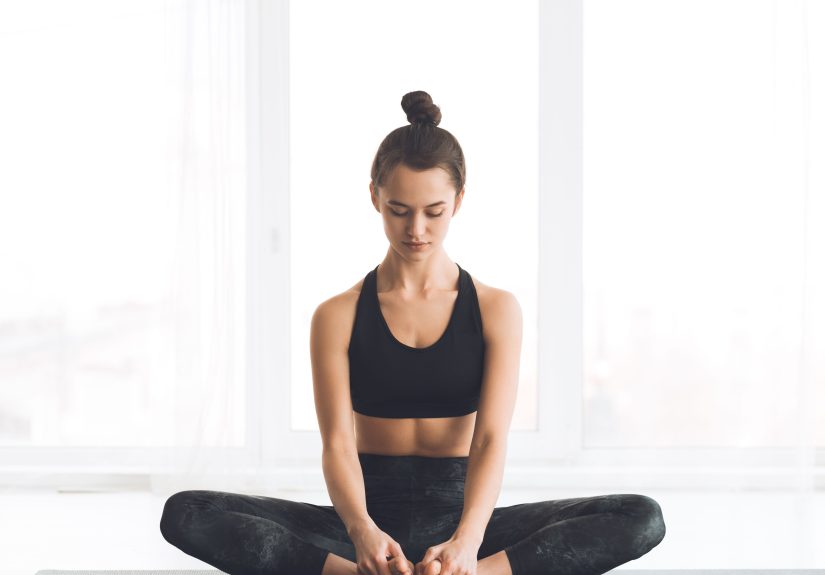
The butterfly stretch looks harmless. You sit down, bring your feet together, let your knees drift outward, andaccording to the internetyour hips are supposed to “open” like a well-oiled door on HGTV. In real life? Your knees hover somewhere around “two inches from the floor” (or “two counties away”), your back rounds, and your inner thighs feel like they’re trying to file a formal complaint.
Here’s the good news: struggling with a butterfly stretch doesn’t mean you’re broken. It means your body is giving you information. Sometimes it’s simple (tight inner thighs). Sometimes it’s more nuanced (hip structure, joint irritation, or a nervous system that’s not buying what you’re selling). Let’s decode what’s going onwithout shaming your skeleton for doing skeleton things.
What the Butterfly Stretch Actually Demands (It’s More Than “Flexibility”)
The butterfly stretch (also called Bound Angle Pose or Baddha Konasana) asks for a combo platter of mobility and control:
- Hip external rotation (your thighs rotate outward)
- Hip abduction (your knees drift away from midline)
- Length in the adductors (inner thighs/groin)
- A pelvis that can tilt forward a bit without your spine collapsing like a folding chair
- Knees that are okay with the angle (they’re passengers here, but they still have opinions)
So if you “can’t do a butterfly stretch,” it could be any one of these piecesor a few at once.
Message #1: “Your Inner Thighs Are Tight (And They’re Not Subtle About It)”
The most common limiter is straightforward: the adductors (inner-thigh muscles) and tissues around the groin are short, stiff, or simply not used to lengthening under load. If you spend a lot of time sitting, running, cycling, lifting with narrow stances, or living a “knees forward, hips ignored” lifestyle, your adductors may be doing the work of stabilizing youthen resisting when you ask them to relax.
What it feels like: a strong stretch along the inner thigh, maybe near the pubic bone, but not a sharp pinch in the front of the hip. Your knees don’t drop far, but the sensation is mostly “tight,” not “stabby.”
What it often needs: patience, better setup, and consistencynot brute force. (Your knees are not a pantry door. Don’t slam them down.)
Message #2: “Your Pelvis Is Tucked Under, So Your Spine Is Doing the Job Your Hips Won’t”
Ever notice how the butterfly stretch turns into a rounded-back slump the moment you sit down? That’s often a pelvis-position issue. If your hips don’t have enough mobilityor your hamstrings/lower back are stiffyou may default into a posterior pelvic tilt (tailbone tucked), and your spine rounds to compensate.
What it looks like: you can bring your feet together, but sitting tall feels impossible. You might feel this more in your low back than your hips.
What it often needs: a small lift under your hips (folded towel, yoga block, firm cushion) so the pelvis can tip forward and the spine can stay long.
Message #3: “Your Deep Hip Muscles Are Guarding (Because They Think This Is a Trap)”
Flexibility isn’t only about tissue length. It’s also about whether your nervous system feels safe in a position. If your hips perceive the butterfly shape as unstableespecially if you’re lacking strength in the hip stabilizersyour body may tighten up as a protective reflex.
What it feels like: you can’t relax into it. The moment you try to “sink,” everything grips. Sometimes the stretch feels intense even early.
What it often needs: support (pillows/blocks under knees), slower breathing, and strengthening the muscles that control hip rotation and pelvic position (glutes, deep rotators, core).
Message #4: “Your Hip Joint Shape Might Be the Limiter (Yes, Anatomy Is Allowed to Be Different)
This is the part where people either feel relieved or personally attacked by biology. Some hips are built with more natural external rotation, and some are not. Socket depth, femur angle, and bony “fit” can affect how far your knees can dropno matter how many stretches you collect like Pokémon.
In some cases, limited hip motion is linked to conditions like femoroacetabular impingement (FAI), where certain hip positions cause the bones to approximate and irritate surrounding structures. If your hip feels pinchy in the front or deep in the groinespecially with flexion/rotationit’s worth paying attention.
Message #5: “This Might Be Pain, Not TightnessAnd That Changes the Plan”
Let’s separate two things that feel similar but behave very differently:
- Stretch discomfort: a strong, dull pulling sensation that eases with breathing and stops when you stop.
- Joint-y pain: sharp pinching, catching, clicking with pain, or a deep ache that lingers after you’re done.
If butterfly stretch triggers groin pain, a front-of-hip pinch, clicking/locking, or pain that shows up in daily life (walking, stairs, getting in/out of a car), your body may be signaling something beyond “I’m tight.”
Possible “Not Just Tight” culprits (the short, non-doom version)
- Hip impingement (FAI): can cause pain and stiffness, often felt in the groin, and may worsen with hip flexion/rotation positions.
- Labral issues: can cause pain, reduced range of motion, and sensations like catching or locking.
- Hip osteoarthritis or other arthritis: may cause stiffness, reduced motion, and pain commonly felt in the groin or front of the hipespecially as we age.
- Adductor strain: especially if pain started after a sudden change in training or a sports moment you can describe with sound effects.
None of these can be diagnosed from a stretch test alonebut the pattern of pain, stiffness, and function matters. If your hip is sending red flags, don’t “stretch harder.” Get it checked.
A Quick Self-Check: What Does Your Butterfly Stretch Feel Like?
Try the stretch gently and answer these questions like you’re a detective interviewing your own hips:
- Where do you feel it most? Inner thighs? Low back? Front of hip/groin?
- Is it symmetrical? One knee much higher than the other can hint at asymmetry in hips or adductors.
- Does it improve if you sit on a cushion? If yes, pelvic position was likely a big factor.
- Does support under the knees help? If yes, your nervous system may be guarding and needs stability.
- Do you feel pinching/catching? That’s a “pause and reassess” sign, not a “push through” sign.
How to Make the Butterfly Stretch Work With Your Body (Not Against It)
1) Set your hips up for success
- Sit on a folded towel or firm cushion to help your pelvis tilt forward and your spine stay tall.
- Move your feet farther from your body at first. Closer isn’t “better” if it wrecks your posture.
- Support your knees with pillows, folded blankets, or yoga blocks so the position feels stable.
- Think “long spine” before “lower knees.” Form first. Gravity can negotiate the rest.
2) Use a version that reduces the “fight”
Try a reclined butterfly: Lie on your back, soles together, knees supported. This removes the challenge of sitting upright and often feels safer for tight hips.
3) Add gentle strength so your flexibility “sticks”
Mobility improves faster when the body trusts it. A few strength moves that often help:
- Clamshells (hip external rotators)
- Side-lying leg raises or band walks (glute med / hip abductors)
- 90/90 hip switches (control through internal/external rotation)
- Glute bridges (hip extension strength so the front of the hip doesn’t do everything)
If your butterfly stretch feels like a tug-of-war, strength work often turns it into a polite conversation.
4) Try “contract–relax” instead of forcing it
In the supported butterfly position, gently press your knees upward into your supports (about 20–30% effort) for 5–8 seconds, then relax and breathe out. Repeat 3–4 cycles. This can help your nervous system allow a little more range without a wrestling match.
5) Avoid the most common mistake: using your hands like a vise
If you’re pushing your knees down aggressively, you’re not “helping.” You’re teaching your body that this position is dangerous. Aim for gentle, sustained stretchingno sudden pressure, no bouncing, no dramatic “look how flexible I am” theatrics.
When You Should Modify (or Skip) the Butterfly Stretch
Butterfly stretch is popular, but it’s not mandatory for citizenship in the fitness community. Modify or skip if you have:
- Knee pain in the position (support under knees helps; if not, choose a different stretch)
- Recent groin/adductor injury or pain that increases during or after stretching
- Sharp hip pinching in the front of the hip or deep groin pain
- Clicking/catching/locking with pain
- Known hip arthritis or significant stiffness that flares with rotation
A better goal than “knees to floor” is “hips that feel good in real life.”
When to See a Clinician (Your Hips Are Allowed to Have a Second Opinion)
Consider talking to a physical therapist or medical professional if you notice:
- Pain in the groin or hip that persists, worsens, or affects walking
- Night pain, limping, or a noticeable loss of hip range of motion
- Clicking/catching/locking that’s painful or limits movement
- New pain after an injury, fall, or sudden training increase
You don’t need to panicjust don’t ignore consistent signals. Your body isn’t being dramatic; it’s being informative.
A Simple 2-Week “Butterfly-Friendly” Plan (No Heroics Required)
If your goal is to improve comfort and mobility, try this 3–4 days per week:
- Reclined butterfly (supported): 1–2 minutes of relaxed breathing.
- Seated butterfly (supported, elevated hips): 2 sets of 30–60 seconds.
- 90/90 hip switches: 2 sets of 6–10 slow reps.
- Clamshells or band walks: 2 sets of 10–15 reps.
- Finish with a short walk (2–5 minutes) to let the hips “use” the new range.
Progress marker: not “knees hit the floor,” but “I can sit taller, breathe easier, and feel less cranky afterward.”
Real-Life Experiences: What It Feels Like When Butterfly Stretch Won’t Cooperate (Extra )
People often assume the butterfly stretch is a simple “inner thigh stretch.” In practice, it’s more like a personality test for your hips. Here are common experiences that show up again and againand what they often mean in plain English.
The Desk-Sitter Surprise: A lot of folks try butterfly stretch after a long workday and think, “Why do my hips feel like they’re made of cardboard?” The usual report: knees barely move, the low back rounds instantly, and there’s a strong tug in the inner thighs. This is the classic combination of tight adductors, stiff hips, and a pelvis that’s been parked in a chair position for hours. The biggest “aha” moment tends to come from sitting on a cushion and supporting the knees suddenly, the stretch feels less like punishment and more like a conversation.
The Athlete Who Can Squat but Can’t Butterfly: Runners, cyclists, and lifters often say, “I’m strong, so why can’t I do this?” Strength doesn’t always equal rotation mobility. If you train mostly in straight-ahead patterns, your hips can get fantastic at forward motion while staying stubborn about sideways angles. These people frequently feel the stretch high in the groin and notice one side is tighter. They usually do well with a mix of gentle butterfly work plus hip rotation drills (like 90/90 switches) and glute-focused strengtheningbecause the hips are more cooperative when they feel stable.
The “Pinchy Front-of-Hip” Warning Sign: Some people don’t feel a stretchy pull at all; they feel a sharp pinch deep in the front crease of the hip or groin, especially when they try to lean forward. They may also mention that sitting for long periods makes the hip cranky, or that they sometimes feel clicking. This experience is the one that deserves the most respect. It doesn’t mean you’re doomedit means the best move is to stop forcing the shape, try supported or reclined versions, and consider a professional assessment if it’s persistent. No stretch is worth a hip that complains for three days afterward.
The “My Knees Hurt, Not My Hips” Plot Twist: Another common experience: the hips feel okay, but the knees feel strained or uncomfortable. Often, the knees are being asked to tolerate a position the hips can’t fully support yet. Adding props under the knees tends to be the game-changer here. People describe immediate relief when the knees have something to rest on. If the knee discomfort sticks around even with support, switching to a different hip opener (like a figure-four stretch on your back) can keep you progressing without aggravation.
The “I Thought I Was Inflexible, Then I Tried It Warm” Moment: Plenty of people report that butterfly stretch is miserable when they’re coldbut noticeably better after a walk, a light workout, or even a warm shower. That’s not “cheating.” That’s biology. Warm tissues and a calmer nervous system often allow more range, and the stretch feels less intense. If you’re chasing progress, this is one of the easiest wins: do mobility work after you’ve moved a bit, not as the first thing your body has to tolerate at 7:00 a.m. on a Tuesday.
The takeaway from these experiences is simple: the butterfly stretch isn’t a moral judgment. It’s feedback. When you treat it like informationadjusting setup, choosing safer variations, and building strengthyour hips usually respond with less drama and more mobility.
Conclusion
If you can’t do a butterfly stretch, your body isn’t failingit’s communicating. Sometimes it’s saying, “My inner thighs are tight.” Sometimes it’s saying, “Your pelvis needs support.” And sometimes it’s saying, “Hey, please don’t force that joint angle.” Listen for the difference between a stretch and a warning, use smart modifications, build strength alongside mobility, and let progress be measured by comfort and controlnot by how close your knees get to the floor.