Table of Contents >> Show >> Hide
- 1. Wall-to-Wall Carpet in High-Traffic or Moisture-Prone Areas
- 2. Beautiful-but-Needy Countertops
- 3. Open Shelving Everywhere
- 4. Tiny Tile and Lots of Grout Lines
- 5. Frameless Glass Shower Doors
- 6. Dark, Glossy, or Fingerprint-Friendly Finishes
- 7. Vessel Sinks and Other Hard-to-Clean Statement Fixtures
- 8. A Giant Lawn and Fussy Landscaping
- 9. Traditional Wood Decks and High-Upkeep Exterior Trim
- 10. Dust-Catching Gaps, Ledges, and Hard-to-Reach Details
- How to Think Like a Low-Maintenance Homeowner
- Conclusion
- Extra Experience and Practical Lessons From Real Low-Maintenance Living
- SEO Tags
If your dream house involves less scrubbing, fewer weekend repair projects, and zero emotional breakdowns over grout, welcome home. A low-maintenance home is not a boring home. It is a smart home. It is a home designed around real life: muddy shoes, busy weekdays, surprise spills, and the universal human desire to not spend Saturday morning cleaning a shower door like it personally insulted you.
The trick is not finding a magic material that never gets dirty, scratched, wet, dusty, faded, or weird. That material does not exist, and if it did, it would probably cost more than the house. The real trick is avoiding design choices that look glamorous in a photo shoot but become needy the second you actually live with them.
So if you want a house that stays functional, clean-looking, and sane without demanding constant upkeep, here are 10 things to avoid.
1. Wall-to-Wall Carpet in High-Traffic or Moisture-Prone Areas
Why it creates extra work
Carpet can feel cozy underfoot, but it is also a champion at collecting dust, grit, spills, odors, and whatever mystery substance arrived on your shoes. In busy rooms, it needs regular vacuuming, fast stain treatment, and periodic deep cleaning to avoid looking tired. In bathrooms, basements, and other damp spaces, it becomes an even worse idea because moisture and carpet are a terrible couple.
What to choose instead
In rooms that see daily traffic, durable hard-surface flooring is usually the lower-maintenance move. Luxury vinyl plank, quality tile, and some engineered flooring options tend to be easier to wipe down, less dramatic about spills, and far less likely to make you panic when someone drops coffee. If you still want softness, use washable area rugs that can be replaced without turning the entire room into a flooring project.
2. Beautiful-but-Needy Countertops
Why they sound romantic and behave like divas
Some countertop materials are gorgeous, no argument there. But if your goal is easy upkeep, think carefully before choosing surfaces that stain easily, etch from acidic foods, need sealing, or require special treatment. Marble may be stunning, but it is not exactly chill around lemon juice, red wine, or everyday kitchen chaos. Butcher block can look warm and timeless, yet it asks for regular care to stay that way.
What to choose instead
Low-maintenance kitchens and bathrooms usually do better with nonporous, easy-clean surfaces. Quartz is popular for a reason: it gives you the look of stone with less babysitting. Solid-surface materials can also be practical because they are easy to clean and easier to repair than many people expect. The best countertop for a low-maintenance home is not the one that photographs best under pendant lighting. It is the one that lets you cut a lime without entering a panic spiral.
3. Open Shelving Everywhere
Why it becomes a part-time job
Open shelves can look airy, stylish, and suspiciously free of real-life cereal boxes. But in an actual home, they collect dust, kitchen grease, and visual clutter at an impressive rate. They also force everything you own to perform like decor. That means the bowls, cups, spices, and random serving dish from a wedding registry all need to stay neat, color-coordinated, and camera-ready.
What to choose instead
Closed cabinetry is still the gold standard for a low-maintenance home. It hides clutter, protects dishes from dust, and cuts down on the amount of wiping you have to do. If you love the look of openness, use a small amount of open shelving for just a few attractive, frequently used items. A little openness is charming. An entire kitchen of exposed stuff is a cleaning hobby you did not mean to adopt.
4. Tiny Tile and Lots of Grout Lines
Why grout becomes the villain of the story
Small tile can be charming, classic, and full of personality. It can also create a shocking amount of grout. And grout, unfortunately, does not believe in taking days off. It traps soap residue, holds onto grime, can discolor over time, and often demands scrubbing in the least glamorous way possible.
What to choose instead
Large-format tile, slab-style surfaces, and designs that reduce seams usually make cleaning faster and easier. Fewer grout lines mean fewer places for mildew, buildup, and stains to settle in. This does not mean every room needs to look like a minimalist spa designed by a very disciplined billionaire. It just means that if you want easier upkeep, less grout is almost always your friend.
5. Frameless Glass Shower Doors
Why they always look great for about 14 minutes
Frameless glass shower doors can make a bathroom feel bigger and brighter. They can also put every water spot, soap streak, and hard-water mineral deposit on full display. If you live in an area with hard water, that crystal-clear glass fantasy can quickly turn into a daily squeegee relationship.
What to choose instead
If you hate constant wiping, consider alternatives like a shower curtain, textured glass, or a design that does not showcase every single droplet like it is presenting evidence in court. If you do install clear glass, plan on keeping a squeegee nearby and using it regularly. That setup can work, but only if you are honest about whether you are actually the kind of person who will do it. Be brave. Be realistic.
6. Dark, Glossy, or Fingerprint-Friendly Finishes
Why they betray you in daylight
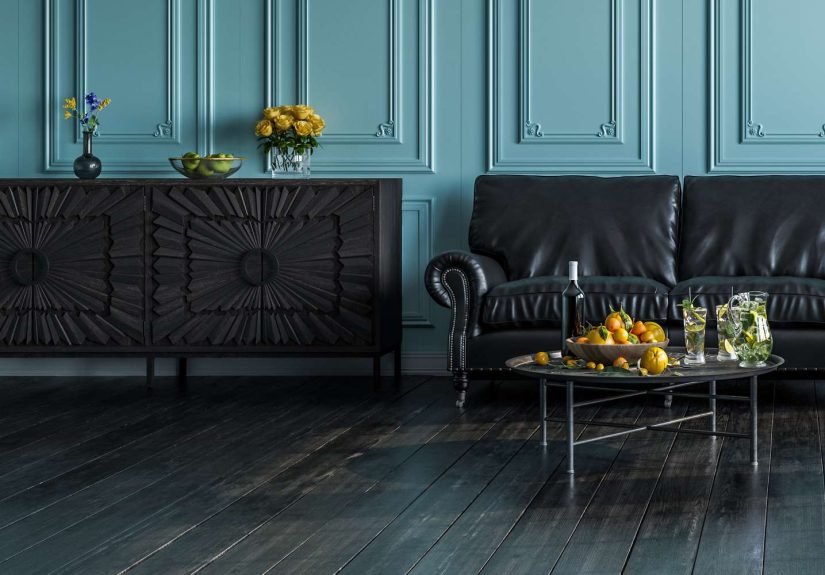
Dark floors, black cabinets, glossy appliances, polished hardware, and ultra-sleek finishes can look dramatic and high-end. They can also show dust, smudges, scratches, footprints, water spots, and fingerprints with almost theatrical enthusiasm. A finish that looks rich and moody in a showroom can feel like a forensic lab under normal household lighting.
What to choose instead
Mid-tone woods, satin finishes, brushed metals, and lightly textured surfaces are generally more forgiving. They do not announce every crumb like a town crier. That does not mean you need to avoid dark colors entirely. It just means you should be strategic. Low-maintenance design is often less about the color itself and more about the finish, texture, and how much visual evidence it holds onto.
7. Vessel Sinks and Other Hard-to-Clean Statement Fixtures
Why “wow” can turn into “why”
Statement fixtures are fun until you have to clean around them every day. Vessel sinks are a classic example. They look sculptural and interesting, but the seam where the sink meets the countertop can collect grime, water, toothpaste, and soap residue. Some homeowners also find them splashy and awkward for daily use, especially in busy family bathrooms.
What to choose instead
Undermount sinks and simpler fixtures usually win the low-maintenance contest. They wipe clean more easily, give you more usable counter space, and create fewer awkward edges where gunk can gather. A low-maintenance home should not require a toothbrush to clean the sink because the sink itself has become a tiny architecture project.
8. A Giant Lawn and Fussy Landscaping
Why the yard can quietly become your biggest chore
Many homeowners focus on easy-clean kitchens and forget the yard entirely. Then summer arrives, and suddenly the house comes with mowing, edging, fertilizing, watering, trimming, replanting, weed control, and the occasional staring contest with a dying shrub. Traditional turf can be beautiful, but large thirsty lawns often require more time, water, and maintenance than people expect.
What to choose instead
For a lower-maintenance yard, think native plants, drought-tolerant planting, mulch, gravel, ground covers, and smart landscape design that matches your climate. The goal is not to create a lifeless yard. It is to create one that does not require you to become a part-time groundskeeper. A well-designed low-maintenance landscape can still look lush, layered, and intentional without demanding constant rescue missions.
9. Traditional Wood Decks and High-Upkeep Exterior Trim
Why outdoor charm can come with indoor regret
Natural wood looks classic outdoors, but it typically needs ongoing care to stay that way. Deck boards may need cleaning, staining, sealing, and monitoring for wear, moisture, splintering, or rot. Exterior trim can also need repainting, caulking, and repairs over time, especially in harsh weather.
What to choose instead
Composite decking, PVC trim, and other lower-maintenance exterior materials are often a smarter choice if you value your weekends. They may cost more upfront, but they usually ask less from you over the long run. If your ideal summer plan does not include staining a deck while sweating through your shirt, that upgrade may be worth every penny.
10. Dust-Catching Gaps, Ledges, and Hard-to-Reach Details
Why “architectural interest” sometimes means “future dust museum”
Homes love to hide maintenance in plain sight. The gap above kitchen cabinets. Decorative ledges. Layered ceilings. Deep window tracks. Fancy trim. High shelves. These details can look finished and upscale, but they often create surfaces that collect dust, grease, and random household fuzz while staying just inconvenient enough to ignore.
What to choose instead
When possible, go for simpler lines and easier access. Ceiling-height cabinetry gives you storage while eliminating one of the greasiest dust traps in the kitchen. Smooth transitions and fewer decorative ledges usually mean fewer forgotten places to clean. In a low-maintenance home, you want fewer zones that require a ladder, a flashlight, and a sudden burst of moral courage.
How to Think Like a Low-Maintenance Homeowner
The best low-maintenance homes are not built around trends. They are built around friction reduction. Before you choose any material, finish, or feature, ask a few brutally honest questions. Will this show every speck of dust? Does it need sealing, polishing, special cleaning products, or frequent touch-ups? Is it easy to reach and wipe down? Will it still work when life gets messy, fast, and very unphotogenic?
That mindset changes everything. Suddenly, easy-clean surfaces become more appealing than fragile ones. Closed storage starts sounding smarter than open styling opportunities. Climate-appropriate landscaping beats aspirational gardening. And durable, forgiving finishes feel a lot more luxurious than materials that demand constant attention.
A truly low-maintenance home does not mean giving up style. It means choosing style that works for you instead of assigning you a second unpaid job.
Conclusion
If you want a low-maintenance home, avoid features that trap dust, highlight every smudge, demand sealing or special care, or turn ordinary cleaning into an Olympic event. The usual culprits are carpet in the wrong places, high-maintenance countertops, open shelving, grout-heavy tile, glass shower doors, dramatic dark finishes, statement sinks, oversized lawns, wood-heavy exterior materials, and dust-catching architectural details.
The best home for real life is not the one with the flashiest finishes. It is the one that still looks good when people are actually living in it. Choose materials that are durable, forgiving, easy to clean, and suited to your climate and routine. Your future self will thank you, probably while doing something far better than scrubbing grout with a tiny brush.
Extra Experience and Practical Lessons From Real Low-Maintenance Living
One of the most common homeowner regrets starts with good taste and ends with extra chores. People often choose finishes during a renovation when the room is spotless, the samples are tiny, and nobody is frying bacon, shedding dog hair, or splashing toothpaste around. Then real life moves in. That is when the “luxury” glass shower starts demanding daily wiping, the dark floor begins showing every crumb from ten feet away, and the open shelves become a public display of mismatched mugs and snack containers. A feature does not have to be ugly to be exhausting. It just has to require more maintenance than your daily routine can realistically support.
Another lesson homeowners learn quickly is that easy cleaning is not only about the material itself. It is also about the shape, location, and number of surfaces. A simple sink can be easy to wipe. A sculptural sink with a raised lip, wall-mounted faucet, tight corners, and a narrow countertop can become a grime obstacle course. A pretty tray ceiling may add depth to a room, but it also adds one more high horizontal surface that quietly gathers dust until a holiday cleaning session forces a reunion. The same goes for decorative cabinet gaps, ornate trim, and deep window ledges. The more edges, seams, grooves, and ledges you create, the more cleaning routes you are signing up for.
Outdoor spaces teach the same lesson in an even louder voice. A large yard can sound peaceful in theory, but in practice it often means mowing in the heat, adjusting irrigation, replacing stressed plants, and wondering why you seem to own seventeen yard tools now. Many people discover that a smaller lawn with smarter planting feels more luxurious because it gives them their weekends back. That is the secret most low-maintenance homes understand: ease is a feature. Convenience is a design win. Less upkeep is not settling. It is strategy.
The smartest homeowners also stop asking, “Will this look good on day one?” and start asking, “How will this behave in month eighteen?” That question changes decisions fast. Suddenly, quartz looks more attractive than stone that etches. Closed cabinets sound better than shelves that need styling. Composite decking starts to look a lot more glamorous when your neighbor is staining wood for the second summer in a row. Low-maintenance design is really just long-term thinking in good lighting.
In the end, the most satisfying homes are usually not the ones with the most dramatic materials. They are the ones that stay comfortable, functional, and attractive without requiring constant rescue. When your house supports your life instead of interrupting it, that is not just good design. That is freedom with decent countertops.