Table of Contents >> Show >> Hide
- What Are Onions, Exactly?
- Onion Nutrition at a Glance
- Top Benefits of Onions
- 1. Onions may help support heart health
- 2. They support gut health through prebiotic fiber
- 3. Onions provide antioxidants that help protect cells
- 4. They may help with blood sugar management as part of a balanced diet
- 5. Onions may have protective potential in cancer-related research
- 6. They make healthier cooking easier
- Raw vs. Cooked Onions: Which Is Better?
- Are There Any Downsides to Eating Onions?
- How to Get the Most Nutrition From Onions
- Final Takeaway
- Experiences With Onions: What Real Life Looks Like
- SEO Tags
Onions are the kind of ingredient that quietly runs half the kitchen. They sizzle at the start of soups, disappear into sauces, sweeten when roasted, and somehow make plain eggs feel like a real meal. They are also more than a flavor sidekick. Onions bring useful nutrients, plant compounds, and prebiotic fibers to the table, all while staying low in calories and easy on the grocery budget.
That does not mean onions are a miracle bulb with a cape and a soundtrack. They will not cancel out a fast-food weekend or turn one salad into a wellness documentary. What they can do is add flavor, texture, and a meaningful nutritional boost to everyday meals. That is a pretty impressive job description for a vegetable that regularly makes people cry.
In this guide, we will break down onion nutrition, explore the most talked-about health benefits, explain who may need to eat them more carefully, and share practical ways to enjoy them without turning dinner into a tear-soaked event.
What Are Onions, Exactly?
Onions are members of the allium family, the same vegetable group that includes garlic, leeks, shallots, and chives. Their flavor comes from sulfur-containing compounds, which are also part of the reason onions have attracted so much attention in nutrition research. Along with those sulfur compounds, onions provide flavonoids such as quercetin and, in red onions, anthocyanin pigments that contribute to their color.
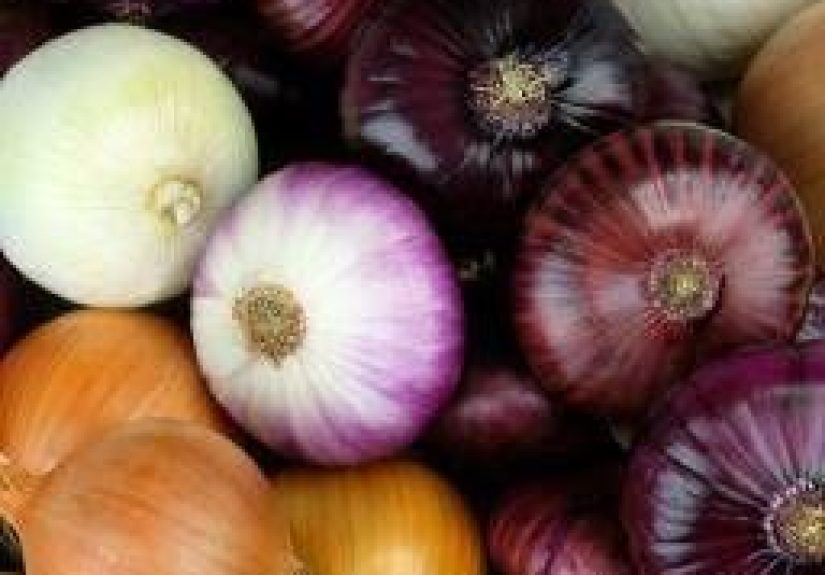
There are several common varieties, and each one has its own personality:
- Yellow onions: The everyday workhorse. Balanced flavor, great for cooking, roasting, caramelizing, and soups.
- White onions: Sharper and cleaner in flavor, often used in salsas, tacos, and quick sautés.
- Red onions: Slightly peppery, especially good raw in salads, sandwiches, and pickled dishes. They also contain red-purple anthocyanin pigments.
- Sweet onions: Milder and juicier, often used in rings, grilling, and recipes where onion flavor should be gentle rather than bossy.
- Green onions: Younger onions with a milder taste, used as a garnish or raw topping.
Onion Nutrition at a Glance
Onions are mostly water and carbohydrates, which is one reason they are relatively low in calories. A medium raw onion provides modest calories, very little fat, small amounts of protein, and helpful amounts of carbohydrates and fiber. They also contribute vitamin C and smaller amounts of folate, vitamin B6, potassium, and other micronutrients.
That may not sound glamorous, but onions shine in a very practical way: they add flavor without piling on saturated fat, sugar, or sodium. In other words, onions help make healthy food taste like food you actually want to eat.
Key nutrients and compounds found in onions
- Vitamin C: Supports immune function and helps protect cells from oxidative stress.
- Fiber: Helps support digestion and fullness.
- Prebiotics: Onions contain fermentable fibers, including inulin and fructan-type compounds, that feed beneficial gut bacteria.
- Quercetin: A flavonoid with antioxidant and anti-inflammatory activity.
- Organosulfur compounds: These contribute onion flavor and are often studied for their potential roles in metabolic and cellular health.
- Anthocyanins: Found in red onions, these pigments are part of the broader flavonoid family.
Top Benefits of Onions
1. Onions may help support heart health
One of the biggest reasons onions get nutrition buzz is their flavonoid content, especially quercetin. Flavonoids are plant compounds associated with cardiovascular benefits in broader diet research. Onions are not heart medicine, but they fit well into eating patterns that support heart health because they bring flavor without relying on excess salt, butter, or processed sauces.
Quercetin has antioxidant and anti-inflammatory properties, and onions are often discussed as a useful dietary source. In real life, this matters because a food does not need to be dramatic to be valuable. Adding onions to bean chili, roasted vegetables, fish tacos, grain bowls, or lean burgers can help make nutrient-dense meals more satisfying and more likely to stay on your regular menu.
2. They support gut health through prebiotic fiber
Your gut microbiome loves a good meal, too, and onions help provide one. The prebiotic fibers in onions are not digested the same way simple sugars are. Instead, they move through the digestive tract and serve as food for beneficial gut bacteria. A healthier microbiome is linked with healthy digestion and may play a role in broader immune and metabolic wellness.
This is one reason onions show up in so many healthy recipes even when they are not the star of the plate. A chopped onion in soup, a stir-fry, or a skillet meal can quietly boost the fiber and prebiotic value of the dish. It is not flashy, but neither is a toothbrush, and both do important work.
3. Onions provide antioxidants that help protect cells
Oxidative stress sounds like something caused by taxes and late emails, but in nutrition it refers to cell damage driven by unstable molecules called free radicals. Antioxidants help neutralize that process. Onions provide several antioxidant compounds, including quercetin, and red onions add anthocyanins to the mix.
That does not mean you need to chew raw onion slices like an action hero in a health commercial. It simply means onions are one more antioxidant-rich vegetable worth rotating into your meals. Nutrition works best as a team sport, and onions play solid defense.
4. They may help with blood sugar management as part of a balanced diet
Some studies and reviews have explored whether compounds in onions may support blood sugar control or insulin-related functions. The research is interesting, but it is not strong enough to treat onions like a stand-alone solution. The smarter take is this: onions are a low-calorie, high-flavor vegetable that can replace less helpful ingredients in meals and support a more balanced eating pattern overall.
For example, adding sautéed onions to eggs, beans, brown rice, chicken, lentils, or roasted vegetables can improve taste and satisfaction without depending on sugary sauces or heavy refined toppings. That is not magic. It is just good meal design.
5. Onions may have protective potential in cancer-related research
Allium vegetables, including onions and garlic, have been studied for possible links to lower risk of certain cancers. Researchers are especially interested in sulfur compounds and flavonoids. But this is where nuance matters. Observational research can suggest patterns, not promises, and no single food prevents cancer on its own.
The most responsible conclusion is that onions can be part of a diet rich in vegetables, fruits, legumes, and whole grains, which is the kind of eating pattern consistently associated with better long-term health. So yes, onions deserve respect, but they are not a replacement for screening, medical care, or an overall healthy lifestyle.
6. They make healthier cooking easier
This benefit gets less scientific attention, but it matters a lot in daily life. Onions build flavor. That means they can help you cook meals that taste richer and more satisfying without leaning so heavily on sodium, sugar, or processed ingredients. A pot of soup without onions can feel unfinished. A pan of fajita vegetables without onions feels like it forgot its glasses.
Because onions are inexpensive, shelf-stable, and versatile, they can help people eat more home-cooked meals. And home cooking tends to support better nutrition habits overall. Sometimes the healthiest ingredient is the one that makes you excited to cook dinner instead of ordering takeout for the fourth time in a week.
Raw vs. Cooked Onions: Which Is Better?
Both forms have benefits. Raw onions may retain more of certain sulfur compounds, while cooked onions can still provide fiber, flavor, and useful plant compounds. Cooking also makes onions sweeter and, for many people, easier to digest.
If raw onion tastes too sharp or causes stomach discomfort, that does not mean onions are off the table forever. Roasting, grilling, sautéing, braising, or caramelizing can mellow their bite and make them more enjoyable. On the other hand, if you love the crunch and zing of raw red onion in a salad, go forth proudly and make your sandwich feel fancy.
Simple ways to use onions well
- Add yellow onions to soups, stews, and chili for a flavor base.
- Use red onions in salads, burgers, wraps, and grain bowls.
- Roast wedges of onion alongside carrots, potatoes, and chicken.
- Quick-pickle sliced onions for tacos, rice bowls, and sandwiches.
- Mix cooked onions into omelets, frittatas, pasta sauces, and beans.
- Blend onions into meatballs, turkey burgers, or veggie patties for moisture and flavor.
Are There Any Downsides to Eating Onions?
For many people, onions are easy to enjoy. But for others, especially those with digestive sensitivities, onions can cause trouble. Raw onions are more likely to trigger gas, bloating, or stomach discomfort because of their fermentable fibers. Some people with irritable bowel symptoms find onions especially challenging.
Onions can also worsen heartburn in some individuals, particularly when eaten raw or in large portions. And while onion allergy is uncommon, it is possible. If onions consistently cause symptoms that feel severe, unusual, or disruptive, it is worth discussing with a healthcare professional.
Portion and preparation matter. A few tablespoons of cooked onion in soup may sit fine, while a giant pile of raw onion on a burger may lead to digestive regret and a long evening of life choices.
How to Get the Most Nutrition From Onions
Choose variety
Rotate yellow, red, white, and sweet onions. Each fits different recipes and gives you a slightly different mix of taste and plant compounds.
Do not peel away too much
Some beneficial compounds are concentrated in the outer layers. Remove the papery skin and any damaged layers, but do not over-strip the onion like it owes you money.
Pair onions with other whole foods
Onions work best when combined with a strong overall diet. Think beans, tomatoes, leafy greens, olive oil, lean proteins, whole grains, and other colorful vegetables.
Cook them in ways you enjoy
The healthiest onion is often the one you will actually eat. Roasted onions, grilled onions, and lightly sautéed onions can all be part of a nutritious routine.
Final Takeaway
Onions are one of the most practical health-supporting foods in the kitchen. They are low in calories, provide fiber and vitamin C, contain prebiotic compounds that support the gut microbiome, and offer plant chemicals like quercetin and sulfur compounds that continue to interest researchers. They also make healthy meals taste better, which is not a small thing. Flavor is what turns good intentions into actual habits.
So are onions worth eating regularly? Absolutely. You do not need to treat them like a superfood celebrity. Just keep them in rotation, use them generously in balanced meals, and let them do what they do best: add depth, sweetness, savoriness, and quiet nutritional value to everyday food.
Experiences With Onions: What Real Life Looks Like
In real kitchens, onions are rarely discussed with the glamour given to avocados, berries, or anything that comes with a trendy smoothie bowl. But onions may be one of the most useful ingredients people buy every week without thinking twice. For many home cooks, the smell of onions hitting a warm pan is the signal that dinner has officially begun. It is the scent that says, “Relax, something decent is happening here.”
One common experience people talk about is how onions help make healthy meals feel less like punishment. Plain chicken and vegetables can be respectable, sure, but respectable is not always memorable. Add sautéed onions, and suddenly the plate has sweetness, aroma, and depth. A pot of lentil soup tastes fuller. A turkey burger tastes less dry. A scramble with spinach feels like a real breakfast instead of a rushed compromise.
Then there is the great raw-onion divide. Some people love the sharp bite of red onion in salads, sandwiches, and tacos. They want crunch, brightness, and a little attitude. Other people take one bite and immediately feel like they swallowed a tiny torch. Both reactions are valid. Raw onions can be bold, and for some stomachs, they are a bit too enthusiastic. Cooking changes the experience completely. Roasted onions become mellow and almost jammy. Caramelized onions become sweet and rich enough to make you consider eating them straight from the pan with suspicious confidence.
People also notice that onions are one of the easiest ways to stretch a meal without making it feel cheap. Add onion to ground turkey, beans, stir-fry, pasta sauce, or fajita filling, and the dish becomes more flavorful and more filling. That is especially helpful for busy families, students, and anyone trying to cook on a budget while still eating in a way that feels satisfying.
Of course, onions have their dramatic side. They make people cry. They linger on cutting boards. They can take over a fridge drawer if not stored well. And when overcooked, they go from delicious to “Who forgot these on the stove?” in what feels like seven seconds. But even those quirks are part of their charm. Onions are not delicate. They are dependable.
Another real-world experience is that people often tolerate onions better when they experiment with type and preparation. Someone who cannot handle a mountain of raw white onion may do perfectly well with soft cooked yellow onion in soup. Someone who finds sweet onions too mild may love the bite of red onion in a grain bowl. The point is not to force one version. The point is to find the onion experience that works for your taste buds and your stomach.
Over time, many people realize onions are not just an ingredient. They are a habit-builder. They make vegetables easier to eat, home cooking more inviting, and ordinary meals more satisfying. That is why onions keep showing up in kitchens across the country. They are affordable, flexible, nutritious, and deliciously unpretentious. Not bad for a bulb with a reputation for causing tears.