Table of Contents >> Show >> Hide
- What exactly is a Swedish birch peg rack?
- Why birch is a smart (and slightly underestimated) choice
- Scandinavian logic meets Shaker-level practicality
- Where a Swedish birch peg rack works best
- How to mount it so it stays up (and your drywall stays intact)
- Finishes and care: raw birch is beautiful, but it has opinions
- Styling tips that keep it functional (not just “pretty storage”)
- Buying checklist: what to look for before you click “Add to Cart”
- FAQs
- Everyday Experiences: Living With a Swedish Birch Peg Rack (500-ish Words of Real-World Reality)
- Conclusion
Some home upgrades are loud: a new sofa, a bold paint color, a chandelier that looks like it could land a small aircraft.
And then there’s the Swedish birch peg rackquiet, useful, and weirdly life-improving. It doesn’t shout
for attention. It just stands there (on the wall), patiently waiting to hold your coat, tote, dog leash, apron, headphones,
bathrobe, or the one scarf you “temporarily” draped over a chair three months ago.
In other words: it’s organization you’ll actually use. And because it’s usually made from pale, raw-looking birch with a
simple row of pegs, it fits into almost any styleScandinavian, modern farmhouse, minimalist, “I swear I’m trying,” and even
the classic “my entryway is basically a hallway with dreams.”
What exactly is a Swedish birch peg rack?
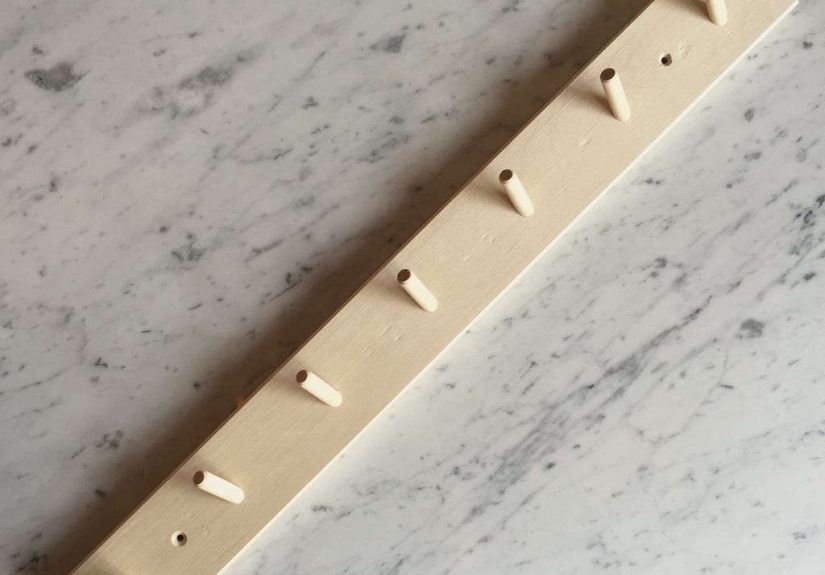
Think of it as a slim wooden rail with evenly spaced pegs that you mount to the wall. Many well-known versions come with
seven pegs and a length around 26 inches (about 67 cm), which is the sweet spot for holding
daily essentials without turning your wall into a storage-themed game of Jenga.
What makes the Swedish-style versions stand out is their practical, modular thinking. Some designs keep the side edges flush
so you can hang multiple racks end-to-end and create a longer run. Others match the distance of the end pegs so that when you
place two racks side by side, the spacing stays consistentno awkward “gap peg” zone where hats go to disappear.
Why birch is a smart (and slightly underestimated) choice
Birch looks simple, but it’s not flimsy. In the hardwood world, birch is often described as fine-textured with a straight grain
(sometimes wavy), and it takes sanding and polishing well. It’s also commonly recommended to pre-drill before
nailing or screwing because it can split if you bully it with fasteners.
Translation: birch is great for something that gets handled a lotlike a wall rack that sees daily action from jackets, bags,
and wet towels. It’s sturdy enough to hold up to real life, and clean enough visually to blend in when you want calm walls.
Scandinavian logic meets Shaker-level practicality
Peg rails aren’t new. They’ve been a “why didn’t we keep doing this?” idea for centuries. The Shakers, in particular, used
wooden peg rails as an elegant, repeatable way to keep floors clear and spaces flexiblehanging everything from clothing to
brooms and chairs. Peg spacing was often intentionally regular, and rails were typically installed high enough to preserve
usable room below.
The Swedish birch peg rack feels like the Scandinavian cousin of that tradition: practical, spare, and designed to quietly
reduce mess. It’s storage that doesn’t look like storagewhich is basically the holy grail of small-space living.
Where a Swedish birch peg rack works best
Entryway: the “drop zone” that doesn’t look like a drop zone
If your entryway currently functions as a coat pile with a door attached, a birch peg rack can turn chaos into a system.
Wall hooks are often enough to keep daily essentials organizedcoats, keys, bagswithout needing bulky furniture.
Add a small tray below for shoes and you’ve built a simple routine your future self will thank you for.
Kitchen: mugs, utensils, aprons, and the towel that never dries
A peg rack near the coffee station is a small luxury: hang favorite mugs, keep a hand towel within reach, and give aprons a home
that isn’t “the oven handle.” If you’re tight on drawer space, this can also keep commonly used tools accessible without turning
your counter into a utensil convention.
Bathroom: towels and robes, minus the damp pile
Hooks create a casual, easy-to-use alternative to stiff towel bars. A birch peg rack can hold towels, robes, and washcloth baskets
while keeping the space feeling airy. Bonus: fewer towels end up on the floor “to dry,” which is a lie we tell ourselves.
Bedroom and closet: accessories that stay visible
If you’ve ever forgotten you owned something because it lived in a drawer, a peg rack is your friend. Hang tomorrow’s outfit,
belts, hats, scarves, or a daily tote. It’s like a gentle reminder system that doesn’t send notifications at 2 a.m.
Office, studio, mudroom, or garage: tools, headphones, leashes
Peg racks shine anywhere you need “grab-and-go” storage: dog leashes, work gloves, headphones, measuring tape, or reusable bags.
The key is to keep heavier items closer to studs and use appropriate anchors so your wall doesn’t eventually protest.
How to mount it so it stays up (and your drywall stays intact)
1) Pick a height you’ll actually use
There’s no universal rule. For coats and bags in an entryway, many people mount it around shoulder height so items are easy to grab.
For kids, go lower. For a “hang towels and keep the floor clear” vibe, go a bit higher. The right height is the one that matches
your household’s habits, not the one that looks best on a mood board.
2) Find studs when you can
For anything that will hold real weight (winter coats, loaded totes), securing into studs is the gold standard. Studs are commonly
spaced about 16 inches on center in many drywall constructions, but spacing can varyespecially near doors, windows,
and older walls. Use more than one method to confirm stud locations and verify vertically before drilling.
3) Use the right anchors when studs don’t line up
If your rack’s mounting holes don’t land where studs are, don’t panicjust use anchors rated for the load. Different anchor types
handle different weights and situations, and quality matters. If you’re hanging a rack that will regularly hold heavier items,
consider heavy-duty toggles or high-capacity anchors rather than basic plastic ones. Also remember: leverage changes everything.
A coat rack gets tugged, bumped, and yankedso build in a safety margin.
4) Consider a backer board for maximum flexibility
A smart trick is to mount a painted or stained board into studs first, then attach the peg rack to the board. This spreads
load, lets you place the rack exactly where you want it, and can be more renter-friendly (fewer random holes, more intentional
holes). It also looks surprisingly “built-in” when done neatly.
Finishes and care: raw birch is beautiful, but it has opinions
Many Swedish birch peg racks come in an untreated or lightly finished look that feels minimalist and warm. If you like the pale
birch vibe, a clear protective coat can help reduce grime and finger marksespecially in kitchens and entryways.
Want to paint or stain it? You can, but birch can be prone to blotchy results if you slap on a penetrating stain and hope for the
best. If staining, consider using a pre-stain conditioner or another blotch-control method, and always test on
a hidden area first (or a scrap) before committing. Birch rewards patience and punishes shortcuts in a way that feels personal.
Styling tips that keep it functional (not just “pretty storage”)
- Assign zones: one peg per person, or one peg per category (keys, bags, coats). Systems work when everyone knows the rules.
- Add a basket hook: hang a small basket for mail, dog bags, or mittens. It’s controlled clutter, which is the best kind.
- Go end-to-end: if your rack style allows modular runs, line up multiples for a clean, continuous look in long hallways.
- Keep “wet stuff” spaced: towels and coats dry better when they’re not stacked like lasagna.
- Use what you own: simple S-hooks or looped cords can increase flexibility without changing the rack.
Buying checklist: what to look for before you click “Add to Cart”
- Length and peg count: seven pegs is a great default for most homes; longer runs work well in busy hallways.
- Peg shape: slightly rounded pegs are kinder to fabrics and less likely to leave shoulder dents in delicate items.
- Mounting hardware: included hardware is nice, but confirm it matches your wall type and intended load.
- Modularity: flush ends and consistent peg spacing make it easier to expand later.
- Finish: raw birch is gorgeous, but consider a protective coat for high-traffic areas.
FAQs
How much can a Swedish birch peg rack hold?
The rack itself may be sturdy, but the wall connection is what decides your real weight limit. Mounted into studs, it can handle
everyday coats and bags comfortably. Mounted into drywall only, you’ll want anchors rated well above what you plan to hangand
you’ll want to distribute weight across multiple attachment points.
Can I install it in a rental?
Often, yes. A backer board mounted into studs can reduce the number of holes and make removal easier later. If you use anchors,
choose reliable ones and keep your holes clean and minimal. Future-you (or your security deposit) will appreciate it.
Should I paint or stain it?
You can, and it can look fantastic. If staining, do a test first and consider blotch control methods. If painting, a light sanding
and a suitable primer can help you get an even, durable finishespecially in kitchens and entryways.
Everyday Experiences: Living With a Swedish Birch Peg Rack (500-ish Words of Real-World Reality)
The first week you install a Swedish birch peg rack, you’ll probably use it like a normal person: hang a coat, hang a bag, feel
oddly proud that you used a level, and then walk away. Week two is when it becomes part of your life’s operating system.
A common experience in small apartments: the rack becomes a “landing strip.” You walk in, keys go on Peg #1, tote goes on Peg #2,
and suddenly you’re not doing that frantic pocket-patting dance while whispering, “Where did I put my” into the void.
People who struggle with clutter often notice something surprising: a peg rack doesn’t just store itemsit removes decision fatigue.
You stop negotiating with yourself about where things belong. They belong on the peg. The end.
In busy family homes, the rack gets assigned like seats at a wedding. One peg per person. No stealing pegs. Jackets and backpacks
stay visible, which means fewer mornings where someone is searching for their “favorite hoodie” that is somehow located inside a
laundry basket, beneath a towel, behind a door, in a different zip code.
Kitchens develop their own rack culture. Near the coffee station, the pegs become mug parking. One peg might hold a tiny basket
with filters or tea bags. Another peg becomes the designated home for the dish towel that is always in use. The rack makes the
space feel like you have your act together, even if your fridge contains three sauces and a single lemon that’s seen better days.
Bathrooms are where people become unexpectedly emotional about hooks. A peg rack reduces the classic towel-bar problem:
towels folded in half never dry, and then you’re basically drying off with a damp apology. With pegs, towels can hang more freely.
Robes stop living on the floor. And yes, someone will still drape something over the shower rod. But overall? Improvement.
The funniest “real-life” moment is usually installation. Many folks start confident, then realize their studs don’t line up with the
mounting holes, and suddenly it’s a tiny engineering project. The win is when you either hit studs cleanly or use the right anchors
and the rack feels rock solid. The loss is using bargain anchors and hearing that ominous drywall crunch the first time a heavy coat
swings. The good news: most people only make that mistake once.
Over time, the peg rack becomes less about storage and more about flow. You stop piling things on chairs. You stop misplacing keys.
You create a small ritual: arrive, hang, exhale. It’s not life-changing in a dramatic movie-montage way. It’s life-changing in the
“my house is calmer every day” way. Which, honestly, is the better kind.
Conclusion
A Swedish birch peg rack is the rare home item that earns its wall space. It’s minimalist but not precious, stylish but not fussy,
and practical in a way that quietly improves daily routines. If you want your home to feel more organized without adding bulky
furnitureor if you just want to stop donating perfectly good chairs to the cause of “temporary storage”a birch peg rack is a
simple, smart place to start.