Table of Contents >> Show >> Hide
- What Is Horseshoe Crab Blood, Exactly?
- Why Horseshoe Crab Blood Matters in Medicine
- Horseshoe Crab Blood and Vaccines: What People Get Wrong
- Why the Biomedical Industry Turned to Horseshoe Crabs
- The Conservation Problem Behind the Blue Blood Boom
- Can Science Replace Horseshoe Crab Blood?
- What the Future of Vaccine Testing Could Look Like
- Conclusion: A Medical Marvel With a Deadline
- Extended Experience Section: Why This Topic Feels So Personal
There are weird medical miracles, and then there is horseshoe crab blooda substance so strange it sounds like it was brainstormed by a science fiction writer during a thunderstorm. It is bright blue. It comes from an animal that is not really a true crab. And for decades, it has played a quiet but massive role in modern medicine, especially in vaccine safety, injectable drugs, IV fluids, and medical devices.
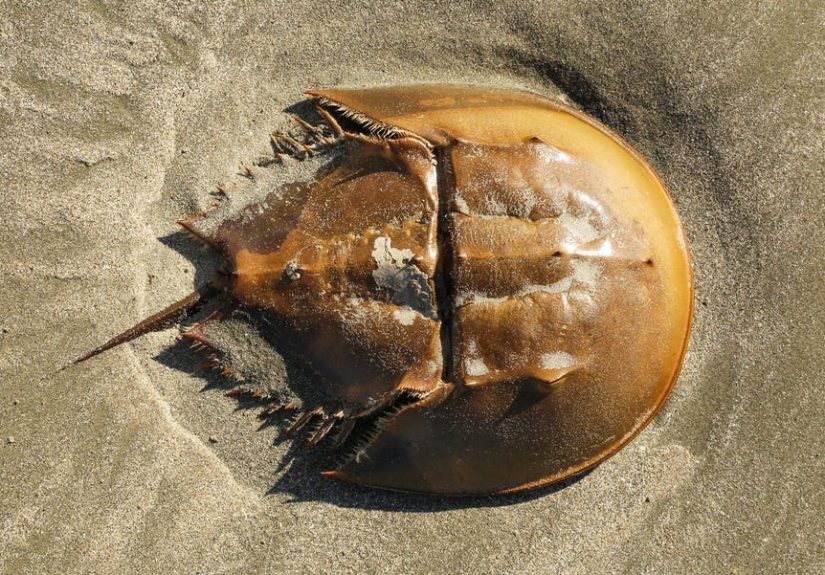
If that sounds dramatic, good. It should. Horseshoe crab blood helps scientists detect dangerous bacterial toxins before products ever reach a patient. In other words, before a vaccine goes into your arm or a sterile drug reaches your bloodstream, there is a decent chance a horseshoe crab’s chemistry helped make sure it was safe. Not bad for an animal that looks like a helmet with a tail and the personality of a prehistoric Roomba.
But this story is not just about wonder. It is also about pressure. Biomedical companies have long relied on a substance made from horseshoe crab blood called Limulus amebocyte lysate, or LAL. That test became the gold standard for spotting bacterial endotoxins. At the same time, conservationists and researchers have raised serious concerns about bleeding wild horseshoe crabs and sending them back to the ocean after collection. The big question now is whether medicine can keep patients safe and reduce its dependence on these ancient animals.
This article breaks down what horseshoe crab blood is, why it matters for vaccines, what crab blood uses really look like in the real world, and how new technologies may finally give this old medical workhorse some relief.
What Is Horseshoe Crab Blood, Exactly?
First, the headline-grabber: horseshoe crab blood is blue. Human blood is red because hemoglobin uses iron to carry oxygen. Horseshoe crabs use hemocyanin, a copper-based oxygen-carrying protein, which gives their blood that unmistakable blue tint. So yes, the internet got one thing right: the blue is real. No filter required.
Second, horseshoe crabs are ancient. They are often called “living fossils” because their basic body plan has been around for hundreds of millions of years. And despite the name, they are not true crabs at all. They are more closely related to spiders and scorpions than to the crab you crack open at a seafood restaurant. That little taxonomic plot twist is one of the reasons this topic fascinates both biologists and curious readers.
What makes their blood medically valuable is not just the color. It is the blood cellscalled amebocytesthat react with extraordinary sensitivity to endotoxins, toxic components associated with certain bacteria. When those cells detect endotoxin, they trigger a clotting reaction. Nature built this defense system to protect the animal. Humans turned it into one of the most important quality-control tools in pharmaceutical manufacturing.
Why Horseshoe Crab Blood Matters in Medicine
The biggest reason horseshoe crab blood became famous is the LAL test. LAL stands for Limulus amebocyte lysate, a reagent created from the animal’s blood cells. In sterile manufacturing, the LAL test is used to detect endotoxins that can trigger severe reactions in humans, including fever, inflammation, shock, or worse if contaminated material enters the bloodstream.
That means the value of horseshoe crab blood is not cosmetic, trendy, or vaguely “science-y.” It is practical. It helps answer a brutal yes-or-no question: Is this product dangerously contaminated?
How the LAL Test Works
Here is the simplified version. Scientists collect a portion of blood from horseshoe crabs, process the amebocyte-rich material into LAL, and use that reagent in laboratory testing. If endotoxin is present in a sample, the LAL reaction signals it. This can happen through gel formation, color change, or other validated assay formats depending on the method used.
The genius of the system is its sensitivity. Endotoxins can be dangerous in very small amounts, especially in products that bypass the body’s natural barriers. If a contaminant shows up in an injectable drug, a vaccine, dialysis fluid, or a surgical implant, the consequences can be serious. The LAL test became so important because it offered a rapid, sensitive, and scalable way to screen for those contaminants.
Crab Blood Uses in the Real World
When people search for crab blood uses, they often focus on vaccines. That is understandable, but it is only part of the picture. Horseshoe crab blood-derived testing has been used across a wide range of biomedical settings, including:
- Vaccines and vaccine components
- Injectable medicines
- Intravenous solutions and saline products
- Implants, catheters, and other medical devices
- Pharmaceutical manufacturing water systems
- Laboratory materials that must remain endotoxin-safe
In plain English, horseshoe crab blood has been part of the invisible safety net behind modern medicine. You usually never see that safety net, but you definitely want it there.
Horseshoe Crab Blood and Vaccines: What People Get Wrong
Let’s clear up the most common misunderstanding. Horseshoe crab blood is not an ingredient in vaccines. It is not poured into the vial like some kind of marine wizard potion. Instead, it is used in the testing process to help ensure that vaccine products and manufacturing systems are free of dangerous bacterial endotoxins.
That distinction matters. The role of LAL is about quality control, not formulation. When people say horseshoe crab blood is used for vaccines, what they really mean is that it has historically helped verify the safety of vaccines and many other sterile medical products before they are released.
This became especially visible during the COVID-era manufacturing surge, when public interest in vaccine production suddenly collided with the weirdest marine biology fact most people had ever heard. The result was a burst of headlines asking why an ancient coastal animal mattered to modern pharmaceutical science. The answer was simple: because endotoxin testing still matters, and for a long time LAL was the dominant method for doing it.
That has made horseshoe crab blood both medically important and symbolically powerful. It became the poster child for a larger question: how many life-saving systems depend on wild animals in ways most people never notice?
Why the Biomedical Industry Turned to Horseshoe Crabs
The rise of the LAL test was not random. Before LAL became widespread, pyrogen testing could be slower, more cumbersome, and in some cases relied on animal testing systems that were less elegant for detecting endotoxin specifically. LAL offered a targeted, highly sensitive method that fit the growing needs of pharmaceutical production. As sterile injectables, biologics, and device manufacturing expanded, so did demand for reliable endotoxin testing.
In that sense, horseshoe crab blood became one of those unsung industrial standards that quietly transformed safety expectations. Nobody hangs a banner saying, “Congrats on your endotoxin-free catheter,” but the absence of drama is exactly the point. Good quality control is gloriously boring when it works.
The biomedical value also comes from specificity. Endotoxins from Gram-negative bacteria can be dangerous in the bloodstream even when living bacteria are no longer present. That means a product can appear sterile and still pose a risk if endotoxin contamination remains. The LAL-based system gave regulators and manufacturers a sensitive way to catch that danger early.
The Conservation Problem Behind the Blue Blood Boom
Here is where the story gets complicated. To produce traditional LAL, companies collect wild horseshoe crabs, remove a portion of their blood, and then return many of them to the water. For years, this was presented as a workable compromise: use the animals, release them alive, and keep the medical system running.
But “released alive” does not automatically mean “totally fine.” Research and management discussions have shown that biomedical bleeding can lead to mortality in some crabs and can also produce sublethal effects in survivors, including weakness, altered behavior, reduced activity, and delayed return to normal physiological conditions. In other words, survival after bleeding is not the same thing as a clean bill of health.
That matters because horseshoe crabs are already under pressure from other forces, including habitat loss, shoreline change, and harvesting for bait in some fisheries. Their eggs also support coastal food webs, especially migratory shorebirds in places like Delaware Bay. So the debate is no longer just about one industry using one species. It is about whether the total pressure on the ecosystem is sustainable.
And yes, there is some nuance here. Different stakeholders emphasize different threats. Some argue bait harvest has historically imposed heavier direct pressure than biomedical collection alone. Others point to the biomedical process as especially troubling because it treats a wild animal like a reusable test strip. Both perspectives feed into the modern policy debate, and both help explain why the issue remains contentious.
Can Science Replace Horseshoe Crab Blood?
The short answer is: increasingly, yes.
The most talked-about alternative is recombinant Factor C, often shortened to rFC. Factor C is the part of the horseshoe crab clotting cascade that reacts to endotoxin. Instead of drawing blood from wild crabs, scientists can use recombinant biotechnology to produce a non-animal version of that key detection component.
This matters for at least three reasons.
1. It Can Reduce Dependence on Wild Animals
The most obvious advantage is ethical and ecological. If manufacturers can use validated non-animal reagents, they can reduce demand for blood-derived LAL. That would not instantly erase every conservation problem facing horseshoe crabs, but it could significantly reduce one of the most unusual pressures placed on them.
2. It Can Improve Consistency
Traditional biologically sourced materials can vary. Recombinant systems may offer tighter consistency, clearer standardization, and less risk of certain interferences when appropriately validated. For highly controlled pharmaceutical environments, consistency is not a luxury. It is the whole game.
3. It Is Gaining Regulatory Momentum
For years, one barrier to wider adoption was not just science but standards and implementation. Manufacturers are cautious, and rightly so, because endotoxin testing sits inside highly regulated quality systems. In the United States, the publication and adoption of USP Chapter <86> marked a major step toward formal recognition of non-animal-derived endotoxin testing approaches such as recombinant reagents. That has given the conversation real momentum.
Even so, this is not a Hollywood montage where old methods vanish by lunchtime. Pharmaceutical validation takes time. Companies need comparability data, internal confidence, regulatory alignment, and process-specific evidence. So the transition is real, but it is also gradual. Science rarely changes its shoes while running.
What the Future of Vaccine Testing Could Look Like
The future probably is not a dramatic all-or-nothing switch. More likely, it is a layered transition in which recombinant methods continue to expand as manufacturers validate them across more products, systems, and workflows. In that scenario, horseshoe crab blood becomes less central over time, even if it does not disappear from every use overnight.
That would be a meaningful shift for both public health and conservation. Patients still need safe vaccines, sterile drugs, and reliable medical devices. Regulators still need confidence. Manufacturers still need reproducible results. But if those outcomes can be achieved with animal-free reagents, the moral and ecological argument becomes stronger every year.
And this is really the heart of the story: horseshoe crab blood helped solve a huge medical problem. Now biotechnology may help solve the horseshoe crab blood problem.
Conclusion: A Medical Marvel With a Deadline
Horseshoe crab blood is one of the strangest and most important materials in the history of medical safety testing. Its unique chemistry helped protect vaccines, injectable drugs, medical devices, and sterile manufacturing for decades. The role of horseshoe crab blood in vaccine testing is real, significant, and often misunderstood. It is about endotoxin detection, not about adding crab blood to medicine.
At the same time, the old system comes with modern consequences. Collecting and bleeding wild horseshoe crabs creates biological stress, raises conservation concerns, and forces medicine to confront an awkward truth: some of our most advanced health systems still depend on ancient animals pulled from coastal waters.
The good news is that this does not have to remain a permanent tradeoff. With recombinant alternatives like rFC gaining ground, the future of endotoxin testing may become both safer for wildlife and more flexible for industry. That would be a fitting next chapter. After all, horseshoe crabs have already carried this story for hundreds of millions of years. They have earned a break.
Extended Experience Section: Why This Topic Feels So Personal
One reason the story of horseshoe crab blood sticks with people is that it connects three very different human experiences that almost never appear in the same sentence: going to the doctor, walking on a quiet beach, and trusting an invisible laboratory process. Most of us experience those things separately. This topic forces them into one frame.
Start with the patient experience. Imagine sitting in a clinic, rolling up a sleeve for a vaccine or waiting for an IV medication before surgery. In that moment, you are not thinking about marine arthropods, bacterial endotoxins, or recombinant reagents. You are thinking about whether this product is safe, whether the nurse looks confident, and whether you remembered to drink water. The entire quality-control system behind that moment is invisible. Yet hidden inside that ordinary medical experience is a chain of testing, validation, and manufacturing that may trace back to a horseshoe crab. That realization can feel equal parts reassuring and bizarre. Reassuring because there are serious safeguards. Bizarre because nature, apparently, was moonlighting as a pharmaceutical consultant.
Then there is the coastal experience. Anyone who has seen horseshoe crabs gathering along the shore during spawning season tends to remember it. They look ancient in the most literal way possible, like creatures that missed a memo about extinction and just kept going. For beachgoers, birders, and students visiting estuaries, the moment can be unexpectedly moving. These are not sleek dolphins or charismatic sea turtles. They are awkward, armored, and a little alien-looking. But once you learn that their blood has helped protect human medicine, you stop seeing them as odd background wildlife. They suddenly feel important, almost ceremonial, like coastal elders who have been contributing to civilization without hiring a publicist.
The third experience belongs to science and manufacturing. Lab workers and quality professionals do not usually get treated like headline material, but this topic reveals how much trust society places in them. Endotoxin testing is not glamorous work. It is repetitive, exacting, and often invisible when done correctly. Yet that discipline is what stands between a safe injectable product and a dangerous one. For people in those environments, horseshoe crab blood is not a novelty fact. It is part of a daily responsibility to protect patients they will never meet. That practical experience gives the topic a different emotional charge. It is not about marine trivia. It is about the ethics of how we build safety.
Put those three experiences together and the story becomes bigger than a quirky biology lesson. It becomes a story about connection. A patient in a hospital, a scientist in a clean lab, and an ancient animal on a shoreline are all part of the same chain. That is probably why the topic keeps resurfacing in public conversation. It reminds us that modern life is not as disconnected from the natural world as we like to pretend. Even our most advanced technologies sometimes lean on very old biology.
And maybe that is the lasting emotional pull here. Horseshoe crab blood represents both gratitude and discomfort. Gratitude because it helped make medicine safer. Discomfort because we now know enough to ask whether we can do better. Those two feelings can coexist. In fact, they probably should. The best scientific progress often starts there: not with rejecting the past, but with honoring what worked while building something kinder for the future.