Table of Contents >> Show >> Hide
- What “Aegean” Style Looks Like in Bedding
- Fabric First: The Materials That Nail the Aegean Feel
- Weave Matters More Than Most People Think
- Thread Count: The Number That Gets Too Much Credit
- What “Aegean Blue” Actually Means (and How to Use It)
- Organic, “Non-Toxic,” and Certifications: How to Shop Without Getting Played
- Read the Label Like a Pro (Because It’s the Law)
- Care & Longevity: Keep the Aegean Vibe, Lose the Crunchy Mystery Smell
- How to Choose the Right Aegean Bed Linens for Your Sleep Style
- Common Mistakes to Avoid
- Real-World Experiences With “Aegean” Bed Linens (About )
- Conclusion
“Aegean bed linens” can mean two things in the real world: (1) linens inspired by the Aegean’s signature look
(think whitewashed calm + deep-sea blue + sun-faded stripes), and (2) actual bedding products that use “Aegean”
as a collection name or colorway (often an inky, Mediterranean blue).
Either way, the vibe is the same: airy, unfussy, and quietly luxuriouslike your bed just came back from a
Greek-island postcard and brought you a souvenir: better sleep.
This guide breaks down what “Aegean” style looks like, what fabrics and weaves get you that crisp-coastal feel,
and how to shop smart (so you don’t fall for the classic “12,000-thread-count” fairy tale). We’ll also cover
care tips, label decoding, and real-life “what it’s like” experiences at the endbecause sheets aren’t just
textiles, they’re a lifestyle choice you make at 11:47 p.m. when you decide you deserve better than mystery
microfiber.
What “Aegean” Style Looks Like in Bedding
Aegean-inspired bedding usually lands in a sweet spot between coastal and minimal:
clean neutrals, classic stripes, natural textures, and one bold “sea” color that does the talking.
If you want your bed to look like a boutique hotel that also serves olives, aim for:
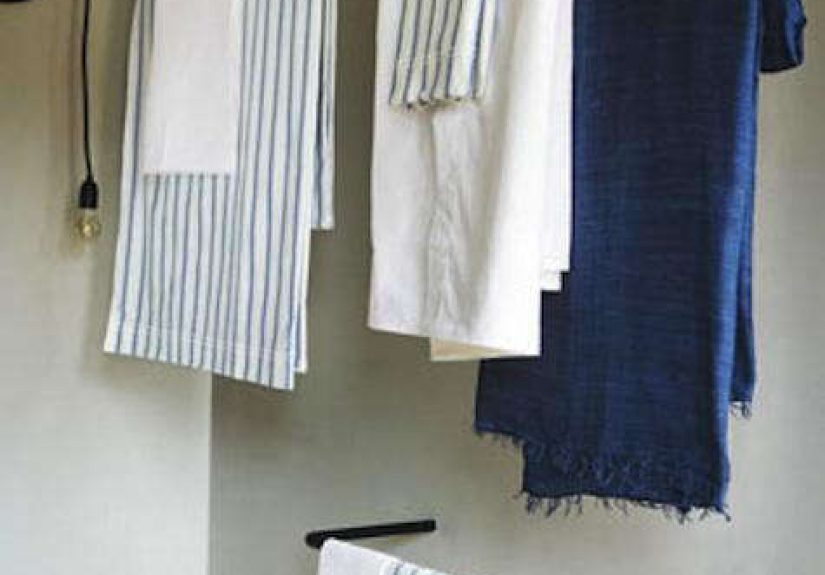
- Color palette: white, ecru, sand, pale stone, and a rich Aegean blue accent.
- Patterns: ticking stripes, narrow cabana stripes, subtle checks, or tone-on-tone textures.
- Texture: crisp percale, relaxed linen, or matte cotton with a dry, breathable handfeel.
- Finish: “washed,” “garment-dyed,” or “stonewashed” for that lived-in softness.
Quick styling formula
Start with white sheets (the “clean canvas”), add a blue duvet cover or quilt,
then layer in one natural texturelike a linen throw or a chunky cotton blanket. Keep it simple.
The Aegean look doesn’t beg for attention; it quietly wins.
Fabric First: The Materials That Nail the Aegean Feel
If “Aegean” is a mood, fabric is the engine. The best options are breathable natural fibers that feel cool,
fresh, and substantial without being heavy.
1) Cotton (the crowd-pleaser that can still be fancy)
Cotton is popular for a reason: it’s breathable, widely available, and comes in different weaves and finishes.
For an Aegean look, focus on cotton that feels crisp or matte rather than glossy.
If a product highlights “long-staple” cotton (like Pima or Egyptian cotton), that often signals smoother yarns
and better durabilitythough the weave still matters.
2) Linen (the relaxed, breezy, “I’m effortlessly cool” option)
Linen is made from flax and is loved for breathability, temperature regulation, and longevity. It tends to look
gently rumpled (in a charming way, not in a “laundry basket” way). If you want that sun-drenched, coastal,
slightly undone Aegean vibe, linen is basically your soulmate.
3) Cotton-linen blends (the compromise that actually works)
Blends can give you linen’s texture with cotton’s softness and easier care. If you like linen’s look but want
less wrinkling and a slightly smoother feel, blends are a practical middle lane.
Weave Matters More Than Most People Think
Two sheet sets can both say “100% cotton,” yet feel totally different. That’s where weave comes in.
For Aegean bed linens, you’re usually choosing between crisp and silky.
Percale: crisp, cool, and hotel-like
Percale is a classic one-over/one-under weave that feels clean and breathableoften described as “crisp.”
If you sleep warm, love that fresh-sheet snap, or want a tailored coastal look, percale is the MVP.
Sateen: smoother, drapier, and slightly warmer
Sateen uses a weave that brings more thread to the surface, creating a buttery feel and a subtle sheen.
It’s cozy and luxurious, but can sleep warmer than percale. If you want your Aegean palette in a softer,
more “sink-in” vibe, sateen can be a great match.
Thread Count: The Number That Gets Too Much Credit
Thread count is like calories on a menu: useful information, but not the whole storyand sometimes the story is
a little creative. Many reputable testers and textile guides agree that fiber quality and weave
are more important than chasing the biggest number.
In real-world testing, many high-performing cotton sheets often land in a moderate range,
and extremely high thread counts can be misleading (or less breathable) depending on how they’re made.
Translation: you don’t need “astronaut-level thread count.” You need well-made fabric.
A practical range to start with
- Cotton percale: often shines around the mid-200s to 400-ish range.
- Cotton sateen: commonly feels plush in a somewhat higher range (often around 300–600).
- Linen: typically uses lower thread count numbers and that’s normallinen fibers are thicker.
What “Aegean Blue” Actually Means (and How to Use It)
“Aegean” in bedding is frequently used as a color name: a saturated, marine bluedeeper than
sky blue, softer than navy, and usually more “ink” than “electric.”
It pairs beautifully with:
- Warm whites (ivory, cream) for a sunlit, relaxed look.
- Cool whites (bright white) for a crisp, modern coastal vibe.
- Sandy neutrals (oat, flax, taupe) for a grounded, Mediterranean feel.
- Weathered woods and matte black accents for contrast.
Example combos that rarely miss
- White percale sheets + Aegean blue duvet + striped shams (classic coastal).
- Aegean blue sheets + white quilt + natural linen throw (bold but balanced).
- Sand-colored sheets + Aegean blue blanket (warm, earthy, understated).
Organic, “Non-Toxic,” and Certifications: How to Shop Without Getting Played
Bedding labels can read like a smoothie menu: organic! clean! natural! planet-friendly! And suresometimes it’s
true. Sometimes it’s just vibes. Here’s how to tell the difference.
Look for meaningful standards
-
USDA Organic + textiles: In the U.S., organic claims for textiles generally tie back to certified
organic fibers and compliant production. Some textiles that meet recognized organic textile standards can be sold
as organic in the U.S. (depending on how they’re certified and labeled). -
GOTS: A widely recognized global standard that covers processing and manufacturing of textiles made
from a high percentage of certified organic natural fibers. -
Chain-of-custody standards (like OCS): Track organic fiber content through the supply chain, which
can be useful when you want verification of organic inputs.
Helpful rule of thumb: if a brand is serious, it usually tells you which certification it uses and
what it applies to (the fiber, the dye process, the full product, etc.).
Read the Label Like a Pro (Because It’s the Law)
If you’re buying bed linens in the U.S., labels aren’t just decoration. Federal rules require key disclosures for
many textile productsso you can compare what you’re paying for.
What you should be able to find on many textile labels
- Fiber content (what it’s made of, and often percentages)
- Country of origin
- Company identity (name or an RN number)
- Care instructions (so you don’t accidentally bake your linen on high heat)
This is especially handy if you’re avoiding polyester blends, trying to buy organic cotton, or comparing “linen”
versus “linen-look” fabrics. The label is your built-in truth serum.
Care & Longevity: Keep the Aegean Vibe, Lose the Crunchy Mystery Smell
Great sheets can last for years, but they need a little respectful handling.
The basics are simple: wash regularly, don’t overload the machine, and follow the care label.
How often should you wash sheets?
Many experts recommend washing sheets about once a week for most households, especially because sheets collect oils,
sweat, and allergens over time. If you sleep with pets, have allergies, or use heavy skincare, you may want to wash
more frequently.
Best practices that protect fabric
- Wash sheets separately (zippers and jeans are sheet enemies).
- Don’t overload the washer so the fabric can move freely.
- Go easy on harsh additives; follow the label, and treat stains directly instead of nuking the whole load.
- Dry on low heat to reduce shrinkage and wearespecially for linen.
Linen-specific care
Linen is strong, but it’s also sensitive to high heat. Cold or cool washes and low-heat drying help preserve shape.
If you’re using a dryer, removing linen while slightly damp and finishing with air drying can help prevent shrinkage
and keep that relaxed look.
How to Choose the Right Aegean Bed Linens for Your Sleep Style
The “best” sheets aren’t universalthey’re personal. Choose based on how you sleep and what you want your bed to do
(besides look cute on the internet).
If you sleep hot
- Pick percale or linen for maximum breathability.
- Stick to lightweight layers (sheet + quilt) rather than one heavy comforter.
- Choose matte finishes over silky ones if you tend to overheat.
If you want soft, cozy luxury
- Try sateen for a smoother feel and drape.
- Look for quality cotton and solid construction over extreme thread counts.
- Consider a brushed cotton layer in colder months (like a flannel duvet cover).
If you want the “Aegean postcard” look
- Start with white sheets, then add Aegean blue as the hero accent.
- Use stripes sparinglyone stripe element is usually enough.
- Mix textures: crisp base + relaxed throw = effortless.
Common Mistakes to Avoid
- Buying by thread count alone: weave and fiber quality matter more.
- Ignoring the label: it tells you what you’re actually getting.
- Overusing fabric softener: it can build up on fibers and reduce breathability over time.
- High-heat drying linen: a fast track to shrinkage and regret.
- Going all-in on blue: Aegean is best as an accent, not a takeover.
Real-World Experiences With “Aegean” Bed Linens (About )
People don’t usually fall in love with sheets at first sightuntil they do. The Aegean look tends to win in quiet,
everyday moments: when you walk into the bedroom and it feels calmer, cooler, and a little more “put together” than
the rest of your life (which is a low bar, but still).
Experience #1: The “fresh hotel” moment. Crisp percale in white has a way of making your bed feel
instantly cleanereven if you just stepped over a laundry pile to get there. Add a deep Aegean-blue duvet and it
reads like a boutique hotel: intentional, simple, and oddly motivating. Some people swear they start making the bed
more often because it actually looks good. (Wild concept, I know.)
Experience #2: Summer nights that don’t turn into a personal sauna. Linen or percale shines when the
room is warm. The fabric feels breathable and less clingy, so you’re not wrestling the sheets at 2 a.m. Aegean blue
also looks cooler visuallythere’s something psychological about crawling into a bed that looks like ocean water.
It doesn’t lower the temperature, but it does lower the drama.
Experience #3: The “wrinkles that look expensive” effect. Linen’s rumpled texture is practically an
aesthetic movement. Instead of fighting it, people lean in: loosely folded top sheet, slightly relaxed duvet, maybe
a casually tossed throw. The bed looks lived-in in a good waylike you read actual books and don’t just buy them to
decorate the nightstand.
Experience #4: Guests notice the color. Aegean blue is one of those shades that gets compliments
without trying. Visitors might not say “I admire your weave selection,” but they will say, “Your bedding is so
pretty.” It’s a simple update that changes the whole room without repainting anything or starting a spiral of
throw-pillow purchases.
Experience #5: The learning curve of care. The first time someone washes linen on hot and dries it
on high, they often learn a painful truth: heat is not linen’s love language. After that, routines improvecooler
washes, low heat, removing while slightly damp, maybe air drying. Once you dial in care, the payoff is real: linen
softens over time, and good cotton keeps its comfort and shape longer.
Experience #6: The “mix-and-match” win. Aegean style works best when it’s not too perfect.
People often end up mixing a white fitted sheet with a striped top sheet, or combining a blue duvet with neutral
pillowcases. It feels collected, not stagedlike your bed has personality but doesn’t need to be the main character.
Experience #7: The calm factor. The biggest “review” is how it makes you feel at the end of the day.
The Aegean look is soothingclean, breathable, and visually simple. For many people, that calm is the point:
your bedroom becomes a place that signals rest, not just a charging station for your phone.
Conclusion
Aegean bed linens aren’t about chasing perfectionthey’re about choosing materials and colors that make sleep feel
fresher and your room feel calmer. Start with breathable natural fibers, pick a weave that matches how you sleep,
and treat thread count like a clue, not a crown. Add Aegean blue as an accent, keep the palette grounded in
whites and warm neutrals, and you’ll get that Mediterranean, airy look without turning your bedroom into a themed
restaurant. (No one needs a “Greek Isles” candle collection. One is enough. Two is a cry for help.)