Table of Contents >> Show >> Hide
- What makes a food “keto” in the first place?
- So, are keto breads, bagels, and bars healthy?
- How keto bread can be helpful
- Where keto bread and bagels can go sideways
- What about keto bars?
- The biggest label traps to watch for
- How to tell whether a keto product is actually a smart choice
- Who might benefit from keto breads, bagels, and bars?
- Who should be more careful?
- Bottom line: healthy, unhealthy, or somewhere in the middle?
- Real-World Experiences With Keto Breads, Bagels, and Bars
- SEO Tags
If you’ve spent more than seven minutes in a grocery store lately, you’ve probably seen the word keto stamped across everything short of paper towels. Keto bread. Keto bagels. Keto bars. Keto cookies. Keto cereal. At this point, a keto parking ticket would not surprise me.
But the real question is not whether these products are low in carbs. The real question is whether keto breads, bagels, and bars are actually healthy. And that answer is a gloriously unsatisfying classic: sometimes, but not automatically.
A product can be low in net carbs and still be high in saturated fat, sodium, calories, or heavily processed ingredients. On the flip side, some keto-friendly products can be genuinely useful for people who want to reduce carbohydrates, increase fiber, or make a lower-carb eating pattern easier to stick with. The label matters. The ingredient list matters. The portion size matters. And the rest of your diet matters even more.
In other words, a keto bagel is not a halo. It is still a bagel with responsibilities.
What makes a food “keto” in the first place?
Most ketogenic eating plans are very low in carbohydrates, moderate in protein, and relatively high in fat. That is why keto products are usually designed to keep total carbs or “net carbs” low by replacing traditional flour and sugar with ingredients such as almond flour, coconut flour, wheat protein isolate, resistant starches, seed blends, soluble corn fiber, chicory root fiber, and sugar alcohols.
This can change the nutrition profile in major ways. A regular bread product is often higher in total carbohydrates. A keto bread may be lower in carbs, but it may also be higher in fat, more processed, and more reliant on added fibers or sweeteners to create the right texture and taste.
That does not automatically make it bad. It just means “keto” tells you how the product was built, not whether it deserves a health trophy.
So, are keto breads, bagels, and bars healthy?
The most honest answer is this: they can fit into a healthy diet, but many are not health foods just because they say keto on the package.
Some keto products offer clear benefits. They may contain more fiber than standard white bread, less added sugar than conventional snack bars, and more protein than a typical bakery item. For someone managing appetite, trying to reduce refined flour, or following a lower-carb plan, that can be helpful.
But a lot of keto packaged foods also come with trade-offs. Some are high in saturated fat from butter, cream, palm oil, or coconut oil. Some are sodium-heavy. Some rely on sugar alcohols that can cause bloating, gas, or a sprint to the nearest bathroom. And some are so calorie-dense that they are basically tiny bricks of “health” with the energy content of a small lunch.
So yes, keto breads, bagels, and bars can be healthy. But only if their overall nutrition profile holds up under bright kitchen lighting and a little skepticism.
How keto bread can be helpful
1. It may reduce refined carbohydrate intake
If someone is replacing standard white bread with a keto bread that is lower in refined flour and higher in fiber, that may support better blood sugar control and improved fullness. For people who miss sandwiches, toast, or grilled cheese with an unreasonable amount of emotional intensity, keto bread can be a practical bridge.
2. It may offer more fiber
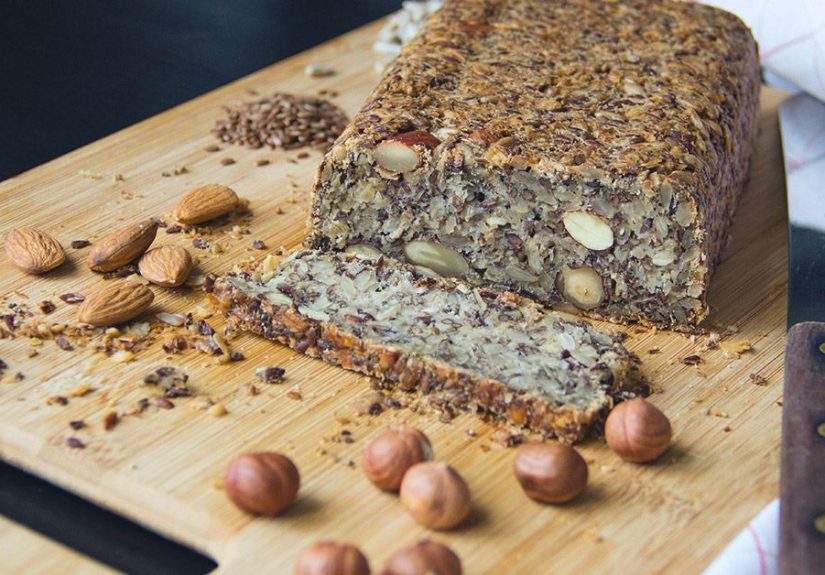
Some keto breads pack in added fibers from psyllium, oat fiber, or chicory root. That can be helpful, since many Americans fall short on fiber. A bread that gives you several grams of fiber per slice may help with satiety and digestive regularityassuming your stomach agrees with the ingredient list.
3. It can make a low-carb eating pattern more sustainable
Nutrition is not only about lab numbers. It is also about real life. If keto bread helps someone stay consistent with a broader healthy eating pattern instead of white-knuckling their way through cravings, that matters.
Where keto bread and bagels can go sideways
1. Low carb does not mean low calorie
Many people assume keto products are automatically “lighter.” Not necessarily. A keto bagel can be lower in carbs but much higher in fat and calories than a regular one. If your goal is weight management, the low-carb label does not cancel the math.
2. Saturated fat can climb quickly
Some keto bakery products lean hard on cheese, butter, cream, or tropical oils for flavor and texture. That can push saturated fat levels up fast. A product may look like a smart swap until you notice it eats a big chunk of your day’s recommended limit in one serving.
3. Sodium may be sneaky
Breads and bagels can already be sodium contributors, and keto versions are not always shy about it. A product that tastes “healthy” can still be salty enough to make your water bottle feel like a best friend.
4. Whole-grain benefits may be missing
Traditional whole grains provide fiber, vitamins, minerals, and plant compounds that support overall health. Many keto products skip grains almost entirely. So while a keto bagel may help lower carb intake, it may also crowd out some of the nutritional advantages you would get from minimally processed whole-grain foods.
What about keto bars?
Keto bars are where things get especially interesting, and by interesting, I mean nutritionally chaotic.
The best keto bars are portable, satisfying, relatively low in added sugar, and balanced enough to work as an occasional snack. They can be helpful during travel, long workdays, or those moments when your schedule says “healthy snack” but your life says “parking lot almonds.”
The worst keto bars are basically candy bars wearing a wellness blazer.
Some contain a useful mix of protein, fiber, and unsaturated fats from nuts or seeds. Others are loaded with saturated fat, artificial flavoring, sugar alcohols, and just enough marketing language to make you feel virtuous while eating dessert out of a wrapper.
If a keto bar leaves you satisfied for a few hours, fits your calorie needs, and does not upset your stomach, it may be a reasonable backup option. If it tastes like a frosted brownie and has a chemistry-set ingredient list a mile long, it might be better categorized as a treat.
The biggest label traps to watch for
Net carbs
Net carbs can be a useful shorthand for some people, but they do not tell the whole health story. A product can be low in net carbs and still be high in calories, sodium, or saturated fat. Think of net carbs as one clue, not the entire mystery novel.
Sugar alcohols
Common sugar alcohols include erythritol, xylitol, maltitol, and sorbitol. These ingredients are often used to sweeten keto bars and baked products without pushing sugar totals higher. For some people, that works fine. For others, it can lead to bloating, gas, cramping, or diarrhea. Nothing ruins the wellness vibe faster than gastrointestinal betrayal.
Fiber inflation
A high-fiber label can look impressive, but not all fiber-rich products are created equal. Added isolated fibers may improve the numbers on the package, but that does not necessarily make the product nutritionally equal to foods that naturally contain fiber, such as beans, oats, berries, vegetables, nuts, and seeds.
Protein halo
If a bar says protein in giant letters, people often stop asking questions. Do not. A product can be high in protein and still be loaded with saturated fat or overly processed ingredients. Protein is good. Blind faith is less good.
How to tell whether a keto product is actually a smart choice
When you’re deciding whether a keto bread, bagel, or bar is healthy, use a simple checklist:
Look for:
Moderate calories, solid fiber, enough protein to be satisfying, low added sugar, and a reasonable amount of sodium and saturated fat. Ingredients such as nuts, seeds, psyllium, eggs, or whole-food fats may be more useful than a long list of fillers and sweeteners.
Be cautious with:
Very high saturated fat, very high sodium, lots of sugar alcohols, tiny serving sizes, and labels that sound healthier than the nutrition facts panel actually looks.
Here is a practical example. A keto bread with decent fiber, modest sodium, and ingredients you can identify may be a smart pantry item. A keto bagel with a huge calorie load and lots of saturated fat may be less of an everyday breakfast and more of an occasional choice. A keto bar with moderate protein and tolerable ingredients can be a convenient backup snack. A bar that tastes like cake and causes digestive drama should probably not be your personality.
Who might benefit from keto breads, bagels, and bars?
These products may be useful for people following a lower-carb eating pattern, people who want a convenient swap for higher-sugar snacks, or people who are trying to manage appetite and prefer higher-protein foods. They may also help some people stick to nutrition goals without feeling overly restricted.
But they are not necessary for good health. Plenty of healthy eating patterns include regular bread, intact whole grains, fruit, beans, and minimally processed snacks. If keto products help you, great. If they do not, your body will survive the shocking presence of oatmeal.
Who should be more careful?
Anyone with digestive sensitivity may want to be cautious with sugar alcohols and fiber-heavy products. People managing high cholesterol, high blood pressure, diabetes, kidney concerns, or other medical conditions should look closely at the full nutrition profile, not just the carb count. Some keto products are a better fit than others, and individual tolerance matters.
Bottom line: healthy, unhealthy, or somewhere in the middle?
Keto breads, bagels, and bars are not automatically healthy, but they are not automatically junk either. They live in the nutritional middle, where context rules everything.
If a product helps you cut back on refined carbs, keeps added sugar low, provides fiber or protein, and does not overload saturated fat, sodium, or stomach drama, it can absolutely have a place in a healthy diet. But if it is heavily processed, high in calories, packed with sugar alcohols, and sold with a health halo bigger than the moon, it may be more hype than help.
The smartest move is to judge keto products the same way you would judge any packaged food: read the label, check the ingredients, consider the portion, and ask whether it supports your overall eating pattern. Because in nutrition, as in life, good branding is not the same thing as good character.
Real-World Experiences With Keto Breads, Bagels, and Bars
Many people who try keto breads, bagels, and bars describe the experience in a very human way: relief first, questions later. A keto bread can feel like a reunion with normal life. Suddenly, sandwiches are back. Toast is back. The idea of breakfast no longer depends entirely on eggs doing all the emotional labor. For someone trying to lower carbohydrate intake, that convenience can be a big win.
A common experience is that keto bread feels more filling than regular white bread, especially when it is rich in fiber and protein. Some people notice they stay satisfied longer with a sandwich made on a denser, seed-heavy loaf. Others like the structure it gives their meal plan. Instead of feeling like they are “on a diet,” they feel like they are eating recognizable food again, which can make consistency easier.
Keto bagels get a more mixed reaction. People often love the idea of them more than the texture. Some say they are pleasantly chewy and satisfying. Others describe them as somewhere between “pretty good” and “a science project that once met a bagel in passing.” Still, they can be helpful for people who miss a grab-and-go breakfast and do not want the blood sugar swing they associate with traditional bagels.
Keto bars are probably the most polarizing experience of all. In the best-case scenario, they work exactly as intended: they travel well, prevent vending-machine emergencies, and keep hunger from turning into a personality disorder by 3 p.m. People who like them often say they help with portion control because the snack is pre-packed and easy to grab.
In the not-so-magical scenario, keto bars create what could politely be called digestive feedback. Sugar alcohols and certain added fibers do not agree with everyone. Some people report bloating, gas, stomach cramps, or an urgent need to rethink every life choice that brought them to that snack. This is one reason keto bars can look perfect on paper but fail in real life.
Another common experience is the “health halo” effect. Because the package says keto, low sugar, high fiber, or high protein, people sometimes assume the product is automatically a free pass. Then they realize the calories are high, the sodium is climbing, or the bar they treated like a light snack was nutritionally closer to a dessert with ambition. That does not make the product terrible. It just means expectations and reality need to meet in the middle.
Cost also comes up a lot. Many keto breads, bagels, and bars are noticeably more expensive than standard versions. Some people decide the swap is worth it because it helps them stay on track. Others try a few products, look at the price tag, and return to simpler foods like eggs, yogurt, nuts, fruit, or regular whole-grain options that feel less dramatic and more sustainable.
Overall, the lived experience tends to be this: keto packaged foods are most helpful when they are used strategically, not worshipped. They can make a lower-carb routine easier, but they are not magic. The people who seem happiest with them are usually the ones who treat them as toolsconvenient, occasional, and usefulrather than as proof that every food choice now deserves a wellness crown.