Table of Contents >> Show >> Hide
- Why This Baked Quince Recipe Works
- What Does Baked Quince Taste Like?
- Easy Baked Quince Recipe
- How to Tell When Quince Is Done
- Best Tips for Making the Perfect Baked Quince
- Flavor Variations to Try
- How to Serve Baked Quince
- Common Mistakes to Avoid
- Storage and Make-Ahead Tips
- Is Quince Better Peeled or Unpeeled?
- Can You Make This Baked Quince Recipe With Less Sugar?
- Why Baked Quince Deserves a Spot in Your Fall and Winter Rotation
- Conclusion
- Experience: What Baking Quince Is Really Like in a Home Kitchen
If apples are the dependable straight-A students of fall fruit, quinces are the mysterious transfer students who smell amazing, look slightly awkward, and turn into absolute stars once you get to know them. A good baked quince recipe is one of those old-school kitchen tricks that feels fancy but is actually very simple. The fruit starts out firm, tart, and a little stubborn. Then the oven works its slow magic, and suddenly you have tender, fragrant quince with notes of apple, pear, citrus, honey, and warm spice.
This recipe is for people who want the easiest path to delicious baked quince without making the process feel like a medieval cooking exam. You will learn how to prep quince, what flavors pair best with it, how long to bake it, and how to serve it for dessert, brunch, or an impressive little dinner-party flourish. Along the way, you will also get practical tips that make the fruit much less intimidating. Spoiler: the oven does most of the heavy lifting.
Why This Baked Quince Recipe Works
A great baked quince recipe balances sweetness, moisture, and patience. Quince is naturally aromatic but quite firm, so it benefits from a gentle baking environment with a little liquid in the pan. That is why this version combines butter, lemon, sugar, honey, cinnamon, and hot water. The sugar helps the fruit caramelize, the butter adds richness, the lemon keeps the flavor bright, and the moisture lets the quince soften instead of drying out.
The result is a quince dessert that tastes elegant but cozy. It is soft enough to eat with a spoon, glossy enough to look impressive, and flexible enough to serve with ice cream, Greek yogurt, whipped cream, mascarpone, oatmeal, pancakes, or even roast meats if you like a sweet-savory moment.
What Does Baked Quince Taste Like?
The flavor is hard to explain until you try it, which is probably why quince has a reputation for being both beloved and misunderstood. Imagine a baked apple that went on a semester abroad and came back wearing perfume. That gets you in the neighborhood.
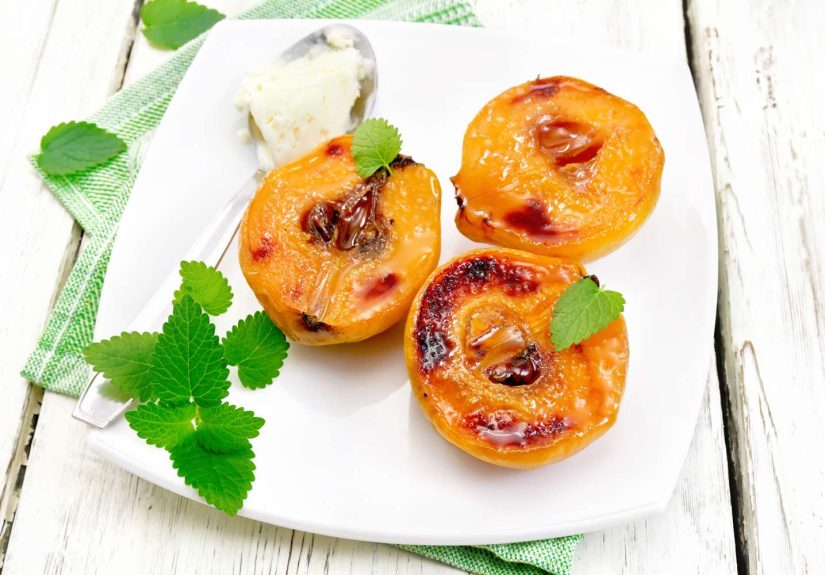
Once baked, quince becomes floral, mellow, and slightly tangy. The texture lands somewhere between poached pear and very soft baked apple, but with more perfume and more personality. The longer it cooks, the deeper the color and flavor become. Some fruit turns blush pink. Some turns coppery rose. Some practically glows like sunset jam.
Easy Baked Quince Recipe
Yield
Serves 6
Prep Time
20 minutes
Cook Time
1 hour 30 minutes to 2 hours
Ingredients
- 3 large quinces
- 3 tablespoons unsalted butter, cut into small pieces
- 1/3 cup granulated sugar
- 2 tablespoons honey
- 1 lemon, zested and juiced
- 1 cinnamon stick
- 1/4 teaspoon ground cardamom or 2 lightly crushed cardamom pods
- 1/8 teaspoon fine sea salt
- 1 cup hot water
- 1/2 teaspoon vanilla extract, optional
Instructions
- Preheat your oven to 350°F.
- Wash the quinces well and rub off any fuzz. Peel them if you want a softer, more delicate finish, or leave the peel on for a more rustic version. Cut each quince in half and remove the core carefully, because quince is very firm. A sharp knife and a sturdy spoon help here.
- Arrange the quince halves cut-side up in a baking dish large enough to hold them snugly in one layer.
- Sprinkle the sugar evenly over the fruit. Drizzle with honey and lemon juice. Add the lemon zest, cinnamon stick, cardamom, and salt. Dot the tops with butter.
- Pour the hot water into the dish around the fruit, not directly over the tops. Add vanilla if using.
- Cover the dish tightly with foil and bake for 60 minutes.
- Remove the foil, spoon some of the pan juices over the fruit, and continue baking for 30 to 60 minutes more, until the quince is deeply fragrant, rosy-golden, and easily pierced with a knife.
- Let the fruit cool in the syrup for at least 15 minutes before serving. Spoon the juices over the top when plating.
How to Tell When Quince Is Done
This is where many first-time cooks get nervous, because quince does not behave like peaches or apples. It takes its sweet time. Do not judge it too early.
Your baked quince is ready when a small knife slides into the thickest part with little resistance. The fruit should look glossy and softened, not chalky or pale. The liquid in the pan should smell sweet and spiced, and the color of the fruit will usually deepen as it cooks. If it still feels firm in the center, keep going. Quince rewards patience more than almost any fruit in the produce aisle.
Best Tips for Making the Perfect Baked Quince
1. Pick ripe, fragrant fruit
Look for quinces that are golden yellow and aromatic. A little surface scuffing is usually not a problem, but you want the fruit to feel heavy for its size and not smell fermented or bruised.
2. Use a sharp knife and take your time
Quince is famously firm. This is not the time for a flimsy paring knife and blind optimism. Use a sturdy chef’s knife and cut on a stable board.
3. Do not skip the liquid
A bit of hot water, juice, or even white wine in the baking dish helps the fruit soften gradually and creates a lovely spooning syrup. This is one of the secrets to an easy quince dessert that tastes far more polished than the effort involved.
4. Bake it covered first
Covering the dish traps steam and gets the softening process started. Uncovering later helps concentrate the flavors and lightly caramelize the top.
5. Let it rest in the syrup
Fresh from the oven, quince is delicious. After resting in its juices for 15 to 30 minutes, it becomes even better. The syrup thickens slightly, and the fruit absorbs more flavor.
Flavor Variations to Try
One reason a baked quince recipe is worth keeping around is that it is endlessly adaptable. Once you understand the structure, you can take the flavor in several directions.
Honey and Vanilla Baked Quince
Increase the honey slightly and add a split vanilla bean or a splash of vanilla extract. This version is especially good with whipped cream or vanilla ice cream.
Red Wine Baked Quince
Replace half the water with a dry red wine. Add orange peel, cinnamon, and a clove or two. This makes the syrup darker and moodier in the best possible way.
Maple Baked Quince
Swap the honey for maple syrup and add a tiny pinch of nutmeg. Serve with yogurt, granola, or roasted nuts for a fall breakfast that feels suspiciously like dessert.
Cardamom and Citrus Quince
Use both lemon and orange zest with cardamom. The result tastes bright, fragrant, and slightly sophisticated, like the fruit equivalent of wearing a great coat.
How to Serve Baked Quince
This baked quince recipe is versatile enough to earn repeat invitations. Here are some of the best ways to serve it:
- Warm with vanilla ice cream
- With whipped cream and crushed pistachios
- Over plain Greek yogurt with honey
- Alongside pancakes, waffles, or French toast
- With mascarpone and toasted almonds
- Next to roast pork, duck, or lamb for a sweet-savory pairing
- With soft cheese and crusty bread on a fall snack board
If you want the prettiest presentation, spoon the fruit into shallow bowls and drizzle the reduced syrup over the top. Add a dollop of cream and a tiny pinch of flaky salt. It looks restaurant-level and takes about thirty extra seconds.
Common Mistakes to Avoid
Underbaking the fruit
The biggest mistake is pulling the quince too soon. If it is still hard in the middle, it is not done. No pep talk will fix that.
Using too little liquid
If the pan dries out, the fruit can toughen or scorch. Check the dish partway through baking and add a splash more hot water if needed.
Skipping acid
Lemon juice or another acidic element balances the sweetness and keeps the finished dish from tasting flat.
Cutting uneven pieces
If one half is huge and another is tiny, they will not bake at the same pace. Try to keep the pieces as uniform as possible.
Storage and Make-Ahead Tips
Baked quince keeps beautifully, which is one more reason to love it. Store leftovers in an airtight container with the syrup in the refrigerator for up to 5 days. Reheat gently in the microwave or in a covered dish in a low oven. You can also eat it cold straight from the fridge, ideally while pretending you are only sampling. No judgment.
This is also a strong make-ahead dessert. Bake it the day before, chill it overnight, and warm it gently before serving. In many cases, the flavor is even better the next day after the fruit has had time to mingle with the syrup.
Is Quince Better Peeled or Unpeeled?
Both approaches work, and your choice depends on the final texture you want. Peeled quince looks more polished and becomes softer more quickly. Unpeeled quince can hold its shape a little better and may contribute extra color and aroma during cooking. If you are brand-new to quince, peeling is probably the friendliest option. If you enjoy a more rustic presentation, leave the peel on and strain the syrup before serving if you want it silky.
Can You Make This Baked Quince Recipe With Less Sugar?
Yes. Quince is naturally tart, so some sweetener helps, but you can absolutely dial it back. Reduce the sugar to 3 tablespoons total and rely more on honey or maple syrup. You can also serve it with naturally sweet partners like vanilla yogurt or sweetened mascarpone. Just keep in mind that sugar does more than sweeten here. It also helps form that lovely syrup and encourages caramelization.
Why Baked Quince Deserves a Spot in Your Fall and Winter Rotation
Everyone knows baked apples. Pear crisps get their moment. But quince dessert recipes still feel like a secret handshake among people who enjoy discovering something delicious before everyone else catches up. That is part of the charm.
Baked quince is seasonal, fragrant, and memorable. It is ideal for holidays, dinner parties, slow weekends, and those evenings when you want dessert to feel a little special without building a layer cake or dirtying every pan in the kitchen. It is also wonderfully flexible. You can dress it up for guests or eat it in socks over the sink. Both are valid.
Conclusion
If you have ever passed by quinces at the market and thought, “What am I supposed to do with that golden perfume grenade?” this baked quince recipe is your answer. It is simple, deeply flavorful, and surprisingly forgiving. Give the fruit moisture, sweetness, warmth, and time, and it will do the rest.
Once you learn how to bake quince, you open the door to one of the most rewarding cold-weather fruits around. It is charming, dramatic, fragrant, and just a tiny bit high-maintenance, which honestly makes the final result even more satisfying. Serve it warm, spoon over the syrup, and enjoy the kind of dessert that makes people ask what it is before immediately asking for seconds.
Experience: What Baking Quince Is Really Like in a Home Kitchen
The first time you make a baked quince recipe, the experience is usually less “quick weeknight fruit” and more “curious kitchen adventure.” You bring home these odd yellow fruits that look like pears that lifted weights, and at first they do not seem especially friendly. They are hard. They smell incredible. And when you cut into one, you realize immediately that quince means business. This is not a fruit you casually slice while scrolling on your phone.
But that is also what makes the experience so memorable. Baking quince slows you down in a good way. You wash the fruit, rub off the fuzz, work carefully around the core, and build a little fragrant world in the baking dish with lemon, sugar, butter, spices, and hot water. Even before the dish goes into the oven, the kitchen starts to smell promising. Then, as it bakes, something almost theatrical happens. The scent deepens. The pale fruit begins to glow. The syrup in the pan darkens and gathers flavor. It feels like watching a shy ingredient decide to become the star of the show.
One of the best parts of the experience is that quince teaches patience without feeling punishing. You cannot rush it, but you also do not have to hover. The oven is doing a quiet transformation while you set the table, make tea, or wonder why more fruits do not have this kind of personality. Checking the pan halfway through is genuinely fun because the fruit changes so much. It starts out looking firm and almost plain, then gradually becomes glossy, tender, and a little jewel-like.
Serving baked quince also creates a special moment. People are often unfamiliar with it, so there is a small sense of discovery built right into dessert. You bring out warm quince with syrup and cream, and there is usually a pause while everyone figures out what they are tasting. Then someone says it tastes like apple and pear and flowers, and someone else says it reminds them of honey or citrus, and from there the whole table starts paying closer attention. It is one of those rare desserts that invites conversation without trying too hard.
There is also something comforting about how adaptable baked quince becomes once you make it a few times. Some days it is elegant enough for company. Other days it becomes breakfast spooned over yogurt from a chipped bowl. The leftover syrup gets drizzled over oatmeal, pancakes, or even cake. That kind of flexibility makes the experience feel generous. You put in one round of effort, and the fruit keeps finding new ways to be useful and delicious.
Most of all, baking quince feels satisfying because it turns an intimidating ingredient into a deeply approachable one. You go from wondering what to do with quince to casually recommending it to other people like you have been in an exclusive fruit club for years. And really, that is the joy of it. A baked quince recipe is not just about making dessert. It is about learning one beautiful, old-fashioned kitchen trick that makes the whole season smell better.