Table of Contents >> Show >> Hide
- Why Bassett Hyde Feels Different
- The Italian Heritage Story Behind the Brand
- What Makes Heritage Linens Worth the Splurge
- Bassett Hyde’s Design Language: Quiet Luxury Before the Buzzword
- How to Style Bassett Hyde Linens at Home
- How to Care for Italian Heritage Linens
- Who Bassett Hyde Is Really For
- The Experience of Living With Heritage Linens from Italy
- Conclusion
Some linens are made to disappear into the background. Bassett Hyde’s are not those linens. These are the kinds of towels and textiles that make you pause for a second in the bathroom and think, “Well, that got fancy quickly.” Not flashy-fancy. Not chandelier-in-a-powder-room fancy. More like quiet, old-world, deeply considered fancythe sort that feels as if it has a family tree, a passport, and very strong opinions about craftsmanship.
That is exactly what makes Bassett Hyde interesting. The brand sits in a rare sweet spot between heritage and restraint. Its identity is tied to the long tradition of European heirloom textiles, especially the trousseau idea of selecting fine linens meant to last, soften, and be passed down instead of replaced every time a trend report gets bored. For homeowners, designers, and anyone tired of lifeless “luxury” that turns out to be mostly branding and fluff, Bassett Hyde offers something more grounded: heritage linens from Italy with a lived-in soul and a polished point of view.
At the center of the story is Puglia, where the brand’s founder, Beverley Hyde, connected with a local family producing traditional woven textiles for generations. That origin matters because it explains why Bassett Hyde does not feel like a generic luxury label dressed up in linen language. It feels personal. It feels specific. And in a market crowded with bath and bedding basics trying very hard to look timeless, specificity is the thing that actually makes a product memorable.
Why Bassett Hyde Feels Different
Bassett Hyde is compelling because it does not sell “newness” as its main value. It sells continuity. The brand draws from historical textile traditions and refines them with a cleaner, more edited design sensibility for modern homes. That balance is difficult to pull off. Lean too far into nostalgia and the result can look theatrical. Lean too far into minimalism and everything starts looking like an expensive hotel that forgot to develop a personality. Bassett Hyde avoids both traps.
The line’s design language is best described as understated heritage. White and charcoal appear often. Texture matters more than noise. Borders, jacquards, weaves, and embroidery do the heavy lifting instead of loud prints or trendy palettes. The effect is calm, tailored, and architectural. These linens do not scream for attention from across the room. They wait for you to come closer, which is honestly a very Italian move.
There is also a practical honesty to the brand. Bassett Hyde’s Italian towels are described as soft, absorbent, quick-drying, durable, and long-lasting. That matters because the best heritage textiles are not only beautiful; they are useful. Real luxury in the linen world is not about owning something delicate enough to intimidate your guests. It is about using something every day that gets better with time.
The Italian Heritage Story Behind the Brand
Puglia is more than a backdrop
When people hear “Made in Italy,” they often jump straight to glamour. Fair enough. Italy has earned that reputation. But in the world of linens, Italian heritage is just as much about regional production, technical skill, and material discipline as it is about style. Bassett Hyde’s origin in Puglia gives the brand a strong point of authenticity because southern Italy has a long relationship with handmade domestic textiles, woven household goods, and heirloom fabric culture.
Bassett Hyde’s Style No. 1 and Style No. 2 towels are tied directly to that heritage. The Italian line is made from 100 percent Egyptian cotton, woven in Italy, and produced by a small family-owned textile maker in the southeast region of Puglia. Even better, the towels are associated with vintage punch-card looms, which gives the collection something many contemporary luxury goods only pretend to have: a visible connection to older making traditions.
That production story matters because craftsmanship is not just about who made it; it is about how slowly and carefully the object was allowed to become itself. In the premium linen world, Italian expertise has long been associated with refined weaving, superior finishing, and a generational knowledge base housed in family-run mills. Bassett Hyde’s positioning makes sense within that broader tradition. It is not trying to reinvent the category. It is honoring it.
Heritage without costume drama
One of the smartest things about Bassett Hyde is that it presents heritage as livable, not theatrical. There is no need for a faux-European fantasy complete with lavender sachets, dramatic shutters, and a villa you definitely do not own. The textiles carry enough history on their own. The trousseau inspiration, the numbered embroidery, the flat-weave towel approach, and the focus on durable natural fibers all suggest lineage without feeling dusty.
That is why the brand resonates with today’s design audience. People still want products with history, but they want them translated into homes that feel clean, edited, and current. Bassett Hyde does exactly that. It treats tradition like a design resource, not a museum exhibit.
What Makes Heritage Linens Worth the Splurge
Material honesty beats empty luxury language
Let’s be honest: the word “luxury” has been stretched so far it now covers everything from high-end bedding to suspiciously expensive candles that smell like a CEO’s vacation house. Heritage linens are worth discussing separately because they are usually rooted in real material distinctions.
In Bassett Hyde’s Italian collection, Egyptian cotton is central to the appeal. That matters because extra-fine cotton fibers are prized in the premium linen market for softness, absorbency, and durability. Brands like SFERRA have built entire reputations around exceptional cotton sourcing and Italian weaving, while legacy houses like Frette continue to define luxury through fiber quality and artisan finishing. Bassett Hyde operates in a smaller, more boutique lane, but the logic is similar: start with strong fibers, respect the weave, and let the final product speak in texture rather than hype.
Then there is the flat-weave construction. Many American shoppers are used to plush terry towels that feel thick and fluffy right off the shelf. Flat-weave European towels offer a different experience. They are lighter, faster to dry, easier to layer, and often more graceful on display. They can also feel more sophisticated because their beauty comes from weave, drape, and structure instead of bulk. In other words, they are less “spa gift basket” and more “someone in this house reads design books for fun.”
Another reason heritage linens justify the investment is longevity. Bassett Hyde repeatedly emphasizes that washing increases softness and that the textiles are meant to last. That is consistent with how high-quality linen and woven cotton behave over time when cared for correctly. Good linens do not just survive use; they become more themselves through use. The first wash is not the beginning of decline. It is the first chapter of a much better story.
Bassett Hyde’s Design Language: Quiet Luxury Before the Buzzword
Before “quiet luxury” became a social media phrase applied to everything beige and expensive, home textiles already understood the concept. A towel with a thoughtful jacquard border, a restrained palette, and beautiful hand-feel is the original quiet luxury move. Bassett Hyde fits neatly into that philosophy.
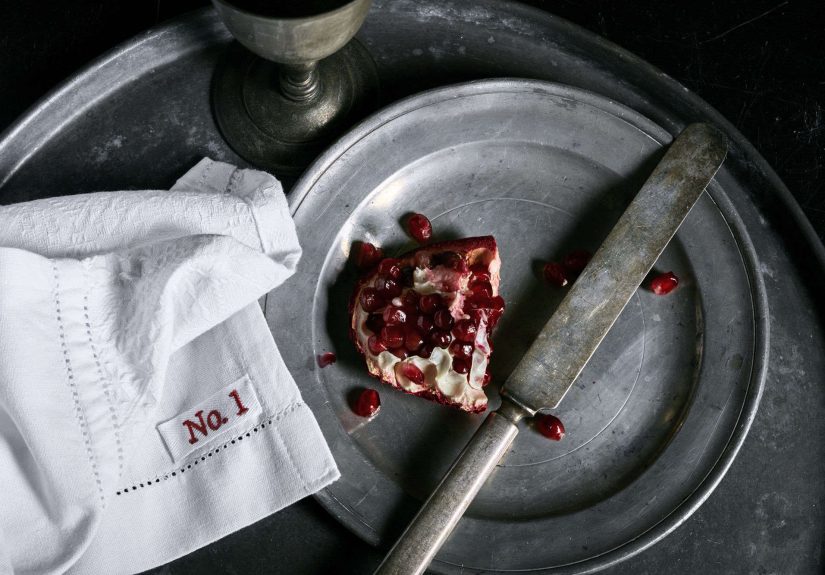
The collection’s visual character is especially appealing because it avoids over-decoration. The signature red embroidery adds identity without becoming branding wallpaper. White remains central, which makes the collection feel fresh, classic, and easy to integrate with multiple interiors. Even the reference to a “monastic” mood is useful: these pieces bring serenity rather than spectacle.
That aesthetic works particularly well in bathrooms and bedrooms because textiles are often the final layer that determines whether a space feels finished or merely functional. A room with clean tile, good light, and heritage linens can feel far more luxurious than a room stuffed with trendy accessories and mediocre fabrics. Bassett Hyde understands that good atmosphere often comes from restraint.
Architectural Digest and other design publications routinely treat towels, bath accessories, and bedding as meaningful visual components, not afterthoughts. That shift matters. The best bath linens should feel good on the body and look good on the rack, hook, bench, or shelf. Bassett Hyde’s pieces are built for exactly that dual role.
How to Style Bassett Hyde Linens at Home
Think texture first, color second
If you are styling heritage linens from Italy, resist the urge to overcomplicate things. These textiles already bring visual interest through weave and finish. Let them work. A white Bassett Hyde towel against stone, limewash, warm wood, unlacquered brass, or matte black fixtures will almost always look intentional. The same towel buried under a pile of trendy décor that looks algorithm-approved by committee? Less magical.
For bathrooms, keep the palette calm and let the linens introduce softness. Use open shelving sparingly. Fold bath sheets cleanly. Drape a hand towel where the structure of the weave is visible. If the room is small, heritage textiles can make it feel more elevated without adding clutter. That is a design win of the highest order: more beauty, less stuff.
In guest spaces, these linens work especially well because they communicate care. They suggest that the host considered the experience of the room, not just the checklist of objects in it. A well-made towel, a simple soap, and a clean hook can say more than an entire tray of random mini toiletries that nobody asked for.
And if you are styling a linen closet, congratulationsyou may be more organized than the rest of us. Fold by type, allow airflow, and store linens in a cool, dry space rather than somewhere damp and chaotic. Heritage textiles deserve better than being crushed under beach towels from 2014 and a mystery pillowcase with no mate.
How to Care for Italian Heritage Linens
The good news is that caring for quality linens is not mysterious. The even better news is that many of the best practices are simple. Wash linen in cool or lukewarm water with a mild detergent. Avoid fabric softeners, which can coat fibers and reduce the natural performance of the fabric. Dry on low heat or hang to dry when appropriate. For natural textiles, softness usually improves with laundering, so patience is part of the process.
Care also means respecting use. Towels need room to dry fully between uses. Sheets and pillowcases should be washed regularly, ideally weekly. Table linens and decorative pieces should be cleaned according to how often they are used and how delicate the fabric is. Heritage does not mean fragile, but it does mean thoughtful. You do not need to baby these textiles; you just should not treat them like disposable basics.
In practical terms, Bassett Hyde’s appeal increases when owners understand that wrinkles, texture shifts, and slight fabric variation are not flaws to panic over. They are signs that you bought something made from natural fibers by human hands instead of something mass-produced to look identical under fluorescent warehouse lighting.
Who Bassett Hyde Is Really For
Bassett Hyde is not for someone chasing the cheapest refresh possible. It is for the person who buys fewer things and wants those things to matter. It is for the homeowner who likes materials with history, for the designer who values tactile detail, and for the shopper who understands that heirloom quality is often quieter than trend quality.
It also appeals to people who are tired of interchangeable luxury branding. Bassett Hyde has a clearer identity than many bigger names because its story is tied to actual place, actual process, and actual textile tradition. That is increasingly rare. In a crowded market, authenticity is not a decorative extra. It is the whole game.
The Experience of Living With Heritage Linens from Italy
What does it actually feel like to live with something like Bassett Hyde every day? Not in a product-description way. In a real-life way. In a “you are barefoot, half-awake, coffee is five minutes away, and the bathroom mirror is telling the truth” kind of way.
It feels calm first. That is the immediate impression heritage linens tend to create. A flat-woven towel from Italy does not hit you with the puffed-up drama of oversized terry. It feels lighter in the hand, cleaner in silhouette, more deliberate. You notice the weave before you notice the volume. You notice the drape before you notice the fluff. It is the textile equivalent of someone entering a room in a perfect white shirt and saying nothing ridiculous.
Then there is the tactile shift that happens over time. With many mass-market bath textiles, the peak experience is opening day. You bring them home, they look optimistic, and then three laundry cycles later they are already negotiating their decline. Heritage linens tend to work the opposite way. Their personality unfolds. The fibers relax. The hand-feel becomes more nuanced. The cloth starts to remember your routines. That sounds dramatic for a towel, yes, but good textiles do become part of domestic memory in a way cheap ones never quite manage.
There is also a subtle emotional pleasure in using something that was clearly made with intention. You feel it when you hang it back up. You feel it when you fold it. You feel it when guests comment on it, usually in that surprised tone people use when they realize a practical object can also have beauty. Heritage linens create these little moments of pause. They slow down ordinary rituals just enough to make them feel dignified.
That is especially true in homes where the bathroom or bedroom is treated as a restorative space instead of a storage zone with plumbing. A well-made Italian towel changes the atmosphere because it changes the visual rhythm of the room. The space feels less accidental. The edges look sharper. The textures feel more layered. Even the empty momentsan unused bath, a folded hand towel, a bench with neatly stacked linensstart to look intentional.
And perhaps that is the strongest case for Bassett Hyde. It understands that domestic life is built from repetition. We reach for towels, sheets, and table linens constantly. These are not occasional luxury goods. They are touchpoints. So when those touchpoints are better made, more beautiful, and more durable, the improvement is not abstract. It is cumulative. It enters the daily routine and upgrades it from the inside.
There is a certain confidence in that kind of luxury. It is not performative. It does not need to announce itself. It simply does its job exceptionally well and looks elegant while doing it. In a culture that often confuses excess with quality, heritage linens offer a refreshing correction. They remind us that refinement is frequently quiet, that beauty can be utilitarian, and that the objects closest to the body deserve just as much thought as the statement pieces in the living room.
Living with Bassett Hyde, then, is less about owning a “nice towel” and more about participating in a slower, smarter approach to the home. It is about choosing objects with continuity. It is about letting texture, craftsmanship, and material honesty shape the mood of a room. Most of all, it is about discovering that the humble linen closet can, in fact, contain a little poetry. Which is a lovely surprise from a stack of towels, even if they are much too well-bred to brag about it.
Conclusion
Bassett Hyde stands out because it treats linens as cultural objects, not just household goods. Its Italian heritage line brings together Puglian craftsmanship, Egyptian cotton, vintage-style weaving traditions, and a refined visual language that feels both historical and current. The result is a collection with substance: linens that look elegant, perform well, and become more appealing with age.
For shoppers who value craftsmanship, natural fibers, and design that whispers instead of shouts, Bassett Hyde makes a persuasive case for buying fewer, better things. These are not throwaway towels. They are the kind you keep, use, wash, soften, admire, and quietly feel smug about every time someone asks where you got them.