Table of Contents >> Show >> Hide
- What Is Tonkatsu (and Why Baked Works)
- Ingredients for the Best Baked Tonkatsu
- Equipment You’ll Actually Want for Crispy Results
- Step-by-Step: How To Make Baked Tonkatsu (Crispy, Not Compromised)
- Step 1: Prep your oven (and your future happiness)
- Step 2: Toast the panko (the make-or-break step)
- Step 3: Prep the pork so it stays flat and tender
- Step 4: Set up your dredging line
- Step 5: Bread the cutlets (clean hands, then “crumb hands”)
- Step 6: Bake hot and fast
- Step 7: Check doneness the smart way
- Step 8: Slice and serve like a tonkatsu shop
- How To Make Tonkatsu Sauce in 2 Minutes
- Best Pork Cuts for Baked Tonkatsu
- Pro Tips for Extra-Crispy Baked Tonkatsu
- Troubleshooting: When Your Baked Tonkatsu Has Feelings
- Serving Ideas: Turn Baked Tonkatsu Into Multiple Meals
- Storage and Reheating (So It Stays Crispy)
- Real-World Kitchen Notes: What Cooks Usually Experience Making Baked Tonkatsu (500+ Words)
- Conclusion
- SEO Tags
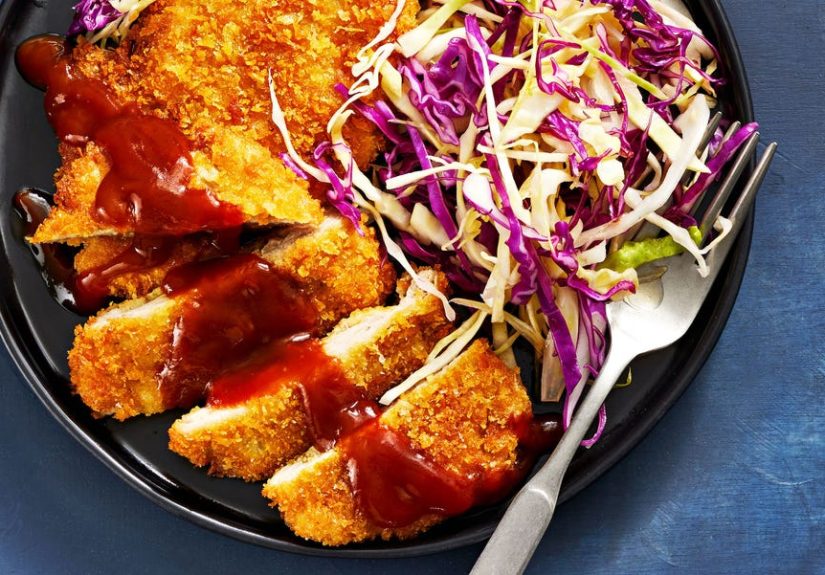
Tonkatsu is the kind of comfort food that makes you question every “I’ll eat lighter” promise you’ve ever made:
a juicy pork cutlet with a crisp, craggy panko coat, sliced into perfect little strips, and served with tangy-sweet
tonkatsu sauce and a fluffy pile of shredded cabbage.
The only downside? Traditional tonkatsu is deep-fried, which is delicious… and also a whole situation:
hot oil, lingering smells, splatters that somehow reach the ceiling, and a cleanup that feels like a group project.
The baked tonkatsu recipe you’re about to make keeps the best parts (crunch + juicy pork + sauce) while skipping
the oil vat. The secret is simple: toast the panko first, then bake hot and fast on a rack so the
cutlet stays crisp instead of “sadly breaded.”
What Is Tonkatsu (and Why Baked Works)
Tonkatsu is a Japanese breaded pork cutlet made with panko breadcrumbs and served with katsu sauce. The magic is
the contrast: crunchy outside, tender inside, and sauce that’s sweet, salty, and a little punchy. In classic frying,
the oil browns the panko quickly. In baking, we recreate that browning by pre-toasting the panko and using high heat
plus a light mist of oil.
You’ll get a cutlet that’s crisp enough to cut cleanly (no breadcrumb avalanche), juicy enough to be worth bragging
about, and simple enough for a weeknight. And yes, it still tastes like real tonkatsubecause it is. It’s just
tonkatsu that went to therapy and learned boundaries with hot oil.
Ingredients for the Best Baked Tonkatsu
For the pork cutlets (serves 4)
- 4 boneless pork loin chops (about 1/2-inch thick) or pork loin cutlets
- Kosher salt and black pepper
- 1/2 cup all-purpose flour
- 2 large eggs
- 1 tablespoon milk or water (optional, to loosen the egg wash)
- 2 cups panko breadcrumbs (plain)
- 2 tablespoons neutral oil (canola/avocado/grapeseed), plus oil spray
For serving (classic tonkatsu vibes)
- Tonkatsu sauce (store-bought or homemade)
- Shredded cabbage (very thinly sliced)
- Steamed rice
- Lemon wedges (optional but very nice)
Quick homemade tonkatsu sauce (optional, makes about 3/4 cup)
- 1/2 cup ketchup
- 2 tablespoons soy sauce
- 1 tablespoon brown sugar
- 1 tablespoon mirin (or 2 teaspoons sugar + 2 teaspoons water as a quick substitute)
- 1 1/2 teaspoons Worcestershire sauce
Equipment You’ll Actually Want for Crispy Results
- Rimmed baking sheet
- Wire rack that fits inside the sheet (for airflow and crispiness)
- Large skillet (to toast panko quickly)
- Instant-read thermometer (highly recommended for juicy pork)
Step-by-Step: How To Make Baked Tonkatsu (Crispy, Not Compromised)
Step 1: Prep your oven (and your future happiness)
Preheat the oven to 425°F. Set a wire rack on a rimmed baking sheet and lightly spray or brush the
rack with oil. This keeps the bottom from steaming and sticking.
Step 2: Toast the panko (the make-or-break step)
In a large skillet over medium heat, add panko and toast, stirring frequently, until it turns a light golden color.
Drizzle in 2 tablespoons oil and keep stirring until the crumbs are evenly golden and smell nutty
(not “campfire”). Transfer to a shallow bowl and let cool for a minute.
Why this matters: baked panko doesn’t always brown fast enough on the cutlet before the pork finishes cooking.
Pre-toasting gives you that signature golden crunch without deep frying.
Step 3: Prep the pork so it stays flat and tender
Pat pork dry. If there’s a fat cap or connective tissue along one edge, make a few small snips through it (this helps
prevent curling). Pound gently to an even thickness if needed. Season both sides with salt and pepper.
Step 4: Set up your dredging line
Arrange three shallow dishes:
- Dish 1: Flour
- Dish 2: Eggs whisked with milk/water
- Dish 3: Toasted panko
Step 5: Bread the cutlets (clean hands, then “crumb hands”)
- Dredge pork in flour and shake off excess.
- Dip into egg, letting extra drip off.
- Press firmly into toasted panko, coating well. Don’t be shypanko likes commitment.
Step 6: Bake hot and fast
Place breaded pork on the prepared rack. Lightly spray the tops with oil (this helps browning).
Bake for 12–16 minutes, depending on thickness, flipping once halfway through.
For extra color, broil for 30–90 seconds at the end, watching closely. Panko can go from “golden”
to “I made charcoal for fun” very quickly.
Step 7: Check doneness the smart way
Pork loin chops are best when cooked to 145°F in the thickest part, then rested for 3 minutes.
Resting also keeps the juices where they belong: in the pork, not on your cutting board.
Step 8: Slice and serve like a tonkatsu shop
Rest the cutlets 3 minutes, then slice into strips. Serve with shredded cabbage, rice, and tonkatsu sauce. Add a lemon
wedge for brightness, and suddenly you’re the kind of person who has their life together.
How To Make Tonkatsu Sauce in 2 Minutes
Whisk ketchup, soy sauce, brown sugar, mirin, and Worcestershire in a small bowl until smooth. Taste and tweak:
add a little more sugar for sweetness, soy for salt, or Worcestershire for tang. If you want it thicker, let it sit
5 minutessugar helps it tighten slightly.
Best Pork Cuts for Baked Tonkatsu
Pork loin (most common)
Lean, mild, easy to find, and bakes quickly. The main risk is drying outso don’t overcook, and consider a quick
seasoning rest before breading.
Pork tenderloin (extra tender, slightly different vibe)
Tenderloin is very tender and cooks fast, but it’s smaller. Slice on a bias into medallions and pound gently so the
pieces cook evenly and feel “cutlet-like.”
Thicker chops (works, but needs attention)
If your chops are closer to 3/4-inch, bake a few minutes longer and rely on the thermometer. If the crust browns
faster than the pork finishes, lower the oven to 400°F and keep going until the pork hits 145°F.
Pro Tips for Extra-Crispy Baked Tonkatsu
- Use a rack: Direct contact with the pan can trap steam and soften the crust.
- Toast panko evenly: Stir constantly; uneven crumbs = patchy crust.
- Press the crumbs in: Gentle pressure helps the coating stick and fry-like crunch develops better.
- Oil spray is not cheating: It’s basically the “finish him” move for browning.
- Don’t skip resting: A short rest improves juiciness and keeps the crust intact when slicing.
Troubleshooting: When Your Baked Tonkatsu Has Feelings
“My crust is pale.”
- Panko wasn’t toasted enough. Go more golden in the skillet next time.
- Use oil spray on top before baking and a quick broil at the end.
- Make sure the oven is fully preheated (425°F means business).
“It’s crispy on top but soggy underneath.”
- Use a rack, not a flat pan.
- Don’t crowd the cutletsairflow matters.
- Flip halfway through baking.
“The breading fell off.”
- Pat pork dry before breading.
- Shake off excess flour and eggtoo much of either creates slippage.
- Press panko firmly so it bonds with the egg layer.
“My pork is dry.”
- Most likely: overcooked. Pull at 145°F and rest 3 minutes.
- Choose evenly thin cutlets and pound gently for consistent thickness.
- Consider a quick salt rest (10–15 minutes) before breading for better moisture retention.
Serving Ideas: Turn Baked Tonkatsu Into Multiple Meals
Classic plate
Rice + shredded cabbage + tonkatsu sauce. Add miso soup if you want the full “restaurant set” energy.
Katsu sando (the crunchy sandwich flex)
Slide sliced tonkatsu into soft bread with shredded cabbage and tonkatsu sauce (a little mayo is common too). It’s
lunchbox royalty and suspiciously good at improving bad days.
Katsudon (leftover magic)
If you have leftovers, slice and warm gently, then top rice with the cutlet and a quick onion-and-egg simmer.
The crust softens a bit, but the payoff is cozy, savory comfort in a bowl.
Storage and Reheating (So It Stays Crispy)
Storing
Cool completely, then refrigerate in an airtight container for up to 3 days. If you stack pieces, place parchment
between them to reduce crust softening.
Reheating
Reheat on a rack in a 400°F oven for 8–12 minutes, flipping once, until hot and re-crisped. Avoid the microwave if
you want crunch (microwaves are wonderful, but they are not crunchy-friendly).
Real-World Kitchen Notes: What Cooks Usually Experience Making Baked Tonkatsu (500+ Words)
The first time most people try a baked tonkatsu recipe, the goal is straightforward: “I want tonkatsu, but I don’t
want to deep fry.” The emotional journey, however, is rarely straightforward. It often begins with a powerful sense
of optimismbecause you’re baking, which feels responsibleand then immediately bumps into the reality that baked
breading can be… moody.
A common early mistake is skipping the panko-toasting step because it sounds optional, like “garnish with parsley
if you have a small herb garden and unlimited free time.” Then the cutlets come out cooked, but the crust looks like
it’s wearing beige socks to a black-tie event. That’s usually the moment you realize baked tonkatsu has one main rule:
if you want golden crunch, you have to build golden crunch. Toasting panko isn’t extra; it’s the
entire plan.
Another very relatable moment happens during breading, when you suddenly develop “one wet hand, one dry hand”
discipline. You start out grabbing pork with the same hand you’re using to handle panko, and in seconds you’ve
invented a new accessory: a crunchy bread-glove. By the second cutlet, you’re running a professional assembly line:
flour hand, egg hand, panko hand. This is growth.
Then there’s the rack. Home cooks who use a rack for the first time often have a tiny epiphany: airflow is not just
for hair dryers and dramatic movie scenes. It’s what keeps the bottom from steaming. Without a rack, the underside
can get soft, and you might find yourself flipping the cutlet and whispering, “Please… crisp… I believe in you.”
With a rack, the cutlet behaves like it has a plan and a calendar.
Timing can also feel weird at first because the crust is already golden from toasting, so you’re not waiting for
visual cues the way you would with frying. This is where the thermometer becomes your calm best friend. Instead of
guessing, you check for doneness and pull the pork when it’s juicy. Many people are surprised by how quickly thinner
cutlets cook at 425°Fespecially if they’re used to baking thicker pork chops at lower temperatures. In baked tonkatsu
land, high heat is your ally: it keeps the outside crisp while the inside reaches the perfect tender point.
Serving is its own mini-ritual. Shredded cabbage seems simple until you try to do it and discover the difference
between “shredded” and “restaurant-thin.” The good news: it doesn’t have to be perfect. Even a rough chop brings
freshness and crunch that balances the richness of the pork. And the sauce? The sauce is where people get brave.
Some start with bottled tonkatsu sauce, then try homemade, then start tweaking it like a scientist: a bit more
sweetness, a little more tang, maybe a touch of extra Worcestershire for depth. Suddenly your “simple baked cutlet”
has turned into a full sensory projectand you’re enjoying it.
Finally, there’s the moment of truth: slicing. If you cut too soon, the juices run and the crust can shift.
If you rest just a few minutes, the cutlet slices cleanly into those satisfying strips that feel like a real tonkatsu
shop plate. That’s when baked tonkatsu stops being “the healthier version” and becomes “the version I actually want
to make again.” Not because it’s a compromisebut because it’s genuinely great.
Conclusion
The best baked tonkatsu isn’t about pretending deep frying never existed. It’s about getting the crisp, golden panko
crunch and juicy pork you craveusing techniques that actually work in an oven. Toast the panko, bake on a rack,
use a little oil spray, and cook the pork to the right temperature. After that, it’s just you, a puddle of tonkatsu
sauce, and the satisfying sound of a crispy cutlet being sliced into neat little strips.