Table of Contents >> Show >> Hide
- Why This Focaccia Recipe Works
- Ingredients for the Best Focaccia Bread
- Equipment You Will Need
- How To Make Focaccia Bread
- Classic and Creative Focaccia Topping Ideas
- Common Focaccia Mistakes and How To Avoid Them
- How To Serve Focaccia
- How To Store and Reheat It
- Best Focaccia Bread Recipe: Final Thoughts
- Kitchen Experiences: What Baking Focaccia Feels Like in Real Life
- SEO Tags
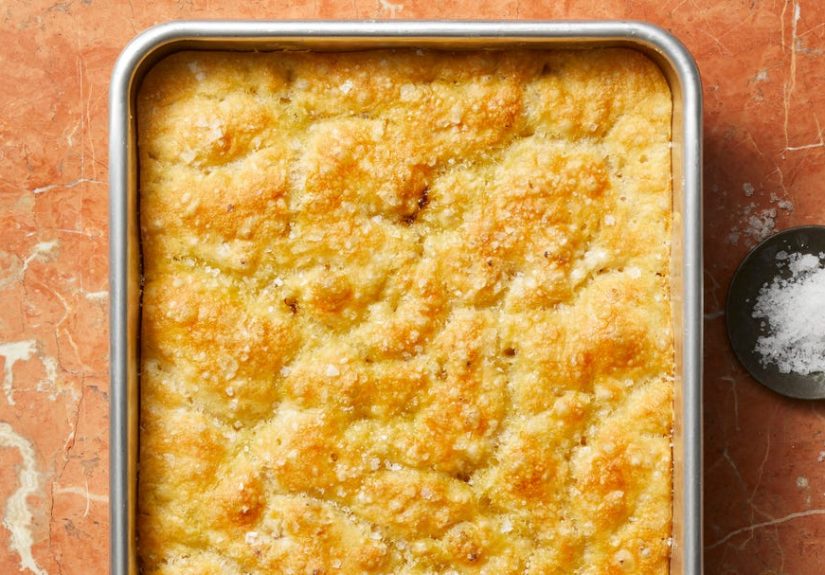
Some breads are dramatic. Croissants demand laminated precision. Sourdough wants a schedule, a starter, and possibly a therapist. Focaccia, on the other hand, is the friend who shows up wearing olive oil, smells amazing, and somehow makes everyone think you have your life together. If you want homemade bread with a crisp golden edge, a soft airy center, and those glorious little dimples that catch olive oil like tiny edible swimming pools, this is the recipe to make.
This best focaccia bread recipe is designed for home bakers who want big flavor without turning the kitchen into a flour tornado. It uses simple ingredients, a high-hydration dough, and a straightforward method that creates a chewy, fluffy crumb with a deeply savory crust. You can keep it classic with rosemary and flaky salt, or dress it up with roasted garlic, cherry tomatoes, olives, or caramelized onions. Either way, the result is the same: a pan of bread that disappears faster than your willpower around warm carbs.
Why This Focaccia Recipe Works
Focaccia is one of the most rewarding breads to bake because the dough does a lot of the heavy lifting for you. A wetter dough creates those airy holes and pillowy texture people chase in bakery focaccia. Olive oil keeps the crumb tender, helps the crust fry ever so slightly against the pan, and adds the rich flavor that makes focaccia taste like more than just “flat bread.”
This version also keeps things approachable. There is no intense kneading session, no complicated shaping, and no need to stare nervously at the dough every 47 seconds. A few folds build structure, a generous rise develops flavor, and the dimpling step gives the bread its signature look and texture. It is rustic in the best way: forgiving, handsome, and outrageously good with soup, salad, sandwiches, or straight from the pan while pretending you are “just tasting a corner.”
Ingredients for the Best Focaccia Bread
For the dough
- 500 grams bread flour
- 425 grams warm water
- 10 grams kosher salt
- 7 grams instant yeast
- 30 grams extra-virgin olive oil
- 1 teaspoon honey or sugar
For the pan and topping
- 3 to 4 tablespoons extra-virgin olive oil
- 1 to 2 teaspoons chopped fresh rosemary
- Flaky sea salt, to taste
Optional brine for extra flavor
- 2 tablespoons water
- 1/2 teaspoon fine salt
Why bread flour? Bread flour gives focaccia more chew and better structure, which helps support those lovely bubbles. All-purpose flour can still work, but bread flour usually gives a more dramatic rise and a sturdier yet tender crumb.
Equipment You Will Need
- Large mixing bowl
- 9×13-inch metal baking pan
- Bench scraper or rubber spatula
- Plastic wrap or a clean towel
- Wire rack for cooling
A 9×13 pan makes a thicker focaccia that is perfect for slicing horizontally for sandwiches. If you prefer a thinner, crisper style, you can use a larger sheet pan and gently stretch the dough farther before baking.
How To Make Focaccia Bread
1. Mix the dough
In a large bowl, whisk together the bread flour, instant yeast, kosher salt, and honey. Pour in the warm water and olive oil. Mix with a spoon or sturdy spatula until no dry flour remains. The dough will look shaggy, sticky, and honestly a little suspicious. That is normal. Focaccia dough is supposed to be wetter than basic sandwich bread dough.
2. Let it rest
Cover the bowl and let the dough rest for 10 minutes. This short pause gives the flour time to hydrate, which makes the dough easier to handle and helps the gluten begin developing without a big kneading workout.
3. Build strength with folds
Wet or oil your hands, grab one side of the dough, stretch it up, and fold it over itself. Rotate the bowl and repeat until you have made 4 folds. Cover and rest for 15 minutes. Repeat this folding process 3 more times over about 45 minutes. The dough will gradually go from chaotic swamp creature to smooth, stretchy bread dough.
4. First rise
Cover the bowl and let the dough rise at room temperature until doubled, about 1 to 1 1/2 hours, depending on your kitchen. For even better flavor, you can refrigerate the dough overnight after the folds. Cold fermentation develops a deeper, more complex taste and makes the dough easier to handle the next day.
5. Oil the pan like you mean it
Pour 2 tablespoons olive oil into a 9×13-inch pan and spread it across the bottom and sides. Do not be shy here. Focaccia is not the time for emotional restraint with olive oil. The oil prevents sticking, encourages crisp edges, and gives the bottom that golden, lightly fried finish.
6. Transfer and stretch the dough
Scrape the dough into the pan. Turn it once so both sides get a light coat of oil. Gently stretch it toward the corners. If it springs back and behaves like a moody toddler, let it rest for 10 to 15 minutes, then try again. Eventually it will relax and spread more easily.
7. Second rise
Cover the pan and let the dough proof until it looks puffy and expanded, about 45 minutes to 1 hour. This stage matters. Under-proofed focaccia tends to bake up dense, while properly proofed dough gives you that airy interior everyone wants.
8. Dimple, top, and season
Preheat the oven to 425°F. Oil your fingers and press deeply all over the surface of the dough to create dimples. Press confidently, but do not punch straight through to the pan. If you are using the optional brine, stir together the water and salt and spoon it lightly over the surface so it settles into some of the dimples. Drizzle the top with the remaining olive oil, then scatter with rosemary and flaky sea salt.
9. Bake until deeply golden
Bake for 25 to 30 minutes, or until the top is golden brown and the edges look crisp and beautifully caramelized. If your oven runs cool, it may need an extra few minutes. Good focaccia should look boldly baked, not pale and timid.
10. Cool just enough to avoid regrettable burns
Let the focaccia cool in the pan for 10 minutes, then transfer it to a wire rack. Cooling helps keep the bottom crisp. Slice while warm, inhale the rosemary-and-olive-oil perfume, and try not to eat half the tray before dinner. Or do. I am not the bread police.
Classic and Creative Focaccia Topping Ideas
Classic rosemary and flaky salt
This is the standard for a reason. It is simple, aromatic, and lets the bread itself shine.
Cherry tomato and garlic
Press halved cherry tomatoes into the dough and add thin slices of garlic. Pat the tomatoes dry first so they do not waterlog the surface.
Olive and red onion
Sliced olives and very thin red onion add briny sweetness and make the bread feel a little more dinner-party-ready.
Parmesan and black pepper
Sprinkle grated Parmesan over the top during the last few minutes of baking for a savory, slightly crisp finish.
Roasted grapes and thyme
If you like that sweet-savory magic, grapes on focaccia are wildly underrated. They blister, soften, and turn jammy in the oven.
Common Focaccia Mistakes and How To Avoid Them
Using too little oil
This is the big one. Focaccia without enough oil can still be bread, but it will not be the right bread. The pan needs a generous coating, and the top needs enough oil to encourage browning and flavor.
Adding too much flour
Sticky dough scares people into adding more flour. Resist the urge. A wetter dough is one of the secrets to airy focaccia. Use wet or oiled hands instead of dumping in extra flour.
Rushing the proof
If the dough has not puffed up, do not bake it just because you are hungry. Focaccia rewards patience. Give the yeast time to work and the structure to open up.
Weak dimples
Little surface taps are not enough. Proper dimpling helps create texture, catches olive oil and seasoning, and gives the finished bread that iconic craggy appearance.
Too many wet toppings
Tomatoes, onions, mushrooms, and other toppings can release moisture. Use them sparingly, slice them thinly, and pat them dry when needed.
How To Serve Focaccia
Serve it warm with a bowl of soup, as a side for pasta, alongside a salad, or split and filled for sandwiches. Thick focaccia is especially good for pressed sandwiches with mozzarella, pesto, turkey, roasted vegetables, or prosciutto. It also makes a ridiculously good breakfast when toasted and topped with eggs. Not traditional, perhaps, but very delicious and therefore difficult to argue with.
How To Store and Reheat It
Store leftover focaccia tightly wrapped at room temperature for up to 2 days. For longer storage, freeze individual pieces. To reheat, place slices in a 375°F oven for 5 to 8 minutes. This revives the crust and brings the olive oil aroma back to life. A microwave will warm it, but it can soften the crust, and focaccia deserves better than that.
Best Focaccia Bread Recipe: Final Thoughts
The beauty of focaccia is that it feels special without being fussy. It is rustic but elegant, simple but endlessly customizable, and easy enough for beginners while still satisfying for seasoned bakers. Once you understand the basics, wet dough, generous oil, patient proofing, and assertive dimpling, you can make focaccia that tastes like it came from a truly good bakery.
If you have never made homemade focaccia before, start with the rosemary and flaky salt version. Learn the feel of the dough. Watch how it rises. Notice how much better it gets when you stop trying to force it and let time do some of the work. Then branch out into toppings and variations. The pan is your playground, and olive oil is your tiny shiny co-chef.
Kitchen Experiences: What Baking Focaccia Feels Like in Real Life
The first time many people make focaccia, they are convinced they have done something wrong. The dough is sticky. It looks too loose. It clings to fingers with the confidence of a toddler at daycare drop-off. Then, slowly, something magical happens. After a few folds and a little patience, the dough begins to transform. It gets smoother, puffier, and far more cooperative. That moment is part of why focaccia is such a satisfying bread to bake: you get to watch the process work in real time.
There is also something deeply comforting about the rhythm of it. Mix, rest, fold, rise, stretch, dimple, bake. It is not hard, but it feels wonderfully tactile. You are not just following instructions; you are learning how dough behaves. You start noticing the difference between a tight dough and a relaxed one. You learn that olive oil on your hands is not cheating, it is strategy. You realize that the dimpling step is not decorative fluff. It is the part where the bread begins to look unmistakably like focaccia, with all those little valleys ready to catch salt, herbs, and oil.
The aroma is another reason focaccia wins people over. As it bakes, the kitchen fills with the smell of toasted flour, warm olive oil, and herbs. If you add garlic or onions, it becomes almost unfair to everyone else in the house. Suddenly people who were “not really hungry” start drifting into the kitchen asking suspiciously casual questions like, “So… when will that be ready?” Focaccia has that effect. It is bread with excellent social skills.
There is also room for experimentation, which makes the experience more fun over time. One week you keep it simple with rosemary and salt. Another week you press in tomatoes and olives. Then perhaps you get ambitious and try caramelized onions, roasted grapes, or a shower of Parmesan and black pepper. Focaccia invites creativity without punishing you for it. That makes it a confidence-building bake, especially for beginners who want homemade bread without the pressure of perfect shaping or exact scoring.
Perhaps the best experience of all is slicing into the finished bread while it is still slightly warm. The crust crackles a little. The crumb looks airy and tender. The bottom is golden from the oil in the pan. And when you taste it, there is that unmistakable mix of richness, chew, and salt that makes homemade focaccia feel like a small personal victory. It is the kind of recipe that quickly becomes part of your regular rotation, not because it is trendy, but because it consistently delivers. Good focaccia is generous, flexible, and comforting. In a world full of complicated cooking projects, that feels pretty wonderful.