Table of Contents >> Show >> Hide
- First, a Quick Reality Check: Triggers Are Personal (So Don’t Ban All Joy)
- Best Foods for Heartburn: What Usually Goes Down Easy
- Foods and Drinks That Commonly Trigger Heartburn
- Dietary Habits That Make the Biggest Difference
- Sample Heartburn-Friendly Day of Eating
- When to Get Medical Advice
- Conclusion: Your Personal “Low-Drama” Plan for Heartburn
- Experiences: What People Commonly Notice When They Change Their Heartburn Habits (Real-World Style)
Heartburn is that rude, fiery “hello” behind your breastbone that shows up right after you finally decide to enjoy pizza like a carefree human.
It happens when stomach contents move upward into the esophagus (the tube that’s definitely not built to handle acid). Occasional heartburn is common,
but frequent symptoms (especially 2+ times a week) can point to gastroesophageal reflux disease (GERD).
Here’s the tricky part: there’s no single magical “GERD diet” that works for everyone. Two people can eat the exact same dinnerone is fine, the other
is negotiating with their own throat at 2 a.m. The goal is to build a simple, repeatable eating style that keeps symptoms calmer most days,
and to pinpoint your personal triggers without turning your life into a sad beige buffet.
First, a Quick Reality Check: Triggers Are Personal (So Don’t Ban All Joy)
You’ll often see the same “usual suspects” on heartburn trigger lists: high-fat meals, spicy foods, tomato-based sauces, citrus, chocolate, caffeine,
mint, and carbonated drinks. Many experts recommend using these lists as a starting pointnot a forever list of forbidden foods.
If something doesn’t bother you, it may not need to be eliminated. Your best strategy is a short “test and learn” approach:
change one thing at a time, notice patterns, and keep what works.
The most underrated tool: a simple food-and-symptom log
For about 7–14 days, jot down what you ate, when you ate it, and how you felt afterward (especially at night).
This helps you spot patterns like “heartburn only happens when I eat dinner after 9” or “fried food is a villain, but tomatoes are fine.”
It also helps you avoid overly restrictive eating that’s hard to sustain.
Best Foods for Heartburn: What Usually Goes Down Easy
“Heartburn-friendly” foods tend to share a few traits: they’re lower in fat, not super acidic, and easier to digest.
They also support steady digestion (because constipation and bloating can increase pressure in the abdomen, which can worsen reflux).
Below are food groups that commonly work well for many people.
1) Oatmeal and other whole grains
Oatmeal is a classic for a reason: it’s filling without being heavy, and it’s high in fiber. Other helpful options include brown rice,
whole-grain bread, quinoa, and whole-grain pasta (portion size still matters). Fiber supports smoother digestion, which can reduce the “pressure” factor
that pushes reflux upward.
Try this: oatmeal topped with sliced banana and a spoonful of almond butter (if nuts work for you), or oatmeal with cinnamon and berries.
2) Non-citrus fruits (especially the “mellow” ones)
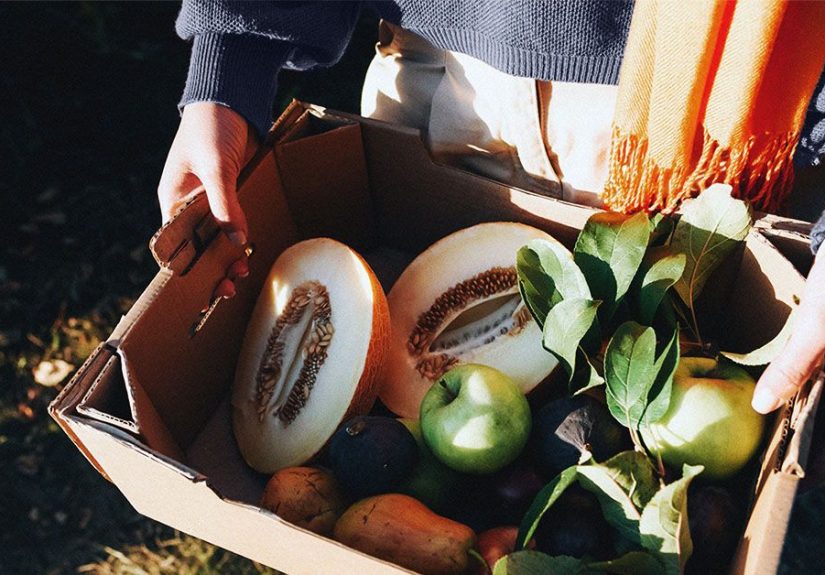
Many people tolerate bananas, melons, apples, pears, and stone fruit better than oranges, grapefruits, or pineapple.
Bananas are often suggested as a low-acid fruit that can be gentle on the esophagus for some people.
Try this: banana + plain Greek yogurt (low-fat if dairy agrees with you) + oats for a quick, reflux-friendlier snack.
3) Vegetables (most of them, prepared simply)
Vegetables are generally a strong bet: they’re low in fat and high in fiber. If raw veggies bother you, try them cooked.
Commonly tolerated options include leafy greens, green beans, broccoli, asparagus, cauliflower, zucchini, cucumbers, and potatoes.
(Yes, potatoes can be on your teamas long as they’re not deep-fried into betrayal.)
Try this: roasted vegetables with olive oil in a light drizzle (not a flood), served with lean protein.
4) Lean proteins
Higher-fat meats can trigger symptoms in some people because fat can slow stomach emptying and may encourage reflux.
Lean proteinsskinless chicken or turkey, fish, eggs, tofu, beans, and lentilsoften feel lighter and are easier on reflux symptoms.
Cooking methods matter: grilled, baked, poached, steamed, or air-fried (lightly) tends to be better than deep-fried.
Try this: baked salmon, rice, and steamed greens; or a turkey-and-avocado wrap (go easy on the avocado if fat triggers you).
5) Ginger (for some people)
Ginger is widely used for digestive comfort. Many people find ginger tea or small amounts of fresh ginger in meals soothing.
It’s not a guaranteed fix, but it can be a helpful swap for more irritating flavors.
Try this: ginger tea after dinner (not too close to bedtime if liquids wake you up).
6) Low-fat dairy or dairy alternatives (if tolerated)
For some, full-fat dairy triggers symptoms, while low-fat options are fine. Others find any dairy worsens reflux.
If dairy works for you, choose low-fat milk or yogurt and watch portion sizes.
If dairy doesn’t work, consider non-dairy alternatives (like oat milk) that aren’t heavily sweetened.
7) Healthy fats, but in “supporting actor” portions
Fat isn’t the enemyit’s the portion and timing that often cause trouble. Large, fatty meals can be a spark for heartburn.
If fat is a trigger, keep portions modest and earlier in the day. Choose fats like olive oil, nuts, and seeds in smaller amounts.
Foods and Drinks That Commonly Trigger Heartburn
Again: these are common triggers, not automatic villains for every person. If symptoms keep happening, these are smart items to test one at a time.
- High-fat foods: fried foods, rich sauces, heavy cream, fatty cuts of meat
- Spicy foods: hot peppers, heavy chili blends (mild spices may be fine)
- Tomato-based foods: marinara, pizza sauce, salsa
- Citrus: orange, grapefruit, lemon/lime-heavy foods and juices
- Chocolate: can relax the lower esophageal sphincter in some people
- Caffeine: coffee, some teas, energy drinks (even decaf can bother some people)
- Mint: peppermint/spearmint may worsen reflux in some people
- Carbonated beverages: bubbles can increase belching, which can push acid upward
- Alcohol: can worsen reflux and irritate the esophagus
Dietary Habits That Make the Biggest Difference
If you only change two things, make them these: meal timing and portion size. Many guidelines emphasize that how you eat can matter as much as what you eat.
1) Eat smaller meals (your stomach is not a suitcase)
Large meals increase pressure in the stomach and make reflux more likely. Try smaller portions more often,
especially if you notice heartburn after heavy dinners.
Practical idea: three moderate meals + 1–2 small snacks, instead of one “food-coma” dinner.
2) Slow down and chew well
Eating quickly can lead to swallowing air and overeating before your brain gets the “we’re full” memo.
A slower pace can reduce pressure and discomfort.
Try this: put your fork down between bites, or use a smaller plate so your portions stay reasonable without feeling punishing.
3) Don’t lie down after eating (give gravity a chance)
Staying upright after meals helps keep stomach contents where they belong. A common recommendation is to wait at least 2–3 hours before lying down.
This matters most for nighttime heartburn.
Try this: a gentle post-dinner walk (nothing intenseyour stomach isn’t training for a marathon).
4) Finish dinner earlier
Late dinners and bedtime snacks are frequent culprits for nighttime reflux. If symptoms show up at night, aim to finish your last meal
at least 3 hours before bed.
Try this: if you get hungry later, choose a small, low-fat, non-acidic snack earlier in the evening.
5) Consider your sleep setup
For nighttime symptoms, elevating the head of your bed (not just stacking pillows) can help. Sleeping on the left side may also reduce reflux
for some people.
6) Manage weight gently (if applicable)
If you’re overweight, even modest weight loss can reduce reflux symptoms for many people. This isn’t about appearanceit’s about reducing abdominal pressure.
The most sustainable approach is usually steady: more fiber, reasonable portions, and consistent meal timing.
7) Build a “trigger-smart” routine instead of a “trigger-free” prison
Many people do best with a flexible plan:
avoid triggers late at night, keep portions smaller, and choose safer foods on days when symptoms are already flaring.
This kind of routine is easier to live withand that matters, because consistency is what usually wins.
Sample Heartburn-Friendly Day of Eating
Breakfast
- Oatmeal cooked with water or low-fat milk
- Banana slices + cinnamon
- Herbal tea (non-mint) or water
Lunch
- Grilled chicken or tofu bowl
- Brown rice or quinoa
- Steamed greens + cucumbers + a light olive oil drizzle
Snack
- Applesauce or a pear
- Low-fat yogurt (if tolerated) or an unsweetened dairy-free alternative
Dinner (earlier, lighter)
- Baked fish with roasted vegetables
- Small portion of potatoes or whole grains
- Water (skip carbonation if it’s a trigger)
When to Get Medical Advice
If heartburn is frequent, worsening, or disrupting sleep, it’s worth talking to a clinician. Also get evaluated promptly if you have
trouble swallowing, vomiting blood, black stools, unexplained weight loss, chest pain, or symptoms that don’t improve with reasonable lifestyle changes.
These can signal something more serious than occasional reflux.
Conclusion: Your Personal “Low-Drama” Plan for Heartburn
The best foods and dietary habits for heartburn aren’t about a perfect listthey’re about patterns you can actually keep.
Start with smaller meals, earlier dinners, and staying upright after eating. Build meals around whole grains, vegetables, lean proteins,
and non-citrus fruits. Then test triggers one at a time so you don’t accidentally ban foods that never bothered you in the first place.
If symptoms keep showing up, don’t just white-knuckle it through your meals. A healthcare professional can help you rule out GERD complications,
adjust medications if needed, and tailor a plan that fits your body and your real life.
Experiences: What People Commonly Notice When They Change Their Heartburn Habits (Real-World Style)
If you ask a group of people with heartburn what finally helped, you’ll get a surprising number of answers that have nothing to do with
banning tomatoes forever. The most common “aha” moments tend to be about timing, portions, and the sneaky ways everyday routines pile on.
A lot of folks notice that heartburn isn’t evenly distributed throughout the dayit’s basically a nighttime drama queen.
They’ll be fine at breakfast and lunch, then dinner hits late, they flop onto the couch, and suddenly their esophagus is sending angry emails.
When they move dinner earliereven by 60–90 minutesnighttime symptoms often calm down. Not always instantly, but enough that they stop keeping antacids
on their nightstand like it’s a bedside essential.
Another common experience: the “portion-size plot twist.” People often think their heartburn is caused by a specific food, but it turns out to be
the quantity plus the fat level plus the speed of eating. Someone might tolerate pasta just fine at lunch, but get
miserable after a giant, late-night plate with a creamy sauce. When they cut the dinner portion in half and add a simple side (like vegetables or rice),
symptoms improve without them feeling like they’ve been sentenced to salad-only living.
This is also where slower eating shows up as a surprisingly powerful move: when you’re not racing your meal, you’re less likely to overfill your stomach.
People report feeling “lighter” after mealsnot in a weight-loss-ad slogan way, but in a “wow, my chest isn’t on fire” way.
The food diary experiment also comes up a lot in real-life stories. People start skepticalbecause who wants homework from their own stomach?but after
a week they notice patterns like “mint gum after dinner is the real issue,” or “carbonated water is fine at noon but not at night,” or
“I can handle salsa, but not salsa + margarita + greasy chips.” That last one is especially common: triggers often travel in packs.
It’s rarely one single ingredient acting alone like a cartoon villain. It’s the combination of spicy + fatty + late + lying down that lights the match.
Once people identify those combos, they can make smarter swaps: still enjoying the meal, just changing the setup.
Many people also describe “sleep hacks” as a turning point. They try elevating the head of the bed properly (not just adding more pillows),
or they become a dedicated left-side sleeper. It sounds small, but the difference can be dramatic for nighttime reflux.
The funny part? People often say the hardest habit change wasn’t giving up coffeeit was giving up the post-dinner flop. That cozy horizontal position
feels innocent… until it doesn’t. Swapping the couch sprawl for a short walk, some light chores, or just sitting upright while watching a show is a
common “I can actually do this” solution.
Finally, a lot of real-world experience points to flexibility over perfection. People who do best long-term don’t aim for “never eat trigger foods.”
They aim for “know my triggers, choose my timing, and don’t stack risk factors.” That might mean enjoying pizza earlier in the day, keeping the portion
moderate, skipping soda, and planning a relaxed evening instead of lying down right after. It’s not as dramatic as a cleanse, but it’s sustainable
and sustainability is what keeps heartburn from running your schedule.