Table of Contents >> Show >> Hide
- Why this is the best severance negotiation book for a dead-end job exit
- What makes a severance negotiation book genuinely useful
- Why a dead-end job changes the equation
- What this book appears to do better than broader negotiation books
- What you should hope to negotiate in real life
- The legal reality nobody should ignore
- Who should read this book
- Should you read only one book?
- Final verdict
- Experiences related to leaving a dead-end job and negotiating severance
Some jobs do not end with a bang. They end with a sigh, a stale team meeting, and the haunting realization that your “growth opportunity” is just the same spreadsheet wearing a different hat. When you know you are stuck in a dead-end job, leaving gracefully matters. Leaving strategically matters even more.
That is where a severance negotiation book can earn its keep. A good one does not just tell you to march into HR like a movie lawyer and demand a giant check. It teaches you timing, leverage, tone, documentation, and how to leave without setting your professional reputation on fire like a gender reveal gone wrong.
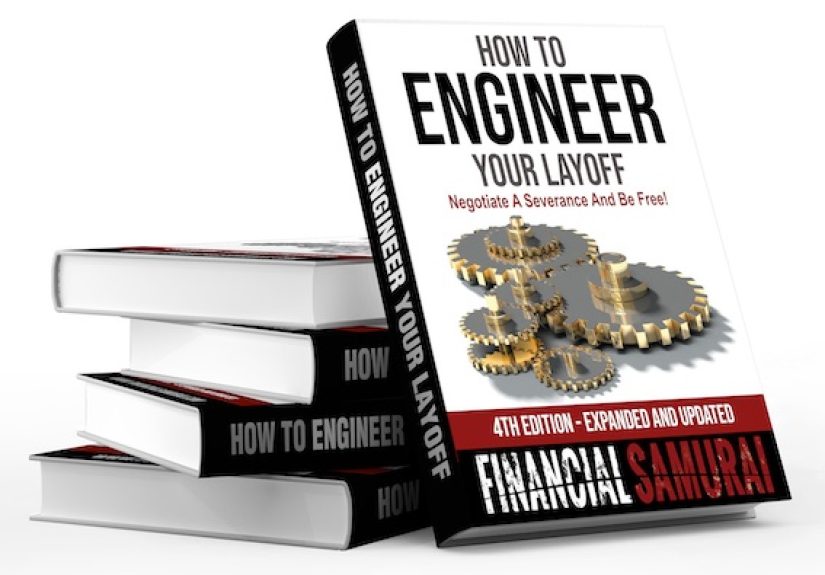
After reviewing the core U.S. guidance around severance, negotiation strategy, waivers, benefits, and exit planning, the most on-point pick for this topic is How To Engineer Your Layoff: Make A Small Fortune By Saying Goodbye by Sam Dogen. It is not the only career or negotiation book worth reading, but it is the one that most directly targets the specific problem in this article: how to leave a dead-end job with more leverage, more runway, and fewer regrets.
Why this is the best severance negotiation book for a dead-end job exit
Most negotiation books are broad. They teach you how to bargain for salary, contracts, promotions, or high-stakes business deals. Useful? Absolutely. Specific to severance? Not really. That is the difference here.
How To Engineer Your Layoff stands out because it is built around a narrow, painfully real scenario: you are done with your job, but you do not want to leave empty-handed. Instead of treating severance like a lucky bonus that falls from the sky, the book frames it as something that can sometimes be prepared for, influenced, and negotiated with care.
That makes it especially relevant for people trapped in roles that feel professionally flat, emotionally draining, or strategically pointless. In other words, the classic dead-end job. You are not necessarily trying to “win” a dramatic confrontation. You are trying to create an exit that gives you money, time, dignity, and a cleaner next chapter.
The book’s biggest strength is focus. It does not wander off into generic “believe in yourself” territory for 200 pages and call it a plan. It stays centered on the mechanics of leaving, including workplace relationships, internal timing, negotiation framing, and post-exit preparation. For a reader who wants a practical off-ramp instead of a motivational poster, that is a big advantage.
What makes a severance negotiation book genuinely useful
A lot of people assume a “good” severance book should mainly teach you how to ask for more money. That is part of it, sure. But cash is only one slice of the goodbye pie.
The best severance negotiation book should help you think through questions like these:
- What are you actually negotiating besides salary continuation or a lump-sum payment?
- How should you talk to your manager versus HR versus legal?
- What parts of a separation agreement deserve extra attention?
- How do you preserve references, reputation, and future job prospects?
- When should you bring in an employment attorney or financial professional?
- How do you avoid making emotional mistakes in the first 48 hours?
That last one deserves a dramatic spotlight. People often make their worst exit decisions while angry, embarrassed, shocked, or exhausted. A solid book helps you slow down and act like a strategist, not a human smoke alarm.
Why a dead-end job changes the equation
There is a big difference between being laid off unexpectedly and wanting to leave a dead-end job that has been draining the life out of you for months or years. In the first case, the company controls the timing. In the second, you may have some room to plan.
That planning window is exactly why the right book matters so much. A dead-end role often creates a dangerous temptation: just quit and deal with the fallout later. It feels clean. It feels dramatic. It feels satisfying for about six minutes.
Then reality shows up wearing rent, health insurance, and grocery prices.
A severance-focused book helps shift your mindset from “I need out now” to “I need out well.” That means thinking about whether your employer may be reorganizing, whether your role is shrinking, whether leadership has an incentive to make departures smooth, and whether your contributions, tenure, or transition support could become part of a reasonable negotiation.
That does not mean severance is guaranteed. It is not. It means your exit may be more negotiable than your frustration is telling you in the moment.
What this book appears to do better than broader negotiation books
1. It focuses on severance as a strategy, not a side note
Many excellent negotiation books treat job exits as a small example inside a much bigger framework. This one flips that approach. Severance is the main event. For readers in dead-end jobs, that is a relief. You do not need a master class on international diplomacy. You need a smart guide to leaving accounting, operations, marketing, tech, or management without self-sabotage.
2. It connects the negotiation to life after the job
Leaving a dead-end job is not only about money. It is about buying time to recover, search carefully, change industries, build a business, travel, rest, or stop waking up with Sunday-night dread on Thursday afternoon.
A useful severance book should recognize that your exit package is really a bridge. The point is not to collect a shiny severance number and frame it on the wall. The point is to create enough breathing room to make a better career move next.
3. It treats relationships as leverage
People sometimes imagine severance negotiation as a dramatic faceoff. In practice, the most effective exits are often calmer and more collaborative. Your employer may value a clean transition, reduced friction, knowledge transfer, discretion, or a well-managed handoff. A good book teaches you how to position yourself as someone helping solve a company problem, not just asking for a personal favor.
4. It speaks to people who are emotionally checked out
Dead-end jobs create a special kind of exhaustion. You are still employed, but mentally halfway packed. Advice that assumes you are energized and optimistic can feel wildly out of touch. A targeted severance book works better because it starts where many readers actually are: stuck, tired, under-challenged, and craving an orderly exit.
What you should hope to negotiate in real life
One reason this topic matters is that severance is rarely just “X weeks of pay, take it or leave it.” In many cases, there are several moving parts. Depending on your role and circumstances, negotiable items may include:
- Cash severance or salary continuation
- Bonus treatment or prorated incentives
- Unused vacation or PTO treatment, where applicable
- Continued health coverage assistance
- Outplacement services or coaching
- A neutral or positive reference
- Internal and external messaging about your departure
- Transition timelines and handoff expectations
- Restrictive clauses, including confidentiality or non-disparagement language
This is another reason the best severance negotiation book needs to be specific. When people think only about the check, they can miss terms that affect their next job, their benefits, or their legal rights.
The legal reality nobody should ignore
Here comes the less glamorous part, but it matters. A severance agreement is not just a goodbye card with a few extra commas. It is a legal document. In many cases, it involves a release or waiver of claims. That means what you sign can affect your future rights.
For that reason, the smartest severance book is not one that makes readers feel invincible. It is one that makes them careful. If you are over 40, there can be special federal rules around certain age-discrimination waivers. If you suspect discrimination, retaliation, unpaid compensation, or contract issues, your exit conversation may carry more legal weight than you think. And because unemployment rules vary by state, the structure of your severance can affect timing and benefits in ways people often miss.
That is why even the best book should be treated as a strategy guide, not a substitute for legal advice. A book can help you ask smarter questions. It cannot review your actual agreement line by line.
Who should read this book
This book is best suited for workers who are not merely curious about negotiation in the abstract. It is for people actively thinking, “I need to get out of here, but I want to do it intelligently.”
It is especially relevant for:
- Mid-career professionals stuck in flat roles with no advancement path
- Employees feeling burned out but not ready to resign without a financial cushion
- Workers who believe restructuring, role elimination, or leadership changes may be coming
- People who want to leave without torpedoing references or relationships
- Anyone who needs a more tactical framework than generic career advice provides
It may be less helpful for readers who already have an attorney, a negotiated executive contract, or a highly specialized labor situation that depends heavily on union rules or a unique employment agreement. In those cases, a book can still help with mindset, but personalized legal review becomes more important.
Should you read only one book?
Probably not. The best move is to use a severance-specific guide as your anchor text, then borrow one or two broader resources for communication and negotiation style.
That said, if you are asking for the single best severance negotiation book to help you leave a dead-end job, this is the pick because it matches the problem most directly. Other books may be better known. Some may be cheaper. Some may be stronger on general bargaining tactics. But when the question is narrowly about negotiating your way out of a stalled career situation with a financial runway, focus beats fame.
Final verdict
How To Engineer Your Layoff is the best severance negotiation book for readers trying to leave a dead-end job with strategy instead of panic. Its advantage is not that it promises magic words or fantasy payouts. Its advantage is that it treats severance as a real process shaped by timing, leverage, documentation, tone, and preparation.
If your job feels like a professional waiting room with fluorescent lighting and no exit music, this book is a useful guide to finding the door without slamming it behind you. It helps reframe quitting as a negotiation problem, not just an emotional one. And that shift alone can save people from the most expensive career move of all: walking away too fast, with too little, because they were simply too fed up to plan.
Leave the dead-end job, not your leverage.
Experiences related to leaving a dead-end job and negotiating severance
The lived experience of leaving a dead-end job is rarely neat. It often starts with quiet frustration, not a dramatic event. One day you notice that every week looks exactly like the last. Your projects are repetitive, promotions never seem to arrive, and your manager keeps saying “great work” in the same tone people use when handing out parking validation. You are not growing. You are marinating.
Then comes the emotional split. Part of you wants to be professional and patient. The other part wants to send a resignation email written entirely in italics. This is where many people make the wrong move. They confuse being unhappy with being ready. They know they need out, but they have not yet figured out how to leave with a plan, a cushion, or a story they can tell future employers with a straight face.
A common experience is discovering that the job is costing more than it pays. Not just in money, but in confidence. People in dead-end roles often begin to doubt their own market value because they have been underused for so long. They stop seeing their contributions clearly. That matters in severance negotiations, because self-doubt makes people ask for less, apologize too much, or sign too quickly just to escape the discomfort.
Another familiar experience is the awkward dance with leadership. You may start noticing signs that the company already knows your role is fading in relevance. Maybe priorities have changed. Maybe a reorganization is coming. Maybe your responsibilities are shrinking while expectations stay weirdly vague. In that limbo, workers often realize that the company and the employee both want the same thing: a smoother separation than a messy burnout-and-bolt exit. That can become the beginning of real leverage.
There is also the strange psychological relief that comes from having a strategy. Even before a negotiation happens, simply moving from “I hate this job” to “I know how I might exit this job” can improve your thinking. You stop reacting and start observing. You document accomplishments. You review policies. You think about timing. You decide what you need most: more money, more time, benefits continuation, a clean reference, or flexibility during the transition.
And then there is the after part, which people underestimate. Once you leave, the goal is not just to feel free. The goal is to feel stable. The best exits create enough room for recovery and reinvention. That might mean a careful job search, a pivot into a better field, freelance work, further training, or simply a few weeks without the soul-numbing sound of calendar alerts. The workers who look back most positively on their exit are usually not the ones who left fastest. They are the ones who left thoughtfully.