Table of Contents >> Show >> Hide
- What Is the Boholmen Rinsing Tub?
- Why the Boholmen Rinsing Tub Still Gets Attention
- Best Uses for the Boholmen Rinsing Tub
- Boholmen Rinsing Tub Dimensions and Compatibility
- Boholmen Rinsing Tub vs. Colander vs. Dishpan
- How to Clean and Maintain a Boholmen Rinsing Tub
- Pros and Cons of the Boholmen Rinsing Tub
- Buying Tips: What to Look for Today
- Practical Experiences With the Boholmen Rinsing Tub
- Conclusion
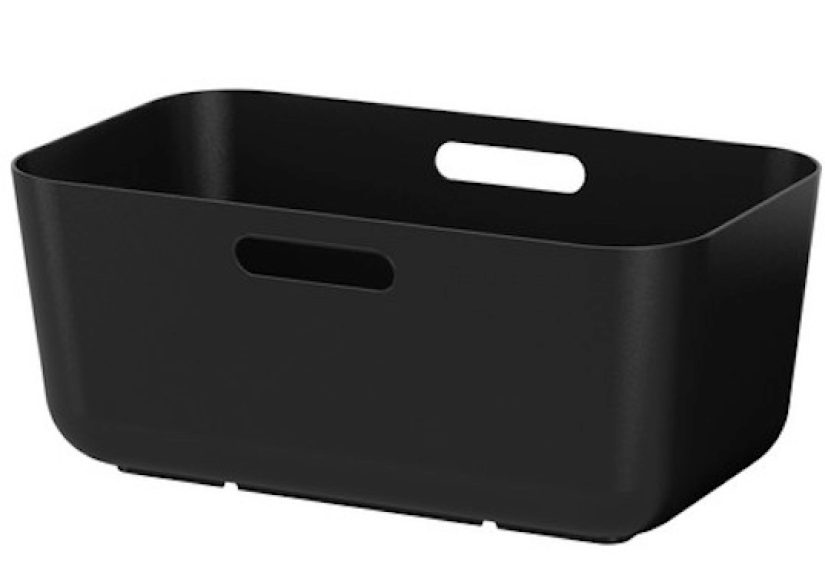
The Boholmen Rinsing Tub is one of those kitchen accessories that looks almost too simple to deserve attentionuntil you actually use it. Then suddenly, your sink feels less like a chaotic splash zone and more like a tiny, well-managed dishwashing command center. Originally associated with IKEA’s BOHOLMEN sink system, this compact rinsing tub was designed to make washing dishes easier in kitchens with a single sink bowl. In plain English: it gives you a “second basin” without forcing you to remodel your kitchen, argue with a contractor, or stare at countertop samples until your soul leaves your body.
Small kitchens, apartment kitchens, laundry sinks, RV setups, and minimalist homes all share one common problem: the sink has to do too many jobs. It rinses vegetables, soaks pans, catches coffee mugs, hides one suspicious spoon nobody wants to claim, and occasionally becomes a temporary aquarium for lettuce. A rinsing tub solves that by creating separation. You can soak dishes on one side, rinse produce in another area, or keep delicate items away from the metal sink surface.
The BOHOLMEN rinsing tub became popular because it was practical, lightweight, inexpensive, and visually clean. Its black plastic design made it look sharper than the average washing-up bowl, while its rectangular shape fit neatly into compatible BOHOLMEN sinks. Even today, people search for it because it represents a smart idea: a low-cost kitchen tool that saves water, protects dishes, and makes a one-bowl sink far more useful.
What Is the Boholmen Rinsing Tub?
The Boholmen Rinsing Tub is a removable sink insert designed for washing, rinsing, soaking, and organizing tasks at the kitchen sink. According to archived IKEA product information, the tub measured approximately 40 cm long, 23 cm wide, and 17 cm high. That makes it compact enough to sit inside a sink bowl, yet deep enough to hold water for soaking plates, cups, utensils, or small cookware.
Its main purpose was simple: make washing-up easier if you only have one single sink bowl. That may sound modest, but anyone who has washed dishes in a single-basin sink knows the struggle. Where do clean dishes go while dirty dishes are soaking? Where do you rinse the pasta strainer? How do you wash produce without letting it touch the sink surface? The rinsing tub gives you another working zone, which is basically kitchen luxury disguised as plastic.
It was also intended to fit the BOHOLMEN sink series, a line of stainless steel IKEA sinks known for compact dimensions and straightforward installation. Many BOHOLMEN sinks were designed for small cabinet frames and tight spaces, so the matching accessories followed the same logic: make the most out of limited sink real estate.
Why the Boholmen Rinsing Tub Still Gets Attention
Some kitchen products disappear and nobody notices. Others quietly become “that one useful thing I wish I had bought two of.” The Boholmen Rinsing Tub falls into the second category. Even though it may not always be easy to find new through IKEA in the United States, it still appears in discussions, resale listings, older design blogs, and kitchen organization guides because the concept remains genuinely useful.
It Helps Single-Bowl Sinks Work Like Double Sinks
A double sink lets you wash on one side and rinse on the other. A single sink asks you to improvise like a contestant on a low-budget cooking show. The Boholmen Rinsing Tub adds a removable basin, letting you soak dishes while keeping part of the sink open. This is especially helpful in apartments, studios, small homes, guest houses, and laundry rooms.
It Can Save Water
Instead of filling an entire sink with hot soapy water, you can fill only the tub. That smaller volume can reduce water use during handwashing, especially when cleaning just a few items. It is not magic, and it will not turn your water bill into a haiku, but it can make everyday dishwashing more efficient.
It Protects Delicate Dishes
Stainless steel sinks are durable, but they are not exactly gentle. A plastic rinsing tub creates a softer landing spot for glasses, mugs, baby bottles, ceramic bowls, and other items that can chip or crack when dropped into a hard sink basin. If your favorite coffee mug has emotional value far beyond its actual price, a rinsing tub is cheap insurance.
It Keeps Food Prep Cleaner
Food-safety guidance from U.S. agencies recommends cleaning sink areas regularly because kitchen sinks can collect germs from raw foods, dishes, and general household use. A removable rinsing tub can help create a cleaner zone for produce rinsing or temporary holding, provided the tub itself is cleaned properly after use. The tub should never replace good hygiene, but it can support a better kitchen workflow.
Best Uses for the Boholmen Rinsing Tub
The beauty of the Boholmen Rinsing Tub is that it does not require an instruction manual thick enough to stun a raccoon. Put it in the sink, use it, clean it, repeat. Still, there are several smart ways to make the most of it.
1. Washing Dishes by Hand
This is the classic use. Fill the tub with warm water and dish soap, wash plates and utensils inside it, then rinse items under running water in the open part of the sink. This setup is particularly useful if you do not have a dishwasher or if you only need to wash a small load.
2. Soaking Pots and Pans
For small pans, baking tools, or utensils with dried food, the rinsing tub works well as a soaking station. Instead of filling the whole sink, soak only what needs attention. Let the stuck-on oatmeal rethink its life choices for a few minutes, then scrub.
3. Rinsing Fruits and Vegetables
The tub can help hold produce before rinsing, though fruits and vegetables should be washed under cool running water rather than soaked for long periods. For leafy greens, herbs, potatoes, apples, and berries, the tub is helpful for sorting, trimming, and staging produce before final rinsing in a colander.
4. Creating a Temporary Utility Basin
Need to handwash a small cloth, rinse paintbrushes, soak reusable straws, or clean pet bowls separately? A rinsing tub gives you flexibility. Just avoid mixing food-prep use with messy household tasks unless you clean and sanitize the tub thoroughly afterward.
5. Camping, RV, and Outdoor Kitchen Use
A lightweight rinsing tub can be useful outside the traditional kitchen. It can serve as a portable dishwashing basin for camping, backyard cooking, RV travel, gardening cleanup, or patio entertaining. A tub like this earns its keep when the nearest sink is either too small, too far away, or already full of someone’s abandoned lemonade pitcher.
Boholmen Rinsing Tub Dimensions and Compatibility
Archived product information lists the Boholmen Rinsing Tub at about 40 cm x 23 cm x 17 cm. These proportions made it suitable for BOHOLMEN sink bowls and similar compact sinks. However, if you are buying one secondhand or choosing an alternative, always measure your sink before purchasing.
Measure the inside length, width, and depth of your sink bowl. Then leave a little clearance so the tub can sit flat and be lifted out easily. A tub that technically fits but jams into the sink like a puzzle piece from another planet will quickly become annoying.
If you own a BOHOLMEN sink, compatibility is more likely, but it is still smart to check your exact sink model. IKEA sink lines have changed over time, and accessories are often replaced by newer series such as over-the-sink colanders, roll-up dish racks, sink inserts, and stainless steel strainers.
Boholmen Rinsing Tub vs. Colander vs. Dishpan
A rinsing tub, a colander, and a dishpan all live in the same kitchen-accessory neighborhood, but they do different jobs.
Rinsing Tub
A rinsing tub holds water. It is best for soaking, washing dishes, separating sink tasks, and creating a second basin inside a single sink.
Colander
A colander drains water. It is better for pasta, vegetables, salad greens, berries, and foods that need rinsing under running water. IKEA and other retailers now offer over-the-sink colanders that hang across the sink edges, leaving both hands free.
Dishpan
A dishpan is usually a larger general-purpose basin. It may not fit as neatly into a specific sink system, but it can be useful for big loads, laundry tasks, and portable washing.
The Boholmen Rinsing Tub sits somewhere between a specialized sink accessory and a classic dishpan. Its appeal comes from being sized and shaped for sink use rather than being just another random plastic bin from the storage aisle.
How to Clean and Maintain a Boholmen Rinsing Tub
Because the rinsing tub regularly touches dishes, food residue, soap, and sink water, cleaning it matters. A tub that looks clean can still develop film, odors, or buildup if ignored. Fortunately, maintenance is simple.
Daily Cleaning
After use, empty the tub, rinse it with warm water, and wipe it with a soft cloth or sponge and mild dish soap. IKEA’s archived care guidance for the product recommended wiping it clean with a damp cloth and mild cleaner. Avoid harsh abrasives that can scratch plastic and create tiny grooves where grime likes to rent space.
Deep Cleaning
For occasional deeper cleaning, wash the tub with hot, soapy water and rinse thoroughly. If odors remain, let it air out completely. Drying is important because trapped moisture encourages musty smells. Store it upright or tilted so water does not pool inside.
Food-Safety Reminder
If the tub has been used around raw meat, poultry, seafood, or dirty produce, clean and sanitize it before using it again for dishes or fresh foods. U.S. food-safety guidance emphasizes washing kitchen surfaces and utensils with hot, soapy water after food prep and keeping sink areas clean.
Pros and Cons of the Boholmen Rinsing Tub
Pros
The Boholmen Rinsing Tub is compact, affordable, lightweight, and easy to use. It is especially valuable in homes with single-basin sinks. It can reduce the amount of water needed for small dishwashing sessions, protect fragile items, and make sink organization less chaotic.
Cons
The biggest downside is availability. Since the BOHOLMEN line has changed over time, finding the exact rinsing tub may require checking resale marketplaces, local listings, or older IKEA stock. Another drawback is that plastic tubs can stain, scratch, or absorb odors if not cleaned properly. Finally, it is not a true replacement for a colander when draining hot pasta or rinsing produce under running water.
Buying Tips: What to Look for Today
If you are searching for a Boholmen Rinsing Tub today, start with the exact product name and approximate dimensions. Look for listings that show clear photos, measurements, condition, and whether the tub has cracks or stains. If buying secondhand, ask whether it has been used for food, cleaning chemicals, laundry, or outdoor tasks.
If you cannot find the original Boholmen model, look for a rectangular washing-up bowl or sink basin insert with similar proportions. A good alternative should be durable, easy to clean, deep enough for soaking, and small enough to fit your sink without blocking the drain completely.
For a more modern setup, consider pairing a washing-up bowl with an over-the-sink colander or roll-up drying rack. This gives you the best of both worlds: a basin for soaking and a draining surface for rinsing or drying.
Practical Experiences With the Boholmen Rinsing Tub
Using a Boholmen Rinsing Tub feels like discovering an extra drawer in a tiny kitchen. It does not change the size of the room, but it changes how the room behaves. The first thing most people notice is how much easier it becomes to manage handwashing. Instead of filling a full sink, you can fill the tub halfway, wash a few bowls, rinse them in the open sink area, and be finished before the dishwasher people have finished giving speeches about convenience.
In a small apartment kitchen, the tub is especially useful after breakfast. A couple of mugs, a cereal bowl, a spoon, and a small pan do not need a dramatic dishwashing production. The tub creates a compact wash zone. It also keeps utensils from disappearing into the sink drain area like tiny stainless steel submarines.
For cooking, the experience is equally practical. Imagine preparing a salad. You can place lettuce, cucumbers, herbs, or carrots in the tub while trimming and sorting. Then you rinse them properly under running water using a colander. The tub becomes a staging area, keeping produce away from random sink residue. It is not glamorous, but neither is chasing cilantro around a wet countertop.
Another underrated experience is soaking. A small baking dish with sauce stuck to the corners can sit in the tub while the rest of the sink remains usable. That means you can still rinse your hands, wash a knife, or fill a kettle without negotiating with a pan that has decided to become part of the plumbing.
The tub also helps when washing delicate items. Thin glasses, ceramic cups, baby bottles, and reusable containers feel safer in a plastic basin than directly against stainless steel. The soft surface reduces clanking and gives you a little more confidence, especially when your hands are slippery with soap and your attention is divided between dinner, a timer, and someone asking where the napkins are.
There is also a psychological benefit. A sink with a tub inside looks more organized. Dirty dishes gathered in one basin feel less overwhelming than dishes scattered across the sink like evidence from a snack crime scene. It creates boundaries, and boundaries are wonderfuleven for forks.
Of course, the tub is not perfect. If you forget to empty it, it can become a sad little lagoon of cold water and floating crumbs. If you use it for everything without cleaning it, it can develop stains or odors. The best habit is simple: use it, rinse it, wash it, and let it dry. Treated well, a rinsing tub becomes one of those humble tools you reach for constantly without thinking.
Overall, the Boholmen Rinsing Tub is valuable because it solves ordinary problems gracefully. It is not a smart appliance, it does not connect to Wi-Fi, and it will not send your phone a notification saying, “Your spoons are ready.” It simply makes the sink easier to use. In many kitchens, that is more useful than half the gadgets in the drawer.
Conclusion
The Boholmen Rinsing Tub proves that good kitchen design does not always need to be expensive, complicated, or shiny enough to blind guests. Sometimes, the most helpful tool is a simple removable basin that makes a single-bowl sink behave like a more flexible workspace. It helps with dishwashing, soaking, produce prep, delicate items, and everyday sink organization.
Whether you are hunting for the original IKEA Boholmen model or searching for a modern alternative, focus on fit, durability, easy cleaning, and practical use. A good rinsing tub should make your kitchen routine smoothernot become another awkward plastic object lurking under the sink. When used and cleaned properly, it can save water, reduce clutter, and make small kitchens feel much more capable.
In short, the Boholmen Rinsing Tub is a small accessory with a surprisingly big job. It is the kitchen equivalent of a reliable friend who shows up with sleeves rolled up, says “I got this,” and then quietly makes everything less annoying.