Table of Contents >> Show >> Hide
- Quick Table of Contents
- Quick Breads: The “No Yeast, No Waiting” Breakfast Heroes
- Biscuits & Scones: Flaky on Purpose
- Yeasted Rolls: Make-Ahead Breakfast Magic
- Laminated Pastries: When You Want Flaky Layers (and Compliments)
- Griddle Bread: Homemade English Muffins (Nooks & Crannies Included)
- Pro Tips for Better Breakfast Bread & Pastry Recipes
- Conclusion: Build Your Breakfast Baking Rotation
- Extra 500+ Words: The “Experience” of Making Breakfast Bread & Pastries
- SEO Tags (JSON)
Breakfast is basically the only meal that comes with built-in forgiveness. You can eat something sweet at 8 a.m. and call it “energy.”
You can eat something buttery at 9 a.m. and call it “self-care.” And if you bake bread or pastry? Congratulationsyou’ve upgraded
from “person with a morning” to “person with a vibe.”
This guide rounds up the most craveable breakfast bread & pastry recipesfrom quick breads you can mix before your coffee
finishes brewing to laminated pastries that make people assume you own a tiny bakery (you don’t have to correct them).
Each section includes techniques, smart shortcuts, and options for make-ahead breakfastsbecause sometimes the best ingredient is
“I did this yesterday.”
Quick Table of Contents
- Quick Breads: Muffins, Banana Bread, Coffee Cake
- Biscuits & Scones: Flaky, Fast, and Proud
- Yeasted Rolls: Cinnamon Rolls & Soft Breakfast Buns
- Laminated Pastries: Morning Buns, Danish, Kouign-Amann-ish
- Griddle Bread: Homemade English Muffins
- Pro Tips for Better Breakfast Baking
- Kitchen “Experience” Section (Extra 500+ Words)
- SEO Tags (JSON)
Quick Breads: The “No Yeast, No Waiting” Breakfast Heroes
Quick breads and simple pastries are the reason weekend mornings still feel possible. They rely on baking powder/soda (not yeast),
which means you get warm, bakery-style results without a three-hour relationship status update with your dough.
The secret to tender quick breads is almost always the same: mix gently. Lumpy batter is not a flawit’s a feature.
1) Classic Banana Bread (Moist, Bold Banana Flavor, Not “Sweet Brown Loaf”)
The best banana bread starts before you even touch a bowl: let your bananas get deeply speckled (borderline dramatic). The riper they are,
the sweeter and more aromatic your loaf becomes. If you want a bakery-style texture, add a creamy dairy element (like sour cream or yogurt)
to keep the crumb soft for days.
Ingredients (1 loaf)
- 3 very ripe bananas, mashed
- 1/2 cup melted butter (or neutral oil for extra softness)
- 3/4 cup brown sugar (or 1/2 cup if you like it less sweet)
- 2 eggs
- 1/4 cup sour cream or plain yogurt (optional but highly recommended)
- 1 1/2 cups all-purpose flour
- 1 tsp baking soda
- 1/2 tsp kosher salt
- 1 tsp cinnamon (optional)
- 1/2 cup chopped walnuts or chocolate chips (optional)
Method
- Heat oven to 350°F. Grease a 9×5 loaf pan and line with parchment if you love easy removal.
- Whisk mashed bananas, melted butter, and brown sugar. Add eggs and sour cream/yogurt.
- Sprinkle flour, baking soda, salt (and cinnamon) over the wet mixture. Fold gently until no dry streaks remain.
- Fold in nuts or chips. Bake 50–65 minutes, until a tester comes out mostly clean (a few moist crumbs are perfect).
- Cool 10–15 minutes in the pan, then lift out and cool fully before slicing (hardest step, emotionally).
Upgrade idea: Swirl in peanut butter, or add a crumble topping (flour + brown sugar + butter) for a “banana bread meets coffee cake” moment.
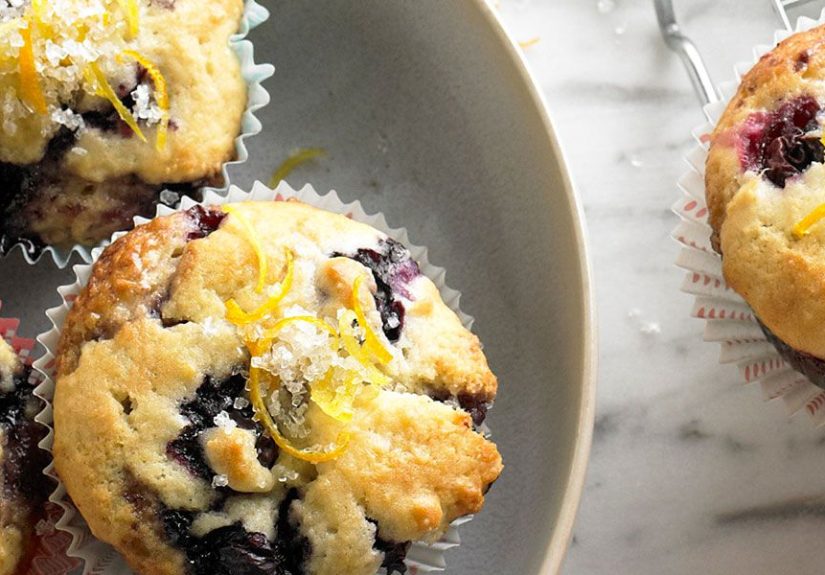
2) Blueberry Streusel Muffins (Coffee Cake’s Portable Cousin)
Muffins are the commuter train of breakfast baking: efficient, reliable, and surprisingly comforting. For a tender crumb,
use a tangy dairy (buttermilk, sour cream, or yogurt), and keep mixing minimal. For blueberry muffins that don’t turn gray-blue,
toss the berries lightly in flour before folding them into the batter.
Ingredients (12 muffins)
- 2 cups all-purpose flour
- 3/4 cup sugar
- 2 tsp baking powder
- 1/2 tsp kosher salt
- 2 eggs
- 1 cup sour cream (or 3/4 cup sour cream + 1/4 cup milk)
- 1/2 cup melted butter
- 1 1/2 cups blueberries (fresh or frozen; if frozen, keep them frozen)
Streusel Topping
- 1/3 cup flour
- 1/3 cup brown sugar
- 1/2 tsp cinnamon
- 3 tbsp cold butter, rubbed into crumbs
Method
- Heat oven to 400°F. Line a muffin tin.
- Mix dry ingredients in a bowl. In another bowl, whisk eggs, sour cream, and melted butter.
- Combine wet into dry with a few gentle folds. Toss blueberries with 1 tbsp flour, then fold in.
- Spoon into cups (nearly full for tall tops). Add streusel. Bake 18–22 minutes.
Serving move: Split one warm, add salted butter, and pretend you’re at a fancy brunch where nobody asks you to do dishes.
3) Sour Cream Streusel Coffee Cake (The Crowd-Pleasing Brunch Insurance Policy)
Coffee cake is what you bake when you want to impress without entering laminated-dough territory. It’s tender, slices cleanly,
and tastes even better the next day. Sour cream adds richness and a subtle tang that keeps the cake from being one-note sweet.
Layer the streusel in the middle and on top for maximum “Oh wow, you made this?” energy.
Simple Formula
- Butter-sugar base (creamed or melted-butter method)
- Sour cream for moisture
- Cinnamon streusel ribbon for drama
Method (overview)
- Make streusel: flour + brown sugar + cinnamon + butter (crumbly). Add pecans if you’re feeling fancy.
- Mix batter; avoid overmixing after flour is added.
- Spread half the batter in a pan, add half the streusel, repeat, then top with remaining streusel.
- Bake at 350°F until a tester comes out clean and the center springs back.
Biscuits & Scones: Flaky on Purpose
Biscuits and scones live in the same neighborhood: flour, cold fat, and a “touch it less than you think” attitude.
The cold butter creates steam as it bakes, which helps form layers. Translation: keep things chilly and don’t overwork the dough,
unless you’re specifically trying to create a breakfast hockey puck.
4) Super-Flaky Buttermilk Biscuits (With Layering Without the Stress)
For tall, flaky biscuits, combine cold butter with flour, add a tangy dairy (buttermilk is classic), then do a few quick folds
to create layers. A bonus trick: add a spoonful of sour cream or yogurt for tenderness. Bake them close together so they rise up,
not out.
Ingredients (8–10 biscuits)
- 2 1/2 cups all-purpose flour
- 1 tbsp baking powder
- 1/2 tsp baking soda
- 1 tsp kosher salt
- 8 tbsp cold butter, cubed
- 3/4 cup cold buttermilk (plus a splash more if needed)
- 1/4 cup sour cream or plain yogurt (optional but excellent)
Method
- Heat oven to 425°F. Chill your bowl if your kitchen runs warm.
- Mix dry ingredients. Cut in cold butter until you have pea-sized pieces plus some sandy bits.
- Stir in buttermilk (and sour cream/yogurt). Mix until just combinedshaggy is good.
- Turn out, gently press into a rectangle, fold into thirds. Repeat 2–3 times (quickly).
- Cut straight down (don’t twist). Bake 12–16 minutes until tall and golden.
Flavor routes: Add cheddar + chives for savory breakfast biscuits, or brush with honey butter for sweet-and-salty bliss.
5) Classic American Scones (Pick Your Own Adventure: Sweet or Savory)
Want craggy, layered scones? Use cold butter. Want softer, cake-y scones? Heavy cream gets you there fast.
The “best” version depends on what you want at 9 a.m.: flaky layers or tender plushness. Either way, scones are incredibly flexible:
chocolate chips, dried fruit, lemon zest, toasted nuts, even bacon-cheddar if you’re bold (and hungry).
Base Ingredients
- 2 3/4 cups flour
- 1/3 cup sugar (skip or reduce for savory)
- 1 tbsp baking powder
- 3/4 tsp salt
- 8 tbsp cold butter or 1 cup heavy cream (choose your texture)
- 2 eggs (or 1 egg + extra cream for tenderness)
- Vanilla or citrus zest (optional)
- Add-ins: fruit, chips, nuts, herbs, cheese
Method (cold-butter style)
- Cut cold butter into dry ingredients. Add wet ingredients and mix just until dough holds together.
- Pat into a disk, cut into wedges, chill 15 minutes (your future flakiness will thank you).
- Bake at 400°F until golden. Glaze if sweet, or brush with butter if savory.
Make-ahead tip: Freeze unbaked scones and bake from frozen. Add a few minutes to bake time and enjoy “fresh bakery smell” on demand.
Yeasted Rolls: Make-Ahead Breakfast Magic
Yeast breads sound intimidating until you realize most of the process is waiting. The dough does its thing, you do yours.
The best breakfast breads here are designed for the real world: you can prep the night before, refrigerate, and bake in the morning
like a domestic wizard.
6) Overnight Cinnamon Rolls (Because 6 a.m. Is Not a Personality)
Overnight cinnamon rolls are the ultimate breakfast flex: warm, fluffy, and not rushed. The method is simple:
make the dough, let it rise, shape the rolls, then refrigerate for the final rise. In the morning, bake and frost.
The fridge slows the yeast so the rolls don’t overproof while you sleep.
Key Steps
- Dough: Enriched with milk, butter, and eggs for softness.
- Rise #1: Let dough double at room temp.
- Shape: Roll out, spread butter + cinnamon sugar, roll up, slice.
- Overnight proof: Cover tightly and refrigerate.
- Bake: Straight from the fridge or after a short rest if your kitchen is cold.
- Frost: Cream cheese frosting is classic; vanilla glaze is faster.
Pro move: Add a pinch of salt to the filling and frosting. Salt doesn’t just “balance flavors”it makes cinnamon taste like cinnamon again.
7) Soft Breakfast Buns (Milk-Bread Style, Pillow-Soft)
If your dream breakfast is “soft enough to squish, sturdy enough to hold a swipe of jam,” go for a milk-bread-style dough.
It’s enriched and often uses a simple pre-cooked flour paste (sometimes called tangzhong) to hold moisture and keep buns soft longer.
You can shape these as simple rounds, fill them with cinnamon sugar, or twist them into knots for that bakery-case look.
Flavor Ideas
- Brown sugar + cinnamon + butter (the classic)
- Orange zest + cardamom + vanilla (warm and fancy)
- Maple + toasted pecans (breakfast dessert, but quietly)
- Savory: scallion + sesame + flaky salt
Laminated Pastries: When You Want Flaky Layers (and Compliments)
Laminated dough is the “fold butter into dough repeatedly” method behind croissants, morning buns, and a lot of bakery daydreams.
Here’s the truth: it’s not hard in a mysterious wayit’s hard in a “be patient and keep it cold” way.
If you can fold a letter, you can laminate. If you can resist rushing, you can bake incredible pastries.
8) Citrus Morning Buns (Flaky, Sugary, Not Shy)
Morning buns are croissant dough’s slightly wilder cousin: rolled up with citrusy sugar, baked in a muffin tin,
and finished so they’re glossy and caramelized around the edges. Orange zest + cinnamon is iconic; cardamom makes it taste like
a trendy bakery without the $7 price tag.
Shortcut Strategy
- Do the dough and lamination the day before.
- Shape in the evening, refrigerate briefly, and bake in the morning.
- Use sanding sugar or a generous coating of regular sugar for crunch.
9) “Danish” for Real Life (Store-Bought Puff Pastry, Homemade Vibes)
If laminated dough sounds like a big weekend project, store-bought puff pastry exists to keep you happy.
The key is handling it cold: thaw in the fridge, not on the counter, and work fast. Fillings can be as simple as
cream cheese + jam, or as fancy as lemon curd + berries.
Quick Method
- Thaw puff pastry in the fridge. Heat oven to 400°F.
- Cut into squares. Add a spoon of sweetened cream cheese and a dab of jam or fruit.
- Fold corners or leave open. Brush with egg wash. Bake until deeply puffed and golden.
- Finish with powdered sugar or a quick glaze.
10) Kouign-Amann-ish Pastries (Caramelized Sugar Layers)
Kouign-amann is famous for a crackly, caramelized exterior and buttery layers inside. The signature move is
laminating sugar into the folds so it melts and caramelizes while baking. You can go full traditional,
or take the “inspired by” route: laminated dough + sugar folds + muffin tin = a glorious, sticky-crisp pastry situation.
Important reality check: Sugar caramelizes fast. Use a muffin tin (or a well-buttered pan), and don’t walk away
this is not the time to start a new streaming series.
Griddle Bread: Homemade English Muffins (Nooks & Crannies Included)
English muffins are a breakfast bread you cook on a griddle (or skillet), not in the ovenat least at first.
That’s how you get those iconic nooks and crannies. The key trick: split with a fork, not a knife,
so the interior tears into little pockets that grab butter like it’s their job (it is).
11) Skillet English Muffins (Worth It for the First Fork-Split Alone)
Ingredients (8–10 muffins)
- 1 cup warm milk
- 2 tsp yeast
- 2 tbsp sugar
- 2 tbsp melted butter
- 2 3/4 cups flour (plus more as needed)
- 1 tsp salt
- Cornmeal for dusting
Method
- Mix milk, yeast, and sugar; let it get foamy. Stir in butter, flour, and salt.
- Knead briefly until smooth-ish. Let rise until doubled.
- Pat dough out and cut rounds. Dust with cornmeal. Rest 20–30 minutes.
- Cook on a lightly greased skillet on low-medium heat, 5–7 minutes per side.
- Optional: finish 5 minutes in a 350°F oven if you want extra insurance they’re cooked through.
Pro Tips for Better Breakfast Bread & Pastry Recipes
Keep Cold Things Cold (Butter Is a Layering Machine)
For scones, biscuits, and laminated pastries, cold butter is non-negotiable. When cold butter hits a hot oven,
water in the butter turns to steam and creates lift. If the butter melts too early, your layers disappear and you get “sadly flat.”
Don’t Overmix Quick Breads
Muffins and banana bread are at their best when the batter is mixed only until combined. Overmixing develops gluten,
which turns tender breakfast baking into chewy disappointment. If your batter looks a little lumpy, you’re doing it right.
Use Make-Ahead Techniques Like a Grown-Up
- Freeze unbaked scones: bake from frozen for instant “fresh” results.
- Overnight cinnamon rolls: shape and chill for a stress-free morning bake.
- Streusel everything: keep extra streusel in the freezer; future-you will feel deeply supported.
Pick the Right Recipe for Your Morning Mood
- Need fast: muffins, banana bread, coffee cake
- Want savory: biscuits, cheddar scones, English muffins
- Want to impress: morning buns, Danish, kouign-amann-inspired pastries
- Want cozy: cinnamon rolls and soft breakfast buns
Conclusion: Build Your Breakfast Baking Rotation
The best breakfast bread & pastry recipes aren’t necessarily the fanciestthey’re the ones that fit your schedule
and make your morning feel a little more human. Start with quick breads for instant wins. Add biscuits and scones for flaky confidence.
When you’re ready, graduate to overnight rolls and laminated pastries for the kind of breakfast that makes people linger at the table.
And remember: if something comes out a little uneven, that’s not a failureit’s “rustic.” Lean into it. Rustic tastes delicious.
Extra 500+ Words: The “Experience” of Making Breakfast Bread & Pastries
There’s a particular kind of optimism that shows up when you decide to bake for breakfast. It usually arrives the night before, when you’re
scrolling recipes like a responsible adult who absolutely will wake up early and knead dough with joy. In that moment, you are unstoppable.
You are the kind of person who owns a rolling pin on purpose.
Then morning happens. And this is where breakfast baking gets realin the best way. Quick breads are the “good friend” of the baking world:
they don’t ask many questions. Banana bread? Mash bananas, stir, bake, and suddenly your kitchen smells like you have your life together.
Muffins? You’re basically five minutes away from something that looks like it came from a café, especially if you add streusel.
Streusel is the glitter of baking: unnecessary, technically, but emotionally essential.
Biscuits and scones are where you start noticing the small, satisfying rituals. The cold butter part feels dramatic at first
like you need to work in a walk-in fridge while wearing a chef coat. But then you realize it’s simple: cold butter, fast hands,
and the confidence to stop mixing before it looks “perfect.” The first time you pull tall biscuits from the oven and see the layers,
you’ll want to hold one up to the light like it’s a rare gem. (It is. It’s a butter gem.)
Yeasted dough introduces a different kind of experience: patience. There’s a weird comfort in it. The dough rises while you do other things,
and you start treating time like an ingredient. Overnight cinnamon rolls are especially satisfying because they turn tomorrow morning into a gift
from past-you. And past-you is clearly a hero, because waking up to proofed rolls ready to bake feels like cheating in the best possible way.
The frosting goes on warm rolls, melts slightly, and suddenly nobody in the house remembers any minor inconveniences from the week.
It’s hard to stay grumpy when cinnamon is happening.
Laminated pastriesmorning buns, Danish, kouign-amann-inspired treatsare a whole different vibe. This is “I’m doing a project” baking.
There’s rolling, folding, chilling, and the constant awareness that butter has opinions about temperature. But it’s also oddly calming:
fold, turn, roll, repeat. And when it works? The payoff is so loud you can practically hear it crackle. The first bite of a caramelized,
flaky pastry is not quiet. It’s a crunch, a melt, and an immediate “Oh. This is why bakeries exist.”
Homemade English muffins are their own little joy: you cook them on a skillet and watch the dough slowly puff, like it’s deciding to become
breakfast in real time. Then comes the fork-split momenttiny pockets everywhereand you realize why people get emotional about “nooks and crannies.”
Add butter, maybe a little jam, and it’s the simplest luxury.
The most consistent “experience” across all these recipes is the same: breakfast baking changes the pace of the morning.
Even if your pastry isn’t perfectly symmetrical, you still made something warm with your hands. The kitchen smells better.
The day starts softer. And if anyone asks why you’re doing all this effort, you can just say, “Because I deserve flaky layers,”
which is both true and an excellent life philosophy.