Table of Contents >> Show >> Hide
- What Is Bronchospasm?
- Why Bronchospasm Happens
- Common Causes of Bronchospasm
- Symptoms of Bronchospasm
- Bronchospasm vs. Asthma: Are They the Same?
- How Bronchospasm Is Diagnosed
- Conditions That Can Mimic Bronchospasm
- Who Is at Higher Risk?
- Practical Examples of Bronchospasm Triggers
- When to Talk With a Doctor
- Everyday Experiences With Bronchospasm: What It Can Feel Like
- Conclusion
Bronchospasm is one of those medical words that sounds like it belongs in a dramatic hospital scene, right before someone yells, “Get me a stethoscope!” In real life, it simply means the muscles around the airways suddenly tighten, making the breathing tubes narrower than they should be. When that happens, air has a harder time moving in and out of the lungs. The result can be wheezing, coughing, chest tightness, and the very unpleasant feeling that your lungs have decided to become a tiny, stubborn accordion.
Although bronchospasm is often linked with asthma, it can happen for several reasons, including respiratory infections, allergies, exercise, smoke exposure, chronic obstructive pulmonary disease, certain medications, and irritants in the air. Sometimes it is mild and passes quickly. Other times, it can be serious and needs prompt medical attention. Understanding the causes, symptoms, and diagnosis of bronchospasm can help you recognize warning signs early and know when to seek help.
This article explains bronchospasm in clear, everyday language while still giving you the in-depth details needed to understand what is happening inside the lungs. No medical degree required. Just bring your curiosity and, ideally, a pair of airways that are behaving themselves.
What Is Bronchospasm?
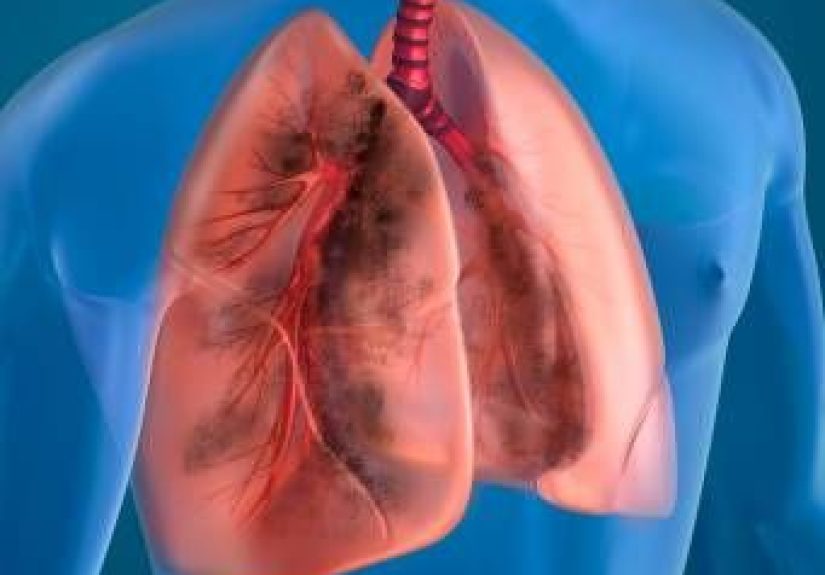
Bronchospasm occurs when the smooth muscles surrounding the bronchi and bronchioles tighten or contract. These airways are the tubes that carry air through the lungs. When the muscles squeeze, the airways become narrower. At the same time, the airway lining may become inflamed or swollen, and extra mucus may be produced. Together, these changes can make breathing feel difficult, noisy, or restricted.
The term is closely related to bronchoconstriction. Both describe airway narrowing, but bronchospasm specifically emphasizes the sudden tightening or “spasm” of the airway muscles. It is not a disease by itself. Instead, it is a response or symptom that can occur as part of another condition, such as asthma, bronchitis, COPD, allergic reactions, or exercise-induced bronchoconstriction.
Think of the airways like flexible garden hoses. When everything is normal, air flows easily. During bronchospasm, the hose gets squeezed, the inside lining becomes irritated, and mucus may partially clog the passage. Breathing through narrowed airways can feel like trying to sip a milkshake through a coffee stirrer. Technically possible, but nobody’s idea of a good time.
Why Bronchospasm Happens
The lungs are designed to protect themselves. When they detect something irritating, dangerous, or inflammatory, the airways may react by tightening. This reaction can be helpful in small doses because it may limit exposure to harmful particles. However, in people with sensitive or inflamed airways, the response can become exaggerated. Instead of a helpful defense system, it becomes a traffic jam in the breathing lanes.
Bronchospasm is especially common in people with airway hyperresponsiveness. This means the airways react strongly to triggers that might not bother someone else. A whiff of smoke, a cold-weather jog, a viral infection, or a dusty room may be enough to set off coughing, wheezing, and shortness of breath.
Common Causes of Bronchospasm
1. Asthma
Asthma is one of the most common conditions associated with bronchospasm. In asthma, the airways are chronically inflamed and more sensitive than usual. During an asthma flare-up, the airway muscles tighten, the lining swells, and mucus production increases. This can lead to coughing, wheezing, chest tightness, and trouble breathing.
Asthma triggers vary from person to person. One person may react to pollen, while another reacts to cold air, exercise, pet dander, dust mites, mold, strong smells, or viral infections. Some people have symptoms mostly at night. Others notice symptoms during workouts, allergy season, or after laughing hard. Yes, even laughter can trigger symptoms in some people, which feels deeply unfair.
2. Respiratory Infections
Colds, flu, bronchitis, COVID-19, and other respiratory infections can irritate the airways and trigger bronchospasm. When the body fights an infection, inflammation increases. The airways may become swollen, mucus may thicken, and coughing may become persistent. For people with asthma or COPD, even a mild cold can lead to a noticeable breathing flare-up.
Children are especially prone to wheezing with viral infections because their airways are smaller. Even a little swelling can make a big difference in airflow. Adults can also experience bronchospasm after infections, especially if they smoke, have allergies, or already have chronic lung disease.
3. Allergies
Allergic reactions can cause airway narrowing, especially in people with allergic asthma. Common allergens include pollen, mold spores, dust mites, pet dander, cockroach particles, and certain foods. When the immune system overreacts to an allergen, it releases chemicals that can inflame the airways and cause bronchospasm.
In severe allergic reactions, bronchospasm may occur along with hives, swelling, dizziness, vomiting, or a sudden drop in blood pressure. This can be a sign of anaphylaxis, a medical emergency that requires immediate care.
4. Exercise
Exercise-induced bronchoconstriction, often called EIB, happens when physical activity causes the airways to narrow during or after exercise. It can affect people with asthma, but it can also occur in people who do not have chronic asthma. Symptoms often begin during exercise or within several minutes after stopping.
Cold, dry air is a classic trigger. Activities such as running, hockey, cross-country skiing, or intense endurance sports may be more likely to cause symptoms. Swimming and walking may be easier for some people because the air is warmer or more humid, though triggers are personal. The goal is not to avoid movement forever. The goal is to identify patterns, get a proper diagnosis, and manage symptoms so exercise does not feel like a duel with your lungs.
5. Smoke, Pollution, and Airborne Irritants
Tobacco smoke, wildfire smoke, vaping aerosols, air pollution, strong perfumes, cleaning sprays, chemical fumes, and workplace dust can all irritate the airways. For sensitive lungs, these irritants may trigger bronchospasm quickly. Some people notice symptoms immediately after exposure, while others develop coughing or tightness later.
Occupational exposures are also important. Bakers may inhale flour dust, cleaners may inhale chemical sprays, factory workers may encounter fumes, and healthcare workers may be exposed to disinfectants. Repeated exposure can worsen airway sensitivity over time.
6. Chronic Obstructive Pulmonary Disease
COPD, which includes chronic bronchitis and emphysema, can involve airway narrowing, mucus production, and breathing difficulty. Bronchospasm may worsen symptoms during COPD flare-ups. People with COPD may experience chronic cough, shortness of breath, wheezing, and reduced exercise tolerance.
Because asthma and COPD can overlap, diagnosis sometimes requires lung function testing and a careful medical history. This is especially true in adults who smoke or previously smoked and have recurring wheezing or breathlessness.
7. Medications and Medical Procedures
Certain medications can trigger bronchospasm in some people. Examples may include aspirin or nonsteroidal anti-inflammatory drugs in people with aspirin-exacerbated respiratory disease, and beta-blockers in people with asthma or reactive airways. Bronchospasm can also occur during anesthesia or airway procedures, especially in people with poorly controlled asthma, respiratory infections, or airway irritation.
Never stop a prescribed medication without talking with a healthcare professional. If you suspect a medicine is affecting your breathing, contact your clinician promptly so they can review safer options.
Symptoms of Bronchospasm
Bronchospasm symptoms can range from mild to severe. They may appear suddenly or build gradually, depending on the trigger and the underlying condition.
Common Symptoms
- Wheezing, often heard as a whistling sound when breathing out
- Coughing, which may be dry or mucus-producing
- Shortness of breath
- Chest tightness, pressure, or a squeezing feeling
- Difficulty taking a deep breath
- Rapid breathing
- Fatigue after breathing harder than usual
- Symptoms that worsen with exercise, cold air, allergens, or infections
Wheezing is a classic sign, but not everyone with bronchospasm wheezes loudly. Some people mainly cough. Others feel chest tightness or breathlessness without obvious noise. In severe cases, wheezing may become quieter because too little air is moving. That is not improvement. That is a red flag.
Emergency Warning Signs
Seek urgent medical help if bronchospasm symptoms are severe, worsening quickly, or not improving with prescribed rescue medication. Emergency signs may include blue or gray lips or fingernails, severe difficulty breathing, trouble speaking in full sentences, confusion, extreme drowsiness, chest pain, fainting, or a peak flow reading in the danger zone if you use a peak flow meter.
Breathing problems should never be treated like a “wait and see” situation when symptoms are intense. Lungs are wonderful, but they are not fans of procrastination.
Bronchospasm vs. Asthma: Are They the Same?
Bronchospasm and asthma are related, but they are not the same thing. Bronchospasm is a physical event: the airway muscles tighten. Asthma is a chronic lung condition that can cause bronchospasm, inflammation, and mucus production. In other words, bronchospasm can be part of asthma, but bronchospasm can also happen outside of asthma.
For example, a person may experience bronchospasm during exercise, after inhaling smoke, during a severe allergic reaction, or while recovering from bronchitis. A diagnosis depends on the pattern of symptoms, triggers, lung function testing, medical history, and response to treatment.
How Bronchospasm Is Diagnosed
A healthcare professional diagnoses bronchospasm by combining symptoms, physical examination, medical history, and breathing tests. Because many conditions can cause wheezing or shortness of breath, diagnosis is not simply a matter of hearing a whistle and declaring, “Aha!” The clinician has to determine why the airways are narrowing.
Medical History
The first step is usually a detailed conversation. Your healthcare provider may ask when symptoms started, how often they happen, what triggers them, whether they occur at night, and whether they happen during exercise. They may also ask about allergies, asthma, COPD, smoking or vaping, workplace exposures, recent infections, medications, family history, and previous emergency visits.
Useful details include whether symptoms improve with an inhaler, whether coughing wakes you at night, whether cold air makes symptoms worse, and whether symptoms happen after exposure to pets, pollen, mold, smoke, or strong odors. A symptom diary can be surprisingly helpful. It is basically detective work, except the culprit might be your neighbor’s scented candle.
Physical Examination
During an exam, the provider may listen to your lungs with a stethoscope. Wheezing, prolonged exhalation, decreased breath sounds, or signs of increased work of breathing can suggest airway narrowing. They may also check oxygen levels with a pulse oximeter, look for signs of allergies, examine the nose and throat, and assess whether symptoms could be coming from the upper airway, heart, or another condition.
Spirometry
Spirometry is one of the most common lung function tests used to evaluate airway obstruction. During spirometry, you take a deep breath and blow forcefully into a machine. The test measures how much air you can exhale and how quickly you can exhale it.
Doctors may perform spirometry before and after giving a bronchodilator, a medication that helps open the airways. If lung function improves after the bronchodilator, it suggests reversible airway narrowing, which is commonly seen in asthma. Spirometry is especially useful for people with recurring symptoms, suspected asthma, COPD, or unclear breathing problems.
Peak Flow Testing
A peak flow meter is a small handheld device that measures how fast you can blow air out. It may be used at home to monitor asthma control or detect worsening airway narrowing. Lower-than-usual readings may signal that the lungs are not working as well as they should.
Peak flow testing does not replace a full medical evaluation, but it can help people track patterns over time. For someone with known asthma, a peak flow plan can provide clear steps for what to do when readings drop.
Bronchoprovocation or Exercise Challenge Testing
If symptoms suggest bronchospasm but spirometry is normal, doctors may recommend challenge testing. In a bronchoprovocation test, the airways are exposed to a controlled trigger, such as methacholine, to see whether they narrow more easily than expected. For suspected exercise-induced bronchoconstriction, exercise challenge testing may be used.
These tests are performed under medical supervision because they intentionally try to provoke airway narrowing. That is not something to recreate at home with a treadmill, cold air, and questionable confidence.
Allergy Testing
If allergies appear to trigger symptoms, allergy testing may help identify specific allergens. Testing may involve skin testing or blood tests. Knowing the trigger can guide prevention strategies, such as reducing dust mite exposure, managing mold, avoiding pet dander when necessary, or adjusting treatment during pollen season.
Additional Tests
Depending on the situation, a healthcare professional may order a chest X-ray, blood tests, oxygen level checks, FeNO testing for airway inflammation, or additional pulmonary function tests. These tests can help rule out pneumonia, heart problems, vocal cord dysfunction, foreign body aspiration, COPD, or other causes of wheezing and shortness of breath.
Conditions That Can Mimic Bronchospasm
Not every noisy breath is bronchospasm. Several conditions can cause similar symptoms, which is why accurate diagnosis matters. Vocal cord dysfunction can cause throat tightness, noisy breathing, and shortness of breath, often during exercise or stress. Pneumonia can cause cough, fever, chest discomfort, and breathing trouble. Heart failure can cause wheezing or breathlessness, especially when lying down. A foreign object in the airway can cause sudden wheezing, especially in children.
This is why self-diagnosis can be risky. If symptoms are new, severe, recurring, or confusing, a medical evaluation is the safest path.
Who Is at Higher Risk?
Anyone can experience bronchospasm, but risk is higher in people with asthma, COPD, allergies, a history of smoking or vaping, frequent respiratory infections, occupational exposures, or a family history of asthma or allergic disease. Children may be more vulnerable during viral infections because their airways are smaller. Athletes who train in cold, dry air or chlorinated environments may also be more likely to develop exercise-induced symptoms.
Practical Examples of Bronchospasm Triggers
Bronchospasm can show up in ordinary moments. Someone walks into a freshly painted room and suddenly starts coughing. A runner feels chest tightness five minutes after finishing a cold-weather jog. A child begins wheezing after a viral cold. An adult with allergies notices symptoms after cleaning a dusty closet. A person with asthma feels short of breath when wildfire smoke drifts into the neighborhood.
These examples show why trigger awareness is important. The goal is not to live inside a bubble. Bubbles are inconvenient and have terrible Wi-Fi. The goal is to identify patterns, reduce avoidable exposures, and work with a clinician on a prevention and treatment plan.
When to Talk With a Doctor
Make an appointment with a healthcare provider if you have recurring wheezing, unexplained shortness of breath, frequent coughing, chest tightness, symptoms that wake you at night, or breathing symptoms during exercise. You should also seek medical advice if you need a rescue inhaler more often than recommended, if symptoms are interfering with daily activities, or if you are unsure whether asthma, allergies, COPD, or another condition is involved.
Prompt diagnosis can prevent symptoms from becoming more frequent or severe. It can also help avoid unnecessary worry. Sometimes the most powerful medicine is knowing what is happening and having a clear plan.
Everyday Experiences With Bronchospasm: What It Can Feel Like
People often describe bronchospasm in vivid, practical ways. Some say it feels like a belt tightening around the chest. Others describe breathing through a straw, climbing stairs with a heavy backpack, or trying to inhale but never quite getting a satisfying breath. These descriptions matter because bronchospasm is not always obvious from the outside. A person may look calm while internally negotiating with their lungs like a hostage mediator.
One common experience is the “cold air surprise.” Someone steps outside on a chilly morning, takes a deep breath, and immediately feels a cough coming on. The air may feel sharp, dry, or irritating. Within minutes, the chest feels tight, breathing becomes louder, and the person may need to slow down or go indoors. This pattern is often reported by people with asthma or exercise-induced bronchoconstriction, especially when outdoor activity begins without a warm-up.
Another familiar scenario happens during respiratory infections. A person catches a cold and expects a few days of stuffy nose and mild coughing. Instead, the cough drops into the chest, wheezing appears, and simple activities like carrying laundry or walking upstairs feel harder than usual. The infection irritates the airways, and the airways respond by narrowing. For someone with sensitive lungs, the cough may linger long after the fever or sore throat is gone.
Allergy-related bronchospasm can feel sneaky. A person may visit a home with cats, clean a dusty room, or spend a spring afternoon near blooming trees. At first, symptoms may look like ordinary allergies: sneezing, itchy eyes, runny nose. Then the chest tightness begins. Breathing feels less open. A cough appears. This is one reason allergy and asthma symptoms often overlap, and why tracking exposures can be useful.
Exercise-related symptoms can be frustrating because they may make people think they are simply “out of shape.” While fitness level can affect breathing, bronchospasm has a different pattern. Symptoms may include coughing, wheezing, chest tightness, or shortness of breath that appears during exercise or shortly afterward. Some people notice they can start a workout comfortably but struggle after several minutes. Others feel worse after stopping. With proper diagnosis and guidance, many people with exercise-induced bronchoconstriction can stay active safely.
There is also an emotional side. Bronchospasm can be scary because breathing is not something most people want to think about. When it suddenly becomes difficult, anxiety can rise quickly. Unfortunately, anxiety can make breathing feel even harder, creating a loop that feels overwhelming. This does not mean symptoms are “all in your head.” It means the body and brain are both reacting to a stressful physical event. A clear action plan from a healthcare provider can make these episodes feel more manageable.
For caregivers, especially parents, bronchospasm can be alarming. Hearing a child wheeze at night or seeing them work harder to breathe can be frightening. Caregivers may notice nostril flaring, fast breathing, trouble speaking, or fatigue. These signs deserve attention. Children can worsen quickly, so it is important to follow medical advice and seek urgent care when breathing looks labored or symptoms are not improving.
The biggest lesson from real-life experiences is that bronchospasm has patterns. It often leaves clues: timing, triggers, sounds, activity level, weather, illness, allergies, or medication response. Writing these clues down can help a clinician make a more accurate diagnosis. Your lungs may not send formal emails, but they do send signals. Learning to read them is a major step toward better breathing.
Conclusion
Bronchospasm happens when the muscles around the airways tighten, making it harder for air to move through the lungs. It can cause wheezing, coughing, chest tightness, and shortness of breath. While asthma is a common cause, bronchospasm can also be triggered by infections, allergies, exercise, smoke, pollution, COPD, medications, or workplace irritants.
Diagnosis usually involves a careful medical history, physical exam, and lung function tests such as spirometry or peak flow measurement. In some cases, allergy testing, exercise challenge testing, imaging, or additional pulmonary function tests may be needed. Because breathing symptoms can have many causes, professional evaluation is important, especially when symptoms are new, recurring, severe, or worsening.
If you experience bronchospasm symptoms, do not ignore them or assume they are just part of being tired, stressed, or “bad at cardio.” Your airways may be trying to tell you something. The good news is that with proper diagnosis, trigger awareness, and medical guidance, bronchospasm can often be managed effectively.
Important note: This article is for general educational purposes only and is not a substitute for professional medical advice, diagnosis, or treatment. Seek emergency care for severe breathing difficulty, blue lips or fingernails, confusion, fainting, or symptoms that do not improve with prescribed rescue medication.