Table of Contents >> Show >> Hide
- Meet the Bunbuku Waste Basket
- From Office Standard to Design Icon
- Materials, Sizes, and Colors
- How the Bunbuku Fits Into Your Home
- Styling Tips: Bringing a Japanese Aesthetic Home
- Is the Bunbuku Waste Basket Worth the Price?
- Caring for Your Bunbuku Waste Basket
- Real-Life Experiences with the Bunbuku Waste Basket
- The Humble Icon Next to Your Desk
If you’ve ever looked at your trash can and thought, “You could be doing so much more with your life,” the Bunbuku Waste Basket is your kind of upgrade. This little Japanese icon is the design equivalent of a supporting actor who quietly steals every scene: simple, tapered, durable, and much more charming than anything meant to hold crumpled receipts has any right to be.
In this guide, we’ll dig into what makes the Bunbuku Waste Basket special, how it fits into modern interiors, why design lovers treat it like a miniature sculpture, and how it actually performs in everyday life. We’ll also wrap up with some real-world style ideas and experience-based tips so you can decide whether this understated bin deserves a starring role next to your desk, sofa, or bathroom sink.
Meet the Bunbuku Waste Basket
Bunbuku is a Japanese manufacturer that’s been working with metalware for over a century. The company started around 1918 producing household hardware like coal buckets, dustpans, and watering cans. Over time, they became known for their expertise in galvanized and tin-free sheet metal, evolving into a beloved brand for both home and office accessories in Japan and abroad.
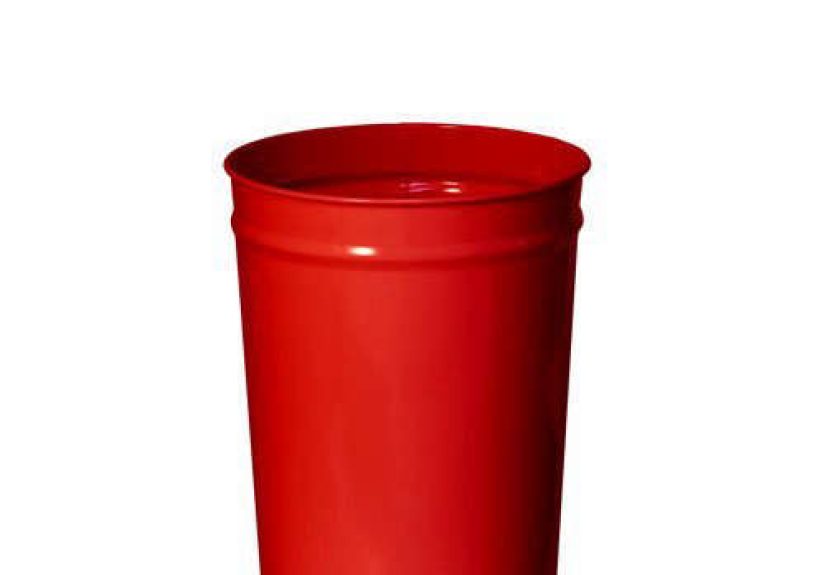
The Bunbuku Waste Basket itself is a tapered, open-top bin made from tin-free steel plate, finished with a durable enamel coating. At first glance, it’s just a cone-shaped metal wastebasket. Look closer, and its details quietly show off thoughtful Japanese industrial design:
- A gentle taper that makes it easy to tuck under desks or alongside furniture.
- A rolled or curved top lip that feels soft in the hand and keeps bags from snagging.
- Smooth seams and carefully joined plates to avoid sharp edges and pulled clothing.
- A stable base, often with a vinyl chloride ring or sash to protect floors and keep the basket from sliding around.
It’s the sort of object that doesn’t shout for attention, but the longer it sits in your space, the more you appreciate the way it’s built.
From Office Standard to Design Icon
The Bunbuku Waste Basket wasn’t originally created as a “design piece” for Instagram-ready living rooms. It gained popularity in Japan during the country’s high economic growth period in the 1960s, when neat rows of these tapered bins appeared in offices and schools. At the time, it was simply a practical, well-made trash can that did its job reliably day after day.
Fast forward several decades, and that same everyday object has become a global design favorite. Its timeless form and durability earned the Bunbuku Waste Basket Japan’s Good Design Long Life Design Award in 2015, an honor reserved for products that remain relevant and useful over many years. That’s a big deal for something whose entire purpose is to hold trash.
Today, you’ll spot Bunbuku bins in curated design shops, minimalist apartments, boutique hotels, and architectural offices. Retailers and design blogs often highlight it as an “object of desire” because it bridges the gap between utility and aesthetics so gracefully. It’s the “default mental image” people have of a trash canjust executed at a higher level.
Materials, Sizes, and Colors
Part of the Bunbuku Waste Basket’s appeal is how thoughtfully its materials and proportions are dialed in. While specific dimensions can vary slightly by model and retailer, the core elements are consistent.
Material and Construction
Most classic Bunbuku waste baskets are made from tin-free steel plate, finished with a baked-on enamel coating. This combination offers several benefits:
- Durability: Steel gives the bin a solid, weighty feel. It doesn’t flex or warp like thin plastic.
- Rust and fire resistance: The enamel coating and tin-free steel construction help resist corrosion and tolerate contact with hot items better than many plastic bins (though you should still be careful with anything actually burning).
- Refined surfaces: Instead of visible welds or rough joints, many models use a sealing or caulking process at the seams, then cover them with a single plate or smooth finish so you don’t feel sharp edges.
- Protected base: A recycled vinyl chloride ring or bottom sash often helps the bin stay put and saves your floors from scuffs.
Sizes You’ll Commonly See
Two main sizes show up often in US and international shops:
- Small / “1.9 gallon” size: Typically around 8.5–9 inches in diameter and about 10–11 inches tall. Great for bathrooms, bedrooms, or a compact home office.
- Large / “standard office” size: Often about 10.5–11 inches in diameter and 13–13.5 inches tall, with a capacity around 13 liters. This is the classic office or living room bin.
The tapered profile makes both sizes feel visually lighter than their volume suggests, so they don’t dominate small spaces.
Color Options
You’ll frequently see the Bunbuku Waste Basket in three core shades:
- Black: Bold and graphic, perfect for modern or monochrome interiors.
- Ivory or white: Soft and versatile, ideal for Scandinavian, Japanese, or airy minimalist spaces.
- Gray: A great neutral that plays nicely with wood tones, textiles, and other decor.
Some shops also offer special colors like red or more playful tones, but the core palette is intentionally basic. The idea is that the bin can slip into almost any room without competing with your furniture.
How the Bunbuku Fits Into Your Home
The Bunbuku Waste Basket may have started its life in offices and classrooms, but it’s surprisingly adaptable at home. Because the design is minimal and clean, the bin can sit out in the open instead of hiding under a desk or inside a cabinet.
In a Home Office
If you spend a lot of time at a desk, your trash can is one of your most-used “tools”even if you rarely think about it. The Bunbuku works especially well here because:
- The tapered shape makes it easy to slide between chair legs or table legs.
- The open top means quick, no-fuss tossing of paper, packaging, and snack wrappers.
- The steel body feels more permanent and grown-up than a flimsy plastic bin from the dollar aisle.
Place a black Bunbuku next to a simple wooden desk and you get that contrasted, architectural look: warm wood plus crisp metal. It’s a small detail that subtly upgrades the entire workspace.
In the Living Room
Most people try to hide trash cans in living rooms. The Bunbuku Waste Basket works the other way: it’s attractive enough to leave out. Near a sofa or reading chair, it becomes a quiet companion for snack packaging, magazines, and random receipts.
An ivory or gray bin in the corner of the room blends into the background while still looking deliberate. If your living room leans mid-century, Japanese, Scandinavian, or contemporary, this simple tapered form slides right in.
In the Bathroom or Bedroom
The smaller Bunbuku is perfect as a bathroom wastebasket. Its enamel finish wipes clean easily, and its compact size tucks neatly beside a vanity or under a wall-mounted sink. In a bedroom, especially a minimalist or guest room, an ivory or gray model can sit next to a nightstand without looking utilitarian or clunky.
In Kids’ or Creative Spaces
Because the bin is sturdy and stable, it also makes sense in kids’ rooms, art studios, and craft corners. It’s not fragile, it resists tipping, and it’s simple enough that it doesn’t distract from colorful art supplies or posters. Plus, teaching kids to respect well-made objectseven when they’re “just” trash cansis a nice bonus.
Styling Tips: Bringing a Japanese Aesthetic Home
Japanese design is often about balance: practical, beautiful, and quietly thoughtful. The Bunbuku Waste Basket fits these values perfectly, and you can use it as a small anchor point when styling your space.
- Pair with natural materials: Combine the enameled metal bin with wood furniture, woven baskets, and ceramics to mix textures.
- Use negative space: Don’t crowd the bin. Let it sit alone, slightly away from walls or furniture, so its simple silhouette can breathe.
- Stick to a restrained palette: Choose a Bunbuku color that echoes other accents in the roomblack with black frames, ivory with light linen curtains, gray with stone or concrete pieces.
- Double up in larger rooms: In a big studio or office, two matching Bunbuku bins on opposite sides of the space look intentional and balanced.
Ironically, the more you treat the wastebasket like a real decor element, the less it feels like a purely functional item. It becomes part of the calm order in the room.
Is the Bunbuku Waste Basket Worth the Price?
Compared with a generic plastic wastebasket, the Bunbuku costs more. Depending on the retailer, size, and country, you might see prices ranging roughly from the high $20s to $60 or more. That’s real money for something you’re literally filling with trash.
Here’s how to think about the value:
- Longevity: The bin is built to last years, not months. You’re paying for metalwork, enamel coating, and quality controlnot a disposable object.
- Daily enjoyment: You might interact with your trash can dozens of times a day. There’s a quiet satisfaction in using something that looks good and feels solid every single time.
- Design coherence: If you’ve invested in a nice desk, chair, and storage, an ugly bin in the corner becomes visual noise. The Bunbuku keeps the overall design language of the room consistent.
- Sustainability mindset: Buying one durable steel bin that you keep for years can be more sustainable than replacing cheap plastic ones that crack, stain, or look worn out quickly.
If you think of it like a small piece of furniture or a long-lasting tool rather than a disposable accessory, the price starts to make more sense.
Caring for Your Bunbuku Waste Basket
Good news: maintenance is low effort. Bunbuku designed these bins for real-world use in offices and homes.
- Cleaning: Wipe with a soft, damp cloth. For stickier messes, a mild soap solution is usually enough. Avoid harsh abrasives or metal scrubbers that can damage the enamel finish.
- Preventing rust: The enamel coating and tin-free steel plate are designed to resist rust, but don’t leave standing water inside. If you use it in a bathroom, an occasional dry wipe inside is a good habit.
- Protecting the finish: Don’t drop heavy, sharp objects into the empty bin from a height. That “clanging” moment can chip the coating if repeated aggressively.
- Using liners (or not): You can use slim trash bags or liners if you often throw away food packaging or messy items. For paper-only use in a home office, many people skip liners entirely, which makes the bin look cleaner and more sculptural.
Like most good design objects, the Bunbuku Waste Basket doesn’t demand special treatmentjust basic respect.
Real-Life Experiences with the Bunbuku Waste Basket
To bring things down from design theory to everyday life, let’s talk about what it actually feels like to live with a Bunbuku Waste Basket. These are the kinds of experiences people tend to share once the bin has been in their space for a while.
The Home Office Upgrade You Didn’t Expect
One common story: someone redoes their home officenew desk, adjustable chair, maybe a monitor armand then realizes their old, cracked plastic bin suddenly looks painfully out of place. They invest in a black or gray Bunbuku, slide it under the desk, and almost immediately notice how oddly “finished” the space feels.
The weight of the steel means the bin doesn’t tip over when you toss in a cardboard shipping envelope from across the room. The open top makes it easy to throw things away without pausing mid-task. Over time, they realize they never think about the trash can anymorewhich is exactly the point. It does its job so well that it disappears into the background, leaving the desk area organized and calm.
Minimalist Living Room, Maximum Calm
Another experience: a small apartment living room where every object needs to earn its place. The owner chooses a neutral ivory Bunbuku and tucks it near a plant and a low bookshelf. Instead of looking like a random plastic bin that wandered in from the office supply store, it reads as a deliberate part of the room’s visual rhythm.
Guests rarely notice it at first. When they do, it’s usually with a comment like, “Wait, why is your trash can nicer than my lamp?” That’s the Bunbuku effect: turning a non-glamorous category into something quietly satisfying.
Bathroom Practicality Without the Clutter
In a small bathroom, clutter is the enemy. The smaller Bunbuku size works well here because it keeps a tiny footprint but has enough capacity for tissues, cotton pads, and everyday packaging. You can place it beside a freestanding sink or in a corner without making the room feel tighter.
Because the bin is metal and enamel-coated, users often mention that it feels cleaner than woven baskets or textured plastic. A quick wipe with a damp cloth and it looks almost new again. That clean, smooth surface helps the entire bathroom feel fresher with minimal effort.
Creative Studio Companion
Designers, illustrators, and crafters also tend to appreciate the Bunbuku. When you spend hours sketching, cutting, or prototyping, the trash can fills up fast. The wide mouth and stable base make it easy to sweep in scraps, paper, and packaging without the bin sliding around.
In these spaces, the bin often picks up minor scuffs and marks over timebut instead of looking ruined, it starts to feel like part of the studio’s story. That patina can be oddly satisfying, especially compared with brittle plastic that just looks worn out.
The Long-Term Relationship
The most telling experience is what people say after having a Bunbuku Waste Basket for years. The feedback is rarely dramaticno one claims it changed their life. Instead, they talk about how it’s still there, still working, still looking good, after several moves and countless trash cycles.
That’s the magic: you forget how many times a day you interact with a trash can until you replace a flimsy, frustrating one with something well-made. The Bunbuku doesn’t make your coffee taste better or your deadlines disappear. But it quietly supports your routines, adds a touch of Japanese design logic to your space, and proves that even the most boring objects can be a little bit delightful.
The Humble Icon Next to Your Desk
At the end of the day, the Bunbuku Waste Basket is still… a trash can. But it’s also a reminder that good design doesn’t have to be flashy or complicated. It can be a tapered steel cone that’s been doing its job since the 1960s, still manufactured in Japan, still winning awards, and still showing up in homes and offices that care about the details.
If you want your space to feel intentional from top to bottomright down to where you toss your junk mailthe Bunbuku Waste Basket is an easy, durable, and quietly joyful upgrade.