Table of Contents >> Show >> Hide
- What Is Butternut Squash Kugel?
- What Does Pareve Mean in This Recipe?
- Why Butternut Squash Works So Well in Kugel
- Ingredients for Butternut Squash Kugel (Pareve)
- How to Make Butternut Squash Kugel
- Recipe Card: Butternut Squash Kugel (Pareve)
- Helpful Tips for the Best Texture
- Sweet and Savory Variations
- What to Serve with Butternut Squash Kugel
- Make-Ahead, Storage, and Reheating
- Common Mistakes to Avoid
- Experience Notes: Making Butternut Squash Kugel in a Real Kitchen
- Conclusion
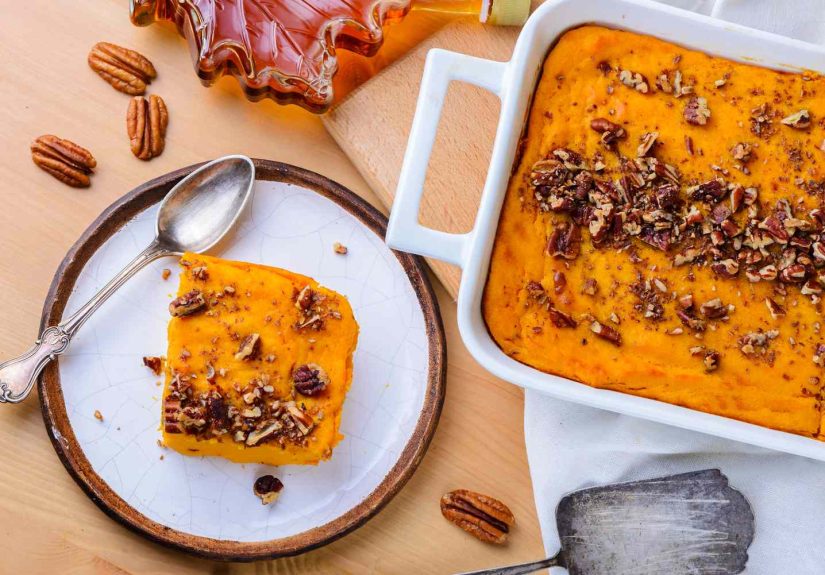
Some recipes enter a kitchen politely. Others arrive wearing a holiday sweater, holding a casserole dish, and asking where the oven is. Butternut squash kugel belongs proudly in the second group. It is cozy, golden, lightly sweet, deeply comforting, andbest of allpareve, which means it can sit happily beside a meat meal or a dairy meal without causing a kosher menu traffic jam.
This Butternut Squash Kugel (Pareve) Recipe is the kind of side dish that feels special enough for Shabbat, Rosh Hashanah, Sukkot, Thanksgiving, or any dinner where plain vegetables need a little pep talk. It has the soft, spoonable texture of a classic vegetable kugel, the warm aroma of cinnamon and nutmeg, and a simple ingredient list that does not require a dramatic grocery-store treasure hunt.
Unlike noodle kugel, which often leans rich and dairy-heavy, this version uses roasted or steamed butternut squash, eggs, a neutral oil, flour or matzo meal, and pantry-friendly seasonings. The result is tender, slightly custardy, and naturally colorful. In other words, it is a casserole that looks like sunshine and tastes like someone remembered to season the sunshine.
What Is Butternut Squash Kugel?
Kugel is a traditional Jewish baked dish often described as a casserole or pudding-style bake. It can be sweet, savory, noodle-based, potato-based, vegetable-based, or somewhere charmingly in between. The magic of kugel is that it turns humble ingredients into something sliceable, spoonable, and table-worthy.
Butternut squash kugel is a vegetable kugel made with cooked squash as the star ingredient. The squash is mashed or pureed, then mixed with eggs and binders so it bakes into a soft, structured dish. Because butternut squash has natural sweetness, it works beautifully with cinnamon, ginger, maple syrup, brown sugar, orange zest, or even a savory touch of onion and black pepper.
This recipe keeps the flavor balanced: sweet enough to feel festive, but not so sweet that it wanders into dessert territory wearing a side-dish disguise. It pairs well with roast chicken, brisket, turkey, salmon, grain bowls, green salads, and roasted vegetables. It also reheats nicely, which is excellent news for anyone who believes leftovers are tomorrow’s tiny reward for surviving today.
What Does Pareve Mean in This Recipe?
In kosher cooking, pareve foods contain neither meat nor dairy. That makes this kugel especially flexible for holiday and Shabbat menus. A pareve butternut squash kugel can be served with meat dishes without using butter, milk, cream, or cheese. It can also appear at a dairy meal without conflict, assuming all ingredients and preparation tools meet your household’s kosher standards.
For this recipe, the dairy-free structure is simple: use neutral oil instead of butter, skip milk or cream, and choose pareve-certified ingredients when needed. Eggs are commonly considered pareve in kosher cooking, though strict kitchens may follow specific checking and handling practices. If you keep kosher carefully, check labels on flour, spices, baking powder, nonstick spray, and toppings, because “probably fine” is not a kosher certification.
Why Butternut Squash Works So Well in Kugel
Butternut squash is a kugel superstar because it becomes smooth and creamy when cooked, even without dairy. Its texture helps create a soft interior, while its natural sugars deepen during roasting. That caramelized flavor gives the kugel a rich taste without needing much added sweetener.
The color also helps. A finished butternut squash kugel bakes into a warm orange-gold shade that looks beautiful on a holiday table. Potato kugel may be the classic workhorse, but butternut squash kugel shows up looking like it remembered picture day.
Butternut squash also plays well with both sweet and savory flavors. Cinnamon, nutmeg, and maple syrup make it festive. Garlic, onion powder, thyme, and pepper make it savory. Orange zest brightens it. A crisp topping adds contrast. This recipe gives you a classic base, plus several variations so you can adjust the mood of the dish.
Ingredients for Butternut Squash Kugel (Pareve)
Main Ingredients
- 2 pounds peeled and cubed butternut squash, or about 4 cups cooked mashed squash
- 3 large eggs
- 1/3 cup neutral oil, such as avocado, canola, or light olive oil
- 1/3 cup brown sugar or maple syrup
- 1/2 cup all-purpose flour, potato starch, or matzo meal
- 1 teaspoon baking powder
- 1 teaspoon ground cinnamon
- 1/4 teaspoon ground nutmeg
- 1/2 teaspoon kosher salt
- 1 teaspoon vanilla extract, optional but lovely
- 1 teaspoon orange zest, optional for brightness
Optional Crunchy Topping
- 1/3 cup chopped pecans or walnuts
- 2 tablespoons brown sugar
- 1/2 teaspoon cinnamon
- 1 tablespoon neutral oil
The topping is optional, but it gives the kugel a little texture and drama. Without it, the kugel is soft and smooth. With it, the top gets lightly crisp and nutty. Think of it as a tiny roof for your casseroleone that tastes much better than shingles.
How to Make Butternut Squash Kugel
Step 1: Cook the Butternut Squash
Preheat the oven to 400°F. Place peeled, cubed butternut squash on a parchment-lined baking sheet. Toss lightly with 1 tablespoon of neutral oil and a pinch of salt. Roast for 25 to 35 minutes, turning once, until the squash is tender and lightly browned at the edges.
Roasting gives the deepest flavor because it removes excess moisture and encourages caramelization. If you are short on time, you can steam the squash until fork-tender, then drain it well. Steaming creates a lighter flavor, while roasting creates a sweeter, richer one. Both work; roasting just shows up wearing a nicer jacket.
Step 2: Mash or Puree
Transfer the cooked squash to a large bowl. Mash it with a potato masher for a rustic texture, or puree it in a food processor for a smoother kugel. Let the squash cool for 10 to 15 minutes before adding the eggs. Hot squash plus eggs can accidentally create scrambled eggs, and that is not the plot twist we want.
Step 3: Mix the Batter
Add the eggs, oil, brown sugar or maple syrup, flour or matzo meal, baking powder, cinnamon, nutmeg, salt, vanilla, and orange zest. Stir until evenly combined. The mixture should look thick but pourable, similar to a dense muffin batter.
If the batter seems watery, add 1 or 2 extra tablespoons of flour, potato starch, or matzo meal. Butternut squash varies in moisture, especially if steamed instead of roasted. A little adjustment is normal. Recipes are maps, not prison sentences.
Step 4: Prepare the Baking Dish
Grease an 8-inch square baking dish or a 9-inch round casserole dish with neutral oil or pareve nonstick spray. Spoon the mixture into the dish and smooth the top with a spatula.
Step 5: Add the Topping
In a small bowl, mix chopped nuts, brown sugar, cinnamon, and oil. Sprinkle the topping evenly over the kugel. For a nut-free version, use crushed cornflakes, oats if appropriate for your dietary needs, or simply skip the topping.
Step 6: Bake Until Set
Bake at 350°F for 40 to 50 minutes, or until the center is set, the edges are lightly browned, and a toothpick inserted near the center comes out mostly clean. Let the kugel rest for at least 10 minutes before slicing or serving. This resting time helps the structure firm up and prevents the first spoonful from collapsing into a delicious orange landslide.
Recipe Card: Butternut Squash Kugel (Pareve)
Prep Time, Cook Time, and Yield
- Prep time: 20 minutes
- Cook time: 40 to 50 minutes, plus squash roasting time if needed
- Total time: About 1 hour 30 minutes
- Yield: 8 servings
- Dietary style: Pareve, dairy-free, vegetarian
Instructions Summary
- Roast or steam the butternut squash until tender.
- Mash or puree the squash and cool slightly.
- Mix with eggs, oil, sweetener, flour or matzo meal, baking powder, spices, and salt.
- Spread into a greased baking dish.
- Add optional nut topping.
- Bake at 350°F until set and lightly golden.
- Rest before serving.
Helpful Tips for the Best Texture
Roast for Flavor, Steam for Speed
If you want a deeper, sweeter kugel, roast the squash. If you want a faster, softer version, steam it. Roasted squash usually needs less thickener because some moisture evaporates in the oven. Steamed squash may need a little extra flour, potato starch, or matzo meal.
Do Not Over-Sweeten
Butternut squash already has natural sweetness. Start with 1/3 cup brown sugar or maple syrup. If you prefer a dessert-like kugel, increase it slightly. For a more savory side dish, reduce the sweetener to 2 tablespoons and add sautéed onion, black pepper, and thyme.
Let It Rest Before Serving
Freshly baked kugel is soft. Resting allows it to settle, making it easier to slice. This is the casserole equivalent of taking a deep breath before entering a family gathering.
Use the Right Pan Size
An 8-inch square dish creates a thicker kugel with a creamy center. A 9-by-13-inch dish creates a thinner kugel with more browned edges. If using a larger dish, begin checking for doneness earlier.
Sweet and Savory Variations
Classic Holiday Sweet Kugel
Add 1 teaspoon vanilla, 1 teaspoon orange zest, and a pecan-cinnamon topping. This version is perfect for Rosh Hashanah, Thanksgiving, and autumn Shabbat dinners.
Savory Butternut Squash Kugel
Reduce the sugar to 1 or 2 tablespoons. Add 1 small sautéed onion, 1/2 teaspoon garlic powder, 1/4 teaspoon black pepper, and 1 teaspoon chopped thyme or parsley. Skip the vanilla and use olive oil for a more savory flavor.
Passover-Friendly Version
Use matzo meal or potato starch instead of all-purpose flour, and make sure every ingredient is certified kosher for Passover if needed. The texture will be slightly denser but still delicious.
Gluten-Free Option
Use potato starch or a reliable gluten-free flour blend. Check that baking powder and all other packaged ingredients meet your dietary requirements.
Nut-Free Topping
For guests with nut allergies, skip the pecans or walnuts. A sprinkle of cinnamon sugar alone gives the top a pleasant finish without adding crunch.
What to Serve with Butternut Squash Kugel
This pareve butternut squash kugel is flexible enough to work with many meals. For a meat menu, serve it with roast chicken, brisket, turkey, meatballs, or grilled chicken thighs. For a dairy or vegetarian menu, pair it with baked salmon, lentil salad, mushroom barley soup, roasted Brussels sprouts, or a crisp green salad.
It also belongs on a holiday table with challah, apple dishes, honey-glazed carrots, cranberry sauce, green beans, and roasted potatoes. The sweetness of the squash balances salty, savory, and herb-forward dishes, which makes it a helpful side when the table is crowded with bold flavors.
Make-Ahead, Storage, and Reheating
Butternut squash kugel is an excellent make-ahead recipe. Bake it fully, cool it, cover it tightly, and refrigerate for up to 3 to 4 days. Reheat covered at 325°F until warmed through. Remove the cover during the last few minutes if you want the top to regain a little texture.
You can also freeze it. Wrap the cooled kugel tightly in plastic wrap and foil, or use an airtight freezer-safe container. Freeze for up to 2 months for best quality. Thaw overnight in the refrigerator before reheating. For food safety, refrigerate leftovers promptly and avoid leaving the kugel at room temperature for long periods.
Common Mistakes to Avoid
Using Watery Squash
Watery squash can make the kugel loose. Drain steamed squash well, or roast it to reduce moisture. If needed, add a bit more binder.
Adding Eggs While the Squash Is Too Hot
Let the squash cool slightly before mixing. This keeps the batter smooth and prevents the eggs from cooking too early.
Skipping the Salt
Even sweet kugel needs salt. Salt sharpens the flavor and keeps the dish from tasting flat.
Cutting Too Soon
The kugel needs a short rest after baking. If you cut immediately, it may not hold its shape. It will still taste good, but it may look like it lost a small argument with gravity.
Experience Notes: Making Butternut Squash Kugel in a Real Kitchen
The first thing you learn when making butternut squash kugel is that butternut squash is both wonderful and mildly dramatic. It rolls around the counter like it has somewhere better to be, and peeling it can feel like negotiating with a very firm orange suitcase. The easiest path is to use a sharp vegetable peeler, trim both ends, separate the neck from the round bulb, and cut each section into stable pieces before cubing. A steady cutting board and a sharp knife make the whole process safer and less theatrical.
In everyday cooking, roasted squash usually gives the best kugel flavor. The edges brown, the moisture reduces, and the squash becomes sweeter without needing a mountain of sugar. If you have ever tasted steamed squash and thought, “This is fine, but it could use a personality,” roasting is the upgrade. That said, steaming is useful when time is short or the oven is already occupied by chicken, challah, or another dish that got there first.
One practical experience tip is to cook the squash a day ahead. Mash it, refrigerate it, and assemble the kugel the next day. This makes holiday cooking much easier because the most annoying partpeeling and cooking the squashis already finished. Cold mashed squash also mixes beautifully with eggs because there is no risk of scrambling them.
Another lesson: the sweetness level is personal. Some families love a kugel that tastes almost like a Thanksgiving casserole. Others prefer a more vegetable-forward version. When serving this with brisket or roast chicken, a lightly sweet kugel works beautifully because it balances savory flavors. When serving it beside already-sweet dishes, such as glazed carrots or cranberry sauce, a savory version may be better.
The topping also depends on the occasion. For a casual dinner, the kugel is perfectly good without one. For a holiday table, the pecan-cinnamon topping makes it look finished and festive. If guests include children, picky eaters, or anyone suspicious of “things on top,” keep the topping simple. A smooth kugel often wins more friends than an ambitious one.
Texture is the biggest difference between an average kugel and a memorable one. A good butternut squash kugel should be soft, moist, and gently setnot rubbery, not soupy, and not dry enough to require an apology. If your kugel turns out too loose, bake it a little longer next time or add more binder. If it turns out too firm, reduce the flour or matzo meal slightly. Small changes matter.
This recipe is also forgiving when it comes to serving temperature. Warm kugel is cozy and fragrant. Room-temperature kugel is still tasty, especially on a buffet. Leftover kugel reheated the next day can be even better because the spices have settled into the squash. A slice with lunch feels like a tiny holiday hiding in the refrigerator.
For web publishers, this dish is a strong recipe topic because it answers several search intents at once: pareve holiday side dish, dairy-free kugel, butternut squash recipe, Jewish holiday recipe, make-ahead casserole, and vegetarian side dish. It is specific enough to attract targeted readers, but familiar enough to appeal to people planning fall dinners, kosher meals, or comforting family menus.
Most importantly, butternut squash kugel is the kind of dish that makes a table feel cared for. It is not flashy in a restaurant-menu way. It is warm, practical, generous, and easy to share. That is the quiet power of kugel: it turns simple ingredients into something that tastes like tradition, even when the cook is wearing slippers and silently hoping the dishwasher is empty.
Conclusion
Butternut Squash Kugel (Pareve) is a comforting, flexible, and holiday-ready dish that brings together the natural sweetness of squash, warm spices, and a tender baked texture. It works for Shabbat, Jewish holidays, Thanksgiving, family dinners, and make-ahead meal planning. Because it is pareve, it fits easily into kosher menus without dairy, while still tasting rich and satisfying.
Whether you make it sweet with cinnamon and maple, savory with onion and herbs, or Passover-friendly with matzo meal or potato starch, this kugel earns its place on the table. It is simple enough for beginners and customizable enough for experienced cooks. Basically, it is the casserole equivalent of a reliable friend: warm, flexible, and unlikely to complain when reheated.