Table of Contents >> Show >> Hide
- Short Answer: Yes, Rice Can Upset Your Stomach
- Why Rice Is Often Considered Easy on the Stomach
- When Rice Can Upset Your Stomach
- How to Tell Whether Rice Is Really the Problem
- White Rice vs. Brown Rice: Which Is Better for an Upset Stomach?
- What to Do If Rice Upsets Your Stomach
- When to See a Doctor
- The Bottom Line
- Common Experiences Related to “Can Rice Upset Your Stomach?”
- SEO Tags
Rice has a reputation for being the polite guest at the digestive party. When your stomach is doing backflips, plain rice often gets invited in because it is bland, simple, and not trying to be the star of the show. So when someone says, “Rice upset my stomach,” it can sound a little suspicious. Was it really the rice? Or was it the spicy sauce, the giant portion, the rich takeout combo, or the fact that the leftovers spent too long hanging out on the counter like they paid rent there?
The truth is that rice can upset your stomach, but it usually depends on the type of rice, how it was prepared, how much you ate, and whether your digestive system was already having a dramatic day. In many cases, plain white rice is one of the gentler foods for nausea or diarrhea. In other situations, rice can absolutely be part of the problem, especially if it is contaminated, hard for your gut to handle, or part of a meal loaded with ingredients that trigger symptoms.
If you have ever eaten rice and then felt bloated, crampy, nauseated, or just generally betrayed, here is what may be going on.
Short Answer: Yes, Rice Can Upset Your Stomach
Yes, rice can upset your stomach, but it is not the most common outcome. For many people, especially when it is plain and freshly cooked, rice is easy to digest. That is why it often shows up in bland-food advice for people with nausea, vomiting, or diarrhea. Still, rice is not a magical digestive bodyguard. It can bother some people for several reasons, including:
- Improper storage that leads to food poisoning
- Rich, greasy, spicy, or creamy ingredients mixed into the rice
- Large portions that sit heavily in the stomach
- Brown rice or higher-fiber rice irritating a sensitive gut
- A food intolerance, food sensitivity, or a rare allergy-related reaction
- Digestive conditions such as IBS, reflux, or a stomach bug that make almost any meal feel rude
So the better question is not just “Can rice upset your stomach?” but “Which rice, how much, and under what circumstances?” That is where the answer gets interesting.
Why Rice Is Often Considered Easy on the Stomach
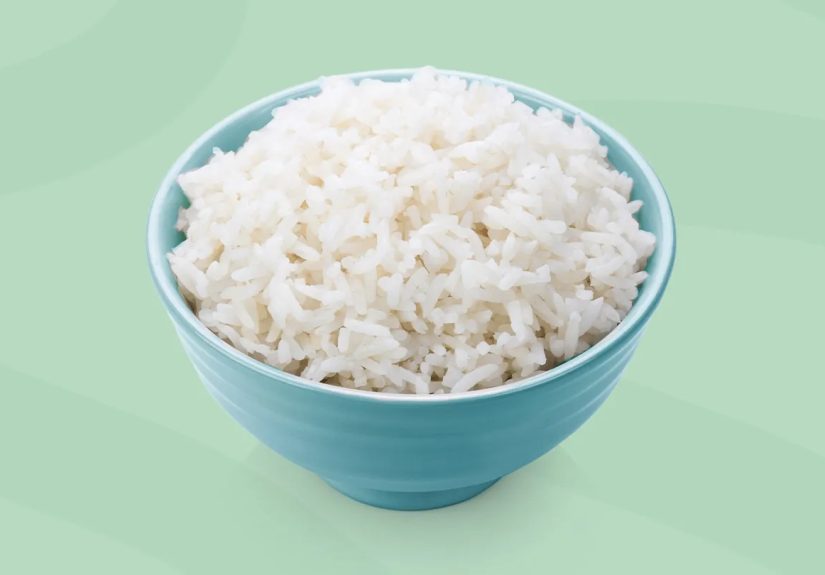
Plain white rice is low in fiber compared with brown rice and many whole grains. That matters because when your digestive system is irritated, low-fiber, soft foods are often easier to handle. White rice is also mild in flavor, low in fat, and easy to pair with simple foods like broth, toast, bananas, applesauce, or chicken.
In other words, plain white rice is not usually the food that storms into your digestive tract wearing combat boots. It tends to mind its business. If you are recovering from a stomach virus or diarrhea, a small serving of freshly cooked white rice may feel much gentler than a burrito, a basket of wings, or anything described as “extra cheesy.”
That said, “generally gentle” does not mean “universally harmless.” Even easygoing foods can cause trouble in the wrong context.
When Rice Can Upset Your Stomach
1. Improperly Stored Rice Can Cause Food Poisoning
This is the big one, and it surprises a lot of people. Cooked rice can sometimes be linked to food poisoning caused by Bacillus cereus, a bacteria associated with rice and other starchy leftovers that sit too long at room temperature. This is sometimes nicknamed “fried rice syndrome,” which sounds like a fake medical condition invented by a worried uncle, but it is very real.
Here is the issue: rice can contain bacterial spores that survive cooking. If the rice is left out too long, those spores can multiply and produce toxins. After that, reheating does not always save the day. Symptoms may include nausea, vomiting, stomach cramps, and diarrhea. Some people get sick fairly quickly, while others feel symptoms several hours later.
If you ate leftover rice and then developed sudden vomiting or diarrhea, the rice may have been the culprit. The problem is not that rice is “bad” by nature. The problem is poor food storage, which turns innocent leftovers into tiny edible chaos.
2. The Rice Dish May Be the Real Offender
Rice by itself is one thing. Rice in the wild is another.
Think about the meals people usually blame on “rice”: greasy fried rice, creamy rice casseroles, spicy burrito bowls, extra-garlicky rice dishes, rice pudding with lots of dairy, sushi rice eaten with rich sauces, or giant restaurant portions that could feed a family of raccoons. In these cases, the stomach upset may be caused by the oil, spice, garlic, onion, dairy, soy, heavy seasoning, or just the overall size of the meal.
Sometimes rice gets framed for a crime committed by chili oil.
3. Brown Rice Can Be Tougher on a Sensitive Stomach
Brown rice is nutritious and brings more fiber to the table. That is great for many people, but not always for a cranky digestive tract. If you are dealing with diarrhea, an IBS flare, recent vomiting, or a low-fiber diet recommended by a clinician, brown rice may feel rougher on your system than white rice.
Fiber is usually a good thing, but during digestive flare-ups it can be a little too enthusiastic. Some people notice more bloating, fullness, or cramping after eating brown rice, especially if they are not used to it or suddenly increase their fiber intake. Your stomach may not be sending a hate letter to rice in general; it may just be saying, “Could we do something simpler today?”
4. Portion Size Matters More Than People Think
Even a fairly gentle food can cause discomfort if you eat a mountain of it. Rice is dense, filling, and easy to overdo, especially in takeout containers that seem to follow the “two cups is one serving” school of nutrition fantasy. A very large portion may leave you feeling overly full, sluggish, bloated, or mildly nauseated.
If your stomach already feels sensitive, a smaller serving is often easier to tolerate than a heroic bowl the size of a flowerpot.
5. You May Have a Food Intolerance or Digestive Sensitivity
Some people experience food-related digestive symptoms such as gas, bloating, nausea, heartburn, abdominal pain, or diarrhea within hours of eating. That does not automatically mean they have a true food allergy. It may be a food intolerance, a sensitivity, or a broader digestive issue that makes certain meals harder to handle.
With rice, the tricky part is separating the grain from the rest of the meal. Maybe it was the rice. Maybe it was the sauce. Maybe it was the combination of a giant serving, lots of oil, and eating too fast while answering emails like you are auditioning for a stress documentary.
If rice consistently seems to bother you, especially when you eat it plain and freshly cooked, keep a symptom journal. Patterns matter more than one weird Tuesday.
6. Rare Allergy-Related Reactions Can Happen
True rice allergy is not the first explanation doctors think of, but food-related immune reactions can happen. One important example is food protein-induced enterocolitis syndrome, or FPIES, which is a non-IgE food allergy that affects mostly infants and young children. Rice can be one of the trigger foods. Symptoms may include severe vomiting, diarrhea, dehydration, and low energy, often hours after eating.
In adults, a classic food allergy is more likely to come with symptoms such as hives, swelling, wheezing, vomiting, diarrhea, or trouble breathing shortly after eating. If rice seems to trigger symptoms repeatedly, especially along with rash, swelling, or breathing issues, that is not something to diagnose by scrolling the internet at midnight. It deserves medical evaluation.
How to Tell Whether Rice Is Really the Problem
If you suspect rice upsets your stomach, ask yourself a few very unglamorous but useful questions:
- Was it plain rice or a loaded rice dish? Plain white rice is very different from fried rice with oil, egg, soy sauce, garlic, and mystery takeout confidence.
- Was it fresh or leftover? Timing and storage matter a lot.
- Did symptoms start quickly? Sudden nausea or vomiting after questionable leftovers may point toward food poisoning.
- Does plain white rice bother you every time? If yes, that is more suggestive of a true sensitivity pattern.
- Do you react more to brown rice than white rice? Fiber could be part of the issue.
- Do other foods bother you too? IBS, reflux, lactose intolerance, food sensitivity, and stomach bugs can all muddy the picture.
One isolated episode does not prove much. Repeated symptoms with the same food pattern are far more helpful.
White Rice vs. Brown Rice: Which Is Better for an Upset Stomach?
If your stomach is currently irritated, plain white rice is usually the gentler option. It is softer, lower in fiber, and less likely to add extra digestive workload when you are nauseated or recovering from diarrhea.
Brown rice has more fiber and nutrients, which can be a plus for everyday eating if your gut tolerates it well. But during digestive flare-ups, that same fiber can make some people feel more bloated or uncomfortable. This does not make brown rice the villain of the grain aisle. It just means timing matters.
Think of it like this: brown rice is a perfectly fine hiking boot, but white rice is the slipper. If your stomach is limping, the slipper often wins.
What to Do If Rice Upsets Your Stomach
Keep It Simple
Try plain, freshly cooked white rice in a small portion. Skip the spicy sauces, butter avalanche, creamy add-ins, and deep-fried drama.
Watch the Leftovers
Refrigerate cooked rice promptly, store it safely, and do not let it sit out for hours. When in doubt, throw it out. Yes, that is sad. It is also better than spending the night negotiating with your bathroom floor.
Eat Smaller Portions
If rice makes you feel overly full or queasy, scale back the serving size and eat more slowly. A smaller bowl is not a moral failure.
Try White Instead of Brown
If brown rice seems to cause bloating or cramps, switch to white rice temporarily and see whether symptoms improve.
Look at the Full Meal
If only certain rice dishes bother you, the problem may be garlic, onion, dairy, spice, fat, soy, or another ingredient rather than rice itself.
Track Your Symptoms
Write down what kind of rice you ate, how much, what else was in the meal, how it was stored, and when symptoms started. This can help you and your clinician spot patterns.
When to See a Doctor
Occasional mild stomach upset after a meal is common. But get medical advice if:
- You have repeated symptoms every time you eat rice
- You develop hives, swelling, wheezing, or trouble breathing
- You have severe vomiting, severe diarrhea, or signs of dehydration
- You see blood in stool or vomit
- You have intense abdominal pain, fever, or symptoms that do not improve
- An infant or young child reacts badly to rice or rice cereal
Those situations call for more than guesswork and crackers.
The Bottom Line
Rice can upset your stomach, but usually not because rice is inherently harsh. In fact, plain white rice is often one of the easier foods to tolerate when your digestive system is acting touchy. Trouble is more likely when rice has been stored unsafely, served in a rich or spicy dish, eaten in very large amounts, or paired with a digestive condition, food sensitivity, or rare allergy-related reaction.
So if rice seems to make your stomach unhappy, do not blame the grain too quickly. Look at the kind of rice, the preparation, the portion size, the leftovers situation, and whether your gut has other reasons to be grumpy. Sometimes rice is the problem. Sometimes it is just standing near the problem.
Common Experiences Related to “Can Rice Upset Your Stomach?”
A lot of people only start asking this question after a very specific kind of meal-memory gets burned into their brain. Usually it goes something like this: “I ate rice, and a few hours later my stomach staged a protest.” But the experiences behind that sentence are not all the same.
One common experience is the leftover-rice disaster. Someone orders takeout, eats half, leaves the rice sitting out too long, then reheats it later and wonders why their evening suddenly includes nausea, cramping, and a close personal relationship with the sink. In this situation, people often assume reheating “fixed” everything. Unfortunately, if rice was not stored properly, reheating may not undo the problem. That is why leftover rice has such a sneaky reputation.
Another very common experience is the “it was not the rice, it was the whole production” scenario. A person eats a huge plate of fried rice loaded with oil, onion, garlic, chili sauce, and maybe a creamy side dish for good measure. Then the stomach hurts, and rice gets the blame. But when that same person eats a small bowl of plain white rice with broth or grilled chicken, they feel fine. This is a classic clue that the digestive trigger may be the meal’s richness, spice, fat content, or total volume rather than rice itself.
Then there is the healthy-switch experience. Someone decides to eat more whole grains, swaps white rice for brown rice overnight, and suddenly feels bloated, overly full, or gassy. That does not mean brown rice is “bad.” It usually means the digestive system noticed the jump in fiber and would have preferred a gentler transition. For people with sensitive digestion, IBS, or recovery from a stomach bug, brown rice can feel like too much too soon.
Some people have the opposite experience: plain rice becomes their recovery food. After vomiting, diarrhea, or a miserable stomach virus, they find that plain white rice is one of the few foods that does not start a new round of complaints. In these cases, rice feels helpful, not harmful. That difference is important because it shows how context changes everything. The same food can be soothing one week and unpleasant the next, depending on what the digestive system is dealing with.
Parents sometimes notice a more concerning pattern in babies or toddlers. A child starts rice cereal or another rice-based food, and later has repeated vomiting, diarrhea, unusual sleepiness, or signs of dehydration. That is not a “wait and see while posting in a parenting group” kind of situation. When a young child has a strong reaction to rice, clinicians may consider conditions such as FPIES or other feeding-related issues.
There is also the mystery-pattern experience. A person says rice “sometimes” upsets their stomach, but not always. They can eat sushi rice and feel fine, but a giant burrito bowl bothers them. They can eat freshly cooked jasmine rice at home, but restaurant fried rice gives them cramps. That kind of on-and-off reaction usually suggests that preparation style, portion size, additives, or storage may be driving the symptoms more than rice itself.
In everyday life, that is what makes this topic so confusing. Rice is sometimes comfort food, sometimes culprit, and sometimes just an innocent grain caught in bad company.
Note: This article is for educational purposes only and is not a substitute for medical advice, diagnosis, or treatment.