Table of Contents >> Show >> Hide
- What Are Cooper’s Ligaments?
- Why Do Breasts Sag?
- Can Exercises Prevent Sagging Breasts?
- Best Exercises for a Firmer-Looking Chest
- Exercises and Habits to Be Careful With
- How to Choose a Supportive Sports Bra
- Daily Habits That Support Breast Shape and Skin Health
- When Sagging or Skin Changes Need Medical Attention
- Can Surgery Fix Stretched Cooper’s Ligaments?
- Real-Life Experiences: What This Looks Like in Everyday Life
- Conclusion
Cooper’s ligaments may sound like a tiny law firm specializing in sports bras, but they are actually an important part of breast anatomy. These thin bands of connective tissue help support the breasts and maintain their shape. Over time, however, aging, gravity, pregnancy, weight changes, genetics, smoking, and unsupported high-impact movement can all contribute to stretching of the skin and supporting structures. The result is what many people call sagging breasts, or what healthcare professionals call breast ptosis.
Here is the honest truth: no exercise can directly tighten Cooper’s ligaments once they have stretched. Breasts do not contain muscle, so there is no “breast muscle” to tone. But that does not mean exercise is useless. The right workout routine can strengthen the pectoral muscles beneath the breasts, improve posture, build upper-body support, reduce the appearance of slumping, and help you feel stronger in your body. Think of it as improving the frame around the picture rather than changing the picture itself.
This guide explains what Cooper’s ligaments do, why breasts change shape, which exercises may support a lifted appearance, what habits can help protect breast tissue, and when sagging or skin changes deserve medical attention.
What Are Cooper’s Ligaments?
Cooper’s ligaments are fibrous connective tissues that run through the breast and connect the deeper chest structures to the skin. They help hold breast tissue in place, giving the breasts some of their natural contour. They are also called suspensory ligaments of the breast because they help “suspend” breast tissue against the chest wall.
These ligaments are not like biceps or glutes. You cannot flex them, train them, or make them grow stronger with dumbbells. They are made mostly of collagen-rich connective tissue, which gives structure but can also stretch over time. Once that stretching happens, it usually does not snap back like a brand-new hair tie. That is why prevention, support, posture, and realistic expectations matter.
Why Do Breasts Sag?
Breast sagging is common, natural, and not a sign that you did anything wrong. Bodies change. Gravity has a long-term contract with Earth, and unfortunately, none of us can unsubscribe.
Aging and Collagen Changes
As people age, skin gradually loses collagen and elastin. These proteins help skin stay firm and flexible. When they decline, breast skin and connective tissue may become less resilient, allowing the breasts to sit lower on the chest.
Pregnancy and Hormonal Shifts
During pregnancy, breasts often enlarge as milk glands and ducts develop. After pregnancy and breastfeeding, breast volume may decrease, leaving the skin envelope looser than before. Breastfeeding itself is not the only factor; pregnancy-related breast enlargement, hormonal changes, and the number of pregnancies can all play a role.
Weight Fluctuations
Gaining and losing weight can stretch and shrink the breast skin repeatedly. Because breasts contain fatty tissue, weight changes may alter breast size and fullness. Significant weight loss may leave the breasts looking softer, flatter, or lower.
Breast Size and Genetics
Larger breasts naturally place more strain on skin and connective tissue. Genetics also influence skin elasticity, breast density, tissue distribution, and how early breast changes appear. In other words, some of the story is written before you ever buy your first sports bra.
Smoking
Smoking is associated with reduced skin quality because it affects circulation and collagen health. Over time, that can contribute to premature skin aging, including changes in breast firmness.
Unsupported High-Impact Exercise
Running, jumping, dance cardio, HIIT, and sports with rapid direction changes can create repeated breast movement. A supportive, properly fitted sports bra can reduce discomfort and help limit excessive motion during activity.
Can Exercises Prevent Sagging Breasts?
Exercises cannot prevent every natural change in breast shape, and they cannot reverse stretched ligaments. However, they can help in three meaningful ways:
- Strengthen the pectoral muscles beneath the breasts, creating a firmer-looking foundation.
- Improve posture, which can make the chest appear more open and lifted.
- Support weight management and overall health, which may reduce major size fluctuations that stretch skin.
The goal is not to “work the breasts.” The goal is to train the chest, shoulders, back, and core so the upper body holds itself with confidence. Good posture can do a lot. Sometimes the difference between “sagging” and “standing tall” is simply rolling the shoulders back and reminding your spine it has a job.
Best Exercises for a Firmer-Looking Chest
Before starting, choose a supportive sports bra, warm up for five to ten minutes, and use weights that allow controlled movement. If you have breast pain, recent surgery, pregnancy-related concerns, shoulder problems, or any medical condition, speak with a healthcare professional before changing your routine.
1. Push-Ups
Push-ups strengthen the chest, shoulders, triceps, and core. They are simple, equipment-free, and surprisingly humbling.
How to do it: Start in a plank position with hands slightly wider than shoulder-width. Lower your body until your chest nears the floor, then press back up. Keep your body in a straight line.
Beginner option: Do wall push-ups, incline push-ups on a bench, or knee push-ups.
Try: 2 to 3 sets of 8 to 12 reps.
2. Chest Press
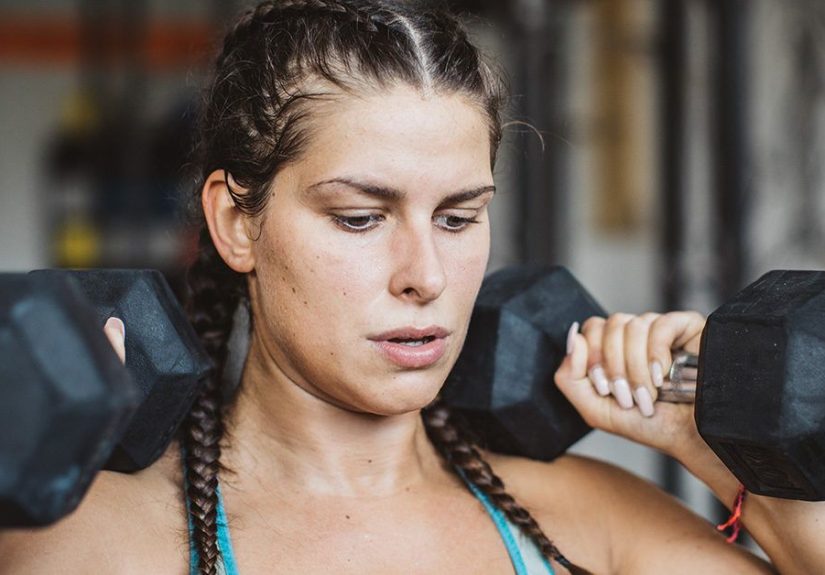
The chest press targets the pectoral muscles and can be done with dumbbells, resistance bands, or a gym machine.
How to do it: Lie on a bench or mat with a dumbbell in each hand. Bend your elbows to about 90 degrees, then press the weights upward until your arms are extended. Lower slowly.
Tip: Keep the movement smooth. If your weights are wobbling like a shopping cart with one bad wheel, go lighter.
Try: 3 sets of 8 to 10 reps.
3. Dumbbell Chest Fly
Chest flys help train the chest through a wide range of motion. They should feel controlled, not stretched to the point of discomfort.
How to do it: Lie on your back with a dumbbell in each hand. Extend your arms above your chest with a slight bend in the elbows. Open your arms out to the sides, then bring them back together over your chest.
Try: 2 to 3 sets of 10 to 12 reps.
4. Resistance Band Rows
Rows strengthen the upper back, which is essential for posture. A stronger back helps counter rounded shoulders and the forward slump that can make breasts appear lower.
How to do it: Anchor a resistance band in front of you. Hold one end in each hand. Pull your elbows back, squeeze your shoulder blades together, and slowly return.
Try: 3 sets of 12 reps.
5. Reverse Fly
This exercise targets the rear shoulders and upper back. It is excellent for posture and chest openness.
How to do it: Hold light dumbbells, hinge slightly forward at the hips, and keep your back flat. With a soft bend in the elbows, raise your arms out to the sides until you feel your shoulder blades move together. Lower slowly.
Try: 2 to 3 sets of 10 to 12 reps.
6. Plank Shoulder Taps
This move builds core strength and shoulder stability, both of which support better posture.
How to do it: Start in a plank. Tap your left shoulder with your right hand, then your right shoulder with your left hand. Keep your hips as still as possible.
Try: 2 sets of 20 total taps.
7. Cobra Pose
Cobra pose gently opens the chest and strengthens the upper back. It is especially helpful if you sit at a desk for long hours.
How to do it: Lie face down with hands under your shoulders. Press lightly into your hands and lift your chest while keeping your elbows close to your body. Avoid forcing the lower back.
Try: Hold for 15 to 30 seconds, repeating 2 to 3 times.
Exercises and Habits to Be Careful With
The goal is not to avoid movement. Movement is good. The goal is to avoid repeated unsupported bouncing and poor form that strains the chest, shoulders, and back.
High-Impact Workouts Without Support
Running, jumping jacks, burpees, jump rope, and plyometric workouts can create significant breast movement. Wear a high-support sports bra, especially for larger breasts or high-impact activity.
Overtraining the Chest Without Training the Back
Doing endless push-ups while ignoring your back can pull the shoulders forward, making posture worse. Balance chest exercises with rows, reverse flys, and shoulder mobility work.
Poorly Fitted Bras
A bra that is too loose may not control movement. A bra that is too tight can dig, restrict breathing, irritate skin, or cause discomfort. The best bra is supportive but not punishing. Your sports bra should not feel like it was designed by a medieval locksmith.
Rapid Weight-Loss Plans
Crash dieting can reduce breast volume quickly and may leave skin with less time to adjust. A gradual, sustainable approach to weight management is usually kinder to the skin and the rest of the body.
How to Choose a Supportive Sports Bra
A good sports bra is one of the most practical tools for breast comfort during exercise. Look for:
- Activity level: Choose high support for running and jumping, medium support for cycling or strength training, and light support for yoga or walking.
- Secure band: Most support comes from the band, not the straps. It should sit level and snug around the rib cage.
- Adjustable straps: These help customize fit, especially if your breasts change with your cycle, weight, or pregnancy.
- Encapsulation or compression: Encapsulation bras support each breast separately. Compression bras press tissue closer to the chest. Some bras combine both.
- Comfort test: Jump gently in the fitting room. If the bra fails the bounce test, it is not your workout partner.
Daily Habits That Support Breast Shape and Skin Health
Maintain a Stable, Healthy Weight
Weight changes are normal, but repeated large fluctuations can stretch breast skin. A balanced approach to nutrition, movement, sleep, and stress management supports overall tissue health.
Do Strength Training Twice a Week
Strength training helps preserve muscle mass, support posture, and improve body composition. Include chest, back, shoulders, core, hips, and legs. The body works as a system, not a collection of disconnected parts.
Protect Skin From Sun Damage
The chest area is often exposed to sunlight, especially in V-neck tops, swimsuits, and summer clothing. Sun damage can weaken skin quality over time. Use sunscreen on exposed skin, including the upper chest.
Do Not Smoke
Avoiding smoking supports collagen, circulation, skin health, and overall wellness. If you smoke, quitting is one of the best gifts you can give your future skin, lungs, heart, and bank account.
Stay Hydrated and Eat Protein-Rich Foods
Hydration and balanced nutrition will not magically lift breasts, but they help support skin and muscle health. Include lean proteins, fruits, vegetables, whole grains, healthy fats, and enough calories to fuel your activity.
When Sagging or Skin Changes Need Medical Attention
Most breast sagging is normal and harmless. However, some breast changes should be checked by a healthcare provider, especially if they are new, sudden, one-sided, or accompanied by other symptoms.
Make an appointment if you notice a new lump, nipple discharge that is not breast milk, nipple pulling inward, persistent breast pain, swelling, redness, skin thickening, dimpling, puckering, or a texture that looks like an orange peel. These symptoms do not automatically mean cancer, but they should be evaluated.
Also, if one breast suddenly changes shape or position without an obvious reason, do not simply blame Cooper’s ligaments and move on. Your body may be asking for professional attention, and it is better to check early than to guess late.
Can Surgery Fix Stretched Cooper’s Ligaments?
Exercise and lifestyle habits may improve the appearance of the chest, but they cannot remove excess skin or reposition the nipple. For people who want a significant lift, a breast lift, also called mastopexy, is the surgical option designed to reshape and raise sagging breasts. Some people combine a lift with breast augmentation or reduction, depending on their goals and anatomy.
Surgery is personal and not necessary for everyone. Many people choose it; many do not. Both choices are valid. The most important thing is making an informed decision with a qualified, board-certified medical professional rather than chasing miracle creams, viral workouts, or suspicious “lift in seven days” promises from someone filming in perfect lighting.
Real-Life Experiences: What This Looks Like in Everyday Life
Many people first notice breast changes in ordinary moments, not dramatic ones. One person might realize her old running bra is no longer doing its job when a simple jog feels uncomfortable. Another might see that after weight loss, her bras fit differently, and the shape she was used to has changed. Someone else may notice after pregnancy that her breasts look softer, even though her strength and fitness have improved. These experiences are common, and they can bring up a surprising mix of emotions.
For example, imagine a woman in her mid-30s who starts strength training after years of desk work. At first, she hopes push-ups will “lift everything back up.” After a few months, she realizes her breast tissue has not magically moved north for the summer. But her posture is better, her shoulders sit more naturally, her upper back feels stronger, and her clothes fit with more confidence. The visual change is subtle but real: not a surgical lift, but a stronger frame and a more open chest.
Another common experience happens with runners. A person may spend money on great shoes but ignore breast support until discomfort becomes impossible to overlook. After switching to a properly fitted high-support sports bra, workouts feel less distracting. There is less bouncing, less tenderness, and more freedom to focus on pace, breathing, and the tiny internal debate about whether one more hill is “character building” or just rude.
Postpartum experiences can be especially emotional. Breasts may grow, shrink, leak, ache, feed a baby, stop feeding a baby, and then settle into a shape that feels unfamiliar. Some people feel proud, some feel frustrated, and many feel both. Gentle chest and back exercises, supportive bras, gradual return to activity, and patience can help rebuild comfort. But it is also important to acknowledge that postpartum breast changes are not a personal failure. They are evidence of a body that has gone through a major biological event.
People who lose significant weight may have a different experience. They may feel healthier and stronger yet still feel disappointed by loose skin or softer breast shape. This is where realistic expectations matter. Strength training can improve muscle tone, but it cannot make stretched skin disappear. A supportive bra, better posture, and upper-body strength may improve appearance in clothing, while surgery remains the only option for a major anatomical lift.
There is also the emotional side of comparing bodies online. Social media often shows lifted, filtered, posed, edited, and strategically lit results. Real breasts vary widely in size, shape, spacing, nipple direction, firmness, and symmetry. Breasts are sisters, not twinsand sometimes they are distant cousins with different personalities. Learning what is normal can reduce anxiety and help people make choices based on comfort and health rather than panic.
The best experience-based advice is simple: wear support when you need it, train your chest and back consistently, avoid extreme weight swings when possible, protect your skin, and check new breast changes promptly. Most importantly, do not treat your body like a renovation project that is never finished. Support it, strengthen it, and let it be human.
Conclusion
Cooper’s ligaments play an important role in breast shape, but they are not muscles you can tone with exercise. Once stretched, they generally do not tighten back to their original state. Still, the right fitness routine can make a meaningful difference in how your upper body looks and feels. Push-ups, chest presses, rows, reverse flys, planks, and posture-focused movements can strengthen the muscles around the breasts, improve alignment, and create a firmer-looking chest area.
The smartest approach is realistic and kind: support your breasts during high-impact exercise, maintain a steady healthy weight, avoid smoking, train both chest and back, care for your skin, and pay attention to unusual breast changes. Sagging breasts are common and natural, but sudden dimpling, nipple changes, swelling, discharge, or persistent pain should be checked by a healthcare provider.
In short, you cannot boss Cooper’s ligaments around like a personal trainer with a whistle. But you can build a stronger, healthier, more confident body around themand that is a very worthwhile goal.
Note: This article is for educational purposes only and does not replace professional medical advice. If you notice sudden breast changes, persistent pain, dimpling, nipple discharge, swelling, or a new lump, consult a qualified healthcare provider.