Table of Contents >> Show >> Hide
- Why Cornish Game Hens Are Perfect for Glazes
- Roasting & Glazing Basics (So You Don’t Dry Them Out)
- Citrus Cornish Game Hen Glaze Ideas
- Apricot Glazes: Sweet, Tangy & Perfect for Holidays
- Pairing Flavors & Sides With Citrus and Apricot Glazed Hens
- Common Glaze Mistakes (And How to Fix Them)
- Real-Life Experiences & Ideas With Citrus and Apricot Glazed Hens
If a regular roast chicken is the family sedan of poultry, a Cornish game hen is the tiny, shiny sports car. It looks impressive, feels special, and doesn’t actually take much more effort than your usual roast birdespecially when you coat it in a glossy, flavor-packed glaze.
From bright citrus to sweet apricot, glazes do two big jobs: they add layers of flavor and give your Cornish game hens that camera-ready, caramelized finish. In this guide, we’ll walk through how to roast hens properly, then explore several citrus and apricot glazes you can mix and match for holidays, date nights, or “I just felt like eating something fancy on a Tuesday.”
We’ll cover core techniques, give you flexible glaze formulas instead of rigid recipes, and share real-world tips to help you avoid dry meat, burnt sugar, or sad, pale skin. By the end, you’ll be ready to serve individual mini roasts that look like they came from a restaurantminus the white tablecloth prices.
Why Cornish Game Hens Are Perfect for Glazes
Cornish game hens are essentially small chickensusually around 1 to 2 pounds eachprocessed at a young age so the meat stays tender and mild. That mild flavor is exactly why glazes work so well: the hens act as a canvas for bold sweet, tangy, or spicy flavors without tasting heavy or gamy.
A few practical reasons they’re ideal for citrus and apricot glazes:
- Even cooking: Their small size means they roast quickly, so glazes don’t burn before the meat is done.
- Great skin-to-meat ratio: More exposed skin means more surface area for glaze to cling, bubble, and caramelize.
- Perfect portions: One hen per person feels special and makes plating easy. No battles over who gets the drumstick.
Roasting & Glazing Basics (So You Don’t Dry Them Out)
You can have the best citrus or apricot glaze in the world, but if the hen is overcooked and stringy, no one will care how pretty it looks. Start with solid roasting fundamentals and layer the glaze on top.
1. Season and prep the hens
- Pat dry: Blot the hens with paper towels inside and out. Dry skin = crisp skin.
- Season generously: Sprinkle kosher salt and freshly ground black pepper all over, including inside the cavity.
- Add simple aromatics (optional): A wedge of lemon, a crushed garlic clove, or a small sprig of rosemary or thyme tucked into the cavity adds subtle flavor without competing with your glaze.
- Use a rack if possible: Set the hens on a rack in a roasting pan so hot air circulates and the skin crisps evenly.
2. Roast by temperature, not just time
Most Cornish hens roast at 375°F–400°F (190–200°C) in about 45–60 minutes, depending on their size and whether your oven runs hot or cold. The most important thing is internal temperature: poultry should be cooked to a safe minimum of 165°F (74°C) in the thickest part of the breast or thigh. Use an instant-read thermometerdon’t guess based on color alone.
To keep the lean breast meat from drying out while still getting the legs done, some cooks aim for about 160°F in the breast and let carryover cooking bring it up to temperature while the hens rest. Give them at least 10 minutes on the counter before you carve or serve.
3. When to apply the glaze
This is where many people go wrong: brushing a sugary glaze on too early. The sugar burns before the poultry is cooked through, leaving you with bitter, blackened patches.
- Roast the hens for 30–40 minutes unglazed, until the skin is starting to brown and the internal temperature is around 135–140°F.
- Begin glazing in layers every 5–10 minutes during the last 15–20 minutes of cooking.
- For extra shine, brush on a final thin coat of glaze right after you pull the hens out of the oven.
Think of glaze like nail polish: one heavy coat is streaky and messy; several thin coats give you that glossy, professional look.
Citrus Cornish Game Hen Glaze Ideas
Citrus glazes are bright, aromatic, and cut through the richness of the poultry. Orange, lemon, lime, and even tangerine or blood orange all work beautifully. Citrus pairs well with soy sauce, honey, herbs, and a gentle kick of ginger or garlic.
Classic Orange–Soy–Honey Glaze
This combination is a crowd-pleaser that leans sweet and savory with just enough tang. Here’s a simple, flexible formula for 2 small hens:
- 1/2 cup orange juice (preferably freshly squeezed)
- 1/4 cup orange marmalade or apricot jam
- 2 tablespoons soy sauce (or tamari)
- 2 tablespoons honey or maple syrup
- 1 tablespoon Dijon mustard
- 1–2 cloves garlic, minced, and/or 1 teaspoon grated fresh ginger
Simmer everything in a small saucepan for 5–10 minutes until slightly thickened, then cool briefly before brushing on the hens. The marmalade adds citrus oils and subtle bitterness, while the honey and soy sauce help with caramelization and umami.
Lemon–Herb Honey Glaze
If you like things a little less sweet and a bit more herbal, lemon is your friend. This glaze tastes clean and brightgreat for spring dinners or when you’re serving rich sides like creamy potatoes or buttery stuffing.
- 1/4 cup fresh lemon juice
- 1 teaspoon lemon zest
- 3 tablespoons honey
- 2 tablespoons olive oil or melted butter
- 1 teaspoon finely chopped rosemary or thyme
- Salt and pepper to taste
Whisk together and warm gently over low heat. Because lemon juice is quite acidic, taste the mixture and adjust with a little extra honey if it’s too sharp. Brush on at the end of roastingthis one can scorch if you apply it too early.
Whiskey Citrus Glaze for Grown-Up Flavor
When you want something that tastes like “holiday dinner with good stories,” add a splash of whiskey or bourbon. The alcohol mostly cooks off, but you’re left with deeper, more complex notes.
- 1/4 cup orange or tangerine jam
- 1/4 cup orange juice
- 2 tablespoons whiskey or bourbon
- 1 tablespoon Dijon mustard
- 1 tablespoon brown sugar (optional, for extra sweetness)
- Pinch of chopped fresh sage or thyme
Simmer until glossy and slightly thick. This glaze is fantastic with roasted root vegetables like carrots and parsnips, which soak up the drippings and take on the citrusy, caramelized flavor.
Apricot Glazes: Sweet, Tangy & Perfect for Holidays
Apricot preserves might be the unsung hero of the poultry world. They’re naturally sweet but tangy, with enough body to cling to skin and brown beautifully. Plus, the jars last a long time in your pantryideal for last-minute “oh no, I promised something impressive” dinners.
Apricot–Dijon–Soy Glaze
This glaze hits sweet, savory, salty, and tangy all at once. It’s very similar to classic chicken wing sauces and appeals to picky eaters and foodies alike.
- 1/2 cup apricot preserves
- 2 tablespoons Dijon mustard
- 2 tablespoons soy sauce
- 1 tablespoon apple cider vinegar or rice vinegar
- 1–2 teaspoons grated fresh ginger (optional but recommended)
Cook over medium-low heat just until the preserves loosen and the mixture is smooth. Taste and adjust: more mustard for tang, more apricot for sweetness, more soy for depth. Brush on in layers near the end of roasting, and reserve a little to drizzle on just before serving.
Apricot–Ginger Glaze with Warm Spice
If you want something that feels wintery and cozy, add gentle warm spices to your apricot base.
- 1/2 cup apricot preserves
- 1 tablespoon honey
- 1 tablespoon soy sauce
- 1–2 teaspoons grated fresh ginger
- 1/4 teaspoon ground cinnamon
- Pinch of ground cloves or allspice (optionalgo light!)
This glaze pairs beautifully with wild rice, roasted squash, and green beans with toasted almonds. It’s sweet and aromatic without tasting like dessert.
Apricot–Citrus “Party Glaze”
When you can’t decide between citrus and apricot, don’t choosecombine them. This hybrid glaze brings the sunny lift of orange or lemon to the rich sweetness of preserves.
- 1/3 cup apricot preserves
- 1/3 cup orange juice
- 1 tablespoon lemon juice
- 1 tablespoon melted butter
- 1 tablespoon honey or brown sugar (optional, depending on how sweet your preserves are)
Simmer until slightly thickened. This glaze is especially good if you’re serving a crowd with mixed preferencessome want sweet, some want tangy. Everyone wins.
Pairing Flavors & Sides With Citrus and Apricot Glazed Hens
Once you pick a glaze, it’s easy to build a menu around it:
- With bright citrus glazes: Pair with herby rice pilaf, garlicky green beans, roasted potatoes, or a simple mixed green salad with vinaigrette.
- With apricot glazes: Think wild rice, couscous with dried fruit and nuts, roasted sweet potatoes, or sautéed Brussels sprouts with a little bacon.
- For wine: A lightly oaked Chardonnay, a fruity Pinot Noir, or a dry rosé usually plays nicely with sweet-and-savory glazes.
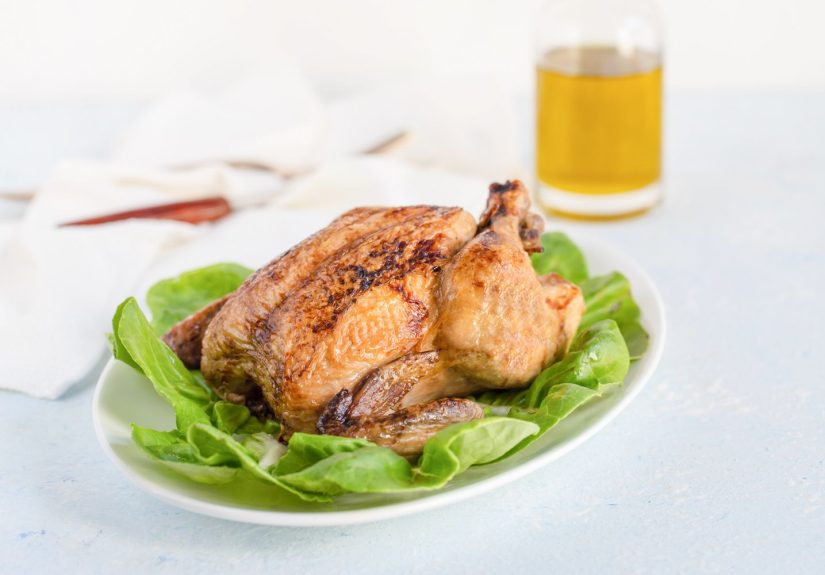
Visually, citrus and apricot glazes give hens a deep golden or amber sheen. Serve each hen on a warm plate, maybe halved with one side leaning on the other, and spoon a little extra glaze or pan juice over the top to show off that shine.
Common Glaze Mistakes (And How to Fix Them)
“My glaze burned before the hens were done.”
You probably glazed too soon, your oven ran hot, or the sugar content was very high. Next time, wait until the last 15–20 minutes, reduce the oven temperature slightly, and use thinner layers of glaze rather than one heavy coat.
“The hens were done, but the skin didn’t brown.”
Make sure the birds are well dried and roasted initially without foil, and that you’re not overcrowding the pan. For extra color, you can move the hens under the broiler for a minute or two at the very endbut watch closely, and don’t walk away.
“The glaze slid right off.”
If there’s too much liquid in the pan or on the skin, the glaze won’t cling. Let the surface dry out a bit during roasting, and cook your glaze until it’s syrupy, not watery. A little cornstarch slurry (1 teaspoon cornstarch mixed with 2 teaspoons water) stirred in while simmering can help thicken if needed.
Real-Life Experiences & Ideas With Citrus and Apricot Glazed Hens
One of the best things about Cornish game hens is how easily they impress. People see their own tiny roast bird arrive at the table and instantly assume you spent hours sweating in the kitchen. You don’t have to correct them. You can just smile and say, “It’s my citrus–apricot hen night.”
A “mini turkey” for small holidays
For couples, small families, or Friendsgiving gatherings, citrus- or apricot-glazed hens are a smart alternative to a huge turkey. Instead of wrestling a 14-pound bird into the oven, you slide in four little hens, glaze them with an orange–soy–honey mixture, and call it a day.
Because each hen roasts more quickly, you’re less likely to run into the classic turkey crisis (“the outside is dry and the inside is still underdone”). You also get more evenly crisp skin and a higher glaze-to-meat ratio on every plate. People who love the caramelized bits will be very happy.
Weeknight “fancy” without the stress
Citrus and apricot glazes are pantry-friendly. Many home cooks keep soy sauce, honey, mustard, and a jar of preserves in the fridge already. That means you can grab a couple of frozen Cornish hens, thaw them, and turn a random weekday into something special with just a few extra minutes of stirring and brushing.
One practical approach: while the hens roast, simmer your glaze, throw baby potatoes in the pan to roast alongside, and toss a quick salad. By the time the internal temperature hits 140°F, you’re ready to start brushing on that glossy orange or apricot mixture. Total “hands-on” time is surprisingly low, but the payoff is huge.
Experimenting with flavor mashups
Once you’ve tried a basic orange or apricot glaze, it gets addictivein a good way. People start playing with:
- A squeeze of lime in an orange–honey glaze for extra tang.
- A spoonful of apricot preserves added to a lemon–herb glaze for a sweet twist.
- A pinch of red pepper flakes in an apricot–soy mixture for a gentle kick.
- Fresh herbs (rosemary, sage, thyme) mixed into the glaze or sprinkled on right after roasting.
You quickly realize glazes are basically edible paint. Citrus gives brightness, apricot gives body and sweetness, soy sauce brings umami, mustard brings tang, and ginger or garlic add depth. Once you understand those roles, you can improvise confidently.
Make-ahead and entertaining hacks
Glazed Cornish hens are also friendly to hosts who like to plan ahead:
- Mix your glaze a day or two in advance and store it in the fridge. The flavors meld and deepen over time.
- Season the hens in the morning, let them sit uncovered in the fridge to dry the skin slightly, then roast and glaze in the evening. Drier skin = better browning.
- For a big dinner, roast the hens almost to temperature, rest them, then return them to a hot oven with a fresh coat of glaze for 5–10 minutes right before serving. This re-warms the meat and gives you a just-glazed shine.
Hosts often report that once they switch from a giant roast to individual Cornish game hens with a citrus or apricot glaze, they never go back. It’s easier to serve, easier to portion, and looks way more “special occasion” in photos.
Final thoughts: choose your flavor, enjoy the glow
Whether you lean toward zesty orange–soy, herbal lemon–honey, or rich apricot–ginger, a good glaze turns a simple Cornish game hen into a centerpiece. The key is balance: enough sweetness to caramelize, enough acidity to stay bright, enough salt to be satisfying, and the patience to brush on thin layers toward the end of roasting.
Start with one favorite glaze from this guide, then tweak it each timemore citrus, less honey, a new herb, a dash of whiskey. Before long, you’ll have your own signature “house glaze” that friends and family request by name. And you’ll know that underneath that glossy, golden-brown skin is a perfectly cooked, tender hen you can be proud of.