Table of Contents >> Show >> Hide
- What Is a Cystoscopy?
- Why It’s Done
- Types of Cystoscopy and Where It Happens
- What Happens During the Procedure
- Does Cystoscopy Hurt?
- How to Prepare for a Cystoscopy
- Recovery: What’s Normal vs. What’s Not
- Risks and Possible Complications
- Results: When Will You Know Something?
- Questions to Ask Your Provider
- : Real-Life Experiences and What People Commonly Feel
- Conclusion
- SEO Tags
If you’ve been told you need a cystoscopy, you’re probably imagining a tiny camera going on an
“all-access tour” of your bladderbecause that’s exactly what’s happening. The good news: it’s a very common
urology procedure, it’s usually quick, and most people walk out thinking, “Okay… that was more awkward than
awful.” The better news: cystoscopy can answer important questions fastlike why you have blood in your urine,
why you keep getting UTIs, or whether a bladder issue needs treatment (or simply a deep breath and a plan).
This guide breaks down why cystoscopy is done, what happens during the procedure,
how to prepare, and what recovery typically looks likewith practical tips and realistic
expectations, minus the medical mumbo jumbo.
What Is a Cystoscopy?
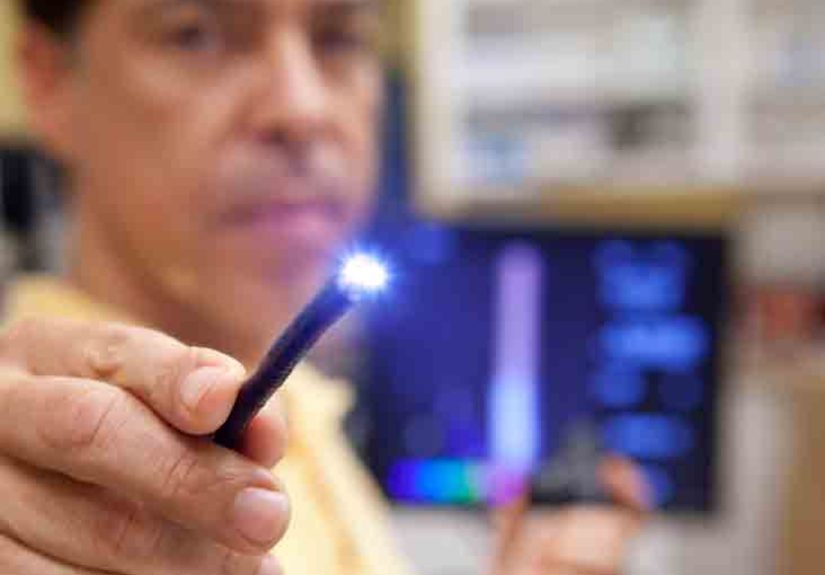
A cystoscopy (also called cystourethroscopy) is a procedure where a clinician uses a thin
instrument called a cystoscopea narrow tube with a light and camerato look inside your
urethra (the tube that carries urine out of your body) and your bladder.
The view is direct, meaning your provider isn’t guessing based on symptoms or imagingthey’re actually seeing
the inside lining in real time.
Cystoscopes come in two main styles:
-
Flexible cystoscope: thinner and bendable, often used in an office setting for diagnostic
checks. -
Rigid cystoscope: straighter and usually used in a procedure room/operating room when your
provider needs to do something more involved (like biopsies or certain treatments).
Why It’s Done
Cystoscopy is used to diagnose, monitor, or sometimes treat
conditions involving the bladder and urethra. Think of it as your urinary tract’s “inspection camera.”
Common reasons your provider may recommend cystoscopy
- Blood in the urine (gross hematuria you can see, or microscopic hematuria found on testing)
- Frequent urinary tract infections, especially if they keep coming back
- Painful urination, urgency, or unexplained urinary symptoms
- Difficulty urinating or suspected blockage
- Bladder cancer evaluation (diagnosis) or surveillance after treatment
- Bladder stones or suspected foreign body
- Abnormal urine tests (for example, suspicious cells on urine cytology)
A real-world example
Say a 52-year-old notices pink urine after a run and assumes it’s dehydration. A urine test still shows blood
a week later. Imaging can help, but cystoscopy can directly check the bladder lining for sources of bleeding,
inflammation, stones, or tumors. That clarity is exactly why cystoscopy is a cornerstone test in many hematuria
evaluations.
Types of Cystoscopy and Where It Happens
Not all cystoscopies are created equal. The “version” you get depends on what your clinician needs to learn
(or do) and what kind of comfort measures are appropriate.
Office (outpatient) cystoscopy
Many diagnostic cystoscopies are done in a clinic. A flexible cystoscope is commonly used, and the urethra is
numbed with a local anesthetic gel. You’re typically awake, and the whole thing is often over in minutes.
Hospital or procedure-center cystoscopy
If a biopsy is planned, if you need a more involved treatment, or if you require deeper anesthesia, cystoscopy
may be done in a hospital or ambulatory surgery center. You might receive sedation or general anesthesia, which
changes your preparation (and usually means you’ll need someone to drive you home).
What Happens During the Procedure
Cystoscopy sounds intimidating until you see how structured it is. Here’s the typical flowyour provider may
adjust details based on your anatomy, symptoms, and whether anything extra (like a biopsy) is planned.
Step-by-step: what to expect
-
Check-in and urine sample:
You may be asked to provide a urine sample first. This can help rule out infection and check for blood or
other clues. -
Positioning and cleaning:
You’ll lie on an exam table. The area around the urethral opening is cleaned with antiseptic. -
Numbing:
A local anesthetic gel is placed into the urethra to reduce discomfort. This usually works quickly. -
Insertion of the cystoscope:
The scope is gently inserted through the urethra into the bladder. You may feel pressure, a strong urge to
urinate, or a “weird awareness” more than sharp pain. -
Bladder filling for visibility:
Sterile fluid is often used to fill the bladder so the lining can be seen clearly. This is the part that
can make you feel like you need to pee right now. -
Inspection (and possible add-ons):
The provider looks around the bladder lining and urethra. If needed, they can pass tiny instruments through
the scope to take a biopsy, remove a small stone, or treat a small area. -
Finish and recovery instructions:
The scope comes out, you may urinate afterward, and you’ll get guidance on what’s normal vs. what’s not.
How long does it take?
Many office cystoscopies are short. More involved procedures (especially those done with sedation or general
anesthesia) can take longer, including prep and recovery time.
Does Cystoscopy Hurt?
The honest answer: it’s usually more uncomfortable than painful, but everyone’s experience varies.
People often describe:
- pressure or a pinching sensation during insertion
- burning the first few times they urinate afterward
- strong urgency while the bladder is filled with fluid
Your comfort is not an afterthought. If you’re anxious, have a history of pelvic pain, or have had difficulty
with prior procedures, tell your clinician. There may be optionsextra numbing time, different positioning,
slower pacing, or sedation in appropriate cases.
How to Prepare for a Cystoscopy
Preparation depends on whether your cystoscopy is done in the office with local anesthesia or in a procedure
setting with sedation/general anesthesia. Either way, the goal is the same: keep you safe, reduce infection
risk, and make the procedure go smoothly.
Before your appointment: the essentials
-
Tell your provider about symptoms of a UTI:
If you have burning, fever, cloudy urine, or feel like you might have an infection, say so. A cystoscopy is
often postponed if you have an active UTI. -
Share your medication list:
This includes blood thinners, aspirin, anti-inflammatory meds, diabetes medications, and supplements.
Don’t stop anything on your ownyour clinician will tell you what to do based on your risk and the type of
cystoscopy planned. -
Discuss allergies:
Especially allergies to medications, latex, or antiseptics. -
Ask about antibiotics:
Some peopleparticularly those at higher infection riskmay be prescribed antibiotics before/after the
procedure. -
Plan your ride if sedation is used:
If you’re getting sedation or general anesthesia, you’ll likely need someone to drive you home.
Food and drink rules
For many office cystoscopies, you may be able to eat and drink normally. If you’re receiving sedation or
general anesthesia, you may be instructed to fast for a certain number of hours beforehand. Follow the
instructions you’re giventhis is one of those “rules” that’s less about convenience and more about preventing
serious anesthesia complications.
What to bring (yes, really)
- a list of your medications (or photos of the bottles)
- your allergy list
- a pad/liner if you want extra peace of mind for mild spotting afterward
- someone to drive you home if sedation is planned
- questionsbecause it’s your body and you’re allowed to ask
Recovery: What’s Normal vs. What’s Not
Most people recover quickly, especially after a simple diagnostic cystoscopy. It’s common to feel mild urinary
irritation afterwardyour urinary tract just had a visitor, and it wasn’t exactly invited to brunch.
Common, expected side effects
- Burning with urination for a day or two
- Frequent urination or urgency for a short time
- Pink-tinged urine or a small amount of blood
- Mild lower abdominal discomfort
Helpful aftercare habits
-
Drink extra fluids (unless you were told to restrict fluids):
This can help flush the bladder and reduce irritation. - Take it easy the rest of the day if you feel crampy or tired.
-
Use comfort measures:
Some people find warmth helpful (like a warm compress over the lower abdomen).
When to call your healthcare provider
Contact your clinician urgently if you have:
- fever or chills
- worsening pelvic pain
- cloudy, foul-smelling urine that doesn’t improve
- heavy bleeding, large clots, or bright red urine
- inability to urinate (urinary retention)
Risks and Possible Complications
Cystoscopy is generally considered safe, and serious complications are uncommon. Still, it’s a medical
procedure, so it’s worth knowing the potential risksespecially so you can recognize warning signs early.
Potential risks
- Urinary tract infection (UTI)
- Bleeding (usually mild; serious bleeding is rare)
- Pain or persistent burning with urination
- Urinary retention (temporary trouble urinating after the procedure)
- Injury to the urethra or bladder (rare)
- Reaction to anesthesia (risk depends on whether local vs. sedation/general is used)
Your personal risk can change based on age, medical conditions, anatomy, whether a biopsy is taken, and whether
you have an infection risk history. That’s why individualized instructions matter.
Results: When Will You Know Something?
Often, your provider can tell you what they saw right awayespecially for a straightforward diagnostic look.
If a biopsy is taken, lab results take longer (commonly days). Your clinician should tell you:
- what they observed during the exam (normal vs. abnormal findings)
- whether samples were collected (and what’s being tested)
- what the next step is (follow-up visit, medication, imaging, treatment)
Questions to Ask Your Provider
- Is this a flexible office cystoscopy or a procedure with sedation?
- Do I need to stop any medications (especially blood thinners)?
- Will you take a biopsy or do any treatment during the cystoscopy?
- What symptoms after the procedure are “normal,” and which mean I should call?
- When and how will I get results?
: Real-Life Experiences and What People Commonly Feel
Let’s talk about the part people Google at 1:00 a.m.: “What does a cystoscopy feel like… for real?”
While every body is different, there are some patterns that show up again and again in patient experiences.
The biggest theme is surprisemany people expect intense pain, but end up describing the procedure as
uncomfortable, strange, and fast.
The first emotional wave is usually anticipation. People often say the waiting room feels longer than the
procedure itself (time does that fun elastic thing when you’re nervous). If the cystoscopy is done in-office,
patients commonly report that the numbing gel helps more than they expected, but they still feel pressure during
insertion. The sensation is frequently compared to “a strong urge to pee” or “a pinch and then pressure,”
rather than sharp pain.
The bladder-filling step is the moment that gets the most dramatic reviews. When sterile fluid is used to open
the bladder for a better view, many people describe it as the instant you realize your bladder has opinions.
It can feel like you have to urinate immediately. Knowing this ahead of time helps: that urge
is common, expected, and temporary. Some patients find it reassuring when clinicians narrate what’s happening,
like a GPS for your anxiety: “You’ll feel pressure now… we’re almost done… you can pee right after.”
Afterward, a lot of experiences sound similar: “I felt fine, then the first pee stung.” Burning with urination
for a day or two is a frequent complaint, and people often say the first trip to the bathroom is the most
noticeable. Many describe urine looking light pink for a short time. For most, symptoms fade quicklyespecially
with good hydrationthough if a biopsy or additional work is done, irritation can last longer.
Practical comfort tips that patients commonly appreciate include wearing easy-to-remove clothing, bringing a
panty liner or light pad “just in case,” and planning a low-key schedule for the rest of the day. People also
frequently mention that sipping water afterward and taking short walks helps them feel normal againlike
reminding the body, “Hey, we’re safe; we’re done.”
The most important “experience lesson” is knowing what’s not normal. Patients who had an easy time
still emphasize that if you develop fever, worsening pelvic pain, heavy bleeding, clots, or you can’t urinate,
you shouldn’t tough it out. Those symptoms are your body’s way of requesting professional attention, not a
motivational speech.
Bottom line: many people go into cystoscopy expecting a horror story and leave thinking, “That was awkward, but
manageable.” And if you’re not in the “manageable” group, that matters tootell your clinician. Comfort and
safety aren’t bonuses; they’re part of the plan.
Conclusion
A cystoscopy is one of the most direct ways to understand what’s happening inside the bladder and urethra.
Whether the goal is to investigate blood in the urine, explain recurring UTIs, monitor bladder conditions, or
take a closer look at suspicious findings, it provides clarity that other tests can’t always match. With the
right preparationknowing what to expect, following medication and fasting instructions when needed, and
understanding typical recoverymost people get through cystoscopy with minimal downtime and maximum answers.