Table of Contents >> Show >> Hide
- What Is a Classic French Rattan Bistro Chair?
- A Brief History: From Paris Terraces to Global Interiors
- Why Rattan Works So Well
- The Design Appeal: Why These Chairs Never Look Tired
- How to Use French Rattan Bistro Chairs at Home
- How to Identify a Quality Bistro Chair
- Best Colors and Patterns for Classic French Bistro Chairs
- Care and Maintenance Tips
- Buying Advice: Authentic, Vintage, or Reproduction?
- Design Sleuth Styling Formula
- Personal Experience: Living With Classic French Rattan Bistro Chairs
- Conclusion: The Enduring Charm of French Rattan Bistro Chairs
Few chairs can make a kitchen corner feel like a Paris sidewalk before the coffee even brews. The classic French rattan bistro chair is one of those rare design pieces that carries atmosphere in its bonesor, more accurately, in its bent rattan frame, woven seat, and cheerful café confidence. It looks casual, but it has a resume. It belongs to terraces, brasseries, breakfast nooks, garden patios, boutique hotels, and the kind of dining rooms where someone says, “Let’s keep dinner simple,” then brings out linen napkins anyway.
At first glance, a French bistro chair seems easy to understand: lightweight frame, woven pattern, curved back, relaxed posture. But look closer and you’ll find a surprisingly rich design story. These chairs connect handcraft, café culture, urban life, hospitality durability, and a very French talent for making practical objects look like they were born wearing a scarf.
This design sleuth guide explores what makes classic French rattan bistro chairs so enduring, how to identify quality, where they work best in modern homes, and why this humble café seat has become a global decorating favorite.
What Is a Classic French Rattan Bistro Chair?
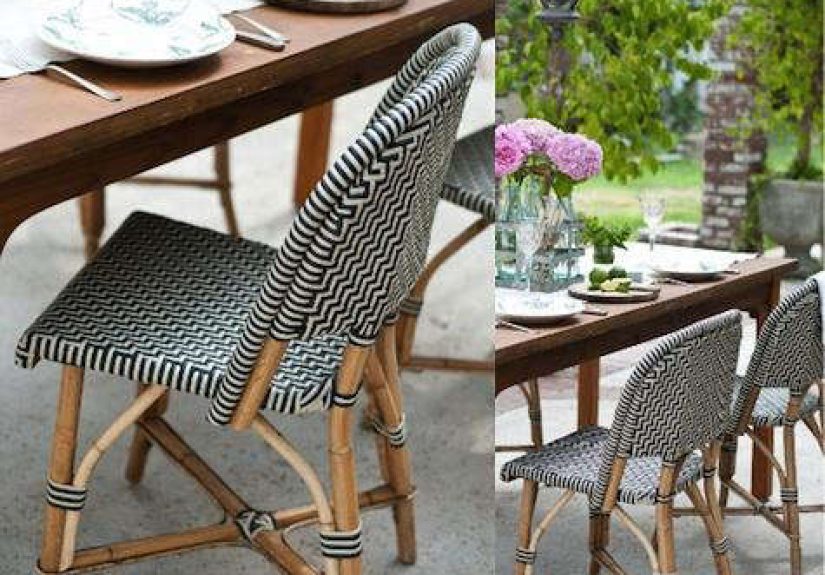
A classic French rattan bistro chair is a lightweight dining or café chair traditionally made with a bent rattan frame and a woven seat and back. The silhouette usually includes rounded rails, slim legs, a gently curved back, and a decorative woven pattern that can range from simple checks to diamonds, stripes, herringbone, or bold two-tone designs.
The most recognizable versions are associated with Parisian café terraces. They are the chairs you picture beside tiny round tables, under striped awnings, next to an espresso, a croissant, and possibly someone pretending not to people-watch while absolutely people-watching.
Key Features of the Style
The classic French bistro chair usually includes several defining details:
- Bent rattan or rattan-look frame: Curved for comfort, lightness, and elegance.
- Woven seat and back: Traditionally natural cane or rattan; often synthetic fiber in modern outdoor versions.
- Compact proportions: Perfect for cafés, small kitchens, balconies, and breakfast corners.
- Decorative patterns: Checkerboard, chevron, diamond, stripe, and custom color combinations.
- Easy movement: Light enough to pull out, tuck in, stack, or rearrange without performing a full-body workout.
The result is a chair that feels refined but never fussy. It can sit beside marble, oak, zinc, tile, concrete, or a farmhouse table and somehow behave itself.
A Brief History: From Paris Terraces to Global Interiors
The French rattan bistro chair became closely linked to the rise of Parisian sidewalk cafés and brasseries. As Paris modernized and outdoor dining became part of the city’s social rhythm, cafés needed seating that was durable, lightweight, attractive, and easy to move. Heavy upholstered chairs were not exactly eager to spend their lives being dragged across pavement, so rattan stepped in like the charming understudy who steals the show.
Maison Louis Drucker, founded in Paris in 1885, is one of the most famous historic makers associated with the Parisian bistro chair. Maison Gatti, founded in 1920, is another celebrated name in the tradition. Both are known for handcrafted café seating and colorful woven designs that helped define the look of French terraces.
Traditional chairs used natural rattan and cane, valued for their lightness, flexibility, and strength. Over time, many outdoor and hospitality versions evolved to include synthetic fibers that better resist moisture, fading, and daily wear. This is why today’s bistro chairs may look wonderfully old-world while quietly wearing the design equivalent of a raincoat.
Why Rattan Works So Well
Rattan is not just pretty. It is practical. Natural rattan comes from climbing palms and is prized in furniture making because it is strong, flexible, and lightweight. When heated or steamed, it can be bent into graceful curves, which explains those elegant rounded chair backs and arched frames.
For bistro chairs, rattan offers the magic combination of comfort and structure. It has enough give to feel welcoming, but enough backbone to support everyday dining. A good rattan bistro chair does not shout, “I am ergonomic!” It simply lets you finish a long conversation without secretly plotting your escape.
Natural Rattan vs. Synthetic Weave
When shopping for French bistro chairs, you will often see two major categories: natural rattan and synthetic woven materials.
Natural rattan is the traditional choice. It has warmth, character, and slight natural variation. It is best for indoor spaces, covered porches, sunrooms, and protected patios. It brings texture and authenticity, but it should not be left in harsh weather for long periods.
Synthetic weave, often paired with aluminum or rattan-style frames, is common in outdoor and commercial-grade bistro chairs. Materials such as polyethylene or other durable fibers can mimic the look of cane while offering better resistance to rain, sunlight, and spills. This is the option for families, restaurants, patios, and anyone whose backyard furniture regularly faces weather with dramatic flair.
The Design Appeal: Why These Chairs Never Look Tired
The French rattan bistro chair has stayed popular because it balances opposites beautifully. It is elegant but informal, nostalgic but adaptable, decorative but useful. It carries heritage without acting like a museum piece. Place one in a white kitchen and it looks crisp. Put six around a reclaimed wood table and it becomes relaxed. Add a pair to a balcony and suddenly the balcony has opinions about espresso.
They Add Pattern Without Chaos
Many rooms need pattern, but not every room needs wallpaper doing cartwheels. Bistro chairs offer a controlled dose of pattern through the weave. A black-and-white checkerboard seat can sharpen a kitchen. Blue-and-white stripes can suggest coastal ease. Green-and-cream diamonds can make a breakfast nook feel garden-fresh. The pattern is functional, not random, which makes it easier to live with over time.
They Bring Texture to Clean Interiors
Modern interiors often lean on smooth surfaces: quartz counters, painted cabinets, glass pendants, polished floors. A woven bistro chair breaks up that smoothness with texture. It adds shadow, handcraft, and a human touch. Even in a minimalist room, it keeps the space from feeling like nobody is allowed to eat toast.
They Work in Small Spaces
Because bistro chairs are typically compact and visually light, they are ideal for apartments, breakfast nooks, and narrow dining areas. Their open weave and slender frames do not block sightlines. In other words, they give you seating without making the room feel as though furniture has staged a coup.
How to Use French Rattan Bistro Chairs at Home
Classic French rattan bistro chairs are flexible enough to work in many rooms. Their café roots make them natural dining chairs, but they also shine as accent seating, desk chairs, vanity chairs, and porch companions.
In the Kitchen
A kitchen is one of the easiest places to use bistro chairs. Pair them with a small round pedestal table for a true café mood, or use them around a rectangular breakfast table for a casual family setup. In white kitchens, black-and-natural bistro chairs add contrast. In wood kitchens, blue, green, or red woven patterns add energy without overwhelming the room.
In the Dining Room
For a dining room, French bistro chairs can soften formal furniture. Try them with a marble-top table, a vintage farm table, or a clean-lined oak table. If you want a collected look, use bistro side chairs with upholstered host chairs at the ends. This gives the room personality without turning dinner into a design committee meeting.
On the Patio or Balcony
For outdoor use, choose chairs made specifically for exterior conditions. Synthetic woven seats, powder-coated aluminum frames, and weather-resistant finishes are helpful. A pair of bistro chairs with a small café table can turn even a tiny balcony into a charming morning-coffee zone. The square footage may be modest, but the vibe can still wear sunglasses.
In a Home Office
A bistro chair can work beautifully as a desk chair for light use. It is especially good in guest rooms, writing corners, or small offices where a bulky task chair would dominate the space. For long workdays, add a slim cushion or choose a chair with a supportive seat depth and comfortable back curve.
How to Identify a Quality Bistro Chair
Not all French bistro chairs are created equal. Some are handcrafted investment pieces; others are budget-friendly interpretations. Both can be useful, but quality matters if you want comfort, stability, and longevity.
Check the Frame
A good frame should feel steady, not wobbly. Natural rattan frames should have smooth bends, tight joints, and no major cracks. Outdoor versions with aluminum frames should feel sturdy but not clunky. If the frame looks like it might apologize under pressure, keep looking.
Inspect the Weave
The woven seat and back should be tight, even, and well-secured. Pattern alignment matters, especially on checkerboard or diamond designs. Loose strands, gaps, or uneven tension may lead to sagging over time.
Look at the Finish
Painted or lacquered rattan should have an even finish. Natural rattan should feel smooth, not splintery. For outdoor chairs, confirm whether the finish is designed for UV exposure and moisture.
Test the Comfort
Beautiful chairs still need to be sat in. Seat height, back angle, and seat depth all affect comfort. Most dining chairs work best around 18 inches in seat height, but always match the chair to your table. Nobody wants to dine with their knees auditioning for a magic trick.
Best Colors and Patterns for Classic French Bistro Chairs
Color is part of the bistro chair’s charm. The classic look often includes black, white, navy, red, green, natural rattan, or café brown. But modern versions have expanded into pale blue, blush, mustard, gray, and custom combinations.
Black and White
Black-and-white bistro chairs are timeless, graphic, and easy to style. They work with marble tables, black window frames, white kitchens, and modern farmhouse spaces. This is the safest choice if you want Parisian polish without guessing.
Blue and White
Blue-and-white chairs create a breezy, coastal feeling. They pair well with light wood, white walls, brass hardware, and natural fiber rugs. They are especially good in beach houses, sunrooms, and breakfast areas.
Green and Natural
Green woven bistro chairs feel fresh and garden-inspired. They look beautiful with plants, terracotta, warm woods, and cream walls. If your room needs life but not loudness, green is a smart move.
Red Accents
Red bistro chairs are bold and cheerful. Use them when the room can handle a little theater. A red-and-natural weave can look fantastic in a neutral kitchen, especially if repeated in small accents like artwork, flowers, or striped linens.
Care and Maintenance Tips
French rattan bistro chairs are relatively easy to maintain, but care depends on the material.
For Natural Rattan
Dust regularly with a soft cloth or vacuum brush attachment. Wipe spills quickly with a slightly damp cloth, then dry the area. Avoid soaking natural rattan, and keep it away from prolonged direct rain or intense humidity. If the chair lives near a sunny window, rotate it occasionally to prevent uneven fading.
For Synthetic Bistro Chairs
Synthetic weave is usually easier to clean. Use mild soap, water, and a soft cloth. Avoid harsh chemicals that can damage the finish. For outdoor chairs, store them under cover during extreme weather or use furniture covers to extend their life.
Buying Advice: Authentic, Vintage, or Reproduction?
There are three main ways to bring French rattan bistro chairs into your home: authentic handcrafted pieces, vintage finds, or modern reproductions.
Authentic handcrafted chairs are the investment route. They often offer custom colors, traditional techniques, and exceptional character. They are ideal for design lovers who want heirloom-quality pieces.
Vintage chairs can be full of charm, especially if the frame is solid and the weave is intact. Look for signs of repair, wobbling, broken cane, or weakened joints. A little patina is charming; structural panic is not.
Modern reproductions are widely available and often more affordable. Many are designed for busy homes and outdoor use. The best reproductions respect the classic silhouette while improving durability for modern life.
Design Sleuth Styling Formula
Here is a simple formula for making classic French rattan bistro chairs look intentional:
- Pair patterned chairs with a simple table.
- Repeat one chair color elsewhere in the room.
- Mix woven texture with smooth surfaces like marble, zinc, or painted wood.
- Use odd accents, such as a vintage mirror or café curtain, to support the French mood.
- Keep the setting relaxed; bistro chairs do not need a room that tries too hard.
The secret is restraint. Let the chairs bring the wink. The rest of the room can simply smile politely.
Personal Experience: Living With Classic French Rattan Bistro Chairs
There is a particular pleasure in using French rattan bistro chairs every day. They do not feel like formal dining chairs that expect everyone to sit up straight and discuss tax policy. They feel approachable. Pull one out in the morning, and it immediately changes the mood of a kitchen. Coffee tastes slightly more intentional. A bowl of cereal begins to believe it is brunch.
One of the best experiences with these chairs is how easily they refresh a space without requiring a full renovation. A plain white kitchen can become warmer with natural rattan and navy weaving. A small apartment dining corner can feel charming instead of cramped. Even a rental can gain personality because bistro chairs bring pattern, shape, and texture without touching the walls, floors, or security deposit.
They are also surprisingly practical in homes where life is not staged for a magazine. The woven seat hides small crumbs better than a flat upholstered cushion, which is useful if toast has a dramatic personality in your household. Synthetic versions wipe clean quickly, making them friendly for families, patios, and casual entertaining. Natural rattan versions require more care, but they reward you with warmth and character that improves a room instantly.
Comfort is another pleasant surprise. A well-made bistro chair has a supportive seat and a gentle back curve. It encourages lingering, which is exactly what café furniture should do. These chairs were not designed for people to sit for twelve seconds and leave. They were designed for conversation, reading, sipping, waiting, watching, and pretending your errands are less urgent than they are.
The design also plays nicely with different moods. In spring, a blue-and-white bistro chair with a vase of tulips feels fresh and cheerful. In summer, the same chair on a balcony feels vacation-ready. In fall, it looks cozy beside a wood table and amber glassware. In winter, it keeps a kitchen from feeling too heavy. That year-round flexibility is one reason the style keeps returning to interiors decade after decade.
The only real challenge is choosing a pattern. There are too many good options, which is a delightful problem but still a problem. Black-and-white is crisp and classic. Green feels charming. Navy suggests coastal cafés. Red adds courage. Natural rattan is calm and timeless. The best choice depends on whether you want the chair to blend in or become the room’s small, stylish exclamation point.
In everyday use, classic French rattan bistro chairs prove that good design does not need to be loud. They are useful, beautiful, flexible, and full of quiet personality. They make ordinary meals feel a bit more like occasions. And honestly, any chair that can make leftover pasta feel like a Paris lunch has earned its place at the table.
Conclusion: The Enduring Charm of French Rattan Bistro Chairs
Classic French rattan bistro chairs endure because they solve real design problems with grace. They are light, comfortable, decorative, and adaptable. They bring a sense of place without becoming a theme. They reference Parisian café culture, but they do not require a view of the Seine or a waiter with impressive eyebrow control.
Whether you choose authentic handcrafted chairs, vintage finds, or durable modern reproductions, the appeal is the same: texture, charm, comfort, and everyday elegance. A French rattan bistro chair is more than a seat. It is a little invitation to slow down, gather around, and make even Tuesday lunch feel designed.
Note: Original SEO article written in standard American English and synthesized from real design, maker, retailer, and furniture-history information; source links are intentionally omitted for clean web publishing.