Table of Contents >> Show >> Hide
- Quick Symptom Decoder: What Your Dishwasher Is Trying to Tell You
- 11 Expert Solutions for a Dishwasher That’s Not Cleaning Properly
- 1) Clean the Filter (Yes, Your Dishwasher Has One)
- 2) Unclog the Spray Arms and Make Sure They Spin Freely
- 3) Stop Overloading (Water Can’t Clean What It Can’t Reach)
- 4) Use “Scrape, Don’t Pre-Rinse” (Your Dishwasher Has Sensors)
- 5) Make Sure the Water Is Hot Enough (Aim for About 120°F at the Tap)
- 6) Use the Right Detergent (and the Right Amount)
- 7) Add Rinse Aid (Especially for Spots, Film, and Drying Issues)
- 8) Deal with Hard Water (It Can Quietly Ruin Wash Performance)
- 9) Check the Detergent Dispenser (and Don’t Block It)
- 10) Run the Right Cycle (Quick Wash Is Not a Miracle Worker)
- 11) Deep Clean the Dishwasher (and Know When It’s a Mechanical Problem)
- Call-a-Pro Red Flags (Don’t DIY Your Way into a Flood)
- Prevention: Keep Your Dishwasher Cleaning Like It’s New
- Experience Notes: Real-World Dishwasher Fixes People Actually Notice (500+ Words)
- Conclusion
Your dishwasher has one job: turn last night’s lasagna crime scene into sparkling plates. So when it “finishes” a cycle and
you open the door to find gritty forks, cloudy glasses, or a mysterious pepper-flake confetti situation… yeah. That’s not a vibe.
The good news: most “dishwasher not cleaning properly” complaints come from a handful of fixable issuesairflow and waterflow problems,
detergent mistakes, water temperature hiccups, and normal gunk buildup in filters and spray arms. The better news: you can troubleshoot
a lot of it in under an hour, with zero advanced engineering degrees and only mild annoyance.
Below are 11 expert solutions that tackle the most common reasons a dishwasher won’t clean dishesplus specific examples,
quick tests, and “call-a-pro” red flags. (Because sometimes the problem isn’t you. It’s the inlet valve.)
Quick Symptom Decoder: What Your Dishwasher Is Trying to Tell You
- Gritty stuff on dishes: Filter is dirty, spray arms are clogged, or you’re overloading the racks.
- Greasy film: Water isn’t hot enough, wrong cycle, or detergent isn’t dissolving.
- Detergent still in the dispenser: Dispenser blocked, pods placed wrong, low water flow, or spray arms not spinning.
- Cloudy glasses / spots: Hard water, no rinse aid, or mineral buildup.
- Bad smell + poor cleaning: Filter and drain area need attention (and possibly a deep clean).
11 Expert Solutions for a Dishwasher That’s Not Cleaning Properly
1) Clean the Filter (Yes, Your Dishwasher Has One)
If your dishwasher is leaving food bits behind, the filter is the first suspect. Many modern dishwashers use a removable filter
that catches debris so it doesn’t redeposit on your dishes. But when that filter gets clogged, water flow drops, and performance tanks.
What to do: Pull out the bottom rack, locate the filter (usually bottom center), remove it, and rinse under warm water.
Use a soft toothbrush for stuck-on gunk. Skip anything scratchyfilters don’t like aggressive “confidence scrubbing.”
Pro tip: If the filter is greasy, soak it for a few minutes in warm, soapy water. Then rinse and reinstall securely.
Running the dishwasher without the filter properly seated can cause problems (and can be rough on the machine).
2) Unclog the Spray Arms and Make Sure They Spin Freely
Spray arms are the spinning “sprinklers” that blast water around the tub. If their tiny holes clog with food bits or mineral deposits,
the water pressure dropsmeaning your plates get a gentle mist instead of a proper wash.
What to do: With racks pulled out, spin the spray arms by hand. They should rotate smoothly and not smack into tall items.
Check the holes: if you see debris, rinse the arm under hot water and carefully clear holes with a toothpick or soft pick.
Example: If the top rack dishes are always dirty, the upper spray arm or feed tube may be blocked, misaligned, or not getting water.
3) Stop Overloading (Water Can’t Clean What It Can’t Reach)
Overloading is the #1 way to “save time” and accidentally create a dish pile that needs a second cyclemeaning you saved nothing except disappointment.
When items are packed too tightly, water and detergent can’t circulate, and you end up with shadowy unwashed zones.
What to do: Leave small gaps between plates and bowls. Face the dirtiest surfaces toward the spray (generally inward and downward).
Don’t nest bowls like they’re auditioning for a storage container commercial.
- Bottom rack: Plates, pots, pansangled so water can hit surfaces.
- Top rack: Glasses, mugs, small bowlstilted downward so water drains.
- Utensils: Mix forks/spoons so they don’t spoon each other and block cleaning; keep sharp knives point-down for safety.
4) Use “Scrape, Don’t Pre-Rinse” (Your Dishwasher Has Sensors)
It sounds backward, but many newer machines use sensors to detect soil levels and adjust the cycle. If you pre-rinse until plates look
practically clean, the dishwasher may decide, “Cool, light work,” and run a shorter cycle that doesn’t fully clean the load.
What to do: Scrape solids into the trash/compost, but don’t give every plate a spa treatment before loading.
(If something is basically cemented onlike baked-on oatmealsoaking is fair game.)
5) Make Sure the Water Is Hot Enough (Aim for About 120°F at the Tap)
Dishwashers need hot water to dissolve detergent and cut grease. If the water entering the machine is too cool, detergent may not activate
fully, leaving residue and greasy film.
What to do: Before starting the dishwasher, run the kitchen hot water until it’s hot, then start the cycle.
If your home’s hot water is consistently lukewarm, check your water heater settings and household hot-water performance.
Quick test: If you have a thermometer, measure hot water at the sink. If it’s far below the typical target range,
you’ve found a likely culprit.
6) Use the Right Detergent (and the Right Amount)
Using too little detergent can leave food behind. Using too much can leave residue and film. Using the wrong product (like hand dish soap)
can create suds that interfere with washing and can even cause leaks. Your dishwasher wants low-sudsing detergent made for dishwashersno exceptions.
What to do: Use automatic dishwasher detergent only. Follow the package dosing guidance, and adjust for water hardness:
hard water often needs a bit more cleaning power; soft water often needs less to avoid residue.
Pod note: If you use pods, place them in the dispenser unless your manufacturer says otherwise.
Tossing a pod into the bottom can work on some modelsbut on others it dissolves too early and performance drops.
7) Add Rinse Aid (Especially for Spots, Film, and Drying Issues)
Rinse aid helps water sheet off dishes instead of clinging in droplets. That means fewer water spots, less film, and often better drying.
If your glasses look like they survived a light salt storm, rinse aid is a strong move.
What to do: Fill the rinse-aid compartment and set the dial/setting to a middle level. If you still see spotting, increase slightly.
If you see bluish streaks or weird residue, dial it down.
8) Deal with Hard Water (It Can Quietly Ruin Wash Performance)
Hard water minerals (calcium and magnesium) reduce detergent effectiveness and leave spots, haze, and buildup inside the machine.
Over time, mineral deposits can clog spray arms and coat internal partslike your dishwasher is slowly turning into a limestone cave.
What to do:
- If your dishwasher has a built-in softener, use the recommended regeneration salt and settings.
- Consider a whole-home water softener if hardness is high and problems are constant.
- Use a dishwasher cleaner/descaler periodically to reduce mineral buildup (follow the product and appliance guidance).
Example: If your dishes are “clean” but cloudy and rough-feeling, and your shower doors also spot easily, hard water is a prime suspect.
9) Check the Detergent Dispenser (and Don’t Block It)
If the detergent door doesn’t open fully, your detergent can’t do its job. The cause is often hilariously simple:
a large cutting board, pan, or cookie sheet parked directly in front of the dispenser like a bouncer.
What to do: Make sure tall items aren’t blocking the dispenser door. Confirm the dispenser snaps closed properly and isn’t gummed up.
If you consistently find undissolved detergent, combine this check with the spray-arm check and water-temperature check.
10) Run the Right Cycle (Quick Wash Is Not a Miracle Worker)
“Quick” cycles are designed for lightly soiled dishes. If you load it with baked-on casserole and run a short cycle, the dishwasher is going to do its best…
and your casserole is going to win.
What to do:
- Use Normal for everyday loads.
- Use Heavy or Intensive for pots, pans, and sticky messes.
- Enable High Temp or Sanitize (if available) when grease or residue is an issue.
- Use Heated Dry or the recommended drying option if dishes are wet and spotty after washing.
11) Deep Clean the Dishwasher (and Know When It’s a Mechanical Problem)
Even if you never miss a cycle, dishwashers still accumulate grease, soap scum, and mineral deposits. A periodic deep clean can restore cleaning power,
improve smell, and prevent clogs.
What to do: Clean the filter and spray arms first. Then run a cleaning cycle using a dishwasher cleaner tablet or a method approved by
your manufacturer. Many guides suggest vinegar/baking soda approaches, but check your owner’s manual and avoid overdoing acidic cleaners if your machine
has components that could be affected over time.
When to suspect a mechanical issue: If you’ve cleaned the filter and arms, you’re using proper detergent, the water is hot, and loading is correct
but dishes are still dirtythen it may be a water-fill, heating, or pumping problem.
Call-a-Pro Red Flags (Don’t DIY Your Way into a Flood)
- Not enough water in the tub during operation (weak spray, detergent not dissolving).
- Persistent standing water at the bottom after cycles (drain problem).
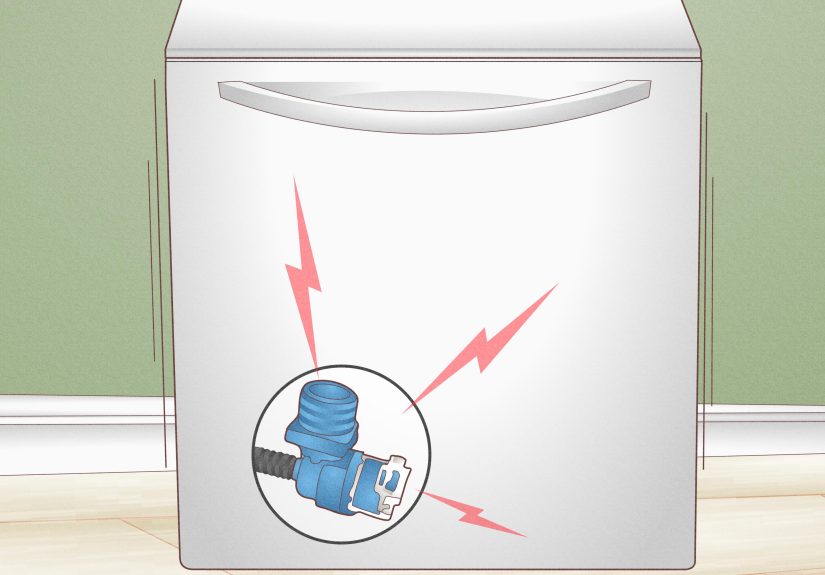
- Loud knocking/hammering beyond normal spray sounds (possible valve/water issues).
- No heat on heated cycles, greasy film that won’t quit (heater or thermostat issues).
- Leaks or repeated error codes (shut it down and get help).
Prevention: Keep Your Dishwasher Cleaning Like It’s New
- Scrape solidsdon’t load chunky leftovers and hope for the best.
- Clean the filter regularly (monthly is a great baseline; more if you cook a lot).
- Check spray arms every few weeks, especially in hard-water areas.
- Use rinse aid and the correct detergent dose for your water hardness.
- Run hot water at the sink before starting if your kitchen is far from the water heater.
- Use the right cycle for the mess level (Quick Wash is not a personality trait).
Experience Notes: Real-World Dishwasher Fixes People Actually Notice (500+ Words)
Here’s what tends to happen in real kitchenswhere time is short, the sink is full, and nobody wants to hand-wash a mountain of dishes.
These experience-based scenarios mirror the most common “dishwasher not cleaning dishes” complaints and how the fix usually plays out.
Scenario 1: “Everything feels grittylike sand on my plates.”
This is one of the most common experiences in homes that run the dishwasher daily. The cycle ends, the dishes look mostly clean, but you can feel
tiny particlesespecially on glassware and the top rack. In many cases, the filter is the culprit. People are often surprised that their dishwasher
even has a removable filter, so it goes months (or years) without cleaning. The first time they rinse it out, the water runs murky, and the “grit”
problem suddenly disappears. What’s happening is simple: the dishwasher is washing, but it’s also recirculating water that’s carrying debris because
the filter can’t trap it efficiently anymore. The moment you restore water flow and filtration, the machine stops redecorating your plates with
yesterday’s crumbs.
Scenario 2: “The bottom rack is fine, but the top rack is always dirty.”
This experience often points to an upper spray-arm issue: clogged holes, a spray arm that isn’t spinning, or a water-feed tube that isn’t aligning.
In real life, it sometimes happens right after someone loads a tall cutting board or a big platter in a way that blocks movement. After that,
every cycle feels “half-clean.” People clean the filter, change detergent, even switch brandsyet the top rack still loses. The fix that usually
changes everything is checking that the spray arm rotates freely and that the little spray jets aren’t blocked by mineral deposits. Once the arm
can spin and spray properly, the top rack stops being the dishwasher’s neglected roommate.
Scenario 3: “There’s a greasy film, especially after pasta night.”
Grease is stubborn, and a lukewarm dishwasher is basically a grease’s favorite hangout. Many households notice this issue most in winter,
or when the first run of hot water in the kitchen takes a while to heat up. If the dishwasher starts with cooler water, detergent can struggle to
dissolve fully and grease doesn’t break down as well. The real-world change people feel immediately is running the sink hot for a minute before
starting the cyclesuddenly the detergent performs like it was meant to, and the greasy haze fades. Another “aha” moment: switching from a quick
wash to a normal/heavy cycle for greasy loads. Fast cycles can be greatuntil you ask them to fight butter and baked cheese.
Scenario 4: “My glasses are cloudy, but they’re ‘clean.’”
This experience is extremely common in hard-water areas. People will describe their glasses as looking dull or chalky even when no food is left behind.
Sometimes the cloudiness is removable (mineral film), and sometimes it’s permanent etching from repeated cycles with harsh conditions.
In many homes, adding rinse aid makes a noticeable difference within the first load: fewer droplets, fewer spots, brighter glass.
If the spotting keeps coming back, the longer-term experience-based solution is tackling water hardnesseither via a built-in softener setting (if the
dishwasher has it), a whole-home softener, or consistent descaling/cleaning routines approved for the appliance.
Scenario 5: “The detergent is still in the dispenser when the cycle ends.”
This is one of those moments that feels like your dishwasher is trolling you. In many real kitchens, the cause is a simple loading mistake:
a pan or baking sheet placed in front of the dispenser door. Once that blocking item moves, the detergent finally releases at the right time.
If it’s not a blockage, households often discover a second pattern: the water isn’t hot enough at the start, or the spray arm isn’t generating enough
force to distribute water effectively. Correcting those two issues tends to stop the “unused detergent” surprise.
Conclusion
When a dishwasher isn’t cleaning properly, it’s usually not “broken” right awayit’s more often blocked, cooled down, overdosed, under-dosed,
overpacked, or scaled up with minerals. Start with the basics: filter, spray arms, loading, hot water, and the right detergent routine.
Then level up with rinse aid, hard-water fixes, cycle selection, and periodic deep cleaning. If you still get dirty dishes after all that,
the problem may be water fill, heating, or pumpingand that’s when calling a pro saves time (and flooring).