Table of Contents >> Show >> Hide
- Meet Dumb Cane: A Surprisingly Smart Houseplant
- Light: Bright but Not Blazing
- Watering: Moist, Not Marshy
- Soil and Potting: Give Those Roots Room to Breathe
- Temperature and Humidity: Warm and Steady Wins
- Feeding Your Dumb Cane: Fertilizer Basics
- Pruning, Shaping, and Propagation
- Toxicity and Safety: Beautiful but Not Edible
- Troubleshooting Dumb Cane: Common Problems and Fixes
- Real-Life Dumb Cane Care Experiences (Extra Tips from the Trenches)
- Wrapping It Up: A Bold Houseplant That Plays Nice
With lush, patterned leaves and a serious chill attitude about light, dumb cane
(Dieffenbachia) is the houseplant equivalent of that stylish friend who
somehow looks put together even in sweatpants. It’s bold, forgiving, and happy
to live in corners where fussier plants would instantly file a complaint.
Still, “easy” doesn’t mean “indestructible.” Give dumb cane the wrong combo of
light, water, and temperature, and it will let you know with yellowing leaves,
brown tips, or dramatic drooping. The good news? Once you understand what this
tropical beauty wants, it becomes one of the simplest foliage plants to keep
thriving indoors.
Meet Dumb Cane: A Surprisingly Smart Houseplant
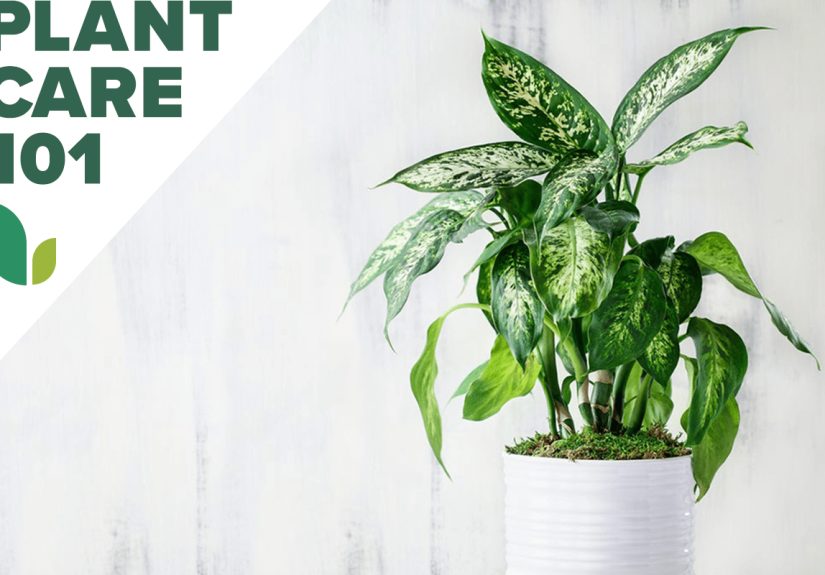
Dumb cane is the common name for several species of Dieffenbachia, a
tropical aroid native to Central and South America. It’s loved for:
- Big, dramatic leaves splashed with cream, chartreuse, or yellow.
- Ability to tolerate lower light better than many “statement” plants.
- Fast growth when conditions are right.
- Willingness to bounce back from pruning and repotting.
The nickname “dumb cane” comes from its sap, which can cause temporary
numbness and swelling of the mouth if ingestedhistorically said to make people
“dumb,” or unable to speak. Today, we keep it strictly as a decorative foliage
star and treat that sap with respect and gloves.
Light: Bright but Not Blazing
Dumb cane is a shade-loving understory plant in the wild, which tells you a
lot about its lighting preferences indoors. Think “bright, indirect” instead of
“full, blasting sun.”
Best Light for Dumb Cane
-
Ideal: A few feet back from an east- or north-facing window,
or behind a sheer curtain in a south or west window. -
Acceptable: Medium light or even “good office light” where
you can comfortably read without turning on lamps. -
Avoid: Hot, direct sun on the leavesthis can scorch and
bleach the foliage.
Dumb cane tends to lean toward its light source, so rotate the pot every week
or two to keep the plant upright and balanced instead of turning into a leafy
boomerang.
Signs Your Dumb Cane Needs a Light Adjustment
- Too little light: Leggy stems, small leaves, faded variegation.
- Too much light: Bleached patches, dry crispy spots, or yellowing leaves on the sunniest side.
Watering: Moist, Not Marshy
If dumb cane could talk (ironically, it’s named for stopping you from talking),
it would say: “Please stop alternating between drought and flood.” Consistent,
moderate moisture is the sweet spot.
How Often to Water Dumb Cane
Instead of watering on a strict schedule, use the soil as your guide:
-
Stick your finger into the potting mix. When the top 1 to 2 inches feel dry,
it’s time to water. -
Water thoroughly until excess drains from the bottom, then empty any saucer
so the roots aren’t sitting in water. - Let the soil dry slightly between wateringsnever stay soggy for long.
Overwatering vs. Underwatering: Know the Difference
-
Overwatering: Yellow leaves with soft stems, mushy roots,
and sometimes a funky smellclassic signs of root rot. -
Underwatering: Yellow leaves starting at the tips, leaves
shrinking in size, and very dry, pulling soil.
Adjust watering slowly. If you’ve been overdoing it, let the soil dry out more
deeply and consider repotting into fresh, well-draining mix. If you’ve been
neglecting the plant, water thoroughly and start checking soil moisture more
regularly rather than dumping extra water “just in case.”
Soil and Potting: Give Those Roots Room to Breathe
Dumb cane likes a light, airy potting mix and good drainage. Roots sitting in
heavy, compacted soil are basically wearing wet socks all daynot ideal.
Best Potting Mix for Dumb Cane
-
Use a high-quality, peat- or coco-based houseplant mix with added perlite or
bark for drainage. -
Classic mixes like peat and perlite 1:1, or soil/peat/perlite 1:1:1, work
well. -
Always plant in a container with drainage holes; decorative cachepots are
fine as long as the growing pot drains freely.
When to Repot
-
Every 1–2 years, or when roots are circling the bottom or poking out of
drainage holes. -
Size up just 1–2 inches in pot diameter; too much extra soil can stay wet and
encourage rot. - Repot in spring or early summer for the quickest recovery.
Temperature and Humidity: Warm and Steady Wins
Dumb cane is happiest in the same range where most humans live comfortably:
roughly 60–75°F (15–24°C). It does not appreciate winter drafts or sudden
temperature swings.
- Keep it away from: Air conditioning vents, drafty doors, and radiators.
- Winter tip: Don’t press the pot directly against cold window glass.
Humidity-wise, dumb cane isn’t as dramatic as some tropicals, but it does
prefer moderate to high humidity.
- Group plants together to create a slightly more humid microclimate.
- Use a pebble tray with water beneath (but not touching) the pot.
-
A small room humidifier can help in very dry homesjust don’t turn your
living room into a rainforest fog machine.
Feeding Your Dumb Cane: Fertilizer Basics
Dumb cane isn’t a heavy feeder, but it does appreciate a little nutrition
boost during its growing season.
-
Use a balanced, water-soluble houseplant fertilizer once a month in spring
and summer. - Always fertilize on damp soilnever bone-dryto avoid burning the roots.
- Skip or cut back fertilizer in fall and winter when growth naturally slows.
If you notice white crust on the soil surface or pot, you may be dealing with
salt buildup from fertilizer. Flush the soil with plain water or repot with
fresh mix and go lighter on feeding.
Pruning, Shaping, and Propagation
As dumb cane ages, it often drops lower leaves, leaving a “cane” or trunk-like
stem. That’s normalbut you have styling options.
Pruning for a Fuller Plant
-
Use clean, sharp shears to cut tall, bare stems back to 6–8 inches. New
shoots will sprout from below the cut, forming a bushier plant. -
Remove dead or yellow leaves by cutting them close to the stem, rather than
yanking them off.
How to Propagate Dumb Cane
Dumb cane is surprisingly easy to multiply:
-
Take a 4–6 inch stem cutting with at least one node (the little “joint” on
the stem). -
Root in water (changing the water every few days) or directly in moist potting
mix. - Once roots develop, pot it up in fresh soil and treat it like a mature plant.
Toxicity and Safety: Beautiful but Not Edible
Here’s the serious part: dumb cane is toxic to pets and humans if ingested.
The sap contains needle-like calcium oxalate crystals that can cause:
- Burning or swelling of the mouth and tongue.
- Drooling or difficulty swallowing.
- Skin irritation in sensitive individuals.
If you share your home with curious pets or young children who treat plants as
snacks, keep dumb cane well out of reach or opt for pet-safe alternatives like
parlor palm, spider plant, or peperomia.
When pruning or repotting:
- Wear gloves if you have sensitive skin.
- Avoid touching your eyes or mouth while handling sap.
- Wash tools and hands after you’re done.
Troubleshooting Dumb Cane: Common Problems and Fixes
Yellow Leaves
Yellow leaves are your dumb cane’s version of an error message. Possible causes
include:
-
Overwatering: Yellow, soft, sometimes mushy leaves; soggy
soil and limp stems. Improve drainage, water less often, and repot if roots
are rotting. -
Underwatering: Yellowing starting at the tips, dry soil
pulling away from the pot. Water deeply and regularly. -
Low light or natural aging: Older lower leaves yellow and
drop as the plant grows tallerthis can be normal.
Brown Tips or Crispy Edges
Brown tips can result from inconsistent watering, very low humidity, or excess
fertilizer. Trim the brown portions with clean scissors (following the natural
leaf shape), then:
- Even out your watering routine.
- Improve humidity slightly if the air is very dry.
- Flush the soil if you suspect fertilizer buildup.
Droopy or Leaning Stems
- Check for underwatering (dry soil) or overwatering (soggy, heavy root ball).
-
Stake tall canes if needed, then prune back and propagate to encourage
bushier growth. - Rotate the pot regularly so it doesn’t lean toward one light source.
Pests
Dumb cane isn’t a pest magnet, but spider mites, mealybugs, or scale can show
up occasionally.
- Check leaf undersides and leaf axils for webbing or cottony blobs.
-
Wipe leaves with a damp cloth and treat with insecticidal soap or neem oil,
following label directions. - Isolate heavily infested plants while you treat them so pests don’t spread.
Real-Life Dumb Cane Care Experiences (Extra Tips from the Trenches)
Theory is nice, but houseplants live in real homes with drafty windows,
forgetful plant parents, and the occasional overenthusiastic watering can.
Here are some common “lived experiences” and what they teach us about dumb
cane care.
The “Office Corner Champion”
Picture a dumb cane sitting in the back corner of an office, a good 8 feet
from the nearest window. The overhead lights are on all day, and someone
waters it “whenever it looks sad.” Somehow, it survivesbut the stems stretch,
the leaves get smaller, and the plant tilts dramatically toward the light.
When someone finally moves it closer to the window, adds a monthly fertilizer
during spring and summer, and rotates it every week, the plant practically
sighs in relief. New growth comes in larger and more patterned, and the lean
is less dramatic. The lesson: dumb cane will tolerate low-ish light, but it
truly thrives in bright, indirect conditions with consistent care.
The “Water-Once-a-Week-No-Matter-What” Problem
Another common scenario: a diligent plant parent chooses “Water Wednesdays”
and applies that rule to every plant in the house. The cactus, the fern, the
peace lily, and the dumb cane all get the same treatment.
In a humid summer, the dumb cane’s soil stays damp between those weekly
waterings. Over time, the plant develops yellow, soft leaves and a sour smell
when the pot is movedclassic signs of root rot. Once the owner switches to a
“check the soil first” method and lets the top of the potting mix dry before
watering again, the decline stops, and fresh, healthy leaves appear.
Moral of the story: dumb cane cares more about soil moisture level than your
calendar. Your finger is a better moisture meter than your phone reminders.
The “Pet and Plant Parent” Dilemma
A cat-loving plant collector falls in love with dumb cane’s dramatic leaves
and brings one home, placing it right on a low side tablethe cat’s favorite
perch. Within hours, the cat is nibbling the leaves like a salad bar.
Fortunately, the owner notices and does a quick toxicity check, discovering
that dumb cane can cause oral irritation in pets. The plant is immediately
moved to a high shelf in a room the cat rarely visits, and future plant
purchases focus more on pet-safe options for lower surfaces.
Takeaway: dumb cane and pets can coexist, but only if you’re intentional.
Either keep the plant safely out of reach or skip it in favor of non-toxic
green roommates.
The “Overachiever Pruner”
Many plant owners panic when dumb cane loses lower leaves and starts to look
like a mini palm tree. One person decided to fix this by cutting the plant
back hardalmost down to a few inches above the soilwith a mix of fear and
hope.
For a couple of weeks, nothing happens. Then, new buds appear along the stem,
followed by clusters of fresh leaves. Within a few months, the once-straggly
plant has transformed into a full, bushy specimen. Extra stem pieces even
became cuttings that rooted and turned into baby plants.
Lesson learned: dumb cane usually handles pruning like a champ as long as the
roots are healthy and it’s in the growing season. A bold haircut can be the
start of a fresh chapter, not the end of the plant.
The “Seasonal Slowdown” Surprise
Finally, there’s the classic winter scare: a plant that grew happily all
spring and summer suddenly seems to stall when the days get shorter. A few
leaves yellow and drop, the soil stays wet longer, and new growth is minimal.
This often isn’t a disaster but a seasonal slowdown. Dumb cane naturally backs
off growth during fall and winter, especially in cooler, darker rooms. The fix
is simple: reduce watering, pause fertilizer, and wait for longer days. In
spring, with more light and a gentle return to feeding, fresh growth usually
resumes.
The big takeaway from real-life dumb cane stories? This plant is forgiving,
but it’s not a mind reader. Pay attention to what the leaves are telling you,
and small adjustments will keep it thriving for years.
Wrapping It Up: A Bold Houseplant That Plays Nice
Dumb cane brings big, tropical energy to living rooms, offices, and even
dimmer corners that most plants side-eye suspiciously. Give it bright,
indirect light, evenly moist but well-drained soil, comfortable indoor
temperatures, and occasional fertilizer, and it will reward you with lush,
patterned leaves and steady growth.
Respect its toxicity, learn to read the early signs of stressespecially
yellowing leavesand don’t be afraid of a little pruning and propagation. Once
you get into a rhythm with dumb cane care, it becomes one of the easiest
“statement” houseplants to live with. Smart move for a plant with a not-so-smart
name, right?
SEO META