Table of Contents >> Show >> Hide
- Why Dogs Love to Shred in the First Place
- How to Choose Shredding Toys Safely
- 1. Stuffable Rubber Food Toys
- 2. Tear-Apart Puzzle Plush Toys
- 3. Cardboard Box Foraging Toys
- 4. Snuffle Mats and Fabric Forage Toys
- 5. Rope Toys for Supervised Tug and Fray
- 6. Lick Mats and Spreadable Enrichment Trays
- 7. Durable Ball-and-Treat Dispensers
- 8. Shreddable Paper Bags and Wrapped Treat Parcels
- 9. Freezable Teething Toys and Chilled Washcloth Games
- 10. DIY Towel Burritos and Muffin Tin Puzzles
- How to Build a Better Toy Rotation
- When Shredding Signals a Bigger Problem
- Conclusion
- Extra Experiences: What Living With a Shred-Happy Dog Really Feels Like
- SEO Tags
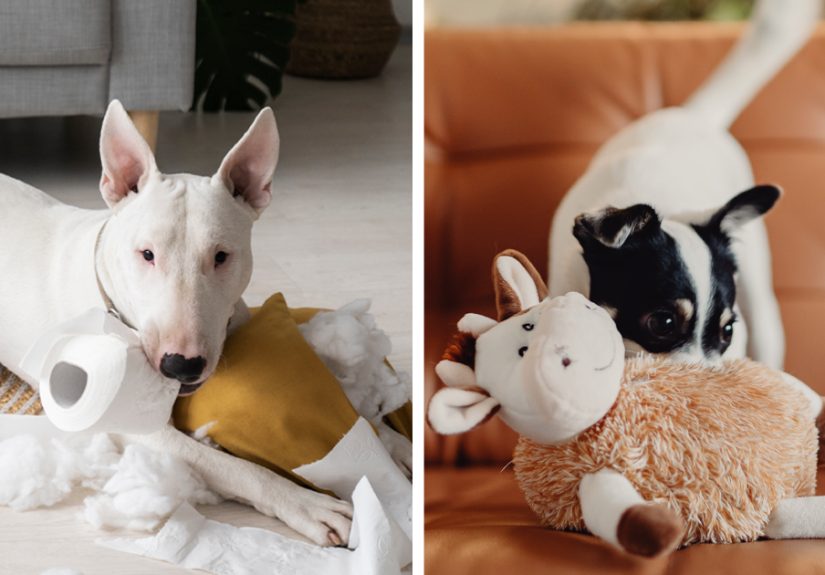
Some dogs fetch. Some dogs cuddle. And some dogs look at a perfectly normal cardboard box like it just insulted their ancestors. If your pup lives to rip, dissect, unravel, and turn everyday objects into a fluffy crime scene, you are not alone. Shredding is often part instinct, part entertainment, and part “thank you for leaving me with feelings and a paper towel roll.” The good news is that this behavior does not always mean your dog is naughty. Often, it means your dog needs better outlets.
That is where enrichment comes in. The best toys for dogs who love to shred do more than survive a few dramatic chomps. They redirect natural chewing, sniffing, tearing, and problem-solving into safer, more satisfying activities. In other words, the goal is not to eliminate your dog’s inner chaos goblin. It is to give that goblin a legal hobby.
This guide breaks down 10 enriching toys and toy styles for dogs who love to shred, plus tips for choosing the right option for your dog’s age, chewing style, and attention span. Some are store-bought, some are wonderfully low-tech, and all of them can help protect your shoes, couch corners, and dignity.
Why Dogs Love to Shred in the First Place
Before diving into the toy box, it helps to understand the behavior. Dogs shred for several reasons. Puppies chew and tear during teething. Adolescent dogs explore the world with their mouths because apparently that is more efficient than asking questions. Adult dogs may shred because it feels rewarding, relieves boredom, eases stress, or simply fills time in a way that barking at the window cannot.
For many dogs, shredding also taps into natural predatory sequences: grab, shake, tear, dissect. That does not mean your golden retriever is auditioning for a wilderness documentary. It just means some instincts show up in funny ways when the “prey” happens to be a plush duck from aisle seven.
The trick is offering toys that satisfy these urges without creating a safety issue. A great enrichment toy should be engaging, appropriately challenging, and matched to your dog’s size and chewing power. If it breaks into swallowable bits in two minutes, it is not enrichment. It is a vet bill with branding.
How to Choose Shredding Toys Safely
Not every toy belongs in every dog’s mouth. Strong chewers need tougher materials and closer supervision. Puppies may need softer textures. Dogs who gulp pieces should avoid toys that fray, splinter, or come apart easily. As a rule, pick toys that are large enough not to be swallowed, avoid anything rock-hard that could damage teeth, and retire toys once seams split, stuffing spills, or chunks start disappearing.
Also remember this simple truth: “indestructible” is mostly a marketing mood. Even durable toys need inspection. For dogs who shred with Olympic intensity, the safest plan is rotation, supervision, and variety rather than one magic item that lives in the crate forever.
1. Stuffable Rubber Food Toys
If there were a hall of fame for dog enrichment, the stuffable rubber food toy would be hanging in the lobby wearing a gold jacket. These toys give shredding-minded dogs something satisfying to chew while also making them work for food. That combination matters. When a dog licks, mouths, nudges, and gnaws to get kibble or soft food out, the brain gets busy and the mouth stays occupied.
To make this toy even better for a shredder, fill it with layers. Start with kibble, add a smear of dog-safe wet food, pumpkin, or xylitol-free peanut butter, and freeze it. Now your dog has a project, not just a snack. The longer it lasts, the more it channels that urge to dissect into something useful.
Best for: dogs who like chewing, licking, and problem-solving.
Pro tip: keep two or three in rotation so the toy feels exciting instead of routine.
2. Tear-Apart Puzzle Plush Toys
Some dogs do not want a toy. They want an unfolding plot. Tear-apart puzzle plush toys are perfect for that kind of drama. These often feature small toys tucked inside a larger shell, burrow, log, or pouch. Your dog gets to sniff, paw, pull, and “dissect” the larger toy to find the hidden pieces inside.
For dogs who love the act of unstuffing rather than swallowing, this can be a brilliant outlet. The hunt is satisfying, the tearing action feels rewarding, and the toy can often be reassembled for another round. Just be realistic. If your dog escalates from detective to demolition crew in seconds, this is a supervised toy, not an all-day roommate.
Best for: moderate shredders who love plush toys and hidden surprises.
Watch for: loose squeakers, ripped seams, and swallowed fabric pieces.
3. Cardboard Box Foraging Toys
Yes, the humble cardboard box deserves respect. For many shredders, cardboard is delightfully crunchy, easy to tear, and weirdly thrilling. A simple enrichment setup can turn that urge into a legal activity. Place treats, kibble, or a favorite chew inside a box, then add crumpled packing paper, paper towel tubes, or smaller boxes inside. Let your dog root around and shred to find the reward.
This works especially well for dogs who love “busy work.” The tearing itself is part of the game. You are not just offering an object to destroy; you are building a mini foraging project. Bonus: it is cheap, recyclable, and ideal for rainy days.
Best for: dogs who adore paper, cardboard, and supervised destruction.
Watch for: dogs who actually eat cardboard rather than just shred it.
4. Snuffle Mats and Fabric Forage Toys
Not every shredder needs a toy they can obliterate. Some need a job that tires the brain before the mouth starts freelancing. Snuffle mats and fabric forage toys encourage dogs to use their noses to search for hidden kibble or treats among fleece strips, folds, or pockets.
Why include them on a list for shredders? Because many destructive dogs are also under-enriched dogs. If your dog is ripping up couch cushions out of boredom, giving them a scent-based task can help take the edge off. Sniffing is mentally taxing in the best way, and it often leaves dogs calmer than a high-energy game of indoor chaos.
Best for: food-motivated dogs who get bored quickly.
Pro tip: start easy, then increase difficulty by tucking food deeper into the folds.
5. Rope Toys for Supervised Tug and Fray
Rope toys can be fun for dogs who enjoy pulling, chewing, and working loose fibers with their front teeth. For some shredders, the appeal is the gradual “dissection” of the rope itself. Tug sessions also add social interaction, which makes the toy more valuable than something abandoned on the floor.
That said, rope toys come with a big asterisk. Frayed strands can become a problem if swallowed. Think of rope toys like spaghetti: delightful on the plate, not ideal in the digestive tract. Use them for active play, inspect them often, and retire them once they start looking like a shipwreck.
Best for: interactive dogs who like tug as much as chewing.
Watch for: loose strands, aggressive shredding, and any sign your dog is gulping fibers.
6. Lick Mats and Spreadable Enrichment Trays
Lick mats are the quieter cousins of the shredding toy world, but do not underestimate them. Many dogs who tear things apart are seeking sensory relief, stimulation, or a calming repetitive behavior. Licking can help meet that need. Spread a dog-safe topper across the textured surface and suddenly your dog has a focused, soothing job.
These are especially useful for dogs who shred when overstimulated, anxious, or confined. A lick mat will not satisfy every paper-destroying maniac on earth, but it often helps take the temperature down. Think of it as enrichment with less confetti.
Best for: dogs who relax through licking and food work.
Pro tip: freeze it for a longer challenge and cleaner delivery.
7. Durable Ball-and-Treat Dispensers
For dogs who like to push, chase, chew, and problem-solve all at once, a treat-dispensing ball can be a winner. These toys roll unpredictably, release food gradually, and make mealtime feel like a job. That is good news for dogs who destroy household items simply because a regular bowl is over in twenty seconds.
The motion adds another layer of enrichment. Your dog is not just chewing; they are hunting the next piece of kibble around the room like a furry little tax auditor. Choose a version made from tough, flexible material and sized appropriately for your dog’s mouth.
Best for: active dogs who enjoy movement-based puzzles.
Watch for: frustration if the difficulty is too high at first.
8. Shreddable Paper Bags and Wrapped Treat Parcels
This one is gloriously simple. Take a plain paper bag or butcher paper, tuck treats inside, fold it up, and let your dog go to work. You can nest smaller parcels inside a larger one to create a multi-layer “rip and reveal” game. For many shredders, this feels like winning the lottery and opening the envelope with their face.
It is inexpensive, easy to customize, and perfect for dogs who crave the sound and sensation of tearing. The trade-off is supervision. This is a controlled enrichment activity, not a toy to leave behind while you answer emails and pretend the living room still has structure.
Best for: dogs who love ripping paper and searching for treats.
Watch for: inked materials, staples, tape, or dogs who consume paper.
9. Freezable Teething Toys and Chilled Washcloth Games
Puppies who love to shred often need relief as much as entertainment. Freezable teething toys, soft puppy-safe chew sticks, and even a clean damp washcloth twisted and chilled can give sore gums something appropriate to work on. Cooling changes the sensory experience and can make the toy extra attractive.
This is one of the smartest ways to redirect a young dog who has decided your baseboards are artisanal chew sticks. Teething puppies are not trying to ruin your life. They are trying to feel better. Give them better options and you often see less random destruction around the house.
Best for: puppies and younger dogs in heavy chewing phases.
Pro tip: always match softness and size to your puppy’s stage and supervision needs.
10. DIY Towel Burritos and Muffin Tin Puzzles
Not all enrichment has to come from the pet store. Roll treats inside a towel, knot the fabric loosely, and let your dog nose, paw, and tug their way to the center. Or place treats in a muffin tin and cover each cup with balls or safe objects so your dog has to uncover the prize. These homemade puzzles are budget-friendly, adjustable, and surprisingly effective.
DIY options shine because you can tailor them to your dog’s style. Love gentle problem-solving? Make it easy. Have a canine wrecking ball with opinions? Add layers. Just remember that homemade enrichment still needs oversight, especially with dogs who escalate from “solving” to “eating the assignment.”
Best for: smart, restless dogs who need novelty without a shopping trip.
Watch for: fabric ingestion and frustration if the puzzle becomes too difficult.
How to Build a Better Toy Rotation
The biggest mistake many dog owners make is leaving every toy out all the time. To a dog, that mountain of old toys quickly turns into background furniture. Rotation keeps items novel. Try offering only two or three options at once: one chew-focused toy, one food puzzle, and one shredding-style activity. Swap them every few days and watch interest bounce back.
You can also match toys to moments. A frozen stuffable toy works great when you need quiet time. A cardboard forage box is perfect for a rainy afternoon. A snuffle mat can slow breakfast and burn mental energy. A rope toy belongs in interactive play, not unsupervised chaos. Use toys with intention and they become tools, not clutter.
When Shredding Signals a Bigger Problem
Sometimes destruction is not just about fun. If your dog suddenly starts chewing obsessively, eating non-food items, panicking when left alone, or destroying doors, crates, or windows, it may point to anxiety, pica, medical discomfort, or unmet exercise needs. In those cases, a new toy helps, but it may not solve the entire problem.
If the behavior feels intense, compulsive, or risky, talk to your veterinarian. A certified trainer or veterinary behavior professional may also help you figure out whether your dog needs a different routine, more exercise, anxiety support, or a deeper behavior plan. Enrichment is powerful, but it works best when it is part of the whole picture.
Conclusion
The best toys for dogs who love to shred are not the prettiest, squeakiest, or most expensive. They are the ones that respect what your dog is trying to do. Tear. Search. Lick. Chew. Solve. Repeat. When you give your dog appropriate outlets for those behaviors, you are not spoiling them. You are speaking fluent dog.
So yes, your pup may still occasionally side-eye the throw pillows like they owe rent. But with the right enrichment plan, that energy can go into rubber toys, forage boxes, paper parcels, and puzzle feeders instead of your favorite sneakers. That is not just behavior management. That is peace negotiations.
Extra Experiences: What Living With a Shred-Happy Dog Really Feels Like
Life with a dog who loves to shred is equal parts adorable, ridiculous, and humbling. One day you feel like a brilliant enrichment genius because you built a cardboard treat puzzle that kept your dog busy for twenty whole minutes. The next day you walk into the room and discover that your “durable” plush toy has become decorative snowfall across the rug. Owning a shredder teaches you two things quickly: first, dogs are creative; second, marketing departments are wildly optimistic.
Many owners notice that the worst destruction happens when the dog is under-stimulated, over-tired, or caught in that awkward window between needing exercise and needing a nap. A dog who ignores toys in the morning may become a paper-shredding intern by late afternoon. That is why experience matters. Over time, you start seeing patterns. Maybe your dog shreds most after dinner, when the household gets busy. Maybe they chew more during storms. Maybe they only go full confetti mode when you leave the room and take your attention with you.
There is also a learning curve in figuring out what kind of shredding your dog actually enjoys. Some dogs want to rip and spit. Some want to pull out hidden treats. Some want to tear fabric but could not care less about rubber. Others are surprisingly methodical, like tiny furry archaeologists excavating each layer of a toy with great seriousness. Once owners stop buying random toys and start matching toys to the dog’s style, success usually improves fast.
Another common experience is realizing that enrichment is not just about keeping a dog busy. It changes the mood of the house. When a dog gets an appropriate outlet, you often see less pacing, less nuisance barking, less random chewing, and fewer “what is in your mouth and why are you sprinting” moments. The dog seems more settled because their day finally includes work that makes sense to them.
Of course, nobody gets it perfect every time. Most people with shredders have at least one story involving exploded stuffing, stolen napkins, or a heroic rescue of half a paper bag from a very determined mouth. But those moments usually teach better management. Supervise more closely. Rotate toys more often. Freeze the food toy longer. Put the laundry away if you value your socks and your sanity.
In the end, living with a shred-happy dog can actually be fun once you stop treating every torn object like a moral failure. Often, your dog is not being “bad.” They are being a dog with strong instincts and a serious opinion about boredom. When you lean into enrichment, you start replacing frustration with strategy. And honestly, watching a dog solve a puzzle, snuffle through a mat, or proudly dismantle a safe cardboard project can be hilarious in the best way. Messy? Sometimes. Worth it? Usually yes. Especially when the couch survives.