Table of Contents >> Show >> Hide
- Quick Wart 101: What You’re Actually Dealing With
- Do Essential Oils “Work” on Warts? What the Evidence Really Says
- Tea Tree Oil for Warts: The Main Character
- Plantar Warts: Why These Are So Stubborn (and So Annoying)
- Other Essential Oils You’ll Hear About (and Why Caution Matters)
- How to Try Essential Oils Without Making Things Worse
- What Works Better Than Essential Oils (If Your Goal Is “Actually Gone”)
- Preventing Spread: Keep the HPV Party From Getting Bigger
- Bottom Line: Tea Tree Oil Can Be an ExperimentBut Proven Options Should Be Plan A
- Experiences People Have With Essential Oils for Warts (The Real-World Part No One Puts on the Label)
Warts are like that one party guest who shows up uninvited, eats all the chips, and then refuses to leave. And because they can be stubborn (and occasionally painful), it’s no surprise people go hunting for “natural” optionsespecially essential oils like tea tree oil.
Here’s the honest, helpful truth: essential oils may have properties that sound promising on paper, but the evidence for actually removing warts is limited (often case reports, small studies, and a lot of internet enthusiasm). Meanwhile, proven treatments like salicylic acid and cryotherapy have a much stronger track record. The sweet spot for most people is using science-backed care firstand if you’re still curious about essential oils, trying them in a skin-safe, realistic way (with guardrails).
Important note: This article is educational, not a substitute for medical care. If you’re not sure whether a spot is a wart, or you have diabetes, immune problems, nerve issues in your feet, severe pain, or a wart on the face/genitals, skip the DIY and talk with a clinician.
Quick Wart 101: What You’re Actually Dealing With
What causes warts?
Most skin warts are caused by certain types of human papillomavirus (HPV). The virus enters through tiny breaks in the skin, then encourages extra skin growthaka the wart. Warts are common, contagious by direct contact, and can also spread via shared surfaces (think locker rooms, pool decks, towels, nail tools, and shoes).
Common types you’ll hear about
- Common warts: Often on hands and fingers; rough, raised, and sometimes dotted with tiny “black seeds” (usually clotted blood vessels).
- Plantar warts: On the bottoms of feet. Because you’re walking on them, they can flatten inward and feel like stepping on a pebble.
- Flat warts: Smaller and smoother; often appear in clusters (face, arms, legs).
- Filiform warts: Finger-like projections, commonly around the mouth, nose, or beard areaareas where you should be extra cautious with DIY treatments.
When to stop Googling and see a professional
Consider a clinician (often a dermatologist or podiatrist for plantar warts) if:
- You’re not 100% sure it’s a wart (corns, calluses, moles, skin cancers, and other growths can look similar).
- The wart bleeds easily, changes quickly, or looks unusual.
- It’s on your face, genitals, or around nails.
- You have diabetes, poor circulation, neuropathy, or immune suppression.
- It’s painful, spreading fast, or not improving after 8–12 weeks of consistent treatment.
Do Essential Oils “Work” on Warts? What the Evidence Really Says
Essential oils are concentrated plant extracts. Many have antimicrobial, anti-inflammatory, or irritating effects. That’s the key word: irritating. Sometimes an irritant can trigger inflammation that nudges the immune system to notice the wart and start clearing it. But irritation can also just… irritate. A red, stinging, peeling mess is not the same thing as a wart disappearing.
What studies look like: For tea tree oil specifically, published reports include small studies and case reports suggesting potential benefit, but this is not the same level of evidence as large randomized trials. That means we can’t confidently say tea tree oil “removes warts,” only that it’s plausible and sometimes reported to help.
What this means for you: If you try essential oils, do it as a cautious experimentnot a guaranteed cure. Set a time limit. Track changes. And be ready to pivot to proven options if it’s not working.
Tea Tree Oil for Warts: The Main Character
Why tea tree oil gets all the hype
Tea tree oil (Melaleuca alternifolia) has well-known antimicrobial activity and is used in a variety of skin products. That reputation, plus a few clinical reports, has made it the most talked-about essential oil for warts.
Safety first: tea tree oil can irritate skin (and should never be swallowed)
Tea tree oil is for external use only. Ingesting it can be toxic, and even topical use can cause redness, burning, itching, or allergic contact dermatitisespecially if used undiluted or if the product is old/oxidized.
Rule of thumb: If you feel strong burning, stop. If you develop swelling, blistering beyond the wart area, hives, or a spreading rash, wash it off and don’t reapply.
A realistic, skin-safe way people try tea tree oil (without turning your foot into a science fair volcano)
If you’re determined to test tea tree oil, these are common harm-reduction practices:
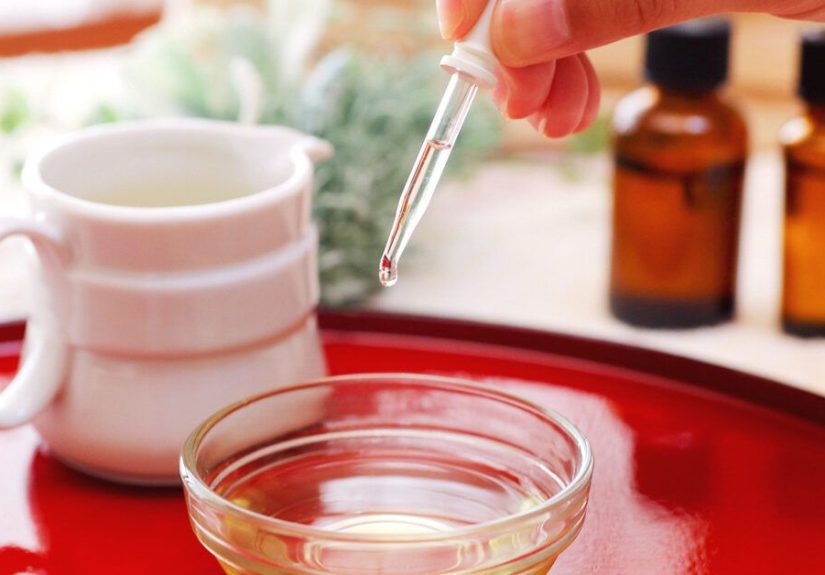
- Dilute it. Many people aim for about a 1–2% dilution in a carrier oil (like mineral oil, jojoba, or fractionated coconut oil). “More” is not “better” with essential oils.
- Patch test first. Try a tiny amount of the diluted mixture on the inner forearm for 24 hours before using it on the wart.
- Protect surrounding skin. A thin ring of petroleum jelly around the wart can help keep product from spreading onto healthy skin.
- Spot-apply only. Use a cotton swab to apply to the wart itself, not the whole area.
- Keep it boring and consistent. If you try it, commit to a simple routine for a few weeks while watching for irritation and any change in size/texture.
Who should skip tea tree oil DIY: anyone with eczema or very sensitive skin, people who’ve had allergic reactions to fragrances/essential oils, young children who might accidentally ingest it, and anyone treating facial/genital areas.
Plantar Warts: Why These Are So Stubborn (and So Annoying)
Plantar warts live on the soles of your feetprime real estate for pressure. That pressure can push the wart inward and make it painful. They can also be mistaken for calluses or corns because the skin gets thick.
The evidence-based at-home approach (yes, it’s a little boringbecause it works)
For many people, the best over-the-counter option is salicylic acid. It slowly peels away thickened skin and can help your immune system recognize the wart. This approach takes patience: think weeks, not days.
A commonly recommended routine looks like this:
- Soak the area in warm water for a few minutes.
- Gently file the dead surface skin (pumice stone or disposable emery board). Don’t share tools.
- Apply salicylic acid as directed on the product label.
- Repeat consistentlydaily for many products.
What about the duct tape method? Some sources describe it as low-risk but not strongly proven. If you try it, think of it as an add-onnot a substitute for salicylic acid.
When plantar warts deserve professional help
If walking hurts, the wart is multiplying, or you’ve been consistent for 8–12 weeks with little improvement, a clinician can offer options like in-office freezing (cryotherapy), blistering agents, or immune-based treatmentsoften with faster results than home experiments.
Other Essential Oils You’ll Hear About (and Why Caution Matters)
Tea tree oil gets the spotlight, but you’ll also see blogs recommending oregano, thyme, clove, lemon, frankincense, and more. Here’s the practical issue: many of these oils are strong skin irritants. “Irritation” can sometimes make a wart look worse before it looks better, and it can also lead to chemical burnsespecially on the feet where people are tempted to cover everything up and forget about it.
A quick reality check on popular picks
- Oregano and thyme oil: High in potent compounds; more likely to cause burning if undiluted. Evidence for wart removal is limited.
- Clove oil: Often used for numbing in dentistry. Can irritate skin; not a go-to for warts.
- Citrus oils (like lemon): Some can increase sun sensitivity. Not ideal for facial areas.
- Frankincense: Popular in wellness circles; limited evidence for warts specifically.
If you’re choosing among essential oils, tea tree oil is the one with the most published discussion for wartsbut “most” here is still not “a slam dunk.”
How to Try Essential Oils Without Making Things Worse
1) Pick a product like you’re buying for your skin (because you are)
- Look for the botanical name (for tea tree oil: Melaleuca alternifolia).
- Choose products in dark bottles with a tight cap (light/air exposure can degrade oils).
- Avoid using old oils that smell “off.” Oxidized oils can be more irritating.
2) Dilution is non-negotiable
Essential oils are concentrates. Diluting reduces the risk of irritation and allergic reactions. Many people use a 1–2% dilution for leave-on skin application. If you don’t know how to dilute safely, consider using a pre-diluted, reputable topical product instead of DIY mixing.
3) Don’t treat the whole neighborhood
Spot-treat the wart only. Surrounding skin is innocent and does not deserve to be punished.
4) Keep it out of mouths, eyes, and little hands
Tea tree oil and many other essential oils can be toxic if swallowed. Store them like you’d store a cleaning product: capped, up high, and out of reach of kids and pets.
What Works Better Than Essential Oils (If Your Goal Is “Actually Gone”)
If you want the highest chance of success, these treatments have the strongest evidence base:
Over-the-counter
- Salicylic acid: Often considered a first-line at-home option for common and plantar warts. It requires consistency and time.
- Careful paring/filing: Helps other treatments penetrate thick skinespecially for plantar warts (but don’t overdo it).
In-office options (your “let’s wrap this up” menu)
- Cryotherapy: Freezing the wart with liquid nitrogen. Multiple sessions may be needed.
- Cantharidin or other blistering/peeling agents: Applied by a clinician to lift the wart.
- Immunotherapy: Options that stimulate the immune system to target the wart.
- Other procedures: For stubborn cases, clinicians may consider laser, curettage, or additional medications depending on location and wart type.
Also worth knowing: warts can resolve on their own, especially in children and teensbut “on their own” can still mean months. If your wart is painless and not spreading, “watchful waiting” is a valid strategy.
Preventing Spread: Keep the HPV Party From Getting Bigger
- Don’t pick. Picking can spread the virus to nearby skin and under nails.
- Cover it. A bandage can reduce contact spread (especially in shared spaces).
- Wear shower shoes in locker rooms and around pools.
- Don’t share towels, socks, shoes, pumice stones, or nail tools.
- Wash hands after touching a wart or applying treatments.
- Keep feet dry when possible; sweaty, macerated skin is easier for viruses to exploit.
Bottom Line: Tea Tree Oil Can Be an ExperimentBut Proven Options Should Be Plan A
If you love a natural approach, tea tree oil is the essential oil most often discussed for warts. But the evidence is limited, and the biggest risk is irritation from overuse or undiluted application. For plantar warts and most common warts, salicylic acid (used consistently) and professional treatments like cryotherapy remain the most reliable options.
Think of essential oils like a supporting actor: they might help in some cases, but they’re not guaranteed to carry the whole movie. And your skin deserves an Oscar-worthy performancenot a tragic comedy starring “chemical burn.”
Experiences People Have With Essential Oils for Warts (The Real-World Part No One Puts on the Label)
When people try essential oils for wartsespecially tea tree oilcertain patterns show up again and again. Not because warts have a sense of humor (they don’t), but because humans do very human things like getting impatient, going “all-in,” and then acting surprised when the skin complains.
Experience #1: The hopeful “I’ll just dab a little” phase. Many people start cautiously: a tiny spot application, maybe diluted, maybe not. For the first week, the wart often looks… basically the same. That’s the first emotional hurdle. Warts usually don’t respond to anything overnightnot essential oils, not salicylic acid, not even professional freezing. The people who stick with a routine (without overdoing it) are the ones most likely to see gradual changes: the surface becomes rougher, then drier, then slowly starts shrinking or shedding layers.
Experience #2: The “tingling means it’s working!” misunderstanding. A mild tingle can happen with many topical products. But people sometimes interpret burning as “proof.” That’s where trouble starts. Skin irritation can cause redness and peeling around the wart, which can make the wart look angrier and larger. Some people then apply more oil to “finish the job,” and the irritation spreads. The smart pivot is recognizing the difference between mild sensation and true irritation: if the surrounding skin is sore, raw, blistered, or very red, the plan isn’t “more.” The plan is “stop, wash, recover, reassess.”
Experience #3: Plantar warts teach patience the hard way. People with plantar warts often report a frustrating cycle: they treat consistently, then walk a lot, then the wart hurts, then they stop treatment because it stings, then it rebounds. The sole of the foot has thick skin, and warts can hide under callus. The folks who get the best results usually combine gentle, safe “prep” (brief soak, careful filing of dead skin) with a proven active (salicylic acid) and use any essential oil only as a cautious add-on. They also set a boundary like: “If nothing changes after 8–12 weeks, I’m booking an appointment.” That boundary is sanity-saving.
Experience #4: The “I treated the whole area” mistake. This is common with essential oils. Instead of spot-treating, people swipe across a wide patch of skin. A week later they have a bigger problem: irritated skin plus a wart that’s still clocking in for work every morning. The people who have the smoothest experience keep the application precise (cotton swab, wart only), and they protect surrounding skin with a barrier like petroleum jelly. It’s not glamorous, but it’s the difference between “controlled experiment” and “why does my foot hate me?”
Experience #5: The relief of choosing the boring-but-proven route. A lot of people report that after trying natural remedies (including tea tree oil), the biggest improvement came when they switched to a consistent, evidence-based planor saw a clinician for cryotherapy or another in-office option. That doesn’t mean essential oils never help. It just means warts often respond best to approaches designed specifically for wart biology: peeling away infected layers, improving medication penetration, and stimulating immune recognition. The “natural” option can be part of the story, but it doesn’t have to be the entire plot.
Experience #6: The moment someone realizes it wasn’t a wart. This one matters. People sometimes treat a corn or callus like a wart for weeks. Nothing works. The spot stays painful. Eventually they learn that a corn is a pressure problem, not a virus problem. That’s why the “see a professional if you’re unsure” advice isn’t just cautiousit’s practical. The right diagnosis saves time, money, and a lot of unnecessary stinging.
If you take anything from these real-world patterns, make it this: be consistent, be cautious, and don’t confuse irritation with progress. And if your wart is painful, spreading, or stubborn, getting professional help isn’t “giving up”it’s choosing the fastest route back to comfortable skin.