Table of Contents >> Show >> Hide
- What Are Father Rabbit Peg Hooks, Exactly?
- Why Peg Rails Keep Coming Back (Because They Work)
- Choosing the Right Peg Hook Rail
- Where Father Rabbit Peg Hooks Work Best
- How to Install Peg Hooks So They Stay Put
- Styling Tips That Keep It From Looking Like a Locker Room
- If You Can’t Find Father Rabbit Peg Hooks: How to Get the Same Look
- FAQ
- Everyday Experiences With Father Rabbit Peg Hooks
- Conclusion
Some home “organization systems” feel like they require a whiteboard, a subscription, and a small prayer. Father Rabbit Peg Hooks are the opposite:
a simple wooden rail with sturdy pegs that quietly fixes the daily chaoscoats, bags, towels, aprons, dog leashes, you name itwithout turning your wall into a hardware store aisle.
In other words: it’s the kind of storage that looks intentional even when you’re living like a normal human who sometimes drops a jacket on a chair and calls it “temporary.”
If you’ve been searching for that clean, Shaker-ish peg-rail vibe (but still want it to feel warm and modern), this guide will walk you through what Father Rabbit Peg Hooks are,
how to choose the right setup, where they shine, and how to mount them so they stay upno dramatic “coat avalanche” moments required.
What Are Father Rabbit Peg Hooks, Exactly?
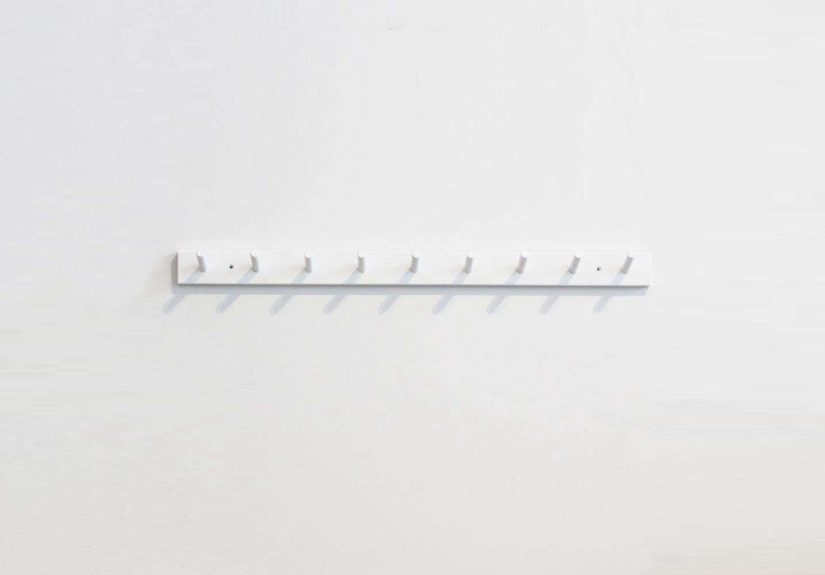
Father Rabbit Peg Hooks are a pared-back wall-mounted peg rail: a painted wooden board with evenly spaced pegs that act as hooks.
Classic versions were offered in multiple lengths (commonly around 700mm and 900mm), with a smooth painted finish and pre-drilled screw holes for mounting.
The result is a hook rack that feels more like a design detail than a utility afterthought.
A helpful note if you’ve been hunting for the “exact one” you saw in a photo: some listings have been marked discontinued in certain marketplaces,
and availability can shift over time. The good news is that the idea is timeless. Even if you can’t find that exact rail today,
you can still capture the Father Rabbit look and function with a similar Shaker-style peg rail (or a close DIY).
Why Peg Rails Keep Coming Back (Because They Work)
1) They’re basically a cheat code for small spaces
Peg rails turn empty wall space into storage without eating floor space. That’s why they show up again and again in narrow entryways, compact apartments,
kids’ rooms, and laundry nooks where a bulky coat tree would feel like an uninvited guest who never leaves.
2) They’re rooted in Shaker “make it useful, make it beautiful” thinking
Shaker peg rails were originally used to keep communal spaces orderlyhang chairs, brooms, textiles, and everyday tools so floors stayed clear.
Modern design folks love them for the same reason: they’re practical, minimal, and visually calming.
3) They look tidy even when they’re busy
One hook can look like clutter. A row of matching pegs looks like a system. Your stuff might still be your stuffbut now it’s “curated.”
(That’s what we call it when the backpacks are aligned and not piled like a sad fabric mountain.)
Choosing the Right Peg Hook Rail
Measure first, then shop (future-you will be so smug)
Before you pick a length, decide what you’re actually trying to hold. Not “everything you own,” but the daily rotation.
Stand in the space and list the repeat offenders: two coats, one backpack, one tote, a leash, maybe a hat.
- Medium rails (around 700mm): Great for small households, laundry rooms, bathrooms, or a tight entry corner.
- Long rails (around 900mm and up): Better for family entryways, mudrooms, or anywhere you want breathing room between items.
Finish matters more than you think
Father Rabbit-style rails often come in clean, painted finishes (think soft whites, charcoals, muted greens), which blend into walls and feel airy.
Natural oak versions lean warmer and more “built-in,” especially in homes with wood floors or classic trim.
Mounting style: visible screws vs. keyhole fixings
Some rails mount with straightforward screw holes through the front (simple and sturdy).
Others use hidden keyhole fixings (a very clean look, but you’ll want careful measuring so everything lines up).
Both can be securethe “best” choice is the one you can mount confidently and safely.
Where Father Rabbit Peg Hooks Work Best
Entryway or mudroom: the classic
A peg rail near the door turns “Where did you put your backpack?” into “It’s literally hanging right there.”
Add a small tray or bowl below for keys, and suddenly your entryway looks like you have your life together.
Example setup: A 700mm rail + 1 basket underneath. Hooks hold two jackets, a work bag, and a dog leash. Basket holds hats and gloves.
Laundry room: the underrated MVP location
Peg hooks are perfect for hang-drying delicates, keeping cleaning gloves off the counter, and giving aprons or reusable bags a home.
It’s also an easy win for visual calm: fewer things draped over chairs equals fewer silent arguments with your own eyeballs.
Example setup: Rail above a hamper. Pegs hold a drying rack bag, stain spray, lint roller, and two mesh laundry bags.
Kitchen: tools, towels, and the “why are there five potholders?” problem
If you like the look of open storage, peg rails are a gentler alternative to full-on pegboard.
Hang dish towels, oven mitts, a small apron, or a couple of frequently used utensilsjust don’t overload it with everything you own, or it stops looking intentional.
Bathroom: towels that actually dry
A rail with space between towels helps them dry faster and keeps things from bunching on a single hook.
Bonus: it looks cleaner than towel piles on the vanity, which always somehow become “damp towel towers.”
Kids’ rooms: independence without the mess explosion
Install a peg rail at kid height and label pegs for backpack, jacket, and sports gear.
It encourages routines and reduces the “I can’t find it” morning scramble.
How to Install Peg Hooks So They Stay Put
First: if you’re under 18, get an adult to help with drilling and wall mounting. This is a simple project, but tools and walls deserve respect.
Second: always check for wires and pipes before drilling, especially near switches, outlets, and plumbing walls.
Tools you’ll want
- Tape measure
- Pencil
- Level
- Stud finder (or a strong magnet as a backup)
- Drill + appropriate bits
- Screws and wall anchors (if not mounting into studs)
Step-by-step mounting (the reliable way)
- Pick your height. Entryways often look best around shoulder height for adults; for kids, lower is better.
- Mark the rail position lightly. Hold it up, step back, and make sure it looks right in the room.
- Find studs if possible. Stud mounting is the most secure option for heavy coats and bags.
- Mark your drill points. Use a levelcrooked peg rails are surprisingly loud (visually).
- Pre-drill where needed. This helps prevent wood splitting and makes screws easier to drive.
- If you’re not in studs, choose the right anchors. Match anchor type to wall type (drywall vs. plaster vs. tile).
- Attach the rail. Tighten screws until snug; don’t over-torque and crush drywall.
- Test gently before loading. Give it a controlled tug, then add weight gradually.
- Set “house rules.” Heavy backpacks on the strongest pegs (preferably near studs). Light items anywhere.
If studs don’t line up with your ideal placement
This is the moment most people face: the rail looks perfect… exactly between studs.
In that case, good anchors matter. There are several types (self-drilling, expansion, toggle, molly), and strength depends on the anchor design,
the wall condition, and how the load is applied (a bag that swings is harder on the wall than a coat that hangs still).
The safest strategy is to anchor at least one side into a stud when possible and use appropriate anchors elsewhere.
If you expect heavy, daily use (school backpacks, work bags), choose robust anchors and keep weight realistic.
Renters: make it reversible
If you rent, check your lease and consider a rail that mounts with fewer holes (or can be patched easily).
Some people choose lighter-duty usage in rentals (hats, scarves, keys) and save “heavy coats + backpacks” for a stud-mounted solution.
Styling Tips That Keep It From Looking Like a Locker Room
Give each peg a job
Assign zones: coats on the left, bags on the right, small items in the middle.
The rail looks calmer when similar items cluster together.
Use “empty space” as a design element
Not every peg needs to be filled. Leaving one or two pegs open helps the whole setup feel intentional and not overloaded.
Add one supporting element below
A small bench, slim console, basket, or catchall dish under the rail completes the moment. Peg rails handle hanging.
The supporting piece handles the pocket stuff: keys, sunglasses, mail, dog treats, that one mystery screw you keep meaning to identify.
If You Can’t Find Father Rabbit Peg Hooks: How to Get the Same Look
The Father Rabbit vibe is really a combination of: (1) simple rail profile, (2) clean paint or warm wood finish, and (3) evenly spaced pegs.
To recreate it, look for Shaker-style peg rails, minimalist wooden peg racks, or peg rails with hidden fixings for a built-in look.
You can also DIY a rail from a straight board and dowel pegs if you’re comfortable with basic measuring and drilling (with adult help if needed).
FAQ
How many hooks do I actually need?
A good rule is one peg per daily item category per person (coat + bag = 2), plus 2 “guest pegs.”
For a two-person household: 6 pegs usually feels comfortable. For a family: 8–12 pegs prevents crowding.
Can peg hooks hold heavy bags?
They canif mounted correctly. Heavy loads should be supported by studs or heavy-duty anchors appropriate for your wall type.
Also: put the heavy stuff on the pegs closest to mounting points.
Do peg rails work in bathrooms with humidity?
Yes, especially painted rails. Just avoid soaking wet towels piled tightly together. Space them out so everything dries, and wipe the rail occasionally.
Everyday Experiences With Father Rabbit Peg Hooks
The most common “peg rail experience remember-forever moment” is the first week after installing one. You walk in the door, reach for the hook,
and suddenly the floor stays clear. No chair-back jacket tower. No backpack tossed in the hallway like it’s trying to become permanent decor.
It’s a small change that feels weirdly biglike you added a tiny assistant whose only job is to whisper, “Hang it up. You’ll thank me later.”
In busy entryways, families often notice that peg rails reduce friction. Not magically, not permanently, and not in a “we are now a perfectly organized household”
way. But in a “we removed one daily obstacle” way. A kid can hang a backpack without needing a closet rod they can’t reach. A partner can drop keys on the same peg
every time (after a short adjustment period where the keys still go on the counter, because habits are stubborn). And guests don’t have to awkwardly ask, “Where should I put my coat?”
The wall answers for you.
Laundry rooms are where peg hooks quietly become the hero. People use them for mesh bags, a small drying rack, and the “delicates that cannot go in the dryer unless you enjoy surprises.”
It’s also the perfect place for the unglamorous stuff: lint rollers, clothespins, dusters, and gloves. The result is less rummaging through drawers mid-task.
If you’ve ever tried to find your stain remover while holding a dripping shirt, you already understand why “grab-and-hang” storage is peak practicality.
Kitchens bring out the aesthetic side of peg rails. A couple of towels, an apron, maybe one or two tools, and suddenly the space looks styled.
The key is remembering that peg rails are best as “high-rotation storage,” not “every object you own but on the wall.” People who love their peg rails long-term
tend to keep it edited: hang what you actually use weekly and move the rest back into drawers. That way the rail stays charming instead of shouting,
“Welcome to the Museum of Random Utensils!”
Bathrooms are often where the most surprising benefit shows up: towels dry better when they’re spread out. A rail with multiple pegs lets everyone have “their” spot,
which can reduce the classic towel mix-up (you know the one). It also looks cleaner than stacking towels on the counter, which sounds nice in theory and then turns into
a leaning, damp pile by Tuesday.
The biggest lesson people share after living with peg hooks: placement matters more than perfection. A peg rail installed two inches “less ideal” but mounted securely
gets used every day. A perfectly centered rail that’s annoying to reach (or not sturdy enough for real life) becomes decoration. The goal isn’t a magazine spread.
It’s making your home easier to live inone satisfying hook-hang at a time.
Conclusion
Father Rabbit Peg Hooks nail that rare sweet spot: functional enough to solve everyday clutter, simple enough to fit almost any interior style,
and flexible enough to move from entryway to laundry room to bathroom without feeling out of place.
Measure your space, choose a finish that suits your home, mount it securely, and give each peg a purpose.
Your walls can do more than just hold artthey can hold your life (or at least your coats).