Table of Contents >> Show >> Hide
- What Are Flea Bites?
- What Do Flea Bites Look Like in Images?
- Common Symptoms of Flea Bites
- Why Flea Bites Itch So Much
- Flea Bites vs. Other Bug Bites
- How Flea Bites Are Diagnosed
- How to Treat Flea Bites at Home
- When to See a Doctor
- Can Flea Bites Spread Disease?
- How Long Do Flea Bites Last?
- How to Stop Flea Bites From Coming Back
- Practical Prevention Tips
- Experiences Related to Flea Bites: What People Often Notice in Real Life
- Conclusion
Flea bites are tiny troublemakers with a very large talent for ruining your afternoon. One minute you are petting the dog, folding laundry, or walking through the yard like the star of your own low-budget lifestyle movie. The next minute, your ankles are itchy, your skin is dotted with little red bumps, and you are suddenly wondering whether your house has been quietly hosting a flea convention.
The good news is that most flea bites on humans are more annoying than dangerous. The less-fun news is that they can itch like crazy, show up in clusters, and keep coming back if the fleas living on your pet, in your carpet, or around your home are not dealt with at the source. That is why the smartest approach is not just treating the bites, but stopping the bites from getting an encore.
This guide breaks down what flea bites look like, common symptoms, how they are treated, when they need medical attention, and what to do if your home has become a jumpy little flea resort.
What Are Flea Bites?
Flea bites happen when fleas feed on blood from an animal or a person. Fleas are tiny, wingless insects that survive by jumping onto a host, taking a blood meal, and moving on with absolutely no respect for personal boundaries. In the United States, the most common flea involved in human exposure is the cat flea, which can also infest dogs and homes.
Humans are not usually a flea’s first choice for dinner. Pets tend to be the preferred buffet. But when fleas are plentiful, when pets carry them indoors, or when the flea population in a house or yard explodes, people can get bitten too. Ankles, feet, and lower legs are common targets because they are easy for fleas to reach from floors, bedding, rugs, and pet resting areas.
Unlike dramatic movie villains, fleas do not need a long monologue. They bite quickly, leave behind saliva that can irritate the skin, and trigger an itchy immune response that may last for days.
What Do Flea Bites Look Like in Images?
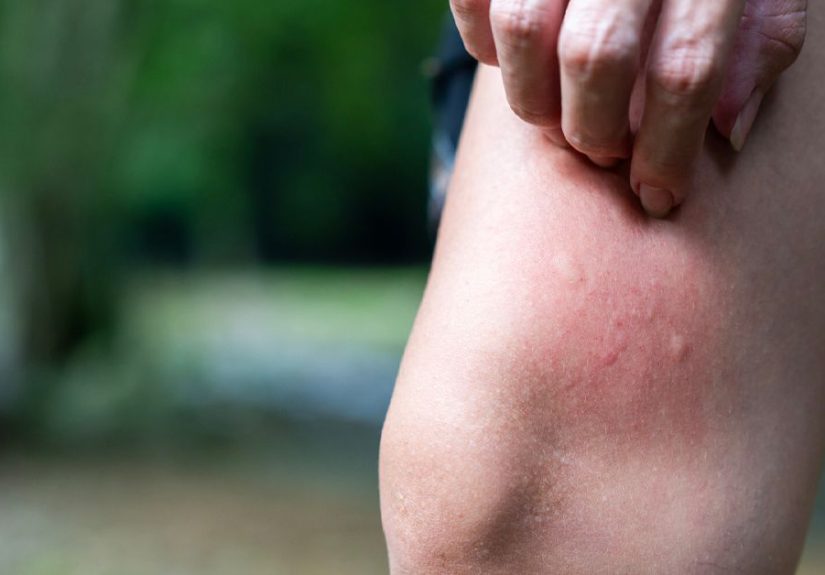
If you search for flea bite images online, you will usually see a pretty recognizable pattern. Flea bites often appear as:
- Small red or pink bumps
- Clusters of bites or groups of two to three
- Tiny bumps with a faint halo of redness around them
- Bites concentrated on the ankles, feet, calves, or lower legs
- Occasional bites around the waist, thighs, buttocks, or where clothing fits snugly
In some people, flea bites look like simple little dots. In others, they become larger, more swollen, or even blister-like if the skin reacts strongly. The bumps may be surrounded by dry, irritated skin from scratching, and on darker skin tones they may appear deep red, brownish, or purple instead of bright pink.
One clue that makes flea bites stand out in photos is their habit of showing up in small groups rather than as one lonely bump. They can also appear in a line or zigzag pattern, which is one reason people sometimes confuse them with bed bug bites.
Common Symptoms of Flea Bites
Mild Symptoms
Most flea bites cause a mild local skin reaction. Common symptoms include:
- Itching
- Small raised bumps
- Redness or skin discoloration
- Mild swelling
- Irritation or tenderness
The itching is usually the headline act. For many people, flea bites are not especially painful, but they can be intensely irritating. Some bites fade in a few days. Others stick around longer, especially if they are scratched repeatedly.
Moderate Reactions
Some people react more strongly to flea saliva and develop:
- Larger welts
- Blistering
- Patchy rash-like irritation
- Dermatitis or eczema-like flares
- Persistent itching that feels wildly unfair at 2 a.m.
This stronger reaction is sometimes linked to a hypersensitivity response called papular urticaria. In plain English, the body gets extra dramatic about the bite and turns a tiny bug nibble into a bigger itchy performance.
Complications From Scratching
The bite itself is usually minor. The trouble often starts when the skin gets scratched raw. Scratching can break the skin barrier and allow bacteria to move in, which may lead to a secondary skin infection. Signs of that include increasing redness, warmth, swelling, pain, pus, or crusting.
Why Flea Bites Itch So Much
When a flea bites, it introduces saliva into the skin. Your immune system sees that saliva as unwelcome and releases chemicals such as histamine. Histamine is one of the main reasons bug bites itch. It is basically your body’s way of saying, “Excuse me, this is rude,” only in skin language.
That is why antihistamines and hydrocortisone cream are often helpful. They do not erase the bite itself, but they can calm the itching and reduce inflammation while your skin settles down.
Flea Bites vs. Other Bug Bites
Because many insect bites look alike, flea bites are easy to mix up with other skin annoyances.
Flea Bites vs. Mosquito Bites
Mosquito bites are often larger, puffier, and more randomly scattered. Flea bites tend to be smaller and more clustered.
Flea Bites vs. Bed Bug Bites
Bed bug bites may also appear in rows or clusters, but they are often found on exposed skin after sleeping, such as the arms, neck, shoulders, and face. Flea bites are more likely to gather around the feet and ankles.
Flea Bites vs. Chigger Bites
Chigger bites can show up around tight clothing areas too, but they are more often linked to time spent in grassy or wooded areas. Flea exposure is more commonly tied to pets, carpets, bedding, or flea-infested outdoor spaces.
If the rash is spreading quickly, unusually painful, blistering badly, or simply not behaving like an ordinary bug bite, a clinician can help sort it out.
How Flea Bites Are Diagnosed
Flea bites are usually diagnosed by appearance and context. A healthcare professional will often look at the pattern of bumps, ask where they are located, and ask about exposure to pets, wildlife, carpeting, pet bedding, or an itchy home environment where both humans and animals are scratching.
Most of the time, no special test is needed. The diagnosis is clinical, meaning it is based on the skin exam and the story around it. In unusual cases, a doctor may consider other skin conditions if the bites do not follow a typical pattern or do not improve as expected.
How to Treat Flea Bites at Home
For uncomplicated flea bites, home care is usually enough.
1. Wash the Area
Gently clean the bites with soap and water. This helps reduce irritation and lowers the risk of infection if the skin has been scratched.
2. Use a Cool Compress
A cool damp cloth or an ice pack wrapped in fabric can help reduce itching, swelling, and discomfort. Short sessions work best. Do not press ice directly onto the skin unless you are auditioning for a bad idea contest.
3. Try an Over-the-Counter Anti-Itch Product
Many people get relief from:
- 1% hydrocortisone cream
- Calamine lotion
- Oral antihistamines
- Other over-the-counter anti-itch creams used as directed on the label
4. Avoid Scratching
This is easier said than done, of course. But scratching can worsen inflammation, delay healing, and open the door to infection. Keeping nails short helps. Distracting yourself also helps. So does not staring at the bites as if they insulted your family.
5. Watch for Signs of Infection
If the area becomes more red, warm, swollen, tender, or starts draining, it is time to check in with a healthcare professional.
When to See a Doctor
Most flea bites do not require emergency care, but some situations should not be brushed off.
Call a Doctor Soon if You Have:
- Fever after a bite
- Body aches, headache, or rash beyond the bite area
- Signs of skin infection
- Severe swelling or blistering
- Bites that do not improve
- Repeated bites with no clear way to stop exposure
Get Emergency Help Right Away if You Have:
- Trouble breathing
- Throat tightness
- Swelling of the lips, tongue, or face
- Chest pain
- Dizziness or fainting
- Vomiting as part of an allergic reaction
These symptoms may point to a severe allergic reaction, which is uncommon but serious.
Can Flea Bites Spread Disease?
This is the part where the internet usually turns the volume up to eleven. So let us keep it accurate. Most flea bites on humans are itchy and unpleasant, but not dangerous. However, fleas can carry germs that cause disease in some situations.
Flea-Borne Typhus
Flea-borne typhus, also called murine typhus, is a bacterial illness linked to infected fleas. Symptoms can include fever, chills, headache, body aches, nausea, cough, stomach pain, and sometimes a rash. People may not even remember a flea bite before getting sick.
In the United States, most reported cases are linked to places such as southern California, Hawaii, and southern Texas. It is not the most likely outcome of a random flea bite, but fever and feeling generally unwell after flea exposure deserve medical attention.
Plague
Yes, plague still exists, but it is rare in the United States. It is usually associated with infected rodent fleas in rural parts of the western U.S. This is not something most people with a couple of itchy ankle bites need to panic about. Still, flea control matters because fleas can act as vectors for serious infections under the right circumstances.
How Long Do Flea Bites Last?
Many flea bites improve within a few days. In more sensitive people, itching and visible bumps can linger longer, especially if there is an allergic-type reaction. If the home remains infested, new bites may keep appearing, which makes it feel like the old bites are lasting forever when in fact the skin is being re-exposed again and again.
That is why lasting relief often depends less on fancy creams and more on stopping the next wave of bites.
How to Stop Flea Bites From Coming Back
Treating your skin without treating the fleas is like mopping the floor while the sink is still overflowing. You may feel productive, but the problem is still very much alive.
Treat Pets
If you have dogs or cats, speak with your veterinarian about appropriate flea prevention or treatment. Outdoor pets, free-roaming animals, and pets that share bedding or furniture can bring fleas indoors. Cats require special caution because some products that are safe for dogs are not safe for cats.
Clean the Home Thoroughly
Wash pet bedding, washable rugs, and soft materials. Vacuum carpets, rugs, upholstery, baseboards, and cracks where eggs and larvae may hide. Empty the vacuum carefully.
Understand the Flea Life Cycle
Fleas have four life stages: egg, larva, pupa, and adult. That matters because killing adult fleas today does not automatically stop eggs and cocoons from turning into tomorrow’s surprise cast members. Flea control usually takes persistence, follow-up cleaning, and sometimes repeated treatment over days to weeks.
Consider Home or Yard Treatment
Moderate to severe infestations may require treatment of the home and sometimes outdoor shaded areas where pets spend time. In tougher infestations, professional pest control can be worth it. Fleas are tiny, but their confidence is enormous.
Reduce Rodent and Wildlife Exposure
Keep trash covered, store pet food properly, and avoid attracting wildlife around the home. In some regions, rodents and animals such as opossums can help maintain flea populations near living spaces.
Practical Prevention Tips
- Use veterinarian-guided flea prevention for pets
- Wash pet bedding regularly
- Vacuum often during an infestation
- Avoid feeding or handling stray animals
- Wear gloves if handling sick or dead animals
- Pay attention if both pets and people in the home are suddenly itchy
- Do not ignore bites that keep returning in the same environment
Experiences Related to Flea Bites: What People Often Notice in Real Life
Flea bites are one of those problems that often start as a mystery. A person might notice itchy ankles after sitting on the couch, assume it is dry skin, and move on. Then the next morning there are three new bumps near the sock line. By day three, the family dog is scratching, someone spots tiny jumping specks near a pet bed, and suddenly the detective board in everyone’s head lights up. In real life, flea bites often feel less like one clear event and more like a pattern that slowly becomes impossible to ignore.
Many people describe the itching as worse than the appearance of the bites would suggest. The bumps can be tiny, but the itch can be loud. It may flare up more at night, after a hot shower, or when the person finally sits still and notices it. Some people say flea bites are “itchy in waves,” meaning the irritation seems to calm down and then return out of nowhere, just as they were beginning to feel optimistic again.
Another common experience is confusion. People frequently mistake flea bites for mosquito bites, bed bug bites, or a detergent rash. That confusion makes sense because flea bites do not come with a little business card. Often the clue is the location. When bites keep showing up on ankles, feet, calves, or around areas where clothing sits close to the body, fleas move higher on the suspect list. If pets are scratching too, the plot thickens fast.
Households dealing with flea exposure often talk about the emotional side as much as the physical side. There is the itch, yes, but there is also the feeling that your home has been taken over by something tiny and smug. People may start checking socks before putting them on, vacuuming with dramatic purpose, and side-eyeing every rug like it owes them money. Parents may notice that children scratch bites more aggressively, which can make the bumps look worse and last longer.
There is also a practical lesson many people learn the hard way: treating only the bites rarely solves the bigger problem. A cream may calm the skin, but if fleas are still living in pet bedding, carpeting, upholstery, or shaded outdoor spots, new bites can keep appearing. That leads to the very common experience of thinking a treatment “did not work,” when the real issue is that the exposure never stopped.
On the brighter side, people also often report that once the environment is treated properly, the whole situation improves quickly. The bites stop multiplying, the itching settles down, and peace returns to the household. In other words, flea bites are a classic reminder that the small things in life really can get under your skin, but they usually lose their power once you deal with both the bite and the bug behind it.
Conclusion
Flea bites are common, itchy, and intensely annoying, but they are usually manageable with simple skin care and good flea control. The bites often look like small, clustered red bumps, especially on the ankles and lower legs. Mild cases can often be treated with washing, cool compresses, hydrocortisone cream, calamine lotion, or antihistamines used as directed.
The bigger issue is often not the bite itself, but the source. If fleas are living on pets or hiding in your home, the bites can keep returning until the infestation is addressed. And while most flea bites are not dangerous, fever, worsening rash, body aches, signs of infection, or symptoms of a serious allergic reaction are clear signs to seek medical care.
So yes, flea bites are small. But as anyone who has ever scratched their ankle like it was a full-time job can tell you, small does not always mean subtle.